
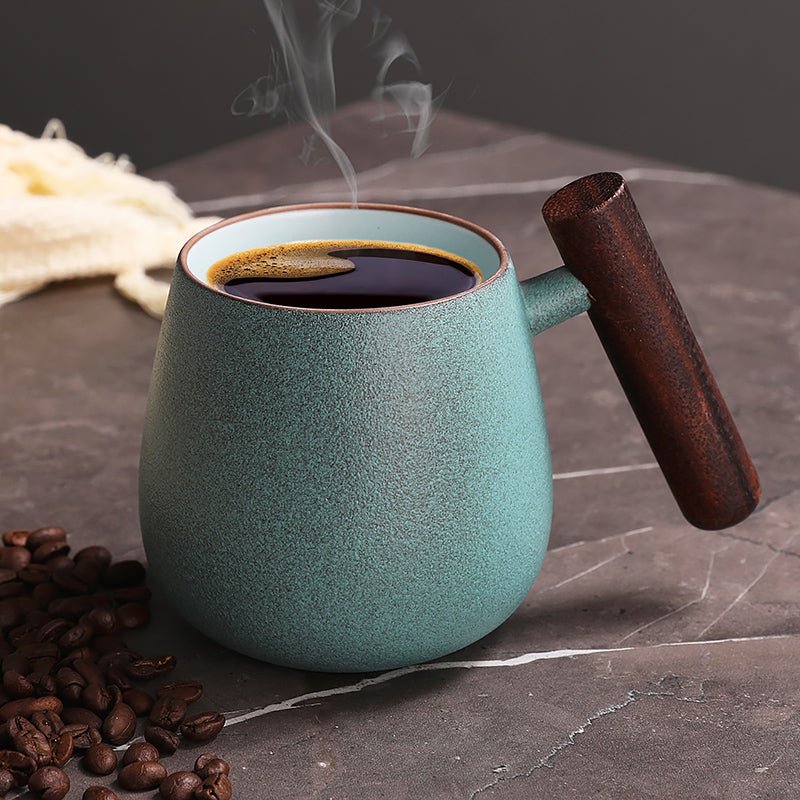
What Size Is a Standard Coffee Mug? A Buyer’s Guide
Reading time: about 8 minutes
A mug can look ordinary on a product page and still feel completely different once it is in your hand. One cup slips neatly under a drip machine. Another takes over the whole mug shelf. A third is fine for tea but awkward for a full pour of coffee.
If you are asking what size is a standard coffee mug, the practical answer is usually 8 to 12 ounces. In our store, we see shoppers compare mugs by shape, handle comfort, and how they actually use them at the counter, desk, or sink. That is where the real decision gets made.
For a quick browse of styles that fit everyday use, start with our full collection. If you want examples of specific shapes, the Planet Coffee Tea Mug, Rhombus Coffee Tea Mug, and Handbag Coffee Tea Mug show how different silhouettes can still sit in the standard range.
What size is a standard coffee mug in everyday use?
Most shoppers mean a mug that holds a normal serving of coffee without feeling oversized. In practice, that usually lands in the 8 to 12 ounce range. An 8-ounce mug feels compact and controlled. A 10-ounce mug is a common middle ground. A 12-ounce mug gives more room for milk, cream, or a little extra coffee without spilling over the rim.
That range is useful because it matches how many people drink coffee at home:
- Black coffee drinkers often prefer the lower end because it keeps the cup warm and manageable.
- Latte or cappuccino drinkers usually want extra headroom for foam and milk.
- Tea drinkers may like a standard mug that is not too tall or too narrow.
We also see a real difference between listed capacity and usable capacity. A mug that says 12 ounces may only feel comfortable with 10 to 11 ounces if the rim flares inward or the handle sits close to the body. That is normal. The usable fill line matters more than the label.
How many ounces are most standard mugs, really?
If you only need the short answer, here it is: most standard mugs are around 8, 10, or 12 ounces. The label can vary by seller, but those three sizes cover most everyday buyers. We do not treat a 14- or 16-ounce mug as the default standard, because those sizes start moving into oversized territory for many kitchens.
A simple comparison helps:
| Mug size | Best for | What to expect |
|---|---|---|
| 8 oz | Espresso drinks, smaller coffee servings, tea | Compact, heats quickly, less room for milk |
| 10 oz | Everyday drip coffee | Balanced size, easy to hold, flexible for most drinks |
| 12 oz | Larger pours, lattes, milk-heavy drinks | More capacity, more splash risk if overfilled |
There is one limitation worth calling out. Ounce ratings are not always measured the same way across sellers. Some brands measure right to the rim, while others use a safer fill level. That is why diameter, height, and handle room matter just as much as the number on the listing.
If you want a deeper breakdown of measurements before buying, our Coffee Mug Measurement Guide: How to Check Size Before You Buy and Coffee Mug Ounces: How to Choose the Right Size Before You Buy are useful references. They are especially helpful if you shop by cabinet space or machine clearance, not just by capacity.
Which standard mug size works best for your routine?
The best mug size depends on how you drink, not just how much you drink. We see this in real orders every day. Someone buying for a small office desk usually wants a stable 8- to 10-ounce mug. Someone making oat milk drinks at home often chooses 12 ounces because foam and milk take space fast.
- Choose 8 ounces if you want a smaller cup, drink espresso-based drinks, or prefer coffee that stays hot with less air exposure.
- Choose 10 ounces if you want the safest everyday option for drip coffee, tea, and general use.
- Choose 12 ounces if you add milk, use larger home pours, or want a mug that feels less strict about fill level.
There are trade-offs. Smaller mugs are easier to store and tend to feel better in the hand, but they are not ideal for a large pour. Bigger mugs are more forgiving, but they can feel bulky on a crowded desk and may not fit every coffee machine or shelf. A mug that looks great in photos can still be wrong for a low cabinet or narrow dishwasher rack.
If you are comparing everyday mug shapes, our article Standard Coffee Mug Size: How to Choose the Right Everyday Mug is a practical next read. We wrote it for shoppers who want a mug that actually works on a weekday morning, not just one that looks nice in a cart.
What measurements matter besides ounces?
Ounces tell part of the story, but not all of it. In our experience, shoppers are usually happier when they check four things before buying:
- Height: A taller mug can be harder to fit under a single-serve machine or a cabinet shelf.
- Opening width: A wider rim cools coffee faster and can feel more open for tea or milk drinks.
- Handle clearance: A handle that is too tight is the fastest way to make a mug annoying to use.
- Wall thickness: Thicker ceramic tends to feel sturdier, but it can also make the mug heavier.
Material matters too. Most standard mugs are ceramic or stoneware. Ceramic is common because it balances weight, feel, and heat retention well. Stoneware usually feels a bit heavier and more solid in the hand. Either one can be a good choice for daily use if the glaze is even and the base sits flat.
We also check the finish for practical reasons. A smooth glaze is easier to wash, while a rough foot ring can leave marks on a shelf if it is not finished cleanly. In a dishwasher, the common weak points are not usually the body of the mug. They are the printed design, the edge of the handle, and any unglazed spots that can collect residue over time.
That is why size alone is not enough. A mug can be technically standard and still feel wrong if it is too tall, too narrow, or too heavy for your grip.
Which mugs from our store fit the standard size range?
We try to stock mugs that work in real kitchens, not just in product photos. The Planet Coffee Tea Mug is a good example if you want a clean everyday mug with a simple shape. The Rhombus Coffee Tea Mug leans more toward a geometric look, which matters if you want something with personality but still practical. The Handbag Coffee Tea Mug is more of a conversation piece and works best for shoppers who want a mug with a distinct shape.
Those styles may look different, but the buying question is the same: will the mug suit your daily use? Here is how we think about it:
- Use case: Desk coffee, home brewing, tea service, or gifting.
- Storage: Shelf space, cabinet depth, and dishwasher clearance.
- Grip: Whether the handle feels balanced when the mug is full.
- Care: How often it will go through washing and drying cycles.
If you are still narrowing things down, the broader collection makes it easier to compare shapes side by side before choosing one.
For buyers who want a little more context on sizing choices, our related posts Size of Standard Coffee Mug: What Buyers Should Expect and Average Coffee Mug Size: What Buyers Should Expect cover the common size expectations we see from customers before they place an order.
Frequently asked questions
Is a 12-ounce mug a standard coffee mug?
Yes, a 12-ounce mug is commonly treated as standard, especially for modern everyday use. It is a practical size for drip coffee, tea, and drinks with milk. The only downside is that it can feel large if you prefer smaller, hotter servings.
What size mug is best for black coffee?
An 8- to 10-ounce mug is often the best fit for black coffee. It keeps the serving compact and easier to finish while the coffee is still hot. A larger mug is not wrong, but it is usually more than you need for a straight pour.
Do standard mugs fit under most coffee machines?
Many do, but not all. A standard mug can still be too tall for some single-serve machines or espresso setups, especially if the handle sits high. Check the mug height and the clearance under your machine before buying.
Is ceramic better than stoneware for a standard mug?
Neither is universally better. Ceramic is usually a little lighter and more common, while stoneware often feels sturdier and heavier. If you wash mugs often and want a simple everyday feel, ceramic is usually the easier choice.
Why does a mug with the same ounce rating feel bigger or smaller?
Shape changes the experience. A wide mug spreads the same volume out and can feel low and open, while a tall narrow mug feels deeper and more compact. Handle size, wall thickness, and rim shape all affect how the mug feels in use.
If you want the fastest next step, compare mug height, handle clearance, and listed ounces side by side, then choose the shape that fits your routine. Our full mug collection is the best place to start if you want to narrow down a standard-size mug without guessing.
Read more
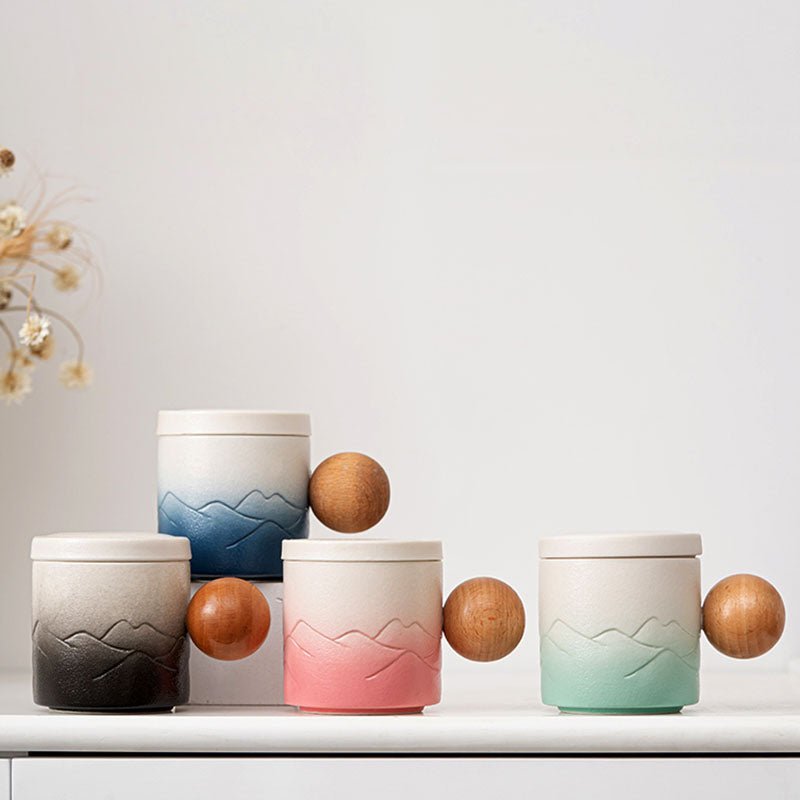
Fireman Coffee Mugs: A Practical Buying Guide for Gifts and Daily Use
Fireman coffee mugs work best when the size, handle, and finish match real daily use. This guide breaks down what to check before buying, especially for gifts, desk coffee, and easier cleanup.
Per saperne di più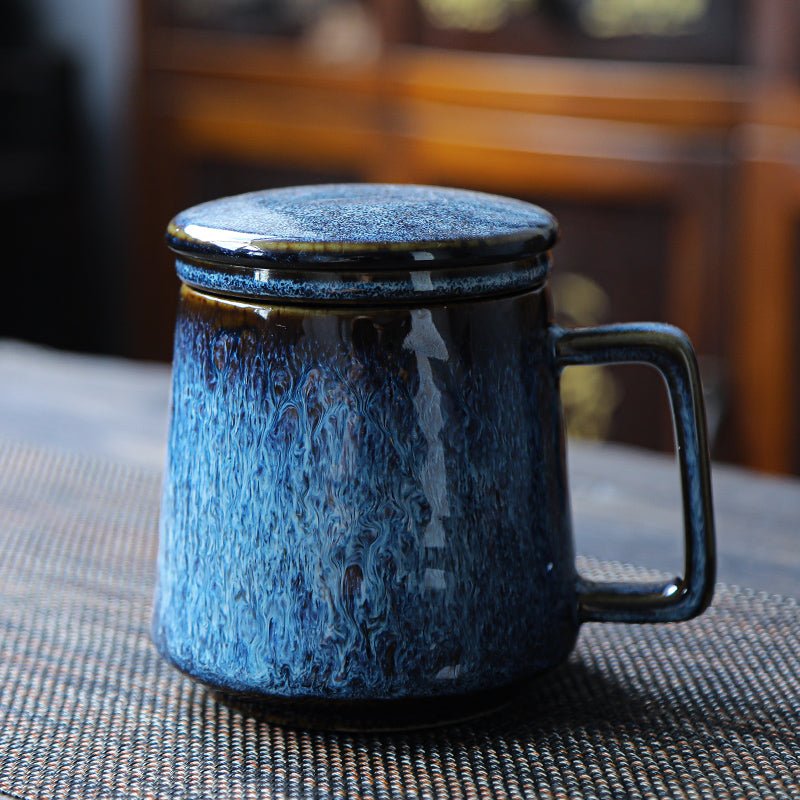
Mid Century Modern Coffee Mugs for Daily Use and Gifting
We compare mid century modern coffee mugs by shape, size, handle feel, and finish so you can pick one that looks right on the counter and still works on busy mornings.
Per saperne di più
Commenta
Questo sito è protetto da hCaptcha e applica le Norme sulla privacy e i Termini di servizio di hCaptcha.