
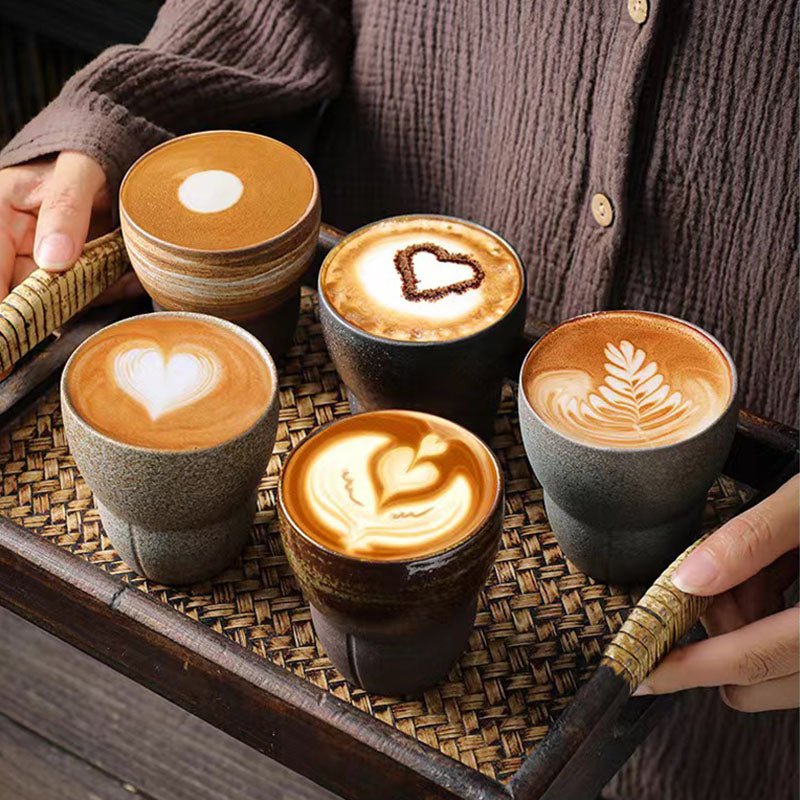
Vintage Coffee Mug Buyer’s Guide: What to Check Before You Buy
Reading time: about 9 minutes
A vintage coffee mug looks effortless on a shelf, but the difference between a mug you enjoy and one you stop using usually shows up in the first week. The rim feels sharp. The handle is cramped. The glaze looks great in photos but chips fast in a busy sink. We see those trade-offs all the time in our store, especially when shoppers want that old-school look without ending up with a fragile display piece.
If you are comparing a vintage coffee mug for daily coffee, desk use, or a gift, the right choice comes down to a few concrete checks: size, material, finish, and care. We’ll walk through what matters, what does not, and where a vintage-inspired mug fits better than a travel mug or oversized diner-style cup. If you want to browse our current options while you read, start with our full collection or jump straight to our products.
What makes a vintage coffee mug feel authentic?
“Vintage” can mean a true older mug, a reproduction, or a mug with retro styling. Those are not the same thing. A real vintage mug may have minor glaze crazing, faded print, or a thinner wall. A modern vintage-style mug usually gives you the look with more consistent sizing and a safer daily-use finish.
In practice, buyers usually want one of three things:
- Old-school shape — a rounder body, a simple handle, and a solid base.
- Retro color or print — earthy browns, cream, muted red, or diner-inspired graphics.
- Everyday usability — a mug that still works on a kitchen counter, office desk, or with a mug warmer.
A mug can look vintage and still be a poor daily pick if the handle is too small or the base feels unstable. We always tell shoppers to check the grip first. If two fingers feel pinched in the handle, that mug gets annoying fast, especially with a full pour of hot coffee.
For readers who want a broader buying framework, our guide on Awesome Coffee Mugs: How to Choose a Mug You’ll Actually Use covers the everyday details that matter beyond style.
Which size works best for a vintage coffee mug?
Size changes how the mug feels in hand and how useful it is at home or at work. A vintage coffee mug is often offered in classic coffee sizes, but the “best” size depends on how you actually drink.
| Size | Best for | What to watch for |
|---|---|---|
| 8 oz | Short black coffee, espresso-based drinks with less milk, smaller servings | Can feel too small for long morning use; may cool faster |
| 12 oz to 14 oz | Everyday drip coffee, tea, balanced desk use | Usually the easiest size to handle comfortably |
| 20 oz | Large pours, people who want fewer refills, long office sessions | Can be heavy when full; not ideal if you prefer a lighter cup |
We often suggest starting with your actual pour size, not the style you think you should buy. A mug that looks charming on a shelf may be awkward if you routinely drink 12 ounces and the cup holds 8. On the other hand, a 20 oz mug can feel oversized if you only want a small morning coffee.
If you are still deciding between smaller and larger cups, our posts on 8 oz Coffee Mug: What to Check Before You Buy and 20 oz Coffee Mug: What to Check Before You Buy are useful side-by-side reads.
What materials hold up best for daily use?
Most vintage coffee mug styles today are ceramic, stoneware, or porcelain. Each one has a different feel, weight, and care profile.
- Ceramic is the most common. It is usually comfortable, easy to source, and good for everyday coffee. The trade-off is that thinner ceramic can chip if it gets knocked in the sink.
- Stoneware feels heavier and more substantial. It often fits the vintage look well, but that extra thickness can make the mug feel bulkier in hand.
- Porcelain is smoother and usually lighter. It can look elegant, but some shoppers find it less cozy or less “retro” than stoneware.
There is no single best material for everyone. If your mug lives on a desk and gets hand-washed carefully, porcelain or a lighter ceramic can be a good fit. If it sits on a kitchen counter and gets used by different people all day, a thicker ceramic or stoneware mug tends to feel more forgiving.
Real-world note from our experience: the most common complaints we hear are not about style. They are about a mug that feels too thin at the rim, wobbles on the table, or shows hairline glaze marks sooner than expected. That is why we pay attention to wall thickness and base stability, not just the printed design.
How do you tell a good mug from one that only looks good online?
Photos can hide the details that matter. A vintage coffee mug may look perfect from the front, but you do not see the inside glaze, the seam at the handle, or whether the base sits flat until it arrives.
Here is the short checklist we use before we recommend a mug:
- Check the rim. A smooth rim should feel comfortable on the lips. A rough or uneven finish is a bad sign for daily drinking.
- Look at the handle join. Clean handle attachment points usually hold up better than sloppy joins with visible bumps or gaps.
- Examine the base. A flat, stable base matters on counters, desks, and mug warmers.
- Read the care notes. If a mug needs hand washing only, know that before you buy. That is fine for some people and a deal-breaker for others.
- Inspect the interior glaze. A good mug should be easy to rinse and should not feel gritty inside.
Small defects are common in handmade or vintage-style pieces, and some shoppers actually like those signs of character. The trade-off is consistency. If you want every mug in a set to match perfectly, a more standardized modern mug is usually the safer choice. If you want charm and slight variation, vintage styling makes more sense.
Is a vintage coffee mug good for the dishwasher and microwave?
Sometimes yes, sometimes no. This depends on the exact finish, decoration, and construction. A plain ceramic or stoneware mug is often easier to care for than a mug with metallic trim, raised decals, or delicate vintage-style printing.
We recommend treating any mug with decorative detail carefully unless the listing clearly says it is dishwasher-safe and microwave-safe. Even then, repeated dishwasher cycles can dull a glossy glaze over time, and microwave use may not suit every printed or accented finish.
For shoppers who want a mug they can rotate through daily without much fuss, a simpler ceramic mug is the safer pick. For a display-forward vintage coffee mug, hand washing may be the better routine. That is a fair trade if the look matters more than convenience.
Quick rule from our store: if the mug has metallic accents, a delicate decal, or a visibly uneven antique finish, treat it as more decorative unless care instructions clearly say otherwise.
What vintage mug style fits your space: kitchen, office, or gift?
The best-looking mug is not always the best buy. Context matters. A vintage coffee mug that feels perfect on a breakfast tray may not be the right pick for a shared office kitchen.
- Kitchen counter use: Choose a stable mug with a comfortable handle and a finish that cleans easily. This is the most practical setting for everyday ceramic or stoneware.
- Desk use: A slightly smaller mug can work better near a keyboard, especially if you use a mug warmer. Our article on Best Coffee Mug Warmer: What to Buy for Desk, Home, or Office Use is helpful if you keep coffee at your desk for a while.
- Gift use: Presentation matters. A vintage look feels thoughtful, but make sure the mug is practical enough that the recipient will actually use it, not just keep it on a shelf.
A mug can also be the wrong choice for some routines. If you commute, pack lunch daily, or want spill resistance, a classic ceramic vintage coffee mug is not the best option. In that case, a travel-ready cup may fit better than a retro-style open mug. Our guide on Best Coffee Togo Mug: What to Check Before You Buy covers that comparison.
What should you watch for if you want a vintage look without the usual drawbacks?
We like vintage style, but we are honest about the limits. A mug with more character can also mean more maintenance. If you want the look without the usual headaches, focus on the features that improve daily use.
- Choose a smooth, easy-to-clean glaze. Coffee stains show up faster on matte interiors and textured surfaces.
- Prefer a comfortable handle opening. If the mug is meant for repeated use, the handle should not force your fingers into an awkward grip.
- Pick a balanced weight. Heavier stoneware feels sturdy, but too much weight makes a full mug tiring to hold.
- Check for a flat, level base. This matters on slippery counters and desk surfaces.
- Look for vintage styling, not fragile construction. Old-school design is the goal; fragile performance is not.
Our store approach is simple: the mug should earn its place in a kitchen cabinet. If it only looks good in a product photo, it is not the right recommendation for most shoppers.
Frequently asked questions
Is a vintage coffee mug good for everyday use?
Yes, if it has a comfortable handle, a smooth rim, and a finish that is easy to clean. We would not choose a delicate display mug for daily coffee, but a well-made ceramic or stoneware version can work very well on a kitchen counter or office desk.
What size vintage coffee mug should I buy for drip coffee?
Most drip coffee drinkers are happy around 12 oz to 14 oz. That size gives you room without feeling oversized, and it is usually easier to hold than a very large mug. If you only drink a small serving, an 8 oz mug may be the better fit.
Are vintage coffee mugs dishwasher safe?
Some are, and some are not. Plain ceramic or stoneware mugs are often easier to clean in the dishwasher, but decorative prints, metallic accents, or handmade finishes may need hand washing. Always check the care notes before you buy.
What is the difference between vintage and vintage-style?
Vintage usually refers to an older original mug. Vintage-style means a newer mug made to look retro. If you want lower risk and more consistent daily use, vintage-style is often the safer purchase.
Do vintage coffee mugs chip easily?
They can, especially if the glaze is thin or the mug gets banged against sinks, trays, or other dishes. Thicker ceramic and stoneware tend to feel sturdier, but no mug is chip-proof. Careful washing and storage make a bigger difference than most shoppers expect.
What should you compare before you buy one?
If you want a vintage coffee mug that actually gets used, compare the mug the same way we do in our store: by feel, not just by photo. Look at the size you really drink, the material, the handle comfort, and the care instructions. Then decide whether you want a true retro piece or a vintage-inspired mug built for everyday rotation.
If you are still deciding, start with our full collection and compare the details that matter most. A good vintage coffee mug should fit your hand, your routine, and your cleanup habits — not just your shelf.
More from our blog
Read more
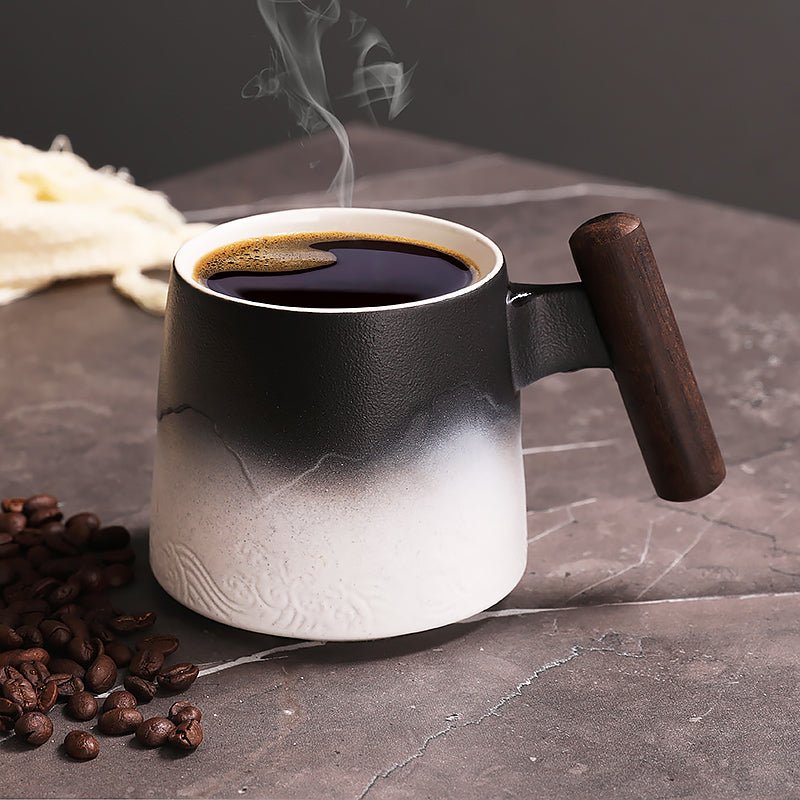
Godzilla Coffee Mug Buying Guide: Sizes, Materials, and Best Uses
A practical guide to choosing a Godzilla coffee mug for daily use, desk display, or gifting. We cover sizes, materials, care, and the trade-offs that matter before you buy.
Per saperne di più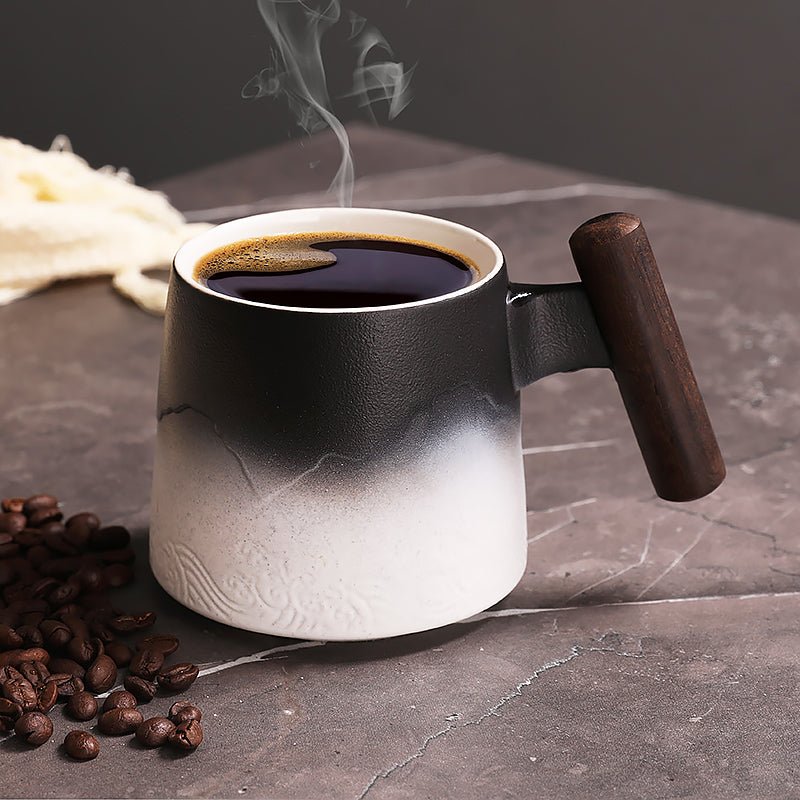
Camping Coffee Mug: What to Buy for Heat, Weight, and Durability
A camping coffee mug has to do more than hold coffee. It needs the right size, a finish that survives packing, and a shape that still feels usable on a cold morning at camp.
Per saperne di più
Commenta
Questo sito è protetto da hCaptcha e applica le Norme sulla privacy e i Termini di servizio di hCaptcha.