
Two Handled Coffee Mug: What to Check Before You Buy
Reading time: about 8 minutes
A two handled coffee mug earns its place the first time you carry a hot drink from the kitchen to a desk without wrapping your fingers around a scorching wall. In our store, we see this style picked for morning coffee, tea, and gift sets because the extra handle changes the way the mug sits in the hand and on the table.
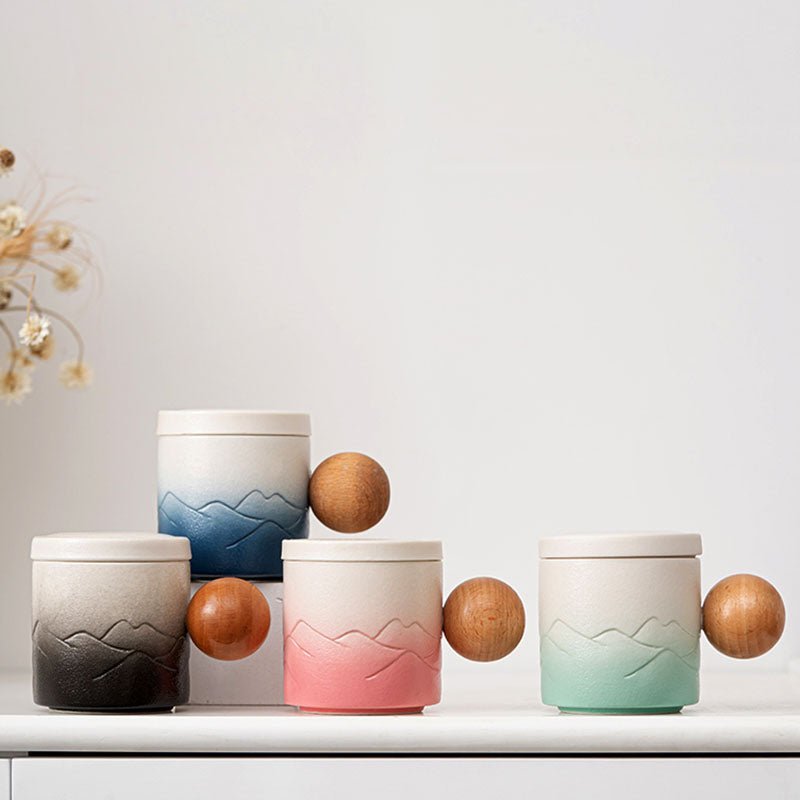
If you are comparing options, start with the actual product page for our Ball Handled Coffee Tea Mug, then browse our broader collection of mugs if you want to compare shapes and sizes side by side. The right choice is less about novelty and more about whether the mug feels stable, fits your cabinet, and holds the amount you actually drink.
What does a two handled coffee mug do better than a standard mug?
The simple answer is balance. Two handles give you more ways to lift and pass the mug, which helps when the drink is full, hot, or being handed across a counter. That can be useful at a breakfast table, on an office desk, or anywhere you do not want to grip a slippery glazed surface with one hand.
It is also a practical choice for people who prefer a more centered hold. Some shoppers like the symmetry; others like having a mug that feels less likely to tip when they carry it with a saucer, tray, or plate. That said, the trade-off is real: two handles add width, take up more shelf space, and are not as easy to slide into a narrow cup holder or tight cabinet stack.
If you are still comparing mug sizes, our related guides on 10 oz Coffee Mug: Size, Fit, and What to Check Before You Buy and 12 Ounce Coffee Mug Buying Guide for Daily Use and Better Fit are useful because size affects comfort as much as the handle design does.
How do you choose the right size without overbuying?
We look at three things first: how much coffee you actually pour, how much space your hand needs around the handles, and where the mug will live between uses. A two handled mug can feel compact in photos and still be awkward on a crowded mug tree or a shallow shelf.
For daily use, the right capacity is usually the one that matches your normal routine without leaving a lot of unused volume. If you drink shorter coffees, smaller pours, or tea, a more modest size often feels better. If you like a larger morning pour, a bigger body can work, but only if the handles leave enough room for a secure grip.
- Choose smaller if you want a lighter mug for quick tea, espresso-based drinks, or gift boxes that should feel refined.
- Choose medium if the mug will live at an office desk or kitchen counter and be used for regular coffee refills.
- Choose larger if you want a roomy mug for long sips, soup, or drinks that stay on the table for a while.
For more size context, our 11 oz Coffee Mug: Size, Fit, and What to Check Before You Buy and 10oz Coffee Mug Buying Guide: Fit, Materials, and Best Uses break down the kind of daily use cases that matter more than the number on the listing.
Which material works best for a two handled mug?
Material changes how the mug feels, how it wears, and how much care it asks for. We handle mugs that get used on kitchen counters, office desks, and in gift boxes, and the material choice is usually the biggest difference shoppers notice after the first few uses.
| Material | What it feels like | What to check |
|---|---|---|
| Ceramic | Common, smooth, easy to live with | Glaze quality, handle join, chip resistance at the rim |
| Stoneware | Heavier and more grounded in the hand | Weight, foot ring stability, dishwasher durability |
| Porcelain | Lighter and often more refined | Thin walls, handle comfort, any sign of hairline cracks |
| Glass | Clean and modern, especially for tea | Thermal shock resistance, handle comfort, care instructions |
There is no single best material. A heavier stoneware mug can feel great on a desk because it sits firmly and does not feel tippy, but it may be less appealing if you want something light for repeated lifting. Porcelain often looks polished, but it is not the right choice if you are rough on dishes or want a mug that can absorb daily knocks without much worry.
Our rule is straightforward: if you plan to use the mug every day, choose the material that matches your habits, not the one that only looks best in a product photo.
Who benefits most from a two handled coffee mug?
This style is especially useful for people who value control over speed. We see it chosen by buyers who want a steadier grip for hot drinks, by gift shoppers who want something a little more distinctive than a basic cylindrical mug, and by anyone who prefers a mug that can be passed across a table without juggling the heat.
It also works well in a few very specific settings:
- Office desks, where a broader base and two-grip design can feel more stable next to a keyboard or notebook.
- Kitchen counters, where the mug may be carried from the kettle to the table with one hand on each side.
- Gift unboxings, where the shape feels a little more considered than a standard promo mug.
- Tea service, especially if the drink stays in one place for a while instead of moving around the house.
It is not the best choice for someone who wants the slimmest mug possible, a travel-friendly profile, or a cup that can fit into a tight stack. If your priority is compact storage, standard straight-sided mugs may be a better fit.
What should you inspect before you buy one?
This is where a lot of purchases go right or wrong. A mug can look fine in a photo and still have issues that show up only when you lift it, wash it, or set it down on a flat surface. We pay attention to the parts that fail in real use, not just the parts that photograph well.
- Check the handle joins. A weak join is one of the first places to show stress, especially after repeated dishwasher cycles or heavy pours.
- Look at the rim and foot ring. A chipped rim is annoying, and a mug that rocks on the counter is even worse.
- Inspect the glaze. Pinholes, rough spots, and uneven finishes can catch on lips or feel less comfortable over time.
- Confirm the care instructions. Dishwasher-safe is useful for daily use, but hand-wash only can be the better call for decorative finishes.
- Check microwave compatibility. Metallic trim or special coatings can change how you should use the mug.
If you want a more detailed buying framework, our 11 oz Coffee Mug: What Buyers Should Check Before They Buy covers the kind of inspection steps we use before putting a mug into our own lineup.
How should you care for it so it lasts longer?
Care is usually simple, but a few habits make a difference. Rinse the mug soon after use if you drink coffee or tea with strong staining agents. If the listing says dishwasher-safe, place it where it will not knock against heavier dishes, because repeated impacts are harder on handles than most shoppers expect.
For hand-wash care, use warm water and a soft sponge, especially around the handle joins where residue can build up. If the mug has any decorative trim, treat that area gently and avoid abrasive pads. Dry it fully before storing if you want to reduce water marks or lingering odor in a closed cabinet.
We also recommend checking the mug after the first few washes. That is when small issues show up: a glaze line you did not notice at unboxing, a handle edge that feels sharper than expected, or a foot ring that is not perfectly even. Those are the details that separate an acceptable mug from one you reach for every morning.
Frequently asked questions
Is a two handled coffee mug better than a regular mug?
It depends on how you use it. A two handled coffee mug usually feels steadier when the drink is hot or full, and it can be easier to pass across a table or carry from kitchen to desk. A regular mug is simpler and often more compact, so it wins if cabinet space or cup-holder fit matters more than extra grip.
What size two handled coffee mug should I buy for daily use?
Start with the amount you actually pour, not the largest size you think you might need. For many shoppers, a mid-range mug is the most practical because it avoids excess weight and storage bulk while still holding a comfortable serving. If you want a deeper comparison, the size-focused guides linked above are a good place to start.
Are two handled mugs safe for the dishwasher and microwave?
Only if the product listing says they are. A plain ceramic or stoneware mug is often dishwasher and microwave friendly, but decorative trim, specialty glazes, or metal accents can change that. We always recommend checking the care notes before assuming both are safe.
Do two handled coffee mugs work for tea or soup?
Yes, if the capacity and shape suit the drink. They are often a comfortable choice for tea because the mug can sit on a table without feeling awkward to lift. For soup, make sure the mouth is wide enough and the mug has enough stability for hot liquid.
What should I check if I am buying one as a gift?
Look for a mug that feels substantial but not bulky, with a finish that is easy to keep clean. Gift buyers should pay attention to handle comfort, overall height, and whether the mug seems likely to fit common shelves or office setups. A thoughtful mug is one the recipient will actually use, not just display.
If you want to compare styles before buying, start with the product page for our Ball Handled Coffee Tea Mug, then scan our full mug collection and match the size, handle shape, and care instructions to your daily routine.
Read more
Key West Coffee Mugs: What to Look For Before You Buy
Key West coffee mugs work best when the shape feels good in hand, the art fits the room, and the size matches how you actually drink. We compare our current styles, the trade-offs, and the details ...
Per saperne di più
Yosemite Coffee Mug Buying Guide: Styles, Fit, and Daily Use
A Yosemite coffee mug should feel good in the hand, hold up to daily washing, and match how you actually drink coffee or tea. Here’s how we compare styles, finishes, and fit before you buy.
Per saperne di più
Commenta
Questo sito è protetto da hCaptcha e applica le Norme sulla privacy e i Termini di servizio di hCaptcha.