
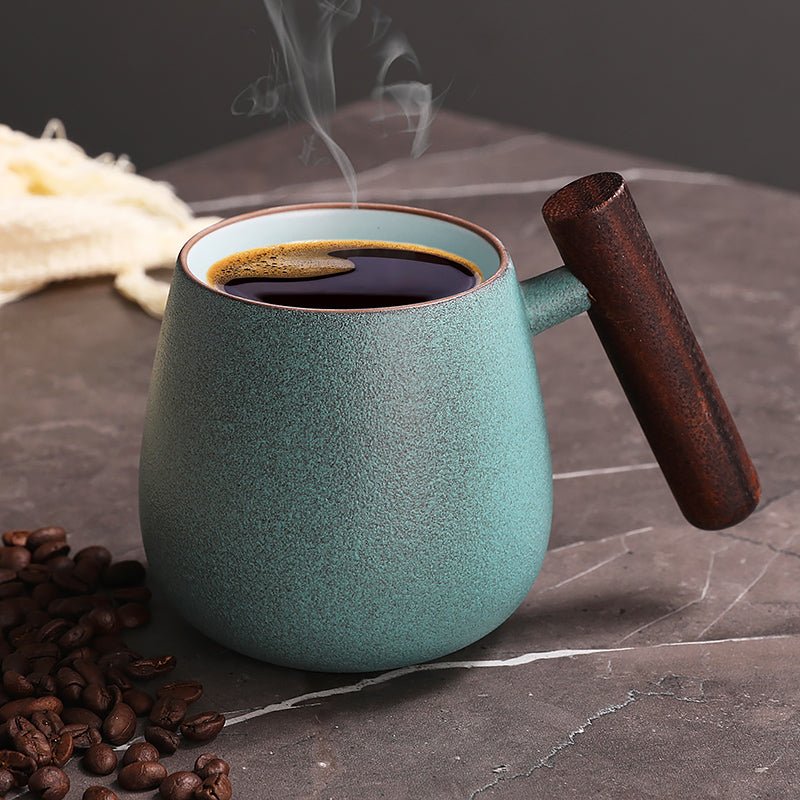
Travel Mug Coffee: What to Check Before You Buy
Reading time: about 9 minutes
A coffee mug that looks good on the kitchen counter can still fail the commute test. We see it all the time: a lid that seeps into a tote bag, a body that feels too slippery in the car, or a cup that tastes fine at first but starts holding yesterday's coffee smell after a few washes.
That is why travel mug coffee shopping is less about the label and more about the details you will actually live with. In our store, we pay attention to the same things shoppers notice after the first week: how the lid closes, whether the mug fits a cup holder, how easy it is to scrub after milk drinks, and whether it still feels pleasant on a desk at 2 p.m.
If you want a broader comparison after this guide, our article on Best Travel Mug for Coffee: What to Check Before You Buy covers the same decision from a slightly different angle, and our Best Insulated Coffee Mug Travel: What to Buy and What to Skip post goes deeper on heat retention trade-offs.
What makes a travel mug coffee setup worth buying?
The best mug is the one that fits your routine without demanding extra effort. A commuter wants a lid that seals cleanly in a moving car. An office buyer wants a mug that can sit on a desk without sweating or staining. Someone buying a gift usually wants a cup that feels good in the hand and is easy to explain, clean, and use.
We usually break the decision into four checks:
- Lid seal: The lid should close consistently every time, not just when you tighten it carefully at home.
- Mouth feel: The drinking opening should be comfortable for coffee, not so small that hot liquids rush out too fast.
- Cleaning access: A lid with removable silicone parts is easier to keep fresh than a sealed lid with hidden corners.
- Everyday fit: The base should work with your car cup holder, desk space, or bag side pocket if those matter to you.
One thing we tell shoppers plainly: a travel mug coffee purchase is not just about insulation. If the lid is annoying, the mug will end up unused even if the body is excellent. That is the most common regret we see after the gift unboxing phase is over and real life starts.
Which material should you choose for your coffee routine?
Material changes the whole experience. It affects weight, taste, durability, cleaning, and how the mug feels against your lips. If you want a quick starting point, browse our current options in the products page and compare them with the broader collection.
| Material | Best for | Trade-offs |
|---|---|---|
| Double-wall stainless steel | Commuting, desk use, long days away from the sink | Can feel more utilitarian and may hold onto flavor if the lid is not cleaned well |
| Ceramic-lined interior | Shoppers sensitive to metallic taste who still want a travel-friendly body | Usually heavier than plain steel and still depends on a good lid for leak resistance |
| Ceramic with lid | Home use, office desks, slow sipping, gift buyers | Less forgiving if dropped and not ideal for tossing into a backpack |
Stainless steel is the practical choice when you care most about durability and easy transport. Ceramic-lined mugs are a better fit if you dislike the taste shift some people notice with bare metal. A full ceramic mug feels closest to a home cup, but it is not the right answer if you are walking across a parking lot, riding a train, or packing a laptop bag.
If ceramic is on your shortlist, the guides on Ceramic Coffee Travel Mug Buying Guide for Everyday Use and Ceramic Travel Coffee Mug with Ceramic Lid: What Buyers Should Know are worth reading before you commit.
What lid details cause the biggest problems?
Most bad travel mug experiences start at the lid, not the cup body. A lid can drip at the sip hole, trap coffee oils in a gasket, or cross-thread if you tighten it in a hurry before leaving the house. We see the same pattern in office returns and kitchen counter testing: the mug itself is fine, but the lid is where the frustration lives.
Here is what to check:
- Threading: The lid should screw on smoothly without feeling like you need to force it. Rough threading is often a sign the seal will not stay consistent over time.
- Gasket design: A removable silicone gasket is easier to wash and less likely to hold old coffee smell than a fixed seal with hidden corners.
- Sip opening: A narrow opening can help with splash control, but it may make the cup feel slow or awkward with milk drinks.
- Venting: A lid that does not vent well can make hot coffee feel too eager at the first sip.
Common defect modes are usually simple but annoying: a warped lid that no longer sits flat, a gasket that flattens after repeated washing, or a slider that starts sticking when coffee residue dries around the edges. None of those problems are glamorous, but they matter more than a polished finish or a nice product photo.
We also suggest thinking about where you drink. A lid optimized for the car is not always the nicest for a desk. If you mostly sip at your desk, a calmer, more controlled opening usually matters more than a fully sealed, travel-first lid.
How do you match the mug to commuting, desk use, or gifting?
The right travel mug coffee choice depends on how the mug will be used on a normal Tuesday, not just on the day you buy it.
- For driving: Prioritize a stable base, a lid you can trust one-handed, and a body that does not fight your cup holder.
- For walking or transit: Choose a secure seal and a shape that slips into a tote or backpack side pocket without catching.
- For office desks: Pick a mug that is easy to set down quietly and easy to open without interrupting work.
- For gifts: Go for a style that is simple to explain and simple to clean, because the best gift is the one the recipient will actually use.
We handle a lot of mugs that look similar on paper but behave differently in real life. A tall, narrow insulated cup can be excellent for commuting, yet awkward on a crowded desk. A wider ceramic-style cup may feel better for slow sipping at home, but it is not the one we would recommend for a backpack or a long walk to the train.
If you want a product-first comparison after this article, start with the products page and then compare against the broader collection. For shoppers still sorting through options, our guide on Best Coffee Travel Mug: What Shoppers Should Check Before Buying is a useful next read.
What should you skip if you want fewer regrets?
There are a few common mistakes we would rather help you avoid.
- Do not buy a heavily insulated mug if you hate hand-washing small lid parts. The cleaning routine matters more than the spec sheet.
- Do not choose ceramic if you regularly drop mugs, pack them tightly, or commute in a bag full of hard items.
- Do not assume a leak-resistant lid is the same as a fully leakproof design. The difference shows up fast inside a tote bag.
- Do not pick a mug that is uncomfortable to drink from just because it keeps coffee warm longer. A mug that annoys you will sit in the cabinet.
We also think it helps to be honest about what travel mugs are not good for. They are not the best choice for delicate coffee rituals where the open cup aroma matters most. They are not ideal for all-day forget-and-leave storage. And they are not a substitute for a proper cup if your main goal is to taste subtle roast notes at home.
That trade-off is normal. A travel mug is a tool, and tools are supposed to solve a specific problem. For most buyers, that problem is keeping coffee portable without turning every sip into a cleanup project.
What is the simplest shortlist for a travel mug coffee buyer?
If you want a fast way to narrow the field, use this checklist before you buy:
- Decide where the mug will spend most of its time: car, desk, bag, or kitchen counter.
- Pick the material based on taste preference and durability, not just appearance.
- Inspect the lid style and make sure it matches your cleanup habits.
- Check whether the shape fits your cup holder, bag pocket, or shelf space.
- Choose the mug you will not mind washing after milk, sweeteners, or flavored coffee.
That is the filter we use in our own store conversations, because it keeps the decision grounded in real use instead of marketing language. If you still need help comparing styles, read Best Travel Coffee Mug: What to Check Before You Buy alongside Best Travel Mug for Coffee: What to Check Before You Buy. Those two articles make it easier to compare the same category from different angles.
For a direct next step, compare the current options in our products page, then open the collection if you want to broaden the comparison before choosing.
Frequently asked questions
What size travel mug is best for daily coffee?
The best size is the one you will finish before the coffee gets dull or the mug becomes awkward to carry. For many buyers, a mid-size mug is easier to use than an oversized one because it fits cup holders, shelves, and bags more naturally. If you usually drink one cup and move on, do not oversize just to chase capacity.
Is stainless steel or ceramic better for coffee taste?
Ceramic usually feels closest to drinking from a home cup, while stainless steel is the better practical choice for commuting and durability. If you are sensitive to any metallic note, ceramic-lined designs are worth considering. The right answer depends on whether taste purity or portability matters more in your routine.
Can I put a travel mug in the dishwasher?
Some mugs and lids can handle the dishwasher, but not all of them should go through repeated high-heat cycles. We recommend checking the care instructions for both the body and the lid, because the seal is often the first part to wear. If the lid has a removable gasket, washing it separately is usually the safer habit.
Why does my travel mug coffee cool down faster than expected?
Heat loss usually comes from the lid, frequent opening, or a mug that was not pre-warmed before use. A wide drinking opening can also release heat faster than a tighter lid design. If you mainly sip slowly at a desk, you may want a different style than someone who drinks coffee on the move.
Is a ceramic travel mug good for commuting?
It can work for short, careful trips, but ceramic is not the most forgiving option for bags, bumps, or drops. We would usually recommend ceramic for desk use, kitchen use, or gifting, not for rough commutes. If portability is your top priority, a stainless steel option is the safer buy.
More from our blog
Read more
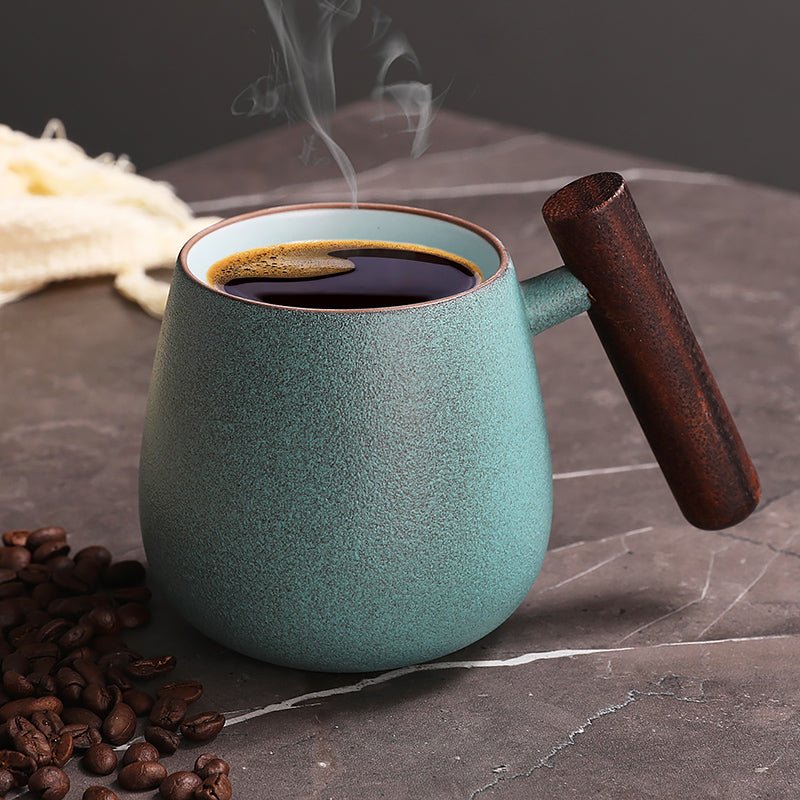
Spill Proof Coffee Travel Mug: What to Check Before You Buy
A practical guide to choosing a spill proof coffee travel mug based on lid design, materials, size, and cleaning. Built for shoppers who want fewer messes and fewer surprises after the first commute.
Per saperne di più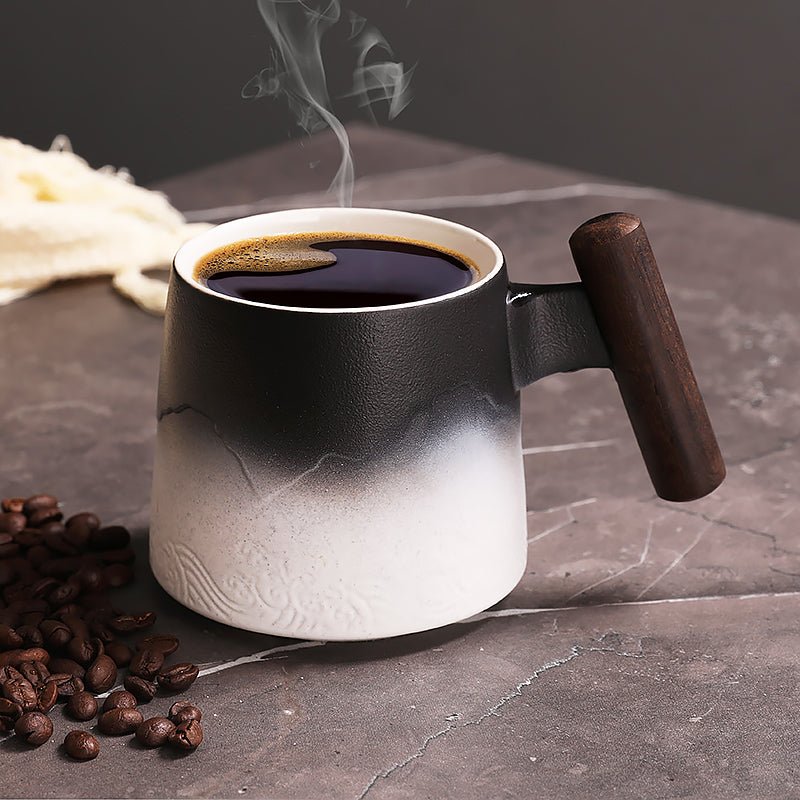
Best Thermal Insulated Coffee Mug: What to Buy Before You Order
A practical guide from our store to the best thermal insulated coffee mug for desk use, commuting, and gifting. We break down materials, lid design, sizes, and the trade-offs that matter before you...
Per saperne di più
Commenta
Questo sito è protetto da hCaptcha e applica le Norme sulla privacy e i Termini di servizio di hCaptcha.