
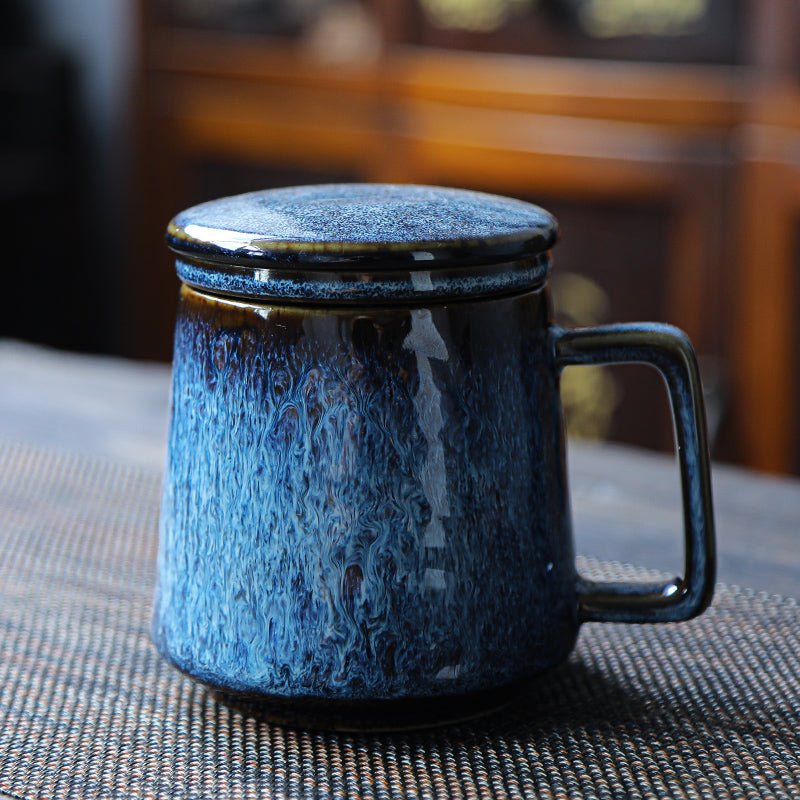
Travel Coffee Mugs: Leak-Resistant Picks for Daily Commuting
Reading time: about 11 minutes
A travel mug that looks solid on the shelf can still fail by 8:15 a.m. The lid drips into a tote, the base does not sit right in the car cup holder, or the coffee tastes stale before the first meeting.
We see those problems often in our store. The best travel coffee mugs are not just about keeping coffee hot. They are about the lid seal, the body shape, the material on the inside, and how much cleanup you are willing to do at the end of the day. If you are comparing options now, start with our products page, then narrow your shortlist from there with the details below.
What do travel coffee mugs need to do well on a real commute?
The category sounds simple until you use the mug outside the kitchen. A good travel mug has to survive bag movement, stop-and-go traffic, desk clutter, and the occasional rush out the door. That means it needs to balance four things at once: leak control, heat retention, easy drinking, and fit.
In our experience, buyers are usually happiest when they stop chasing one perfect feature and accept a practical trade-off. A mug that seals tightly may drink a little slower. A mug that feels great in the hand may not fit every cup holder. That is normal. The problem is buying a mug that does one thing well and fails at the rest.
- Leak control: A secure lid with a tight gasket matters more than a flashy finish.
- Heat retention: Double-wall construction usually outperforms a single-wall body for a commute.
- Comfort: The mug should feel steady in the hand and not force an awkward sip.
- Fit: A commuter mug should sit safely in a car cup holder and still clear a coffee machine or desk shelf.
If your routine is mostly office-based, you may not need the most rugged travel mug on the market. If you throw the mug into a backpack next to a charger and notebook, you do. That difference changes what matters.
Which materials are best for travel coffee mugs?
Material affects taste, weight, durability, and cleanup. We usually narrow the category to stainless steel, ceramic, and lighter plastic or polymer builds. Each one has a place, but they are not interchangeable.
| Material | Best for | Trade-off |
|---|---|---|
| Stainless steel | Daily commuting, longer warmth, rough handling | Can feel heavier and less like a traditional cup |
| Ceramic | Desk use, taste-focused drinkers, slower mornings | More fragile and usually not ideal for bags or car travel |
| Plastic or polymer | Lightweight carry and casual use | Often weaker heat retention and more prone to holding odors |
For most buyers, stainless steel is the most practical choice. The version we prefer for everyday use is double-wall stainless steel with an insulated gap between the walls. That construction helps reduce heat loss and keeps the outside more comfortable to hold. It also holds up better when a mug gets bumped against a desk, dropped into a sink, or packed too fast.
Ceramic still has a place. It preserves a familiar drinking feel and can be a better match for people who mostly sit at a desk. But ceramic is the wrong choice if the mug will travel in a tote, roll around in a car, or be used by someone who tends to rush. If you want a more classic cup feel and are not commuting with it, ceramic may be the better purchase. If you want portability first, it usually is not.
Another detail that matters is the interior finish. A smooth interior is easier to rinse and is less likely to hang onto old coffee smell than a textured or poorly coated interior. That matters if you switch between dark roast, iced coffee, and tea during the week.
What size works best for your day?
Size is where a lot of buyers overbuy. A larger mug feels safer because it holds more coffee, but in real life it can become bulky, heavy, and harder to store. A smaller mug is easier to carry, but it can mean a refill before lunch.
We usually think about size in terms of use case, not just volume:
- Compact daily carry: Best for short drives, espresso drinks, and people who want the mug to disappear into a bag side pocket.
- Standard commuter size: The best balance for most office commutes, school runs, and coffee runs between meetings.
- Large travel size: Better for long drives, field work, or mornings where one fill needs to last a long stretch.
The right answer often comes down to how you actually drink coffee. If you finish a cup in ten minutes at your desk, a huge vessel is unnecessary. If you are on the road for two hours, you will feel the limits of a small mug fast. We tell customers to match the mug to the route, not the ideal version of the route.
There is also a physical fit issue that gets missed online. A mug can have the right capacity and still fail if the base is too wide for a car cup holder or the body is too tall for the place you store it. If you want to compare broader mug formats before deciding on travel, our all products collection is a good place to compare shapes side by side.
Which lid details actually matter most?
The lid is usually where a travel mug succeeds or fails. A body can be well insulated and still be frustrating if the lid leaks at the vent, splashes when you sip, or traps coffee under the seal.
When we handle travel coffee mugs in our store, we look for a few specific details:
- Silicone gasket: A fitted gasket helps the lid seat properly and reduces seepage around the edge.
- Positive closure: A slider or flip top should feel secure, not loose or flimsy.
- Simple disassembly: If the lid can be taken apart enough to rinse underneath the seal, cleanup is easier.
- Drinking flow: The opening should pour or sip cleanly without forcing a cramped, awkward angle.
There is a trade-off here that shoppers should understand. A lid that is the most spill-resistant is often not the nicest to drink from while walking. A lid that feels open and comfortable may not be the safest choice in a packed bag. We do not think every mug should pretend to solve both problems perfectly. It rarely does.
We prefer to be direct about the compromise: if your coffee rides in a tote with a laptop, leak resistance comes first. If the mug stays on a desk and only moves between refills, drinking comfort can matter more.
Another small but real issue is the vent path. Some lids have a tiny vent that prevents glugging but can also collect residue over time. If that vent is hard to clean, the mug can start tasting off after a few uses. That is not a defect you see in a product photo, but it is one you notice in week three.
How should you clean and maintain a travel mug?
Cleanup is where a lot of good mugs lose their appeal. A travel mug that is easy to carry but annoying to clean tends to get left in the sink, and then it stops being the mug you reach for.
Before buying, check these care points:
- Can the lid be fully rinsed? Hidden corners and trapped channels are where residue builds up.
- Does the gasket come out? A removable seal is easier to wash and dry properly.
- Is it dishwasher-safe? Some mugs are dishwasher-safe on the body, but the lid still needs hand washing.
- Does it dry quickly? Stale moisture can lead to odor, especially if you drink milk-based coffee.
In real use, the lid usually needs more attention than the body. We recommend opening every moving part after washing so water does not sit under a gasket or in a vent. That is where coffee smell begins. A mug with fewer moving parts is usually easier to keep in regular rotation, even if it is slightly less flexible.
One common defect mode we watch for is a lid that looks sealed but does not sit evenly after repeated use. Another is a finish that starts to chip around the rim if the mug is knocked against metal or stacked carelessly in a sink. Those are not glamorous details, but they matter if you want the mug to stay presentable after a few months of real life.
Which travel coffee mugs are not the right fit?
Not every shopper should buy a travel mug first. Some people will be happier with a standard mug, a desk cup, or a more decorative piece that does not need a sealed lid.
Travel coffee mugs are usually the wrong choice if you:
- Drink coffee at home and never carry it out the door.
- Want an open cup feel and dislike lids on your coffee.
- Need a wide opening for soup, smoothies, or mixed drinks.
- Do not want to clean gasket parts, vents, or slider inserts.
If that sounds familiar, a more traditional mug may be the better purchase. We keep that perspective in mind because not every customer needs maximum spill resistance. Some want a better desk cup, a gift that feels personal, or a mug they only use in the kitchen. For those cases, our products page is still a useful starting point, but the right format may not be the travel style at all.
There is also a comfort trade-off. Travel mugs are built for motion, so they often have narrower openings, tighter lids, and more technical hardware than a simple ceramic mug. That is useful on the road. It is less pleasant when you are sitting at home and want a relaxed coffee experience.
How do you compare travel coffee mugs before buying?
We suggest comparing a few practical points in the same order every time. That keeps the decision grounded and prevents you from getting distracted by color or marketing language.
- Check the lid seal and whether it uses a gasket or other sealing system.
- Look at the body material and decide if stainless steel, ceramic, or polymer fits your routine.
- Confirm the size against your cup holder, bag, and daily coffee amount.
- Review cleanup rules, especially for the lid and any removable parts.
- Decide where the mug will spend most of its time: car, office, kitchen, or bag.
That last step matters more than most people expect. A mug used mostly at a desk can prioritize drink comfort. A mug that lives in a commuter bag needs better sealing and a simpler exterior. If you treat those as different purchases, the choice gets easier.
In our store, we think the strongest option is the one that fits the least glamorous part of your routine: the early-morning rush, the crowded desk, the rushed cleanup, the uneven cup holder, or the bag that gets tossed onto the passenger seat. That is the reality travel mugs have to survive.
Frequently asked questions
What is the best material for travel coffee mugs?
For most buyers, stainless steel is the most practical material because it is durable and usually offers the best insulation. Ceramic is a better fit for desk use and a more traditional drinking feel, but it is not ideal for bags or rough commutes. Plastic or polymer mugs are lighter, but they often give up heat retention and can hold onto odors more easily.
How do I know if a travel mug will fit my car cup holder?
Check the base diameter before you buy and compare it with the size of your cup holder opening. A mug can have the right capacity and still be too wide at the bottom or too tall to sit securely. If you use your mug in the car every day, fit should be one of your first checks, not the last.
Are travel coffee mugs dishwasher-safe?
Some are, but the body and lid often have different care instructions. Even when the mug body can go in the dishwasher, the lid may still need hand washing because of gaskets, vents, or slider parts. When the instructions are unclear, hand washing the lid is the safer choice.
Why does my travel mug make coffee taste stale?
That usually comes from leftover residue, trapped moisture, or odor in the lid and gasket. Coffee oils, milk, and flavored syrups can cling to hidden areas if the mug is not cleaned and dried well. A simpler lid with fewer small channels is usually easier to keep tasting fresh.
Do I need a leak-proof mug if I only have a short commute?
Yes, if the mug goes into a bag or gets moved around in the car. Even a short commute can expose a weak lid or loose seal. If the mug stays in your hand the whole time and goes straight to a desk, a less aggressive lid may be fine.
If you are ready to compare options, use this order: lid first, size second, material third, and cleanup last. Then browse our all products collection to find the travel coffee mugs that match the way you actually drink coffee.
More from our blog
Read more
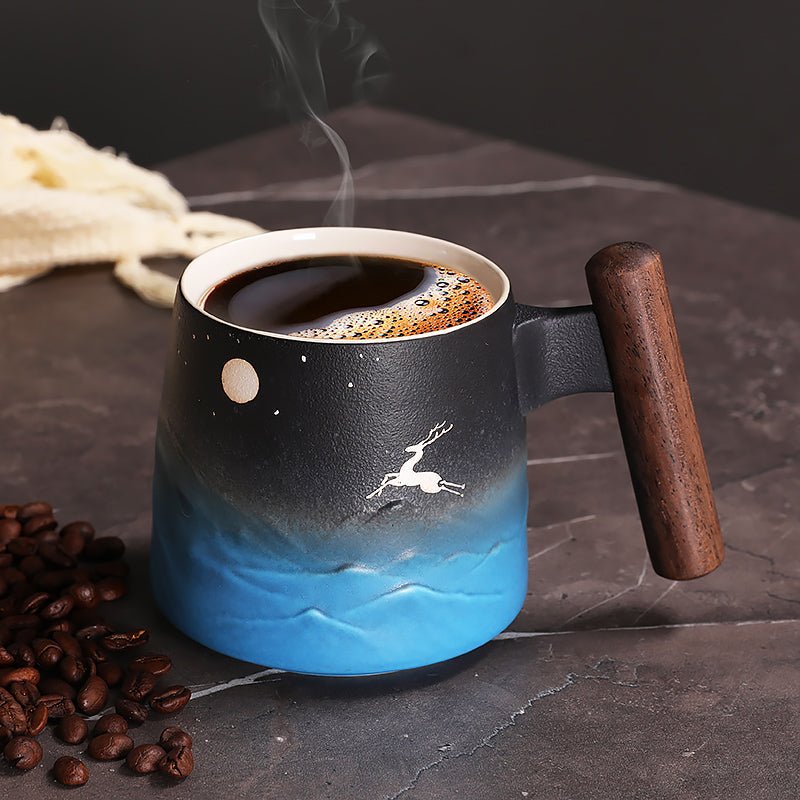
Insulated Coffee Mugs: How to Choose Heat, Lid, and Size
We break down insulated coffee mugs by the details that matter at the counter and on the commute: body material, lid design, size, cleaning, and where each style falls short.
Per saperne di più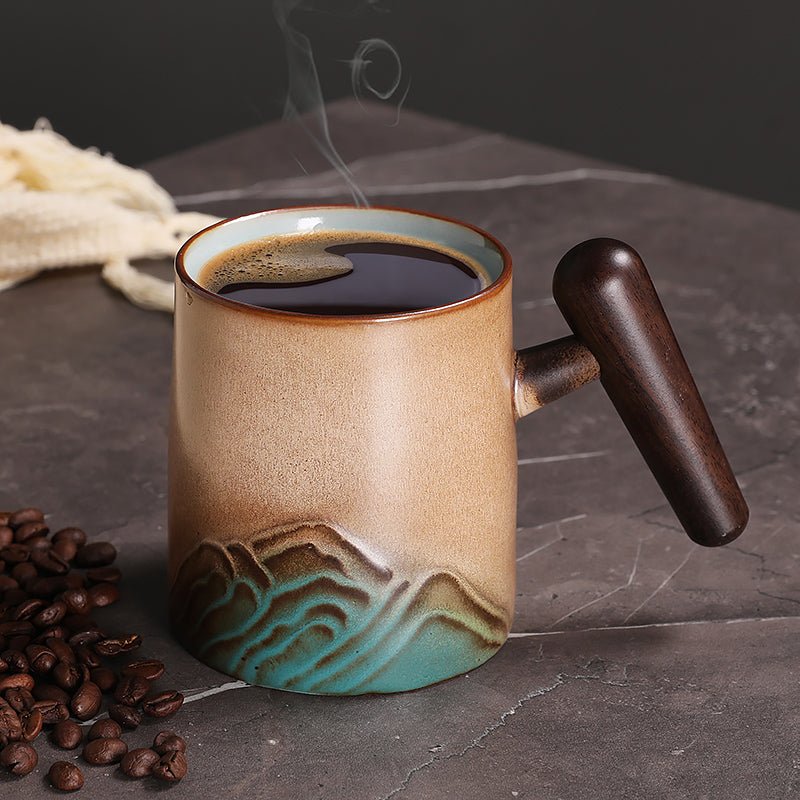
Funny Coffee Mugs: How to Choose One That Actually Gets Used
A practical guide to funny coffee mugs that work as gifts, desk mugs, and everyday favorites. We break down materials, sizes, print types, and the trade-offs that matter before you buy.
Per saperne di più
Commenta
Questo sito è protetto da hCaptcha e applica le Norme sulla privacy e i Termini di servizio di hCaptcha.