
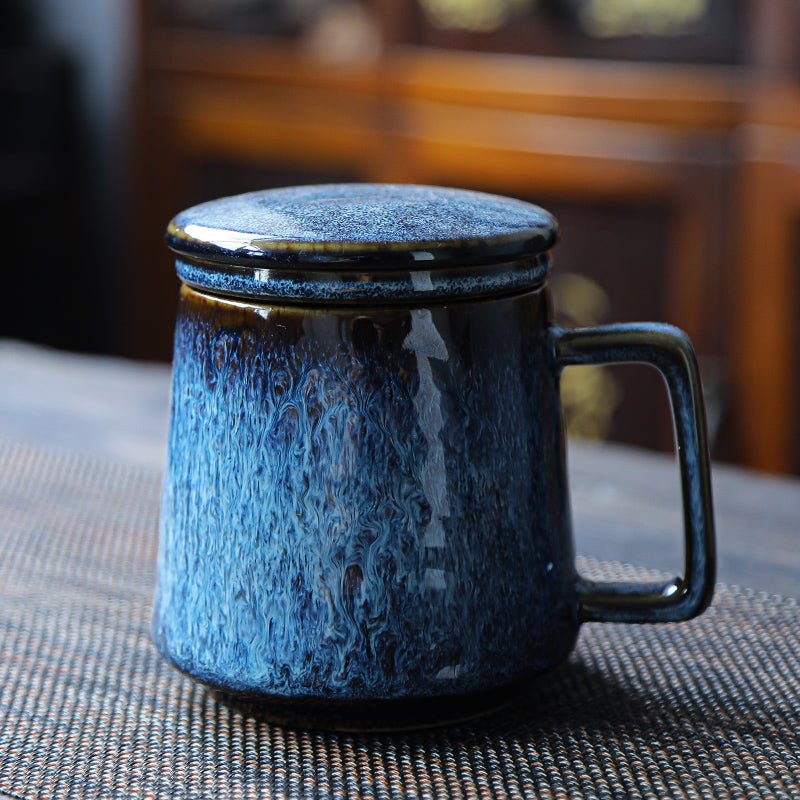
To Go Coffee Mug Buying Guide: What to Check Before You Order
Reading time: about 10 minutes
A coffee mug that leaks in a tote bag gets noticed fast. So does a mug that feels too bulky in a car cup holder, or one that cools off before you reach the office. That is usually the difference between a mug people keep using and one that sits in a cabinet after the first week.
We handle drinkware for shoppers who want a to go coffee mug that works in real life, not just on a product page. In our store, the best choice usually comes down to a few practical details: lid seal, wall construction, capacity, and how the mug feels in a hand that is also carrying keys, a bag, or a laptop.
If you want a broader checklist before narrowing down a style, our Coffee Go Mug Buying Guide: What to Check Before You Order covers the basics. For shoppers comparing sizes and fit first, our 10 oz Coffee Mug: Size, Fit, and What to Check Before You Buy and 12 Ounce Coffee Mug Buying Guide: Size, Fit, and Best Uses articles are useful next reads.
What should a to go coffee mug do well?
A good travel mug has a simple job: keep coffee contained, comfortable to carry, and pleasant to drink from. That sounds basic, but in practice it means the lid has to seat correctly, the body should fit your routine, and the finish should survive daily use on a desk, in a car, and in a dishwasher cycle if it is labeled dishwasher-safe.
We usually tell shoppers to judge a to go coffee mug by these everyday tests:
- Lid security: it should close firmly and not wobble when you tilt the mug carefully over a sink.
- Grip: the mug should feel stable with one hand, especially if you commute or walk between meetings.
- Fit: if you use a car cup holder, check the base diameter before ordering.
- Drink comfort: the sip opening should be easy to use without dripping down the side.
- Cleaning: a wide enough opening makes it easier to reach the bottom and avoid coffee residue.
We have seen buyers focus only on style and then return to us asking why their “travel” mug was awkward on a commute. The design matters, but daily use matters more.
Which material works best for daily use?
Material changes the feel, weight, heat retention, and care routine of a to go coffee mug. There is no single best option for everyone. A stainless steel mug is often the most practical for commuting. Ceramic can be a better fit for desk use. Plastic or acrylic bodies can be lighter, but they usually give up some heat control and a more substantial feel.
Stainless steel
Stainless steel is the most common choice for a reason. It is durable, takes bumps better than ceramic, and is usually the easiest option for commuters. Double-wall construction is the detail shoppers should look for if they want better temperature retention, though the exact performance depends on the lid and overall build. The trade-off is that steel mugs can feel less like a “coffee cup” and more like a utility item.
Ceramic
Ceramic gives coffee a familiar mug feel, which many office shoppers prefer. It tends to taste neutral and looks at home on a kitchen counter or desk. The downside is obvious: ceramic chips, cracks, and can be less forgiving if it gets knocked into a sink or packed carelessly into a bag. It is not the best choice if the mug is going to live in a backpack.
Plastic or lightweight composite
These options are usually lighter and easier to carry. They can work well for short trips or people who want a low-weight mug for occasional use. The limitation is that they may not insulate as well, and some shoppers prefer the sturdier feel of steel or ceramic. If your main concern is long hot coffee on a commute, this is usually not our first recommendation.
For shoppers comparing daily-use styles, our Go Coffee Mugs: How to Choose the Right Travel Mug for Daily Use article breaks down the trade-offs in more detail.
How do lid style and seal affect leaks?
The lid is where many mugs fail. A mug can look solid and still leak at the sip opening, around the gasket, or when the lid is not pressed down evenly. If you have ever set a mug into a work bag and found a damp notebook later, you already know why this matters.
In our experience, the most reliable lid is the one that is simple to use and easy to clean. Fancy mechanisms are not always better. Small sliding covers, twist lids, and press-fit tops each have their own strengths and weaknesses.
- Snap or press-fit lids: quick to use, but only dependable if they seat tightly every time.
- Twist lids: usually feel more secure, but they add a step and can be slower during a commute.
- Sliding sip lids: convenient at a desk, though the opening can trap dried coffee if not cleaned regularly.
Look closely at the lid edge and seal. A loose fit is a common defect mode in this category, along with warped plastic around the drinking port and gaskets that do not sit evenly after washing. If a mug is sold as dishwasher-safe, we still recommend checking whether the lid has parts that should be hand-washed, because tiny seals and vent pieces can collect residue.
If you want a deeper pre-purchase checklist, our Coffee Mug to Go: What to Check Before You Buy article is a good companion read.
What size to go coffee mug fits most routines?
Size is one of the easiest details to get wrong. Too small, and you are refilling before the morning is over. Too large, and the mug becomes bulky in the hand, heavy in a bag, and awkward in a car cup holder.
Here is the way we usually break it down in our store:
| Typical size | Best for | Trade-off |
|---|---|---|
| 10 oz | Short commutes, espresso-based drinks, lighter carry | Not ideal if you want a full large coffee for a long morning |
| 11 oz | Standard daily coffee, desk use, gift buyers | May still feel small for long drives or heavy coffee drinkers |
| 12 oz | Most everyday routines, office use, balanced capacity | Slightly larger footprint than smaller cups |
If you are choosing a mug for yourself, think about the amount you actually drink before the first refill, not the amount you wish you drank. If you are buying as a gift, 11 oz and 12 oz often feel safe because they suit a wider range of routines. For a more size-focused comparison, our 11 oz Coffee Mug: Size, Fit, and What to Check Before You Buy and 12 oz Coffee Mug: What to Check Before Buying guides help narrow it down.
What features matter for office, car, and commuting use?
The best to go coffee mug for an office desk is not always the best one for a car cup holder. That is where practical trade-offs matter.
For the office desk
Look for a mug that sits steady, does not sweat onto papers, and is easy to open one-handed. A ceramic or steel body can work well here. If you use a shared office kitchen, a wide opening is helpful because it rinses clean quickly and does not leave a strong coffee smell behind.
For the car
Base width matters more than many shoppers expect. A mug that is a little too wide may tip, rattle, or be hard to set down safely while parked. A secure lid and a shape that narrows toward the bottom are practical advantages. We would rather recommend a slightly smaller mug that fits correctly than a larger one that becomes annoying every morning.
For commuting on foot or public transit
Weight and seal become the priorities. A heavy mug in a backpack is noticeable. A loose lid is worse. If you carry your drink through crowded spaces, choose a model that closes reliably and does not require a lot of fiddling while walking.
For shoppers comparing all available styles, our collection of all CoffeifyMug products is the easiest place to scan the current lineup and see which styles match your routine.
How do you clean and care for a travel mug?
Cleaning routine is where many good mugs lose favor. Coffee oils build up fast, especially around lids, gaskets, and sip openings. If a mug is annoying to clean, people stop using it consistently.
Our practical care tips:
- Rinse the mug soon after use so coffee does not dry on the inside.
- Separate any removable lid parts, gaskets, or seals before washing if the design allows it.
- Use a soft brush or sponge to reach the bottom and the inside of the lid.
- Let all parts dry fully before reassembling to avoid trapped moisture.
- If the finish is decorative, avoid abrasive scrubbers that can dull the surface.
Dishwasher-safe does not mean every part should be treated the same way. Some bodies handle machine washing well, while lid components may last longer with hand washing. That trade-off is worth considering if you want a mug that still feels clean after repeated use.
What are the common mistakes shoppers make before buying?
We see the same missed details over and over. None of them are dramatic on their own, but they add up.
- Buying by appearance only: a pretty mug that leaks or does not fit a cup holder will get used less.
- Ignoring lid design: the lid is often the weak point, not the body.
- Choosing a size that is too large: bigger is not always better if you commute with the mug in hand.
- Forgetting cleaning time: complicated lids take longer to wash and dry.
- Assuming all travel mugs insulate equally: wall construction and lid quality make a real difference.
Another common issue is buying a mug that is great for home but not for the routine you actually have. A ceramic mug can be excellent on a desk. It is not the best choice for a backpack or a long walk to work. That is the kind of limitation we prefer to say out loud before anyone orders.
What should you check before clicking buy?
Before you choose a to go coffee mug, run through this short checklist:
- Does the lid close securely and feel easy to open?
- Does the size fit your coffee habit and your bag or cup holder?
- Is the material right for your commute, office, or home use?
- Will the mug be easy to wash every day?
- Is the shape comfortable to carry for more than a few minutes?
If you want one clear next step, start with the product lineup on our products page and compare the mug style against your daily routine. If you are still deciding, our related guides on Mug to Go Coffee: What to Check Before You Buy a Travel Mug and Go Coffee Mugs: How to Choose the Right Travel Mug for Daily Use can help you narrow the choice without overbuying features you do not need.
A mug that works well on the first morning and the fiftieth is usually the one with the simplest design, the most dependable lid, and the size that matches your routine.
Frequently asked questions
What size to go coffee mug is best for daily commuting?
For most commuters, 11 oz or 12 oz is the most practical range. Those sizes usually balance capacity and portability without feeling oversized in the hand or bag. If you only drink a small coffee on the way out the door, 10 oz can be enough.
Are travel mugs dishwasher-safe?
Some are, but not all parts are always treated the same way. The body may be dishwasher-safe while the lid or gasket lasts longer with hand washing. Check the care instructions for the specific mug before washing it repeatedly in a machine.
Which material keeps coffee warm the longest?
Double-wall stainless steel usually performs best for heat retention in everyday use. That said, the lid quality matters almost as much as the body. A great wall construction with a poor lid will still lose heat faster than expected.
Can I use a to go coffee mug for iced coffee too?
Yes, many mugs work well for iced coffee. Stainless steel is a good choice if you want less condensation on the outside. Just make sure the lid is secure enough to prevent spills when the mug sweats or gets moved around.
What is the biggest mistake to avoid when buying a travel mug?
Ignoring the lid and the fit is the biggest mistake we see. A mug that looks good but leaks, rattles in a cup holder, or is hard to clean will quickly become inconvenient. Start with function, then pick the style you actually want to use every day.
If you are ready to compare options, start with our all products collection and use the checklist above to filter out the mugs that do not match your commute, desk setup, or cleaning routine.
Read more
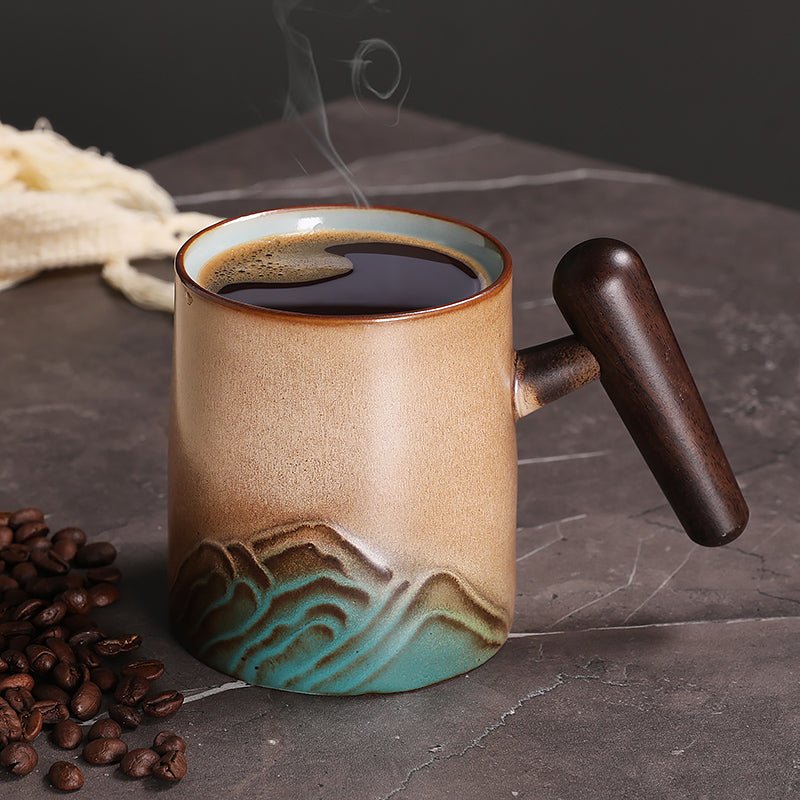
Coffee Mug Oz Guide: How to Choose the Right Size Before You Buy
A practical guide to coffee mug oz sizing, with real-world trade-offs for espresso, drip coffee, tea, office use, and gifting. Compare common mug sizes, fit, and care details before choosing.
Per saperne di più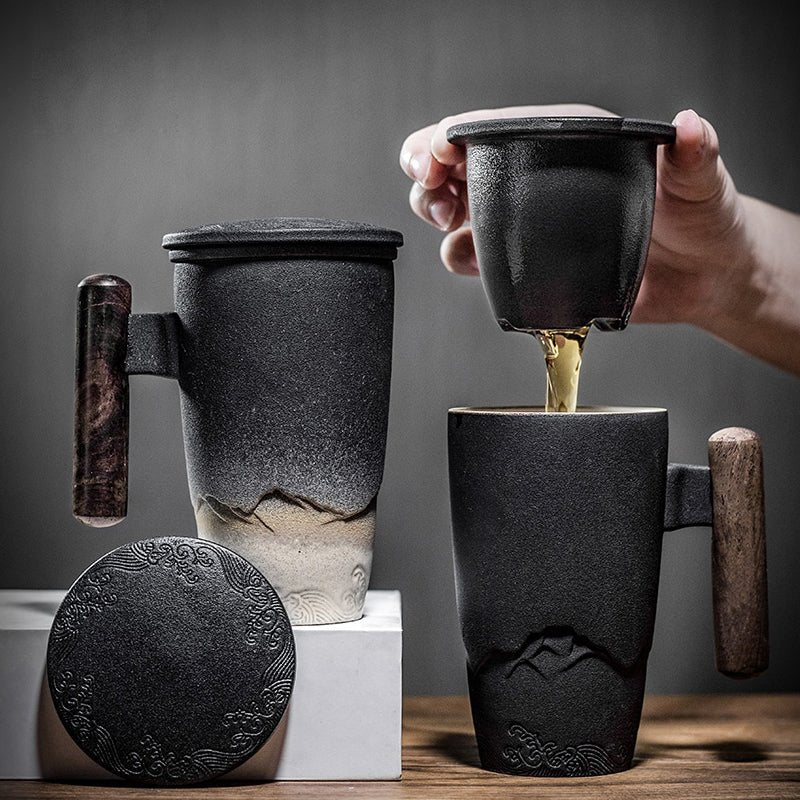
20 oz YETI Coffee Mug: What Buyers Should Check Before Ordering
A practical buyer’s guide to the 20 oz YETI coffee mug, covering fit, lid style, cleaning, and where this size works best. Use it to compare real trade-offs before you order.
Per saperne di più
Commenta
Questo sito è protetto da hCaptcha e applica le Norme sulla privacy e i Termini di servizio di hCaptcha.