
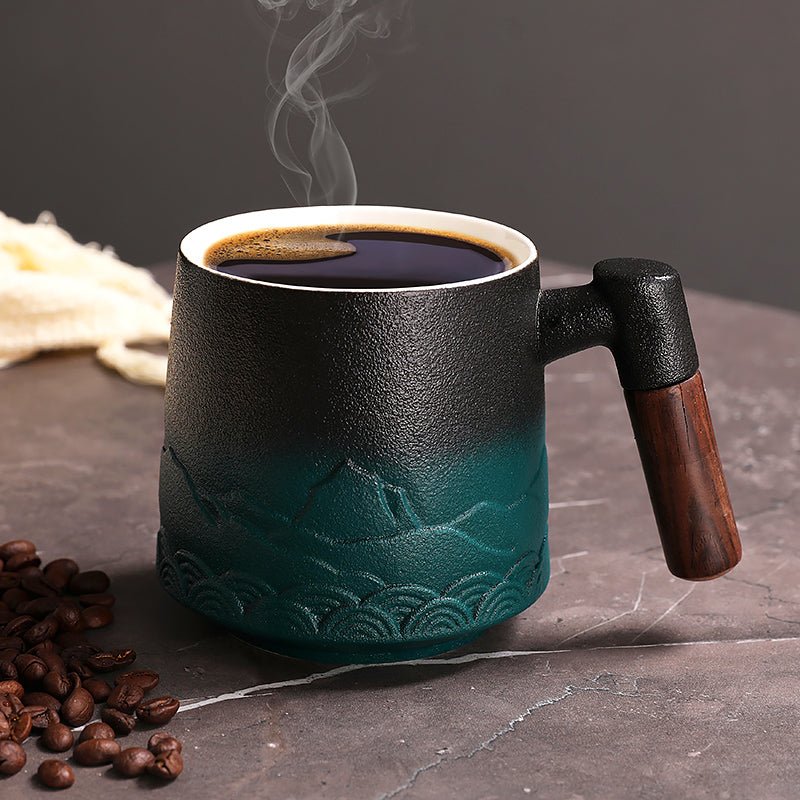
Titanium Coffee Mug Buying Guide: What to Check Before You Buy
Reading time: about 8 minutes
A titanium coffee mug makes sense the moment you have to carry coffee more than you have to admire it. We see that trade-off all the time: a mug that is light, tough, and easy to pack can feel very different from the heavier cup most people use at a kitchen table.
If you are comparing options for a camp kit, office drawer, or everyday mug that gets knocked around, the right answer depends on how you drink. A titanium coffee mug is built for portability first. It is not automatically the best choice for heat retention, a cozy hand feel, or gift presentation.
We sell mugs for shoppers who want something practical on a desk or in a gift box, and we also know when a hard-use cup should stay simple. If you are leaning toward a more familiar everyday shape, our Round Coffee Tea Mug is easier to live with at home, while the Landscape Tall Coffee Tea Mug gives you a taller profile that suits tea, coffee, or a bigger pour at the desk.
What does a titanium coffee mug actually do well?
Titanium earns its place because it is light, corrosion resistant, and does not hold onto flavors the way some lower-grade metals can. For backpacking, commuting, and travel kits, that matters more than a decorative finish. You can toss it in a bag without adding much weight, and it usually handles wet, cold, or rough storage better than fragile materials.
In our experience, the biggest appeal is not glamour. It is reliability. A titanium coffee mug is for the buyer who wants a cup that can ride in a pack, sit next to a camp stove, or survive a crowded shelf without much fuss.
There are limits, though. Single-wall titanium transfers heat quickly, so the mug can feel hot in the hand sooner than ceramic. It also does not insulate the way a vacuum tumbler does. If you like to nurse one drink over an hour at a desk, titanium is not the most comfortable choice unless you are looking at a double-wall design or pairing it with a lid.
Who should buy one, and who should not?
A titanium coffee mug fits a very specific buyer profile. The people who are happiest with it usually care about low weight, durability, and compact packing more than they care about a heavy, warm cup in the hand.
- Buy titanium if you want a mug for camping, hiking, travel, or a work bag that gets moved around a lot.
- Buy titanium if you want metal that resists rust and is easier to keep odor-neutral than many older travel mugs.
- Skip titanium if you mainly drink at a desk and want the mug to stay warm to the touch.
- Skip titanium if you want a gift that feels substantial right out of the box.
- Skip titanium if you prefer a mug that is forgiving on countertops and less prone to making noise when set down.
If your buyer profile is more office than trailhead, ceramic is usually the more sensible choice. That is why we often point shoppers to our full mug collection when they are not sure whether portability or daily comfort matters more. A titanium coffee mug solves a transport problem. A ceramic mug solves a daily-use problem.
That difference shows up fast in real use. On a kitchen counter, ceramic feels settled and familiar. In a pack, titanium is less annoying to carry. Neither material is wrong. They just answer different questions.
What should you check before buying a titanium coffee mug?
Not all titanium mugs are built the same. The differences are small on a product page, but they matter once you put coffee in the cup.
- Wall construction: single-wall mugs are light and simple, but they transfer heat quickly. Double-wall construction helps with heat management, but it also adds cost and usually a bit of bulk.
- Rim shape: a rolled or smoothly finished rim makes sipping more comfortable. Thin cut edges can feel harsh when you drink hot coffee directly from the mug.
- Handle design: a welded handle should feel secure and balanced, not top-heavy. On smaller mugs, the handle can be the difference between a useful camp cup and a nuisance.
- Lid fit: if you plan to drink in a car, tent, or office walk, lid compatibility matters more than the metal itself. A loose lid turns a premium mug into a spill risk.
- Surface finish: bare titanium is practical, but it can pick up scuffs. Anodized finishes look cleaner for longer, though they may show wear differently over time.
Cleaning is straightforward, but do not overcomplicate it. Mild soap, warm water, and a soft sponge are usually enough. If the mug has a decorative finish, avoid aggressive scrubbing and steel wool unless the manufacturer specifically says otherwise. For most buyers, the real maintenance question is not whether titanium is hard to clean. It is whether the mug shape is comfortable enough to justify taking it out every day.
How does titanium compare with ceramic and stainless steel?
People often start with titanium because it sounds premium, then realize they are actually choosing between weight, heat control, and feel. Here is the practical version.
| Material | Best for | Trade-offs |
|---|---|---|
| Titanium | Travel, camping, ultralight kits | Can feel hot in the hand; usually less cozy than ceramic; some models need a lid to feel complete |
| Ceramic | Desk use, home coffee, gifting | Heavier and breakable; not ideal for rough packing |
| Stainless steel | Rugged use, commuters, insulated drinkware | Can feel more utilitarian; some people dislike the metallic drinking experience if the finish is basic |
If you are comparing mug size rather than material, our older guides can help you sanity-check the fit before you buy. See 10 oz Coffee Mug: Size, Fit, and What to Check Before You Buy and 12 Ounce Coffee Mug Buying Guide for Daily Use and Better Fit for the practical side of capacity, hand feel, and everyday use.
Our experience is that most shoppers do not really want the metal itself. They want the right balance. They want a mug that does not fail, does not feel awkward, and does not create new problems after the first week.
Which mug style is better for home, office, or travel?
The best choice changes with the setting. A titanium coffee mug is strongest in places where portability matters more than comfort. That usually means trail kits, car camping, gear bags, and work trips where every item has to earn its space.
For home and office, ceramic often wins. It feels better in the hand, looks better on a desk, and is more forgiving when you want a mug that feels part of the room instead of part of the equipment list. If you are buying a gift, ceramic also gives you a wider range of shapes and visual styles.
That is why we keep pointing shoppers back to our main assortment when the use case is not strictly outdoors. A titanium coffee mug is a tool. Our ceramic mugs are closer to daily companions.
- Choose titanium for low weight and packability.
- Choose ceramic for comfort, presentation, and everyday desk use.
- Choose stainless steel if you want tougher travel performance with better heat control than a single-wall metal mug.
- Choose a larger ceramic shape if you want more room for milk, foam, or tea.
If the buyer is a gift recipient who mostly drinks at home, our Elk and Moon Coffee Tea Mug is a better conversation starter than a bare metal cup. It gives you the practical benefits of a familiar mug shape without forcing the buyer into an ultralight mindset they may never use.
A titanium coffee mug is the right answer for durability and weight. It is not the right answer if the real goal is warmth in the hand or a polished desk setup.
Frequently asked questions
Is a titanium coffee mug better than stainless steel?
It depends on what you are trying to optimize. Titanium is lighter, which is a real benefit if the mug lives in a pack or travel bag. Stainless steel is often easier to find with insulation or lid options, so it can be the better daily-use material if heat retention matters more than weight.
Does a titanium coffee mug keep coffee hot?
Not by itself. Single-wall titanium is durable, but it does not insulate well, so coffee cools like it would in many other thin-walled mugs. If heat retention matters, look for a double-wall design or use a lid.
Is a titanium coffee mug safe for everyday coffee?
For normal coffee use, yes, as long as the mug is made for food contact and the finish is in good condition. The bigger question is comfort, not safety. The mug may simply feel too hot or too bare for someone who expects a ceramic-style drinking experience.
What should I clean a titanium coffee mug with?
Use mild soap, warm water, and a soft sponge for routine cleaning. That is enough for most coffee stains and daily residue. If the mug has a special finish, check the care instructions before using abrasive pads or harsh cleaners.
Is a titanium coffee mug good for office use?
Usually not as the first choice. In an office, people tend to value comfort, stability, and presentation more than ultralight portability. A ceramic mug from our collection often makes more sense for a desk, while titanium is better when the mug has to travel.
If you are still deciding, start with the use case: travel, office, or gift. For desk-friendly options, browse our full mug collection, then compare the shape, comfort, and capacity against the points above before you buy.
More from our blog
Read more
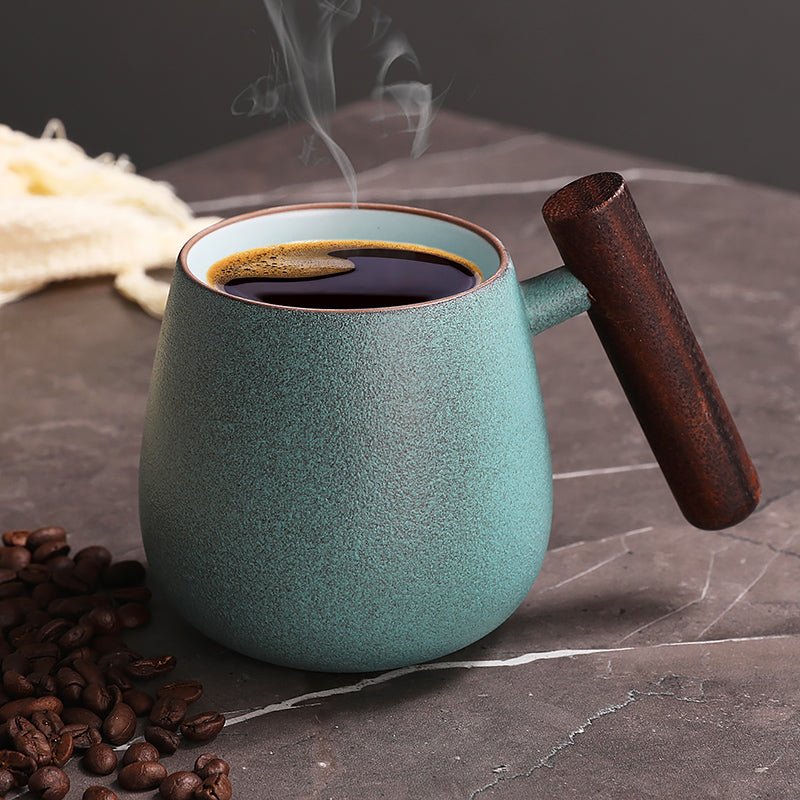
Coffee Mugs Sets: How to Choose the Right Size, Style, and Care
Compare coffee mugs sets by size, handle feel, cleaning routine, and how they fit your counter or desk. We call out the trade-offs so you can choose a set that gets used, not one that only looks go...
Per saperne di più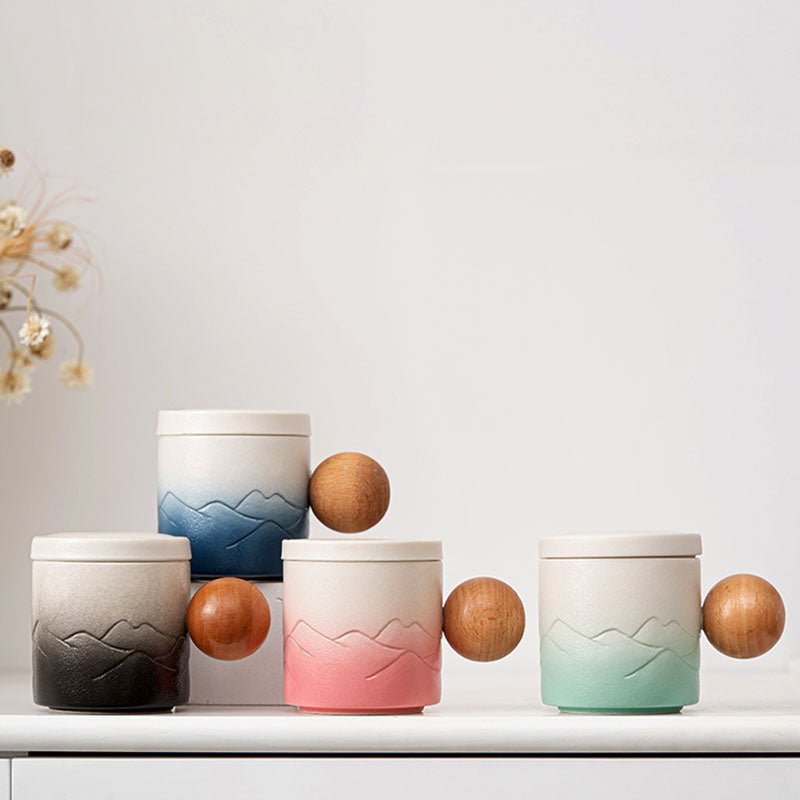
Home Trends Coffee Mugs for Daily Use: What to Buy at Home
Home trends coffee mugs are only worth buying if they look right on the counter and still feel good at 7 a.m. This guide compares the styles, size choices, and trade-offs we see matter most in real...
Per saperne di più
Commenta
Questo sito è protetto da hCaptcha e applica le Norme sulla privacy e i Termini di servizio di hCaptcha.