
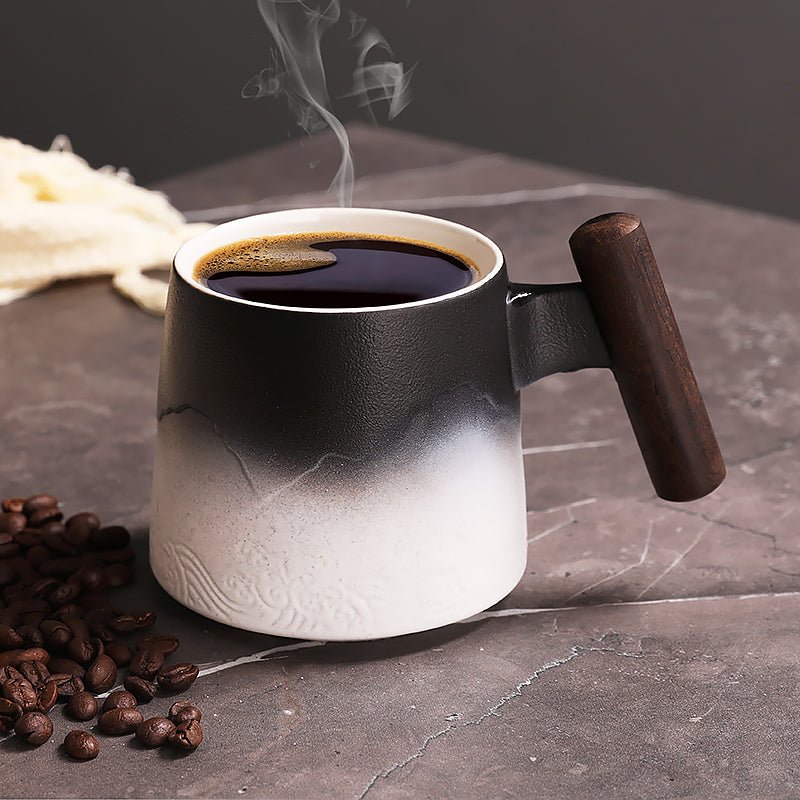
Tiki Coffee Mug Buying Guide: Size, Material, and Everyday Use
Reading time: about 9 minutes
A tiki coffee mug can look perfect on the shelf and still feel wrong in hand. In our store, we see the same problem often: the mug has strong sculpted detail, but the handle is tight, the base is narrow, or the cup holds less coffee than the buyer expected.
For daily use, the best tiki coffee mug is the one that balances character with a stable foot, a comfortable grip, and a size that matches the drink you actually make in the morning. That matters more than the face design or the color glaze.
What should a tiki coffee mug do besides look good?
A good tiki coffee mug needs to work on a kitchen counter, a desk, and a dish rack without becoming annoying after the first week. That means the shape should still feel practical when the mug is full, warm, and a little heavier than it looked in the product photo.
We check four things first when we look at this category in our store:
- Grip: The handle should fit at least two fingers comfortably, without pinching.
- Stability: The base should sit flat and not rock when the mug is set down on a hard counter.
- Opening: The top should be wide enough for coffee, cream, and a spoon if you stir in sugar or syrup.
- Cleaning: Raised details and deep grooves should not make daily washing a hassle.
A tiki mug is not the best choice if you want a stackable cup that disappears into a tight cabinet. It is also not ideal if you need a mug that slips easily under a low-profile espresso machine or stays neatly in a car cup holder. The sculpted shape is part of the appeal, but that same shape can create real compromises.
If you are buying for a home bar cart as well as coffee, that is a different story. A tiki coffee mug can do double duty for iced coffee, cold brew, or themed drinks without looking out of place. It just needs to feel sturdy enough for daily handling, not only for a one-time photo.
Which material is easiest to live with?
Most tiki coffee mugs we see are ceramic or stoneware. Those are the safest bets for hot coffee because they hold heat reasonably well, clean up easily, and accept bold glazes that suit the style. The exact feel depends on weight, wall thickness, and whether the interior is fully glazed.
| Material | What it feels like | Watch-outs | Best for |
|---|---|---|---|
| Ceramic | Smooth, medium weight, and easy to glaze in bright colors | Can chip on the rim or handle if it is thin; check that the interior is fully glazed | Most daily coffee drinkers |
| Stoneware | Heavier, more solid in the hand, and good at holding heat | Takes longer to cool and can feel bulky on a small desk | Home kitchens and slow sippers |
| Novelty resin or metal | Often decorative and lighter in hand | Not our first choice for hot coffee unless the maker clearly says it is food-safe and heat-safe | Display-first buyers or themed serving pieces |
For a coffee-first buyer, ceramic and stoneware are the most practical choices. They are easier to rinse after syrupy drinks, and they feel more familiar in everyday use than novelty materials. If a mug has metallic paint or metallic accents, check the care instructions before you plan on using it in the microwave.
If you are also comparing capacities, our 11 oz Coffee Mug: Size, Fit, and What to Check Before You Buy and 12 oz Coffee Mug: Size, Fit, and What to Check Before Buying explain how size changes the way a mug feels in hand. For larger pours, the 16 oz Coffee Mug Buyer’s Guide: Size, Material, and Fit is the better comparison.
What size makes sense for your coffee routine?
Size matters more than the artwork. A tiki coffee mug with a dramatic face and wide shoulders can look compact on screen, then feel oversized once you pour in hot coffee and try to carry it across the kitchen.
Here is the practical breakdown we use:
- 10 to 11 oz: Better for standard drip coffee, a short Americano, or a smaller first cup before work.
- 12 oz: The most flexible middle ground for many buyers, especially if you want one mug that works for coffee, tea, or cocoa.
- 14 to 16 oz: Better for milk-heavy drinks, long desk sessions, or anyone who wants one mug to last through a slower morning.
- Oversized novelty shapes: Fun for themed serving, but they can feel heavy, take longer to cool, and crowd a small shelf.
There is a trade-off here. A bigger tiki mug gives you more room, but it can also feel top-heavy if the base is narrow and the sculpted body carries a lot of mass above the handle. That matters if you move it around a lot between the kitchen, office desk, and sink.
For buyers who care about fit more than decoration, our experience is simple: choose the size you already drink from, then use the tiki shape as the style layer. If you regularly drink in the office, a medium-size mug is usually easier to manage than a large novelty cup that dominates the desk and stays hot longer than you want.
What details tell you a tiki mug is well made?
The little things separate a mug you enjoy using from one that only photographs well. We inspect the same trouble spots repeatedly because they are the ones that show up in real homes after the unboxing is done and the mug starts living on a counter.
- Handle clearance: The opening should not force your fingers to squeeze against the cup body.
- Foot ring: A clean, flat base matters more than a dramatic silhouette if you want the mug to sit securely on tile, wood, or a desk mat.
- Rim finish: The drinking edge should feel smooth, not sharp or uneven.
- Glaze consistency: Look for even coverage inside and out, especially around the mouth, handle joins, and bottom edge.
- Raised details: Deep grooves and sculpted faces add character, but they can also hold residue if the finish is too textured.
Common defect modes in this category are easy to spot once you know where to look: a handle that is too thin, a base that rocks, glaze pooling at the bottom, rough seams from the mold, or a rim that feels unfinished. Those details matter if the mug will be used every morning instead of sitting on a shelf.
Packaging matters too, especially for gifts. Sculpted ears, noses, and handles are the parts most likely to take a hit in transit, so a good gift mug should arrive in packaging that protects the high points and keeps the finish from rubbing against hard inserts. If you are buying for a gift unboxing, that is worth checking before you click buy.
How should you care for a tiki coffee mug without damaging the finish?
A tiki coffee mug can last a long time if you treat the finish like a real piece of kitchenware, not a bar prop. Daily care is simple, but the sculpted surfaces need a little more attention than a plain cylinder mug.
- Rinse it soon after use, especially after milk, sugar syrup, or flavored coffee.
- Wash with a soft sponge so you do not dull the glaze on raised details.
- Let the mug cool before washing it; sudden temperature changes can stress ceramic and stoneware.
- If the listing says dishwasher-safe, place it where it will not bang into other mugs or utensils.
- Skip the microwave if there are metallic accents or if the maker says not to microwave it.
Dishwashers are not always the problem. The issue is usually the way the mug sits inside them. Tall sculpted shapes can trap water in creases, and aggressive loading can chip the handle or the nose of the design. If you already know your kitchen routine is rough on mugs, a simpler coffee mug shape will usually hold up better over time.
We also think about where the mug will live between uses. A tiki coffee mug with deep relief is not the easiest choice for a crowded office sink or a shared break room where people do not handle delicate pieces carefully. A simpler mug is easier in those situations.
What should you choose if you want one mug for coffee and display?
If you want something that works as kitchen decor and still earns its spot in the morning, a ceramic or stoneware tiki coffee mug with a balanced handle and a medium capacity is usually the safest pick. That gives you the style without forcing you to accept a mug that only works as a shelf object.
Here is the short decision filter we would use before buying:
- Choose a medium capacity if you drink drip coffee most days.
- Choose a heavier base if you are worried about tipping on a crowded desk.
- Choose a smoother glaze if you want easier cleaning.
- Choose a simpler sculpted face if you want less residue in the details.
- Choose a decorative finish only if you are comfortable with extra care and possible microwave limits.
A tiki coffee mug is not the best answer for everyone. If you want a mug that stacks neatly, fits under every machine, and disappears into the cupboard, a plain cylindrical mug is the more practical buy. If you want a cup that adds personality to a coffee station and still works for everyday sipping, this category makes sense.
Frequently asked questions
Is a tiki coffee mug good for everyday coffee?
Yes, if the mug has a comfortable handle, a stable base, and a size that matches your normal pour. The design should not get in the way of grip or cleaning. If the mug is very sculpted or top-heavy, it may be better as a display piece than a daily cup.
Can I put a tiki coffee mug in the dishwasher?
Sometimes, but only if the product listing says it is dishwasher-safe. Even then, raised details and decorative finishes can take more wear than a plain mug. Top rack placement is usually the safer choice, and hand washing is better for mugs with delicate glaze or painted accents.
What size tiki coffee mug should I buy?
If you usually drink a standard cup of coffee, 11 to 12 oz is the most flexible range. If you like larger pours, milk-heavy drinks, or long desk sessions, 14 to 16 oz may suit you better. Bigger is not always better if you want the mug to stay light and easy to carry.
Are tiki coffee mugs good gifts?
Yes, especially for someone who likes themed kitchenware or tropical decor. Just check the finish, packaging, and care instructions so the gift is actually useful after the unboxing. A mug that looks fun but feels awkward in hand is not a strong gift choice.
Will a tiki coffee mug fit under my coffee maker?
Not always. The sculpted top and wider shape can reduce clearance, especially under low-profile machines or espresso setups. Measure the space under your machine before you buy if you plan to use the mug there every day.
If you are comparing styles now, start with handle comfort, material, and the size you actually drink from, then browse our products or the full collection to find a tiki coffee mug that fits your routine, not just your shelf.
More from our blog
Read more
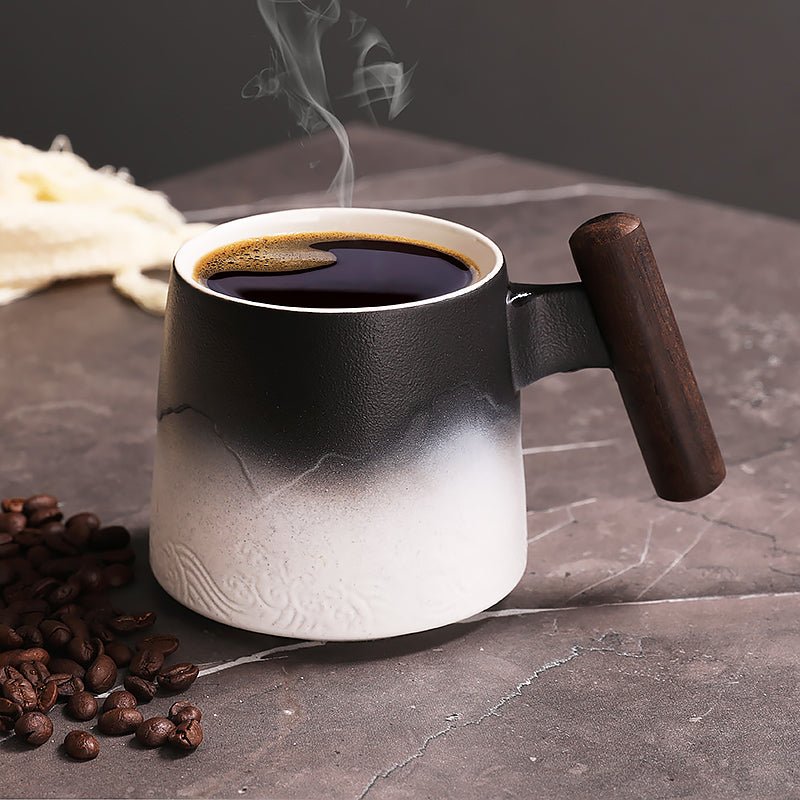
Longaberger Coffee Mugs: How to Choose the Right One
A practical buying guide for Longaberger coffee mugs, covering size, condition, care, and when a vintage mug is worth it versus a newer everyday option.
Per saperne di più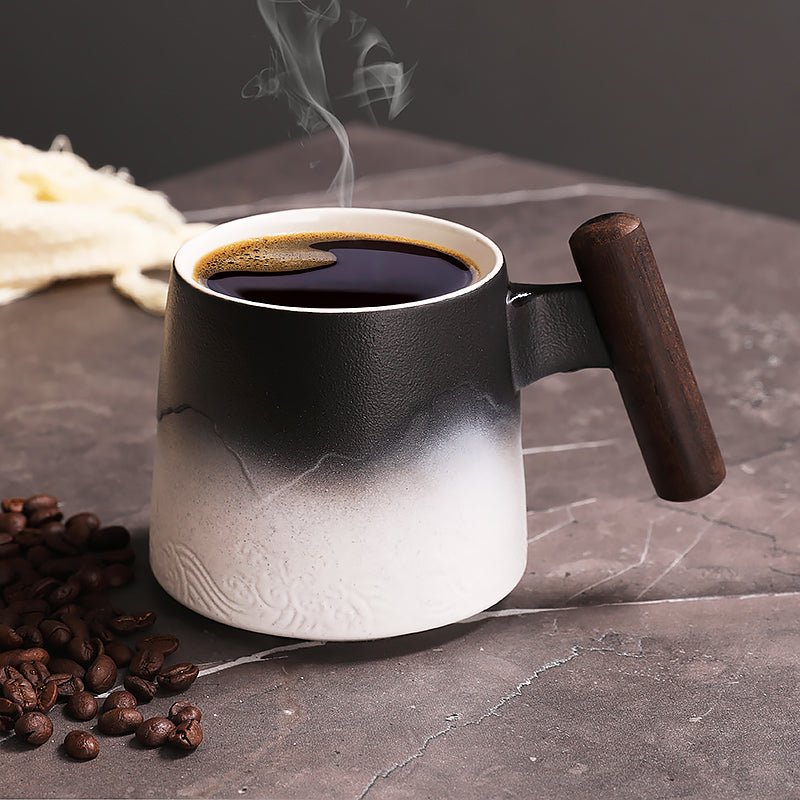
Fiesta Coffee Mugs: Size, Color, and Buying Guide
Fiesta coffee mugs are usually bought for the color first, then kept for the handle comfort, size, and daily durability. This guide breaks down what to check before ordering, plus where these mugs ...
Per saperne di più
Commenta
Questo sito è protetto da hCaptcha e applica le Norme sulla privacy e i Termini di servizio di hCaptcha.