
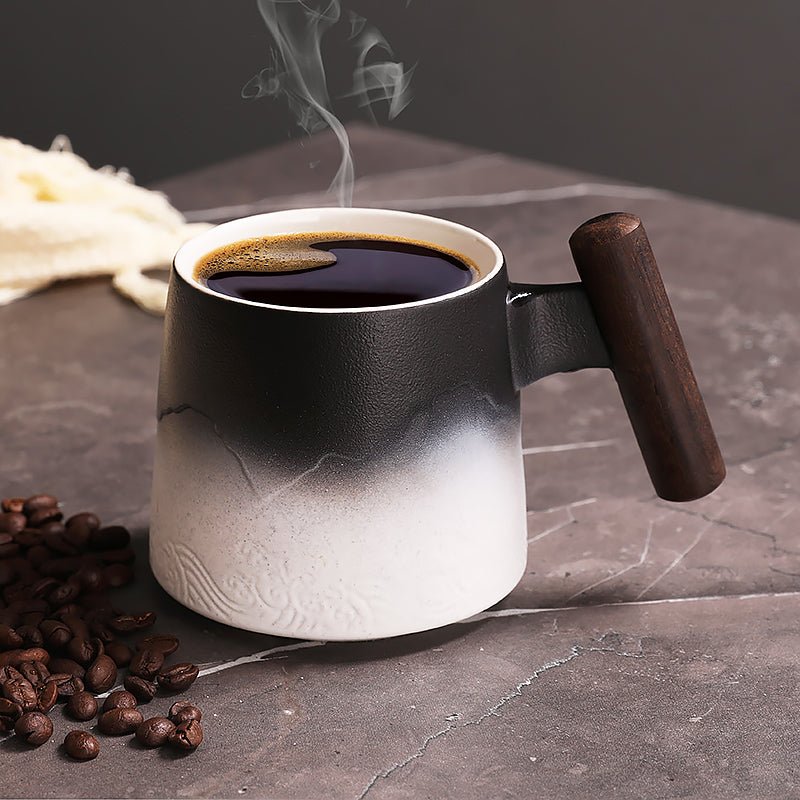
Threshold Coffee Mugs: What to Check Before You Buy
Reading time: about 8 minutes
Threshold coffee mugs usually get judged in the first few seconds. Does the mug sit flat on the counter, does the handle clear three fingers, and does the rim feel comfortable on a hot sip? In our store, those are the checks that matter long after the box is opened.
We see the same pattern again and again: shoppers want an everyday mug that looks clean on a shelf, holds up in a dishwasher, and does not feel awkward on an office desk. That is a practical ask. A mug can look fine in a photo and still be wrong for real use if the base rocks, the handle is tight, or the glaze feels rough where your lip meets the rim.
Our view is simple: a good mug should disappear into the routine. You reach for it, fill it, wash it, and put it back without thinking about it. If a mug demands extra care, chips too easily, or feels heavy before the coffee is even gone, it is not a good everyday buy.
What should threshold coffee mugs do well in daily use?
Threshold coffee mugs are usually bought for the same reason people buy any dependable everyday mug: they need to work in a kitchen, on a desk, and in a dishwasher without drama. The finish should feel smooth, the handle should fit your hand, and the mug should stand steady on a flat surface. That sounds basic, but basic is where many mugs fail.
In our experience, the best daily-use mug is one you do not have to baby. Look for a glazed interior that wipes clean easily, a foot ring that does not scratch the table, and a handle that gives you enough clearance for two or three fingers depending on hand size. Stoneware is common in this category because it feels sturdy, but it can be heavier than porcelain. If you want a lighter feel, porcelain or finer ceramic is often easier to lift before coffee.
Threshold coffee mugs are not the right pick if you need a spill-proof commuter cup or something ultra-light for travel. They are also not ideal for people who only want a tiny espresso cup. For that, a smaller option works better, like the sizes covered in our 8 Ounce Coffee Mugs: What Buyers Should Check Before Ordering guide.
- Best traits for daily use: flat base, comfortable handle, smooth glaze, and easy cleanup.
- Common red flags: wobble on the counter, rough rim, thin handle that digs into the fingers, or visible glaze flaws.
- Best setting: kitchen counter, breakfast table, desk, or break room.
Which size fits your drink, hand, and cabinet?
Size is where a lot of buyers overthink the label and underthink the use case. A mug size should match how you actually drink coffee, not how it looks in the product photo. If you prefer smaller pours, a 12 oz mug often feels right. If you like a long desk coffee or a milk-forward drink, 16 oz may be the better fit. Larger mugs are helpful for people who dislike refills, but they also add weight and take more cabinet space.
If you are comparing sizes, our related guides break down the trade-offs in more detail: 12 oz Coffee Mugs: What to Check Before You Buy, 16 oz Coffee Mugs: What to Check Before You Buy, and 20 Ounce Coffee Mugs: What Buyers Should Check Before Ordering. For bigger, refill-resistant cups, our large capacity coffee mug guide is useful too.
| Size | Best for | Main trade-off |
|---|---|---|
| 8 oz | Smaller coffee pours, espresso drinks with room for milk, and compact cabinets | Too small for people who drink slowly or add a lot of milk |
| 12 oz | Standard drip coffee and a balanced everyday feel | Not as roomy for large lattes or big refill-free mornings |
| 16 oz | Longer coffee sessions, lattes, tea, and desk use | Heavier in the hand and takes more shelf space |
| 20 oz | Large pours and people who want fewer refills | Can feel oversized for small drinks and may be awkward in a crowded cabinet |
If you use a single-serve machine or a low-clearance coffee brewer, check the height before you buy. A mug that is too tall for the machine is a nuisance every morning. The same goes for cabinets with short shelves. Big mugs look harmless online, then suddenly crowd everything in the cupboard.
Which material and finish is easiest to live with?
Material matters because it changes weight, heat retention, and how the mug ages. Stoneware is common for threshold coffee mugs because it feels substantial and keeps coffee warm longer than thin cups, but it can be heavier. Porcelain is usually lighter and cleaner-looking, which some shoppers prefer for a desk or gift set. Standard ceramic sits somewhere in the middle and is often the broad category you will see in product listings.
The finish matters just as much. A glossy glaze is usually easier to wipe clean after coffee stains or lipstick marks. A matte finish can look more modern, but it may show handling marks sooner and sometimes needs more careful washing. Speckled glazes can hide tiny stains, yet chips on the rim or foot ring may stand out more visibly.
We also look at the underside. A smooth foot ring helps prevent scratches on a wood table or a painted shelf. A rough, unfinished base can drag across surfaces and make a mug feel cheaper than it should. If the mug is marked microwave safe, that is useful for reheating, but metal trim or metallic accents should be treated as a hard stop unless the maker explicitly says otherwise.
For us, a good finish is not just about color. It is about how the mug survives the first dozen dishwasher cycles, the first few bumps in a crowded sink, and the first time someone stacks it carelessly with the other mugs.
What details should you inspect before buying?
This is the part that separates a mug you keep from one you regret. Our team looks for the same small defects customers notice later at home: pinholes in the glaze, hairline cracks near the handle join, rough spots on the rim, and a base that does not sit flat. One tiny flaw can become a big annoyance once the mug is part of a daily routine.
- Handle clearance: make sure your fingers fit without pressing against the mug wall.
- Rim comfort: the lip should feel smooth, not sharp or uneven.
- Base stability: set it on a counter and check for wobble.
- Glaze consistency: look for runs, pinholes, or rough patches.
- Dishwasher care: follow the maker's care guidance; hand washing is still safer for decorative finishes.
We also watch for packaging problems. A mug can be perfectly fine on the shelf and still arrive chipped if it was not packed well. Gift buyers notice this fast. In a gift unboxing, the first impression is not just the mug itself. It is whether the set looks even, whether the handles line up, and whether the finish is consistent from one piece to the next.
If you are buying more than one mug, compare them side by side before putting them into the cupboard. Even small differences in height, handle angle, or glaze tone can stand out once the set is in daily use.
Are threshold coffee mugs good for gifts, offices, or sets?
They can be, but only if the size and finish match the setting. For office desks, a 12 oz or 16 oz mug usually works better than an oversized one because it fits under shelves more easily and does not hog desk space. For gifts, neutral colors and simple shapes are safer than novelty styles because they are easier to match with the recipient's kitchen. For sets, consistency matters more than flair.
Threshold coffee mugs are not the best choice for someone who needs a travel mug, a spill-resistant cup, or something that fits tightly into a car holder. They are also not ideal for people who prefer a very thin, delicate cup. If the person likes small pours or espresso-based drinks, a smaller format may be a better fit than a big everyday mug. That is why our buyers often compare the smaller and mid-size guides before settling on a set.
If you want to see what we carry now, start with our products page or browse the full all collection. That makes it easier to compare shape, finish, and size without guessing from a single product photo.
Frequently asked questions
Are threshold coffee mugs dishwasher safe?
Many everyday mugs are dishwasher safe, but you should always check the care notes for the specific mug. Glossy stoneware usually handles regular dishwasher use well, while matte or decorative finishes may need a little more care to keep them looking clean.
What size threshold coffee mug is best for daily coffee?
For most people, 12 oz is the most balanced everyday size. If you drink slower, use a lot of milk, or want a bigger desk mug, 16 oz is usually more practical.
Do threshold coffee mugs work for lattes?
Yes, but size matters. A 16 oz mug usually gives you enough room for milk and foam without feeling cramped, while 8 oz or 12 oz can feel tight for larger drinks.
What defects should I look for before keeping a mug?
Check for a wobbling base, rough rim, pinholes in the glaze, and cracks near the handle join. Those are the issues that tend to show up again after a few days of use, especially in a dishwasher or crowded sink.
Are threshold coffee mugs a good gift?
Yes, if you choose a neutral shape and a practical size. Simple finishes tend to be safer for gifting because they fit more kitchens, more desks, and more personal styles.
If you are comparing threshold coffee mugs for a real purchase, start with size, then check the handle, finish, and care instructions against how you actually drink coffee. From there, compare the current options on our products page and narrow it down to the mug that fits your shelf, your dishwasher, and your routine.
More from our blog
Read more
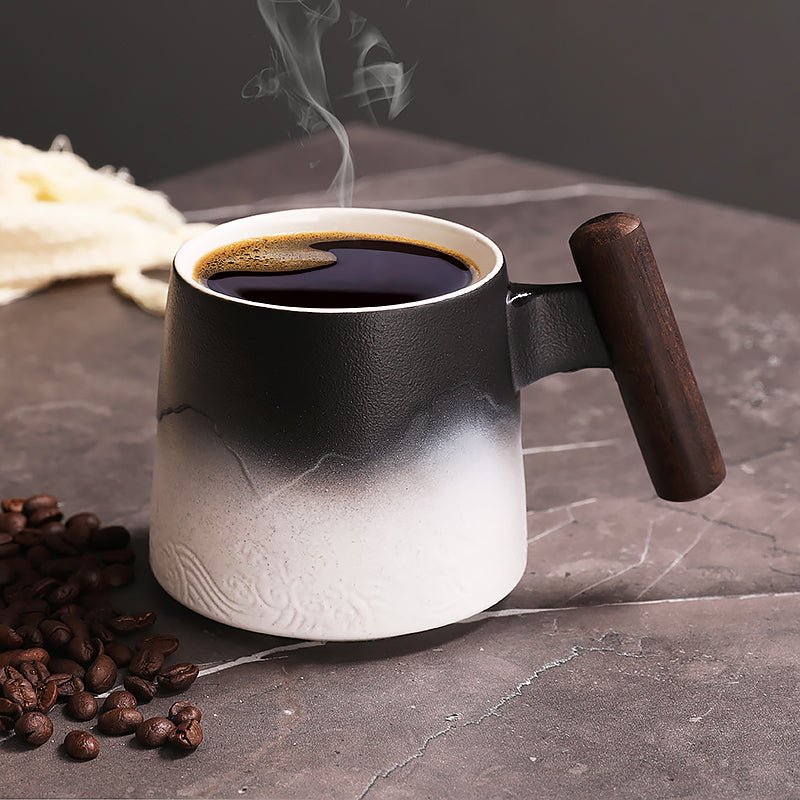
Snoopy Coffee Mugs: What Buyers Should Check Before Ordering
Snoopy coffee mugs look simple, but the useful ones still need the right size, a comfortable handle, and artwork that holds up in daily use. We break down the details we check before we recommend one.
Per saperne di più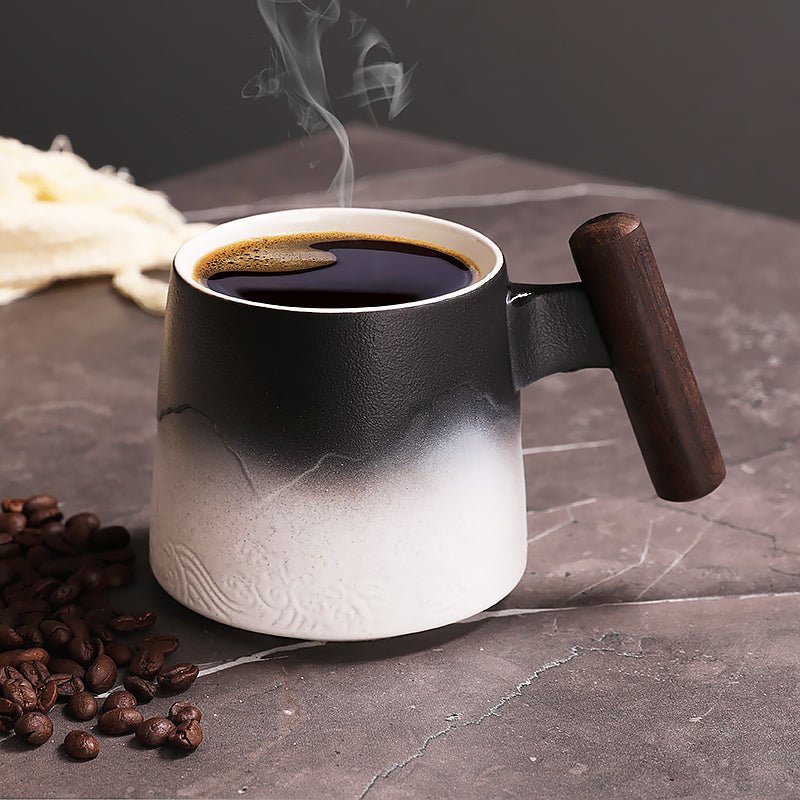
Pumpkin Coffee Mug Buyer’s Guide: Size, Material, and Fit
A practical guide to choosing a pumpkin coffee mug that actually works for daily coffee, gifting, and fall display. We cover size, material, care, and the trade-offs to check before you buy.
Per saperne di più
Commenta
Questo sito è protetto da hCaptcha e applica le Norme sulla privacy e i Termini di servizio di hCaptcha.