
Thick Coffee Mugs: What to Look for Before You Buy
Reading time: about 9 minutes
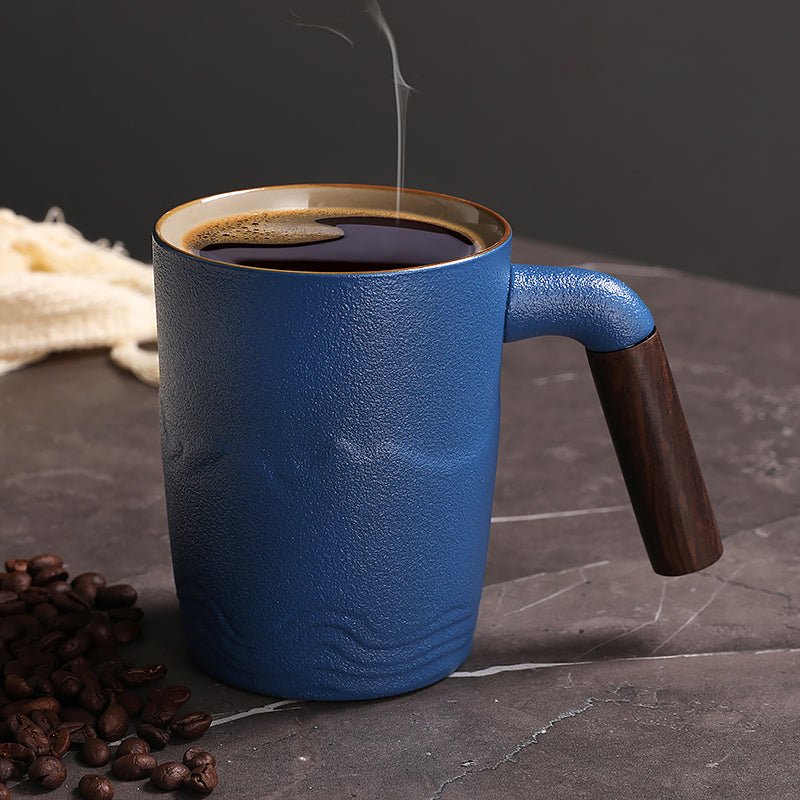
A thick coffee mug changes the first minute of a coffee routine. It feels steadier in the hand, takes a little longer to cool down at the lip, and tends to survive more everyday knocks than a thin, delicate cup.
We see the same buying pattern in our store again and again: shoppers want a mug that feels substantial on a kitchen counter or office desk, but they do not want a clumsy, oversized cup that dominates the cabinet. The right thick coffee mug sits in the middle. It feels durable without becoming a brick.
What do thick coffee mugs actually do better?
The simplest advantage is heat retention. A thicker wall has more material between your coffee and the room, so the mug does a better job of keeping warmth in during a slow morning. That does not make it a travel mug, and it will not hold heat forever, but it usually buys you a more relaxed drinking window than a very thin cup.
There is also the hand feel. Thick coffee mugs usually have a more reassuring grip, especially if the handle is well spaced and the base has enough width to feel stable. On a kitchen counter, that matters. At a desk, it matters even more when you are reaching around a keyboard, charger, or notebook.
There are trade-offs. A heavier mug is not ideal if you want something feather-light for long commutes or if your shelves are already crowded. Thick mugs can also feel too warm at the body if they are used for boiling-hot drinks right away. If you like a very thin rim for quick sipping, this category is probably not your best match.
In practice, we think thick coffee mugs make the most sense for:
- Home brewers who drink slowly and want a mug that feels solid in the hand.
- Office workers who need a stable mug that is less likely to tip on a desk.
- Gift buyers who want something that feels substantial when unboxed.
- Anyone replacing a stack of light, chip-prone cups with something more durable in daily use.
Which thick coffee mugs should I start with?
If you want to compare a few styles quickly, start with our three most useful options: The Crane Coffee Tea Mug, Landscape Coffee Tea Mug, and The Gradient Coffee Tea Mug. If you want to see the full range in one place, browse our collection of all mugs.
We recommend choosing by use case first, not by pattern first. A mug can look great and still be the wrong shape for your hand or your coffee habit.
| Mug style | Best for | What to check |
|---|---|---|
| The Crane Coffee Tea Mug | Buyers who want a clean daily mug with a calm, practical feel | Handle comfort, lip feel, and whether the body feels balanced when full |
| Landscape Coffee Tea Mug | Gift buyers and shoppers who want a mug with a more visual, decorative presence | How it looks on an open shelf, plus whether the shape still feels easy to hold |
| The Gradient Coffee Tea Mug | Anyone who wants a mug that stands out a little more on a desk or breakfast table | Finish quality, glaze consistency, and whether the color transition suits your setup |
For shoppers comparing capacities, we also keep a few size guides on the blog that help with the practical side of the decision. If you are narrowing things down by volume, our guides to 10 oz Coffee Mugs: How to Choose the Right One for Daily Use and 12 Ounce Coffee Mugs: Fit, Shape, and Buying Tips are a useful next step.
What details should you check before buying a thick mug?
Thickness alone is not enough. We inspect a few points every time because they change how the mug behaves once it leaves the shelf and starts living on a real counter.
- Handle clearance. If the gap between handle and body is too tight, the mug can feel awkward for larger hands or slippery when rinsed. A comfortable handle should let your fingers settle naturally without touching the hot wall.
- Base stability. A wider foot ring or well-balanced bottom helps the mug sit flat on a table. That matters for keyboards, trays, and crowded breakfast setups.
- Rim shape. A slightly rolled rim usually feels smoother on the lip than a sharp edge. Thin lips are not automatically better; they just feel different.
- Glaze quality. On ceramic mugs, we look for even glazing and clean joins around the handle and base. Rough spots, pinholes, or visible unevenness can signal sloppy finishing.
- Cleaning routine. If you plan to use the mug every day, think about dishwasher loading, coffee staining, and whether the surface is easy to rinse clean after milk drinks.
Those are the same things we check in the store because they are the first places a mug can disappoint. A mug may look great in photos and still feel off if the balance is wrong or the handle does not suit the hand.
Are thick coffee mugs good for espresso, drip coffee, or tea?
They are best for drip coffee, pour-over, tea, and milk-based drinks like lattes or flat whites. Thick coffee mugs shine when the drink is meant to be enjoyed over several minutes rather than shot quickly.
For espresso, a thick mug is usually less useful. Espresso is normally better in a smaller cup or demitasse where the drink stays concentrated and does not cool too fast. For tea, thick mugs can work well if you like a mug that holds warmth and feels comfortable to cradle with both hands.
If you drink large mugs of coffee every morning, a thicker body can be a real benefit. If you only want a small serving and a very light cup, you may be happier with a slimmer mug or a smaller capacity guide such as our article on 14 Ounce Coffee Mugs: Fit, Materials, and Buying Tips.
Our experience is that buyers who think they want the heaviest mug often end up preferring the one that feels balanced, not bulky. Weight matters, but balance is what makes a mug pleasant to use every day.
What are the downsides of thick coffee mugs?
The biggest downside is simple: they take up more physical presence in your hand and in your cabinet. If you have narrow mug hooks, tight shelving, or a very small dishwasher rack, a thick mug can be slightly less convenient than a slimmer one.
They are also not the best choice for people who want a cup that cools quickly. A thick wall can hold heat longer, which is an advantage for slow sipping, but it can be too much if you prefer a drink that reaches a drinkable temperature fast. The same quality that feels cozy at 8 a.m. may feel slow and heavy at 2 p.m. if you are in a hurry.
And while thick mugs often feel durable, they are still ceramics in many cases. They can chip if dropped, and the foot ring can still pick up marks from rough surfaces. Avoid dramatic temperature changes, like moving a mug from a cold freezer straight to a very hot fill, because thermal shock is a real risk for ceramic drinkware.
How should you care for a thick coffee mug?
Start with the basics: rinse soon after use, especially after black coffee or milk drinks, and do not let dried residue sit in the bottom for days. If the mug is dishwasher safe, place it where it will not bang against heavier plates or metal utensils during the wash cycle.
We also recommend drying the foot ring after washing if you store mugs tightly packed. That small step helps prevent water spots and keeps the bottom looking cleaner on open shelving. If you hand wash, use a soft sponge rather than abrasive scrubbers that can dull a glazed finish over time.
For gift buyers, this matters as much as appearance. A mug that looks great on day one but stains easily or chips around the rim will disappoint faster than a simpler mug that stays clean and stable.
How do thick coffee mugs compare with lighter mugs?
Lighter mugs can feel quicker and easier if you are constantly moving between kitchen, desk, and sink. Thick coffee mugs usually feel better if you want a more grounded daily cup and you care about a sturdier hand feel.
Here is the short version:
- Choose thick coffee mugs if you value heat retention, stability, and a more substantial feel.
- Choose lighter mugs if you want portability, faster cooling, or a smaller footprint in the cabinet.
- Choose a smaller size if you only drink one short cup at a time.
- Choose a larger size if you pour full mugs and like to linger over them.
If size is the part you are still sorting out, our blog guides on 12 oz Coffee Mugs: How to Choose the Right Mug for Daily Use and 15 oz Coffee Mugs: Size, Fit, and Buyer Checklist can help you compare how much mug you actually want on a normal morning.
Frequently asked questions
Are thick coffee mugs better at keeping coffee hot?
Usually, yes. A thicker mug tends to hold warmth longer than a very thin cup, especially during slow sipping at a desk or kitchen table. It is not the same as a thermal tumbler, but it often gives you a more comfortable drinking window.
Are thick coffee mugs too heavy for daily use?
Not if the shape is balanced. A mug can be thick and still comfortable if the handle is well sized and the base feels stable in the hand. If you have wrist sensitivity or prefer very light drinkware, a slimmer mug may be a better fit.
Do thick coffee mugs work for lattes and tea?
Yes, and that is one of their strengths. They suit drinks you sip over time, including drip coffee, pour-over, tea, and milk drinks. They are less useful for espresso shots or anyone who wants a small, quick-serving cup.
What should I check if I am buying a thick mug as a gift?
Look at the shape, color, and handle first, because those are what the recipient notices at unboxing and every time they use it. A mug that looks substantial but still feels easy to hold is usually the safest gift choice. If you do not know their preferred drink size, a mid-sized everyday mug is the lowest-risk option.
How do I keep a thick ceramic mug from chipping?
Store it with enough space so the rim and handle do not knock against other mugs or plates. Avoid sudden temperature changes and use gentle loading in the dishwasher if the mug is machine-washed. Chips usually happen from impact, not from normal coffee use.
If you want to compare shapes side by side, start with our full mug collection and compare the handle, body, and finish against the way you actually drink coffee at home or at work. A short checklist is usually enough: stable base, comfortable handle, right capacity, and a finish you will still like after the tenth dishwasher cycle.
Read more
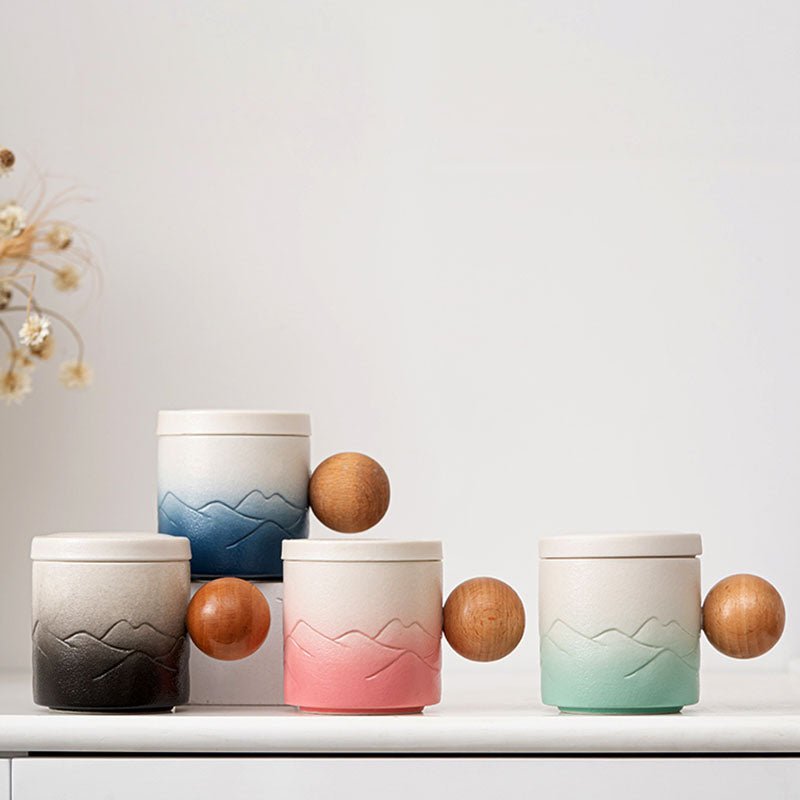
Halo Coffee Mug Buying Guide for Fit, Comfort, and Daily Use
A halo coffee mug should feel balanced in hand, sit flat on the counter, and work for the drinks you actually make. We break down the checks that matter before you buy.
Per saperne di più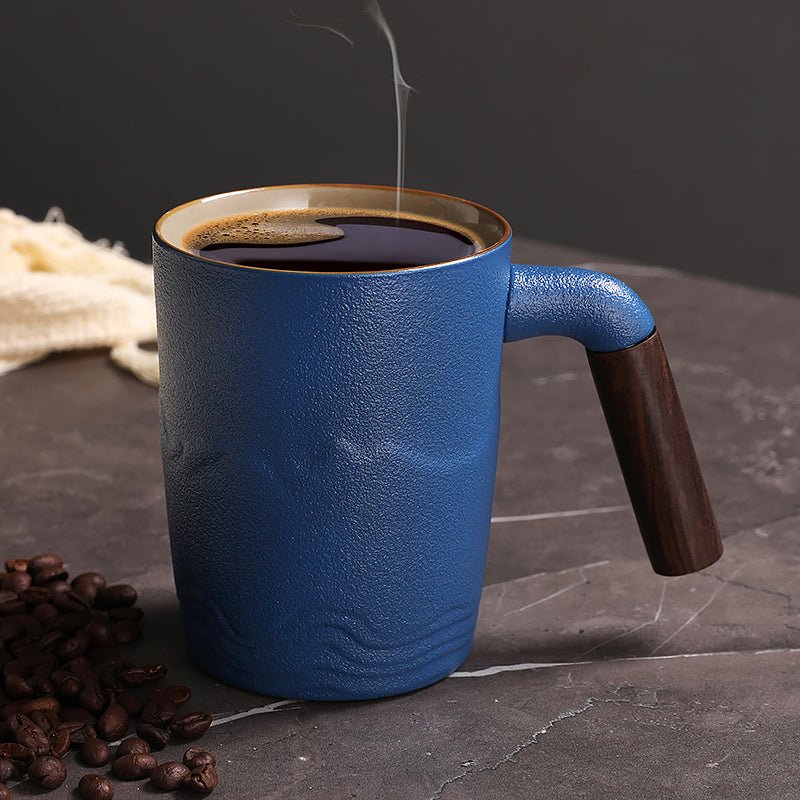
Ghost Coffee Mug: What to Look For Before You Buy
A practical guide to choosing a ghost coffee mug with the right size, feel, and finish for daily use or gifting. We break down what matters on a real kitchen counter, not just in product photos.
Per saperne di più
Commenta
Questo sito è protetto da hCaptcha e applica le Norme sulla privacy e i Termini di servizio di hCaptcha.