
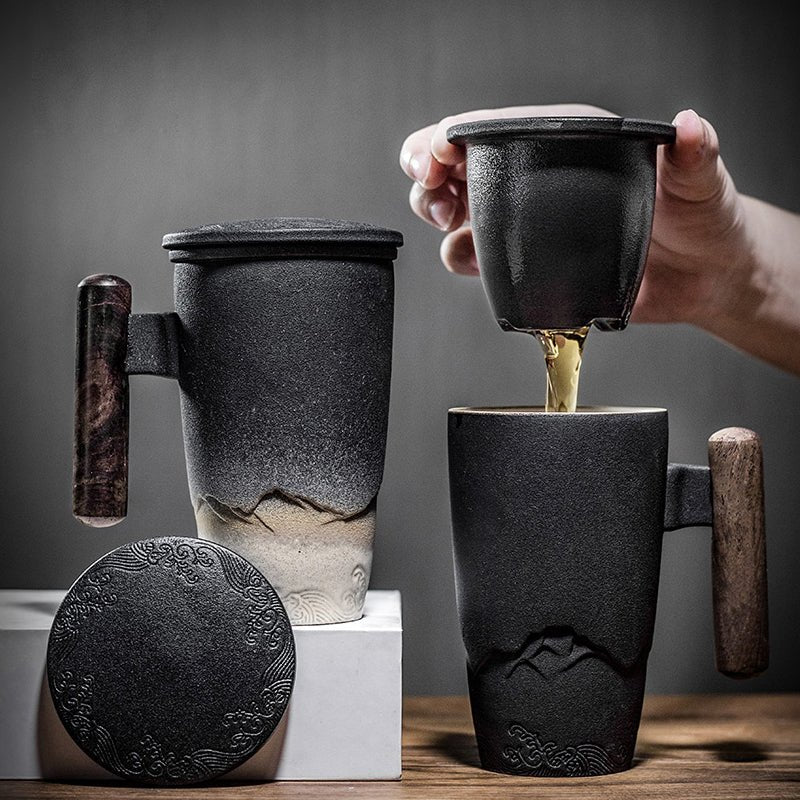
the view coffee mugs: what buyers should check before ordering
Reading time: about 9 minutes
A mug that looks great in a listing can feel awkward after one week on the desk. The handle rubs your knuckles, the rim drinks too hot, or the cup is just a little too small for the way you actually make coffee.
That is the real comparison behind the view coffee mugs. At CoffeifyMug, we look at drinkware the way shoppers use it: on a kitchen counter at 7 a.m., beside a laptop in the afternoon, or unwrapped as a gift and put straight into service. If you are comparing options, the details below will help you pick a mug that fits your routine instead of just your cart.
If you want to browse our current assortment first, start with our product page or see everything in one place on our full collection.
What should you check first on the view coffee mugs?
Start with the three things that decide daily satisfaction: capacity, handle comfort, and material. Those sound basic, but they solve most buyer regret before it happens.
We see the same pattern repeatedly in our store. A shopper chooses a mug because the print or color looks right, then realizes the real issue is that the mug does not match how they drink coffee. A pour-over at home, a pod machine at work, and a slow weekend refill all point to different mug sizes.
- Capacity: A 12 oz mug suits a standard drip coffee or tea. A 16 oz mug gives more room for milk, foam, or a longer drink session. Larger cups help if you refill less often, but they can feel bulky in smaller hands.
- Handle shape: A good handle should give at least enough clearance for two to three fingers without forcing your knuckles into the mug wall.
- Material: Ceramic is the common everyday choice because it holds heat well and feels familiar. Stoneware usually feels heavier and more substantial. Porcelain is lighter and tends to look more refined, but some buyers prefer the sturdier feel of thicker ceramic.
If you want a deeper size-specific breakdown, our guides on 12 oz Coffee Mugs: What to Check Before You Buy and 16 oz Coffee Mugs: What to Check Before You Buy cover the practical side in more detail.
Which size works best for everyday coffee?
For most people, size choice comes down to fill level, not just ounces on paper. A mug can be listed at 16 oz and still feel best when filled with 12 oz of coffee plus milk. Another mug at 12 oz may be perfect for black coffee but too tight for a cappuccino-style drink.
In our experience, buyers usually fall into one of these buckets:
| Drink habit | Usually fits best | Why it works |
|---|---|---|
| One standard drip coffee | 12 oz | Balanced size, easy to hold, less excess weight when full |
| Coffee with milk or creamer | 16 oz | More room for additives without feeling crowded |
| Big morning pour or work desk sipping | 20 oz+ | Less refilling, but heavier and less compact |
| Tea or hot chocolate | 16 oz | Room for longer sipping sessions and added toppings |
The trade-off is simple. Bigger mugs reduce refills, but they also take longer to warm up, may be too heavy when filled, and can crowd a dishwasher rack. Smaller mugs are easier to store and hold, but they may not match a large coffee order or a long work session.
If you are deciding between larger capacities, our article on 20 Ounce Coffee Mugs: What Buyers Should Check Before Ordering and our buyer’s guide to large capacity coffee mugs explain where bigger mugs make sense and where they do not.
Does material really change how the mug drinks?
Yes. Material affects weight, heat retention, chip resistance, and how the mug feels in hand. That is not marketing language; it is what customers notice after a few dishwasher cycles.
Here is how we usually explain it in our store:
- Ceramic: The most familiar daily-use option. It generally handles hot drinks well and feels comfortable on a kitchen table or office desk.
- Stoneware: Heavier and more grounded. Good if you like a sturdy mug, but not ideal if you want something lightweight for frequent carrying.
- Porcelain: Thinner and often a little more refined in appearance. It can feel elegant, but some shoppers find it less forgiving if they want a chunky grip.
- Enamel or metal alternatives: Useful for certain travel or camping setups, but usually not the first choice for someone who wants a classic desk or home coffee mug.
We do not recommend picking a material solely by appearance. A glossy finish can look clean and polished, but if the mug is prone to showing fingerprints or water spots, you may notice that every day. Likewise, very light mugs can feel elegant but may not satisfy buyers who prefer a solid hand feel.
Our team tends to judge a mug by three real-world tests: how it feels full, how the handle sits after a long sip, and whether it still looks good after a few dishwasher runs.
What comfort details separate a good mug from a frustrating one?
The small details matter more than people expect. A mug can have the right capacity and still be annoying if the lip is too thick, the handle is cramped, or the base feels unstable on a work desk.
These are the features we check before we list any mug in our store:
- Rim thickness: A thinner rim often feels better on the lips, while a thicker rim can feel sturdier but sometimes less refined.
- Handle clearance: If your fingers touch the mug body while lifting it, the mug may feel smaller than its stated capacity.
- Base stability: A wide enough base helps prevent easy tipping on crowded counters, bedside tables, and office desks.
- Interior shape: A tapered interior can concentrate aroma and look neat, while a straighter wall may be easier to clean.
For gift buyers, comfort also affects first impression. A mug that is pleasant to hold gets used. A mug that looks pretty but feels cramped often gets pushed to the back of the cabinet.
How should you compare style without picking the wrong mug?
Style matters, but only after the basics are covered. A beautiful mug should still work for your routine. If it is going to sit near a monitor, on a breakfast tray, or in a shared office kitchen, the finish and shape need to suit that setting.
We often see shoppers choosing between a cleaner, minimalist look and a more decorative mug. The right choice depends on the room and the use case:
- Minimalist styles: Fit kitchens with neutral decor, modern offices, and buyers who want something timeless.
- Decorative or seasonal styles: Better for gifting, holiday sets, or a cozy at-home coffee ritual.
- Bold statement mugs: Great if the mug is meant to be part of the personality on a desk or breakfast bar.
If your shopping leans more toward style-first options, our guides on Anthropologie Coffee Mugs: How to Compare Style, Size, and Everyday Use and Awesome Coffee Mugs: How to Choose a Mug You’ll Actually Use are helpful for narrowing down what looks good and still works day to day.
What care and durability details should you check before buying?
This is where many listings stay vague, but buyers should not. If a mug says dishwasher safe, that is useful only if the glaze, print, and handle still hold up after repeated cycles. The same goes for microwave use and daily wear at the rim.
We recommend checking these practical details:
- Dishwasher care: If you plan to use the mug daily, confirm that the finish is easy to clean and does not require handwashing to preserve the look.
- Microwave suitability: Some decorative finishes or metal accents are not microwave-safe.
- Chip points: The rim, handle joints, and base edge are the places most likely to show wear first.
- Print durability: If the mug has graphics or lettering, ask how the surface is finished and whether it is meant for regular washing.
We do not promise a mug will never chip. That would not be honest. A ceramic mug is still a ceramic mug. If you stack cups tightly, bump them in the sink, or let them knock against a stone counter, wear can happen. The goal is to choose a mug whose construction fits your habits.
Who should choose a smaller mug, and who should not?
A smaller mug is a better fit than many shoppers expect. It suits black coffee drinkers, tea drinkers, and anyone who wants a lighter cup that does not dominate a narrow shelf or crowded workspace.
That said, smaller mugs are not ideal for everyone. If you like large milk-based drinks, keep coffee warm for a long stretch, or dislike repeated refills, a compact mug will probably annoy you. It can also feel undersized for people who use big coffee makers or larger espresso-and-milk drinks.
Here is the simplest way to think about it:
- Choose smaller: if you want control, lighter weight, and easier storage.
- Choose larger: if you want fewer refills and more room for add-ins.
- Choose mid-size: if you want one mug that works for most drinks without feeling oversized.
If you are still not sure, our all products collection is the easiest way to compare shapes and sizes side by side before committing.
Frequently asked questions
What size are the view coffee mugs best for daily coffee?
Most buyers will be happiest with a 12 oz or 16 oz mug, depending on how much coffee they drink and whether they add milk or creamer. A 12 oz cup works well for a standard pour, while 16 oz gives more room without feeling oversized on a desk. If you regularly top off your mug, a larger size may suit you better.
Are the view coffee mugs good for microwave use?
That depends on the specific mug and finish. Many ceramic mugs are microwave-friendly, but decorative coatings, metallic accents, or specialty finishes may not be. Before buying, check the product details for microwave guidance rather than assuming every mug in the category is safe.
How do I know if a mug handle will be comfortable?
Look for enough space to fit two or three fingers without pressing your knuckles against the mug body. A handle that feels fine empty can still feel cramped once the mug is full, so capacity matters too. If you prefer a relaxed grip, choose a mug with a wider handle opening and a balanced weight.
What is the easiest mug material to care for?
For most shoppers, ceramic is the easiest everyday choice because it balances comfort, durability, and simple cleaning. It usually works well for dishwasher use, though the exact finish matters. If you want a lighter or more refined feel, porcelain may appeal to you, but it can be less substantial in the hand.
What should I avoid if I want a mug that lasts?
Avoid choosing a mug only for appearance if the handle feels tight, the base seems narrow, or the finish looks delicate for daily use. Also avoid decorative styles that require handwashing if you know you will use the dishwasher every day. The best long-lasting mug is the one that matches your real routine, not the one that looks best in a photo.
If you are ready to compare options, start with the basics: size, handle comfort, material, and care. Then check our product page for the current lineup, or open the full collection and narrow down the mug that fits your kitchen, desk, or gift list best.
More from our blog
Read more
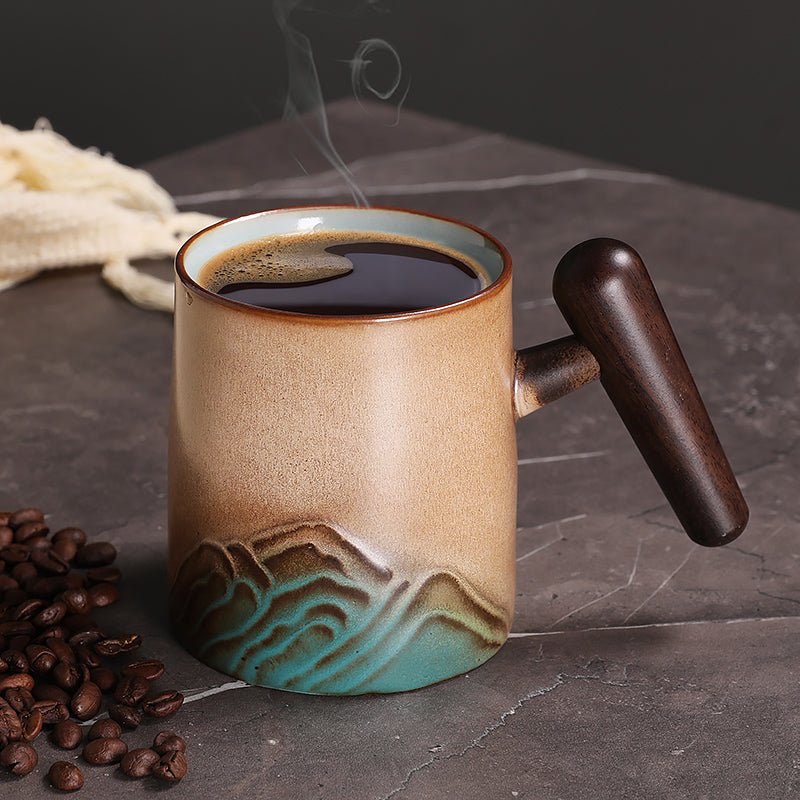
Large Mug Buying Guide: Size, Materials, and Daily Use
A practical guide to choosing a large mug that actually fits your routine, from morning coffee refills to office desk use and dishwasher care. We cover size trade-offs, materials, and the small det...
Per saperne di più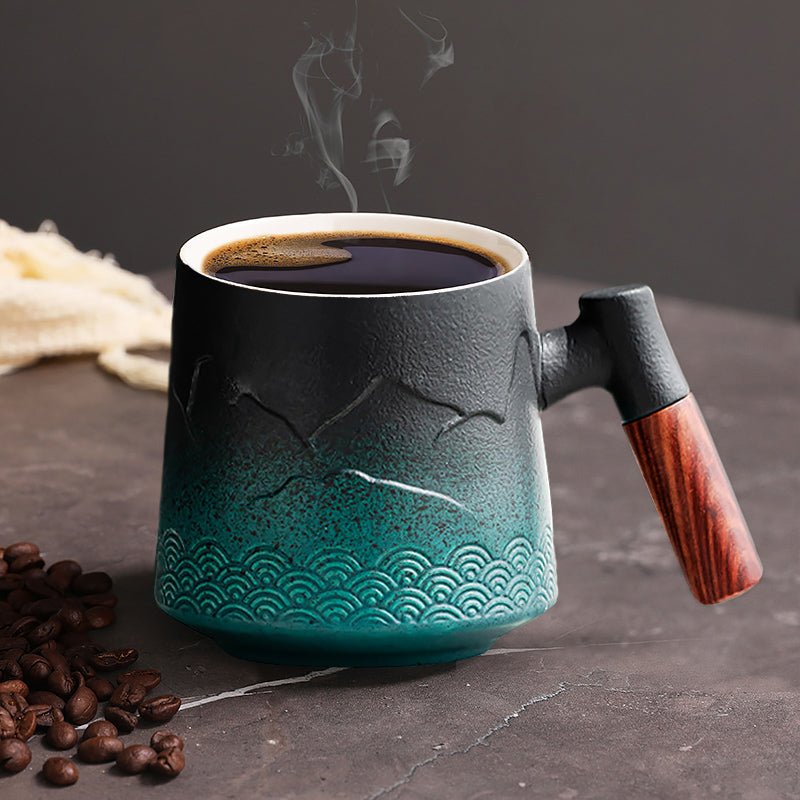
Wooden Mug Buying Guide: What to Check Before You Buy
A wooden mug looks simple, but the details matter: the wood type, liner, finish, and care routine change how it feels in daily use. Here’s what we check before we recommend one.
Per saperne di più
Commenta
Questo sito è protetto da hCaptcha e applica le Norme sulla privacy e i Termini di servizio di hCaptcha.