
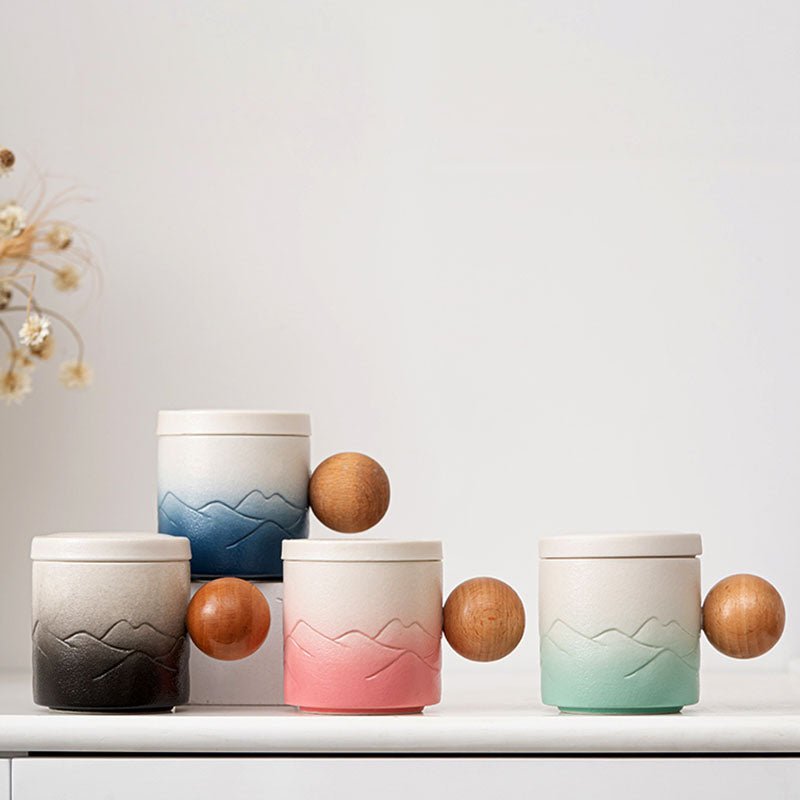
Tea in a Big Mug: What to Look for Before You Buy
Reading time: about 9 minutes
A half-finished mug that has gone lukewarm on a desk is usually the reason people start looking for tea in a big mug. We see it all the time in our store: shoppers want fewer refills, a more relaxed morning, and a mug that still feels comfortable when it is full.
The tricky part is that bigger is not automatically better. A large mug can solve the refill problem, but if the opening is too wide, the handle is too tight, or the mug feels top-heavy, you end up with a cup that looks good and works poorly. If you want a place to start, take a look at our The Rock Coffee & Tea Mug, then compare it with the rest of the range in our collection of mugs and drinkware.
What should a good big tea mug actually solve?
A good big tea mug should do three things at once: hold enough tea to matter, stay comfortable in the hand, and survive normal daily use. That sounds basic, but a lot of large mugs fail one of those jobs. Some are too shallow, so the tea cools too fast. Some are too bulky, so the handle feels awkward once the mug is full. Others chip too easily around the rim after a few dishwasher cycles.
For buyers, the goal is not just capacity. It is the overall drinking experience. A mug that fits a standard tea bag, a loose-leaf infuser, or a splash of milk should still pour cleanly, sit steadily on a desk, and not feel like a small bowl with a handle. That is the kind of practical fit we look for when we choose products for our store.
- Enough capacity: fewer refill trips during work or reading.
- Good balance: the mug should not feel nose-heavy when full.
- Comfortable mouthfeel: the rim should not feel thick or sharp.
- Easy care: a glaze that wipes clean matters more than fancy styling.
If you want a broader buying framework before you compare individual mugs, our Big Tea Mug Buying Guide for Size, Comfort, and Daily Use covers the same decision from a more general angle.
Which size works best for daily tea?
For most tea drinkers, the sweet spot is a mug that feels generous without turning every pour into a commitment. A mid-size large mug usually works better than an oversized novelty piece. If you drink one bag of black tea, a herbal blend, or a simple green tea, a mug in the practical large range gives you room for water, leaves or an infuser, and a little milk if that is how you drink it.
Very large mugs have a trade-off: they hold more tea, but they also expose more surface area to air. That means your drink can cool faster if you sip slowly. They also get heavier as they fill, which matters more than people expect when the mug is lifted one-handed from a desk or kitchen counter.
| Size style | Best for | Main trade-off |
|---|---|---|
| Compact large mug | Tea bag drinks, smaller servings, quick refills | Less room for milk or loose-leaf expansion |
| Mid-size big mug | Most daily tea routines, desk use, mixed tea styles | Still cools faster than a covered cup or thermos |
| Oversized mug | Long reading sessions, people who hate refills | Heavier when full and easier to overfill |
In our experience, shoppers who plan to use tea in a big mug at a desk usually prefer the middle ground. It feels practical, not oversized. If you are comparing several shapes, our Big Mugs for Tea: How to Choose the Right Large Mug walks through the same choice with a stronger focus on daily comfort.
Which materials and shapes work best for tea?
Most people end up choosing ceramic or stoneware for a reason. Ceramic is common because it is easy to clean, usually feels comfortable in the hand, and does not introduce any strange taste. Stoneware is often a little heavier and can feel more substantial on a desk. That extra weight can be a plus if you want the mug to feel grounded, but it is not ideal if you want the lightest possible cup.
Shape matters just as much as material. A mug with a wider mouth lets tea cool faster and makes it easier to stir in honey or milk. A taller, slightly narrower mug tends to retain heat a little better and can feel more stable in the hand. Neither shape is universally better. The right one depends on how quickly you drink and whether you prefer to steep in the mug or pour from a separate vessel.
There are also a few real-world defect modes we look for when checking large mugs:
- Rough glaze at the lip: uncomfortable on the mouth and a sign the finish was not cleaned up well.
- Hairline cracks near the handle: often the first place stress shows up after repeated washing or heating.
- Uneven bases: a mug that rocks on the counter is frustrating on a desk and easy to spill.
- Weak handle joins: the handle should feel solid, not flex when the mug is full.
That is why a mug can look attractive online and still be the wrong buy for everyday tea. If the body is beautiful but the handle is cramped, the mug will not get used. If the glaze is glossy but the rim feels sharp, the first few sips tell the truth fast.
How do you judge comfort before you buy?
Comfort starts with the handle. If you can fit two fingers through it without scraping your knuckles, that is usually a good sign for a mug intended for daily use. A handle that is too small becomes annoying once the mug is hot and full, especially if you tend to carry it from the kettle to your desk in one trip.
Rim thickness matters too. A very thick rim can make the mug feel heavy in a bad way, even if the actual weight is reasonable. A very thin rim can feel sharp or fragile. We prefer a rim that feels smooth and finished rather than overly sculpted. The same goes for the base: a stable mug should sit flat on a counter, a tray, or a crowded office desk without wobbling.
- Handle clearance: check that your fingers do not press against the mug body.
- Weight distribution: the mug should feel balanced before you even sip.
- Rim feel: smooth, finished, and easy to drink from.
- Base stability: flat enough to trust on a work surface or bedside table.
These details sound small, but they are the difference between a mug that gets used every day and one that gets pushed to the back of the cabinet.
How does a big mug behave on a desk, in the microwave, and in the dishwasher?
On a desk, the best big tea mug is the one that feels calm and predictable. It should not slosh when you move it, and it should not leave you worrying about a narrow base or a handle that swings too far out. For office use, a mug with a stable footprint is more useful than a decorative shape that looks good in photos but feels precarious beside a laptop.
In the microwave, simple ceramic and stoneware usually make the most sense, provided the product care instructions allow it. Avoid mugs with metallic paint, foil-style trim, or any decoration that is clearly not meant for heat. In the dishwasher, the mug should hold up to repeated cleaning without the glaze looking dull or the printed design fading too quickly. Strong tea can stain lighter interiors, so a smooth glaze is worth more than people think.
We see the same pattern in gift unboxings too. A big mug only feels like a good present if it is easy to imagine using on Monday morning, not just on a shelf. That is why we pay attention to practical details like easy-grip handles, finishes that wipe clean, and shapes that do not dominate a place setting.
Which big mug is not the right choice for tea?
A large mug is not the best fit if your main priority is keeping tea hot for a long time. The more open the mug, the faster the surface cools. If you sip very slowly, a lidded cup, insulated tumbler, or a smaller mug with a saucer may be the better tool.
It is also not the best choice if you want a very light travel-style feel. A big ceramic mug is meant for the kitchen, the desk, or the sofa. It is not a grab-and-go cup. And if you regularly use tea leaves that need deeper brewing space, a wide, shallow mug can be less practical than a taller vessel or a teapot with a proper infuser.
Trade-offs matter here. A big mug gives you comfort and fewer refills, but you give up some heat retention and portability. That is a fair exchange for many buyers, just not all of them.
Frequently asked questions
What size mug is best for tea in a big mug?
For most daily tea drinkers, a mid-size large mug is the safest choice. It gives you enough room for water, a tea bag or infuser, and a little extra without feeling oversized. If you know you want fewer refills and you drink quickly, a larger mug can work, but it will usually cool faster.
Is ceramic or stoneware better for a large tea mug?
Both work well, and the better choice depends on how you like the mug to feel. Ceramic often feels a bit lighter and is easy to live with day to day, while stoneware usually feels heavier and more substantial. If the mug will live on a desk or kitchen counter, either can be a strong choice as long as the glaze is smooth and the handle feels secure.
Will a big mug keep tea hot longer?
Not usually. A bigger mug gives you more volume, but it also exposes more tea to air, which can make the drink cool faster than in a smaller cup. If heat retention is the top priority, look at a lidded mug or a more insulated drinkware style instead.
Is tea in a big mug good for loose-leaf tea?
Yes, if the mug has enough depth for an infuser or enough room for the leaves to open up properly. A very shallow, wide mug can be less ideal because it cools quickly and may not give the leaves enough height to steep well. If you use loose-leaf tea often, check the mug opening and interior shape before you buy.
Can I put a big tea mug in the dishwasher?
Often yes, but follow the care instructions for the specific mug. Plain ceramic and stoneware mugs are usually straightforward to wash, while metallic accents, hand-painted details, or special finishes may need gentler care. If you want a mug for daily use, dishwasher compatibility is one of the first details we recommend checking.
If you want the simplest next step, start with The Rock Coffee & Tea Mug, then compare it against the full collection using the same checklist: handle clearance, rim comfort, base stability, and whether the size matches how you actually drink tea.
More from our blog
Read more
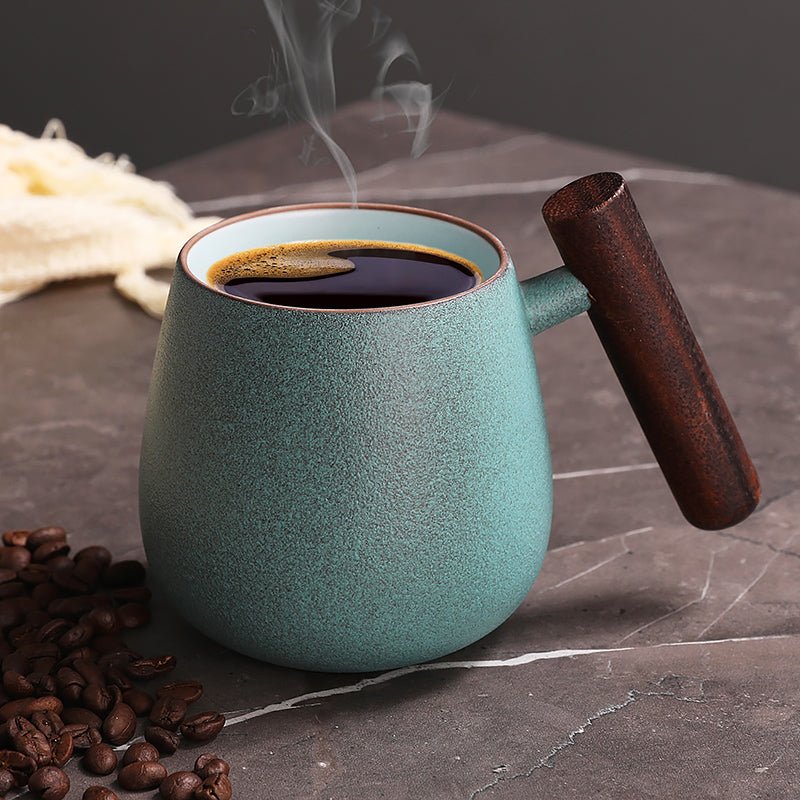
Pottery Coffee Mug Buying Guide: What to Check Before You Buy
A pottery coffee mug should feel balanced, fit your hand, and hold heat without becoming awkward on the desk. We break down the size, finish, and shape checks that matter before you buy.
Per saperne di più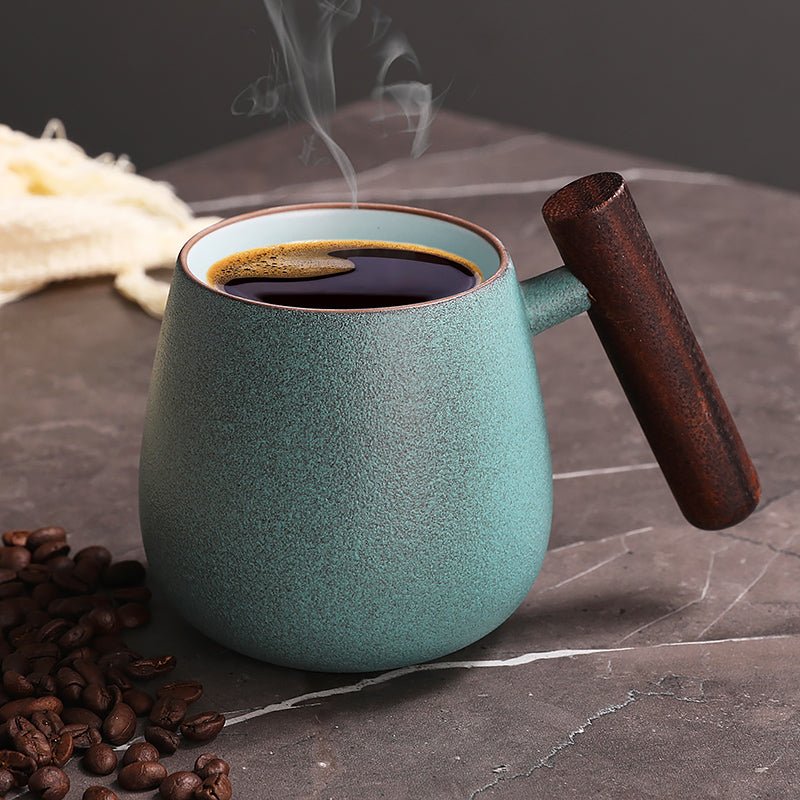
How Many Ounces in a Standard Coffee Mug? Practical Size Guide
A standard coffee mug usually lands around 8 to 12 oz, but the useful pour is often less than the brimful number. We break down real sizes, what fits best, and what to check before buying.
Per saperne di più
Commenta
Questo sito è protetto da hCaptcha e applica le Norme sulla privacy e i Termini di servizio di hCaptcha.