
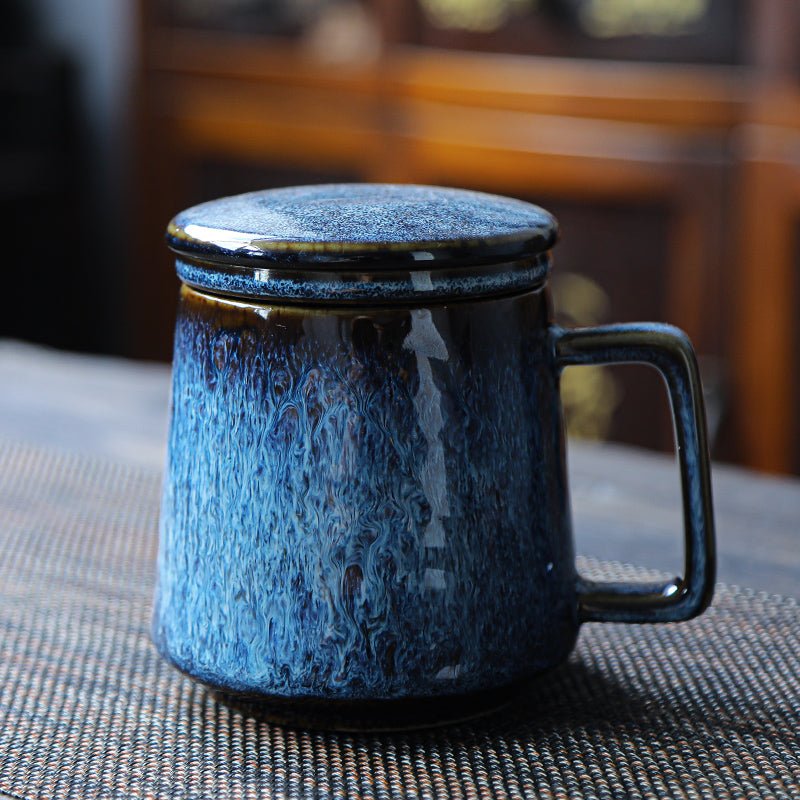
Stone Coffee Mugs: How to Choose the Right Shape, Size, and Finish
Reading time: about 10 minutes
Some mugs look good on a shelf and feel wrong the first time you wrap your hand around them. Stone coffee mugs are the opposite when they are chosen well: they feel steady, keep a drink warm long enough to finish it, and look intentional on a kitchen counter, an office desk, or a gift table. In our store, we see the same pattern over and over. Buyers want something solid, but not bulky; attractive, but not so decorative that it becomes a display piece only.
That balance is the point of this guide. We handle and compare mugs for real use, not just photos. If you want to jump straight into a style, start with the Pleated Coffee Tea Cup, then compare it with the Golden Waves Kio Coffee Tea Mug and the The Flow Coffee Tea Mug. If you want to browse the full range first, our all collections page is the fastest place to compare options.
What makes stone coffee mugs different from other mugs?
Most stone coffee mugs are made from stoneware, a dense ceramic fired at a high temperature. That density gives the mug a heavier feel, better heat holding than thin lightweight cups, and a more substantial rim and wall. It also means you are buying a mug that feels stable in the hand, especially when the mug is full and sitting on a smooth desk or a busy kitchen counter.
The trade-off is simple. Stoneware is not the lightest material, and that matters if you are used to a featherweight mug. It can also chip if it takes a hard hit in a sink or against a metal rack. For shoppers who care more about comfort, warmth, and a grounded feel than about weight savings, stone coffee mugs usually make sense.
Three details separate a mug you will use every day from one that just looks nice in a product photo:
- Wall thickness: thicker walls usually hold heat better, but they also make the mug heavier.
- Foot ring finish: a smooth, even base helps prevent scratching on tabletops and feels more refined in hand.
- Handle clearance: enough room for two to three fingers matters more than people expect, especially if you drink coffee before the mug cools down.
If you want a broader breakdown of these physical details, our Stone Coffee Mugs: Size, Weight, and Finish Buying Guide covers the same category from the measurements we actually look at before we list a mug.
Which size should you buy for daily coffee?
We usually start with the drink, then the routine. A mug for a quick drip coffee on a kitchen counter does not need the same capacity as a mug for a latte at a desk or a second cup during a long morning meeting. Stone coffee mugs often feel larger than they measure because the walls are thicker than glass or thin porcelain, so the usable space matters more than the printed capacity alone.
Here is the simplest way to match size to use:
| Capacity range | Best for | What to watch |
|---|---|---|
| 10 to 12 oz | Classic drip coffee, smaller hands, tighter cabinet storage | May feel too small for milk-heavy drinks or long pours |
| 13 to 14 oz | Everyday all-round use, longer drinks, office mugs | Can feel heavier on a crowded desk if the handle is small |
| 15 to 16 oz | Larger pours, lattes, people who dislike refills | More weight, more cabinet space, and a bigger footprint under some machines |
If you are choosing by capacity first, our companion posts on 12 oz Coffee Mugs: How to Choose the Right Mug for Daily Use and 16 oz Coffee Mugs: How to Choose the Right Mug for Daily Use are useful side-by-side reads. They help if you are torn between a mug that feels compact and one that is better for longer drinks.
We usually tell office buyers to think about the desk, not just the drink. A wider mug can be annoying beside a laptop. A taller mug can be awkward under a cabinet shelf or coffee machine. A balanced stone coffee mug with a comfortable handle tends to work best when the mug will move between kitchen, desk, and dishwasher all week.
Which finish and shape hold up best in real use?
Finish is not cosmetic only. It changes how the mug wears, how easy it is to clean, and how it feels after a month of use. A glossy glaze is usually easier to wipe down after coffee drips or tea stains. A matte finish can look warmer and more handcrafted, but it may show utensil marks sooner and needs a bit more care if you stack mugs tightly.
Shape matters just as much. A mug with a slightly flared rim can feel nicer on the lip, while a straighter wall can hold heat a little longer. A rounded body often feels better in the hand, but it may be less stable if the base is too narrow. We pay close attention to the base because a mug that rocks even slightly on the counter gets noticed fast in daily use.
These are the common problem points we look for:
- Pinholes in glaze: small surface pits that can collect residue if the glaze is uneven.
- Crazing: fine lines in the glaze that may appear over time, especially after repeated hot-cold cycles.
- Rough foot rings: a base that is not smoothed well can scratch wood or lacquered surfaces.
- Handle attachment points: the handle should feel secure and smooth where it joins the body, not sharp or cramped.
For shoppers comparing finish, weight, and hand feel, the Stone Coffee Mugs: Size, Weight, and Finish Buying Guide is the best companion to this article. It goes deeper on the tactile details we use when we decide whether a mug belongs in the store.
One limitation worth saying out loud: stone coffee mugs are not the right choice if you want an ultra-light travel mug, a cup for commuting in a bag, or the thinnest possible vessel for espresso. They are built for stability and everyday table use, not portability.
Which stone coffee mugs fit kitchen, office, and gifting use?
Different buying situations call for different priorities. A mug for your own kitchen can be more practical and less decorative. A mug for an office desk needs a comfortable handle and a stable base. A mug for gifting needs visual appeal straight out of the box, because the unboxing moment matters.
Here is how we would split the current styles in our store:
| Mug | Best fit | Why it works | Trade-off |
|---|---|---|---|
| Pleated Coffee Tea Cup | Everyday home use | The textured form adds grip and a more tactile hand feel | The shape is more distinctive, so it may not suit a very minimal setup |
| Golden Waves Kio Coffee Tea Mug | Gift giving | The visual finish does a lot of work before the first sip | More decorative than plain white stoneware, so it is less neutral |
| The Flow Coffee Tea Mug | Desk use and balanced daily drinking | Clean shape, steady feel, and easy pairing with other tableware | Less surface texture than the more sculpted options |
If you are shopping for a gift, the best choice is usually the mug that looks finished from the first glance and still feels comfortable after a full cup. That is where stone coffee mugs do well. They feel more substantial than a thin ceramic cup, and they usually photograph nicely in a gift box or on a kitchen shelf. They are less ideal only when the recipient prefers a very light mug or wants a cup for frequent travel.
If you want to compare every style in one place, our all collections page is the quickest starting point before you narrow down shape, finish, and capacity.
How should you care for stone coffee mugs so they last?
Most damage to stoneware starts with small habits, not dramatic accidents. A mug dropped into a crowded sink, slammed against a faucet, or moved quickly from cold storage to very hot liquid has a better chance of developing chips or stress marks. That is true for almost any ceramic, but stone coffee mugs are especially worth treating as everyday tableware, not indestructible gear.
Our practical care notes are simple:
- Wash with a soft sponge when possible, especially if the finish is matte or textured.
- Dry the foot ring so moisture does not sit in the base after washing.
- Avoid sudden temperature swings, such as pouring boiling liquid into a mug that has been sitting very cold.
- Do not use abrasive scrubbers on decorative glaze unless the finish is meant for that kind of cleaning.
If the product page says a mug is dishwasher-safe or microwave-safe, follow that guidance. If it does not, we recommend treating the mug more carefully and using hand washing as the conservative option. That is especially true for mugs with metallic decoration or highly textured surfaces, because those details are the first places where wear tends to show.
For buyers comparing larger capacities and daily use, the 14 Ounce Coffee Mugs: Fit, Materials, and Buying Tips is a useful related read if you are sitting between compact and oversized.
Which stone coffee mugs should you pick if you want the safest buy?
If you want the safest buy, choose the mug that fits your drink size, clears your storage space, and feels comfortable in a two-minute hold. That sounds basic, but it prevents most returns. We see fewer regrets from shoppers who measure the actual place the mug will live, not just the cup itself.
A simple comparison checklist helps:
- Check the capacity against your normal pour, not the largest coffee you ever make.
- Hold the mug by the handle and make sure your fingers are not cramped.
- Look at the base and rim for smooth finishing, especially if you care about tabletop protection.
- Decide whether you want a plain daily mug or a more decorative piece that also works as a gift.
- Confirm care expectations before you buy so you know how the mug should be washed and used.
Our own picks line up with different buyer types. The Flow Coffee Tea Mug is the cleanest all-around option if you want something balanced for work and home. Golden Waves Kio Coffee Tea Mug makes more sense if the mug has to look good before it gets used. Pleated Coffee Tea Cup is the one we would point to for shoppers who want more texture and a little more character in hand.
Frequently asked questions
Are stone coffee mugs too heavy for everyday use?
Not usually, but they are heavier than thin ceramic or glass cups. If you prefer a mug you can lift with almost no effort, stoneware may feel too substantial. If you want a steadier mug that feels planted on the desk or counter, the extra weight is part of the appeal.
Do stone coffee mugs keep coffee hotter longer?
They usually hold heat better than very thin mugs because the walls are thicker and denser. That does not make them insulated, so the drink will still cool, just more gradually. If you sip slowly over a long meeting, stoneware tends to be more forgiving than lightweight cups.
What size stone coffee mug is best for a regular drip coffee?
Most shoppers are happiest in the 12 to 14 oz range for a normal drip coffee. That size leaves room for milk, cream, or a little extra pour without forcing you into a bulky mug. If you regularly make larger drinks, move up to 16 oz and check that the handle still feels comfortable.
Are stone coffee mugs good for office desks?
Yes, as long as the base is stable and the handle is comfortable to hold. A mug that is too wide can crowd a keyboard or notebook, so size matters more at a desk than people expect. If you work around electronics, choose a mug that feels secure with one hand and does not wobble on a flat surface.
What defects should I check for before buying stone coffee mugs?
Look for rough foot rings, glaze pinholes, uneven rims, and handle joins that feel sharp or cramped. Small cosmetic variation is normal in stoneware, but the mug should still sit level and feel good in the hand. If the finish looks beautiful but the base feels rough on the table, that is a real usability issue, not just a detail.
Before you buy, check three things: capacity, handle comfort, and finish. If you want to compare styles side by side, start with our all collections page and narrow down from there based on the mug you will actually use every day.
Read more
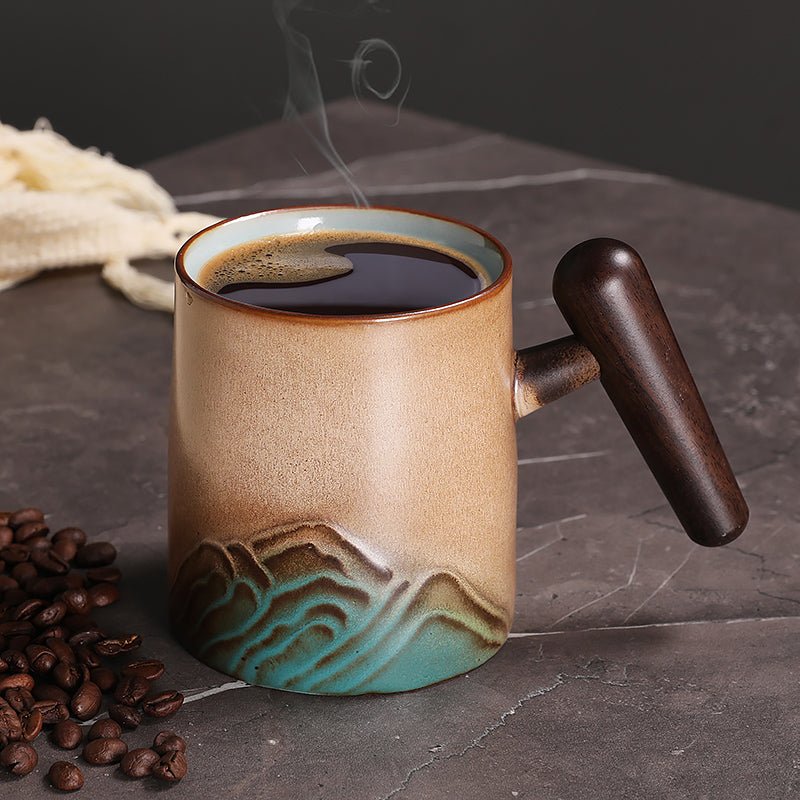
Mens Coffee Mugs: Size, Style, and Practical Buying Guide
Mens coffee mugs are a fit decision, not just a style choice. This guide compares size, material, handle feel, and gift-ready designs so you can pick a mug that gets used every day.
Per saperne di più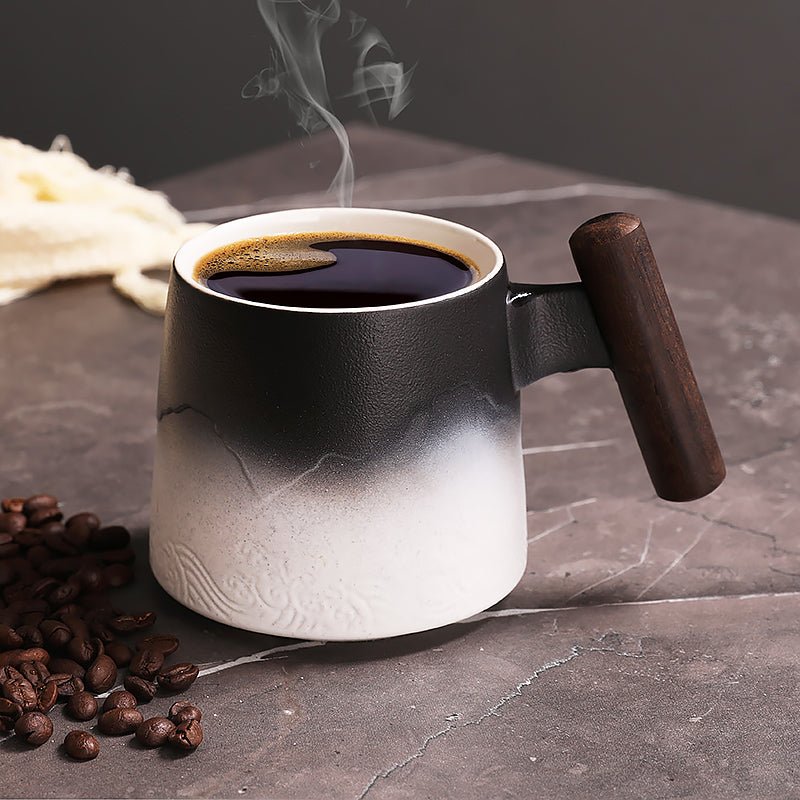
Luxury Coffee Mugs: What Buyers Should Check Before Buying
Luxury coffee mugs are about balance, finish, and everyday durability, not just looks. We break down what to check at the sink, on a desk, and in a gift box before you buy.
Per saperne di più
Commenta
Questo sito è protetto da hCaptcha e applica le Norme sulla privacy e i Termini di servizio di hCaptcha.