
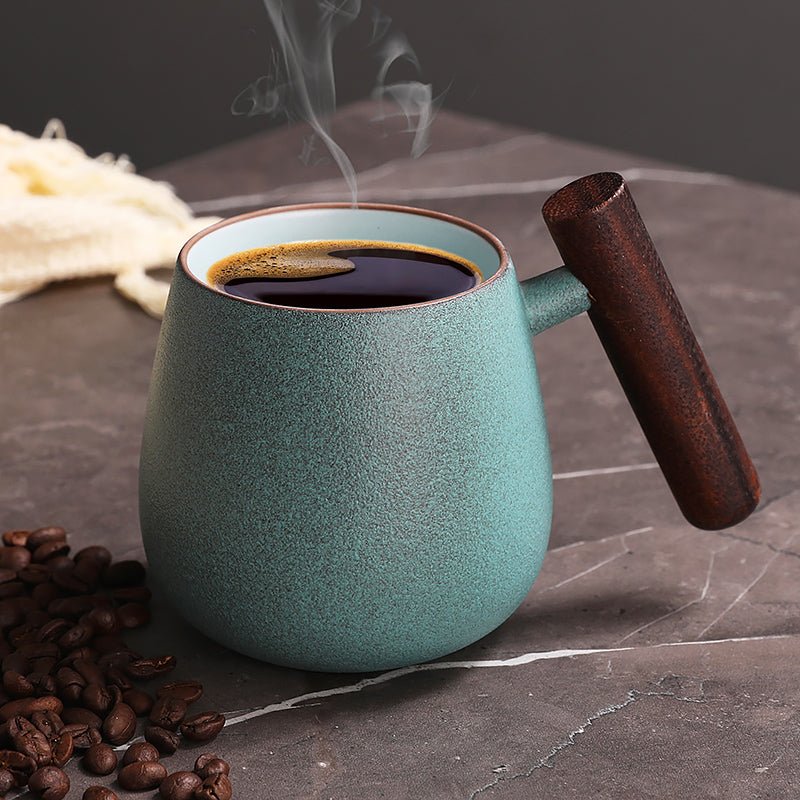
Regular Coffee Mug Size: What Buyers Should Look for Before Buying
Reading time: about 8 minutes
A mug can look right on the product page and still feel wrong the first morning you use it. We see that all the time: a cup that seemed "regular" turns out too tall for the espresso machine, too wide for the hand, or too small for the amount of coffee someone actually drinks before lunch.
That is why the regular coffee mug size question matters more than most shoppers expect. A true everyday mug is not just about volume. It is about balance, handle comfort, cabinet clearance, dishwasher durability, and whether the mug makes sense for your routine at home or at the office.
For a broader comparison of sizing terms, our guides on Average Coffee Mug Size: What Buyers Should Expect and Coffee Mug Dimensions: How to Choose the Right Size are useful companions. Here, we are focusing on what buyers actually mean when they ask for a regular mug and how to choose one that fits real use.
What does a regular coffee mug size usually mean?
In everyday shopping, a regular mug usually lands in the common drinkware range rather than the oversized travel-mug category or the tiny espresso cup category. For many buyers, that means something around 8 to 12 ounces, with 10 ounces often feeling like the practical middle ground.
That range works because it matches how most people drink coffee at home: one standard pour from a drip machine, a longer black coffee, or a small latte with room for milk. It is also small enough to stay comfortable in a cabinet and on a crowded desk, which matters more than people admit until they are stacking mugs beside a kettle, a sugar jar, and a laptop.
But "regular" is not universal. A mug that feels normal for black coffee may feel undersized for someone who likes lots of milk. A mug that suits a tea drinker may be too large for a short morning pour. That is why volume alone should not decide the purchase.
If you want a deeper sizing breakdown, our post on Coffee Mug Ounces: How to Choose the Right Mug Size helps translate ounces into daily use.
How do you tell if a mug will feel regular in daily use?
We look at four practical things in our store before we call a mug "everyday":
- Capacity: around 8 to 12 ounces is the most common regular range.
- Rim shape: a slightly flared or smooth rim feels better for repeated sipping than a sharp, thin edge.
- Handle clearance: fingers should pass through without scraping the cup wall or forcing an awkward grip.
- Base stability: a mug that sits flat and does not wobble matters on a desk, tray, or dish rack.
We also pay attention to how the mug behaves after a few dishwasher cycles. Glaze that looks fine on day one can show fine cutlery marks later if the finish is too soft. Handles can feel solid in photos and still be uncomfortable if the opening is too narrow for an average hand. These are small details, but they are usually what separates a mug people keep from one they relegate to the back of the cupboard.
If you are comparing mug forms more broadly, Coffee Mug Size Guide: How to Choose the Right Fit Before Buying is a good follow-up read before you commit.
Which mug shape feels best if you want a regular-size cup?
Shape changes how a mug feels more than many shoppers expect. Two mugs with the same stated capacity can feel very different in the hand.
At CoffeifyMug, we often see buyers narrow their choice once they think about how they actually drink. A few examples from our assortment:
- Retro Coffee Tea Cup suits buyers who want a classic, compact silhouette that feels familiar on a kitchen shelf or desk.
- Ball Handled Coffee Tea Mug is a better pick if you want a distinctive handle shape and a mug that stands out without becoming oversized.
- Pleated Coffee Tea Cup works well for shoppers who like a more decorative profile but still want something in the everyday mug category.
Each of these can suit a regular coffee mug size need, but none of them is ideal if your priority is a giant one-pour breakfast cup. If you regularly add lots of milk, make oversized pour-overs, or want a bowl-like mug for soup, you should probably look beyond the standard everyday profile.
What materials and construction details matter most?
Material affects weight, heat retention, chip resistance, and how the mug feels after washing. For regular mugs, ceramic is still the most common choice because it balances daily durability with an easy drinking feel. It usually does not drink as hot as thinner metal cups, and it tends to feel more stable on a table than ultra-light drinkware.
We also look for a few construction details that are easy to miss on a product page:
- Glaze consistency: an even glaze reduces rough spots and gives the mug a cleaner finish.
- Handle join: the handle should connect smoothly to the body without obvious gaps or weak points.
- Wall thickness: too thin can feel fragile; too thick can make the mug heavy and slow to cool.
- Foot ring: a clean base helps the mug sit level and keeps it from scratching shelves or trays.
For care, we recommend checking whether a mug is dishwasher safe and whether the decoration is surface-printed or integrated into the glaze. Surface decoration can wear differently over time, especially with repeated washing, abrasive sponges, or strong detergents. If you like to hand wash occasionally, use a soft sponge and avoid banging mugs together in the sink. That matters more than people think.
For buyers comparing smaller kitchen setups, Best Ceramic Mug Size for a Small Coffee Corner is useful because it gets into storage and counter-space trade-offs.
What should you choose if you want one mug for coffee, tea, and guests?
If you want one mug to do a lot of jobs, aim for a regular size that is neutral rather than specialized. That usually means a mug that is comfortable with black coffee, does not overflow when a splash of milk is added, and still feels polished enough to set down for a guest.
Our practical rule is simple:
- Choose a capacity that matches your usual pour, not your occasional biggest drink.
- Prioritize handle comfort over decorative novelty if the mug will be used every morning.
- Prefer a stable base if the mug will live on a cluttered counter or office desk.
- Check the dishwasher note before you buy if the mug will be used often.
If you are unsure which style to choose, browse our full collection and compare forms side by side. That is often faster than trying to infer comfort from one product photo.
A regular mug is also the safest gift choice when you know the person drinks coffee daily but do not know their exact habits. It is not the best gift for someone who only drinks huge iced coffees, nor for someone who wants a tiny decorative cup collection. It is the practical middle.
What are the common mistakes buyers make with regular mug sizing?
The biggest mistake is confusing appearance with usability. A mug can look compact and still hold more than expected because of its shape. Another common mistake is ignoring handle size. A mug may be the right volume but feel awkward if the handle is too small for comfortable fingers, especially during a full-hot drink pickup.
We also see shoppers miss the context of use. A mug that works beautifully for a sofa-side coffee break may not fit under a machine in a small home bar setup. A mug that is perfect for a quiet desk can feel too short if the drinker prefers lots of foam or a generous serving of tea.
Finally, buyers sometimes overcorrect and choose oversized mugs because they think bigger is automatically better. That often backfires: the drink cools more slowly at first, but the mug becomes heavier, takes more cabinet space, and can be harder to finish before the last sip gets lukewarm.
Frequently asked questions
What is the most common regular coffee mug size?
The most common regular coffee mug size is usually around 8 to 12 ounces, with 10 ounces often feeling like the standard everyday option. That range works for drip coffee, tea, and smaller milk-based drinks without taking up too much cabinet or desk space.
Is a 12 oz mug still considered regular size?
Yes, a 12 oz mug is still often treated as a regular mug, especially for buyers who want a little extra room for milk or cream. It may feel closer to the upper end of standard size, so it is better if you drink a full cup rather than a small pour.
What size mug is best for daily coffee at home?
For most people, a 10 oz mug is the safest daily-use choice because it fits standard pours without feeling oversized. If you usually make larger drinks or add a lot of milk, step up to 12 oz.
Are ceramic mugs better than glass or metal for a regular size mug?
Ceramic is usually the most practical choice for a regular-size mug because it feels balanced in the hand and suits most kitchens. Glass can show stains and temperature changes more clearly, while metal is better for travel or heat retention than for a classic desk or kitchen mug.
What should I check before buying a regular coffee mug online?
Check the capacity, handle opening, base width, and care instructions before you buy. If the listing does not show those details clearly, use the product photos and size comparisons carefully, because a mug can look regular and still feel too small or too bulky once it arrives.
If you want the simplest next step, compare your current mug to the sizes listed on our product pages, then open the full collection and pick the shape that fits your cabinet, your coffee maker, and your grip. If you are still deciding, start with one of the standard ceramic styles above and choose the one that matches how you actually drink every morning.
Read more
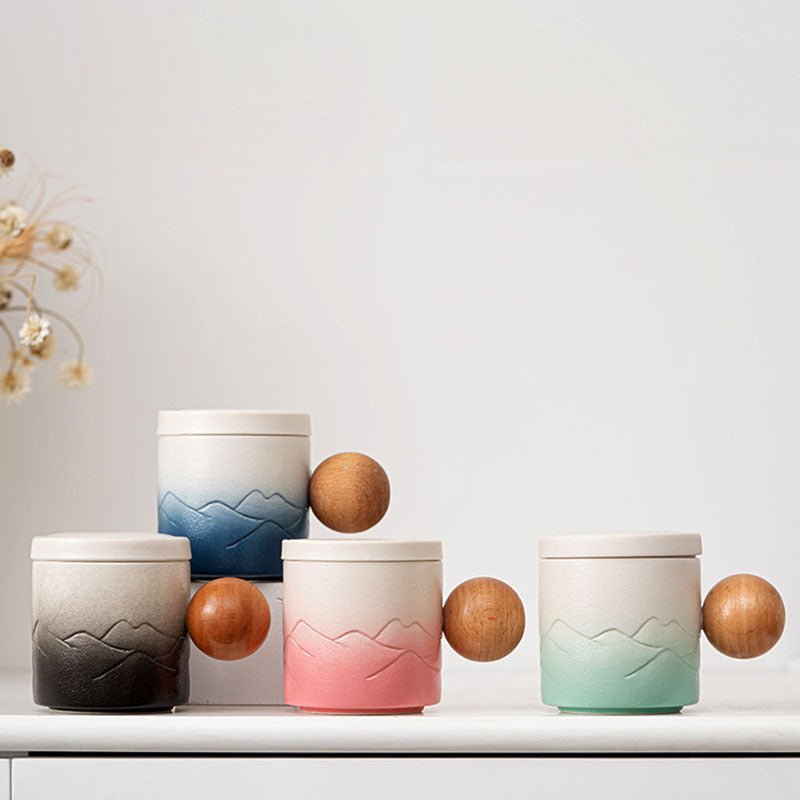
Grandma Grandpa Coffee Mugs: What to Buy for Daily Use
Grandma grandpa coffee mugs should feel good in the hand, hold up to daily washing, and suit the way they actually drink. Here’s how we compare size, shape, and gift-ready options before you buy.
Per saperne di più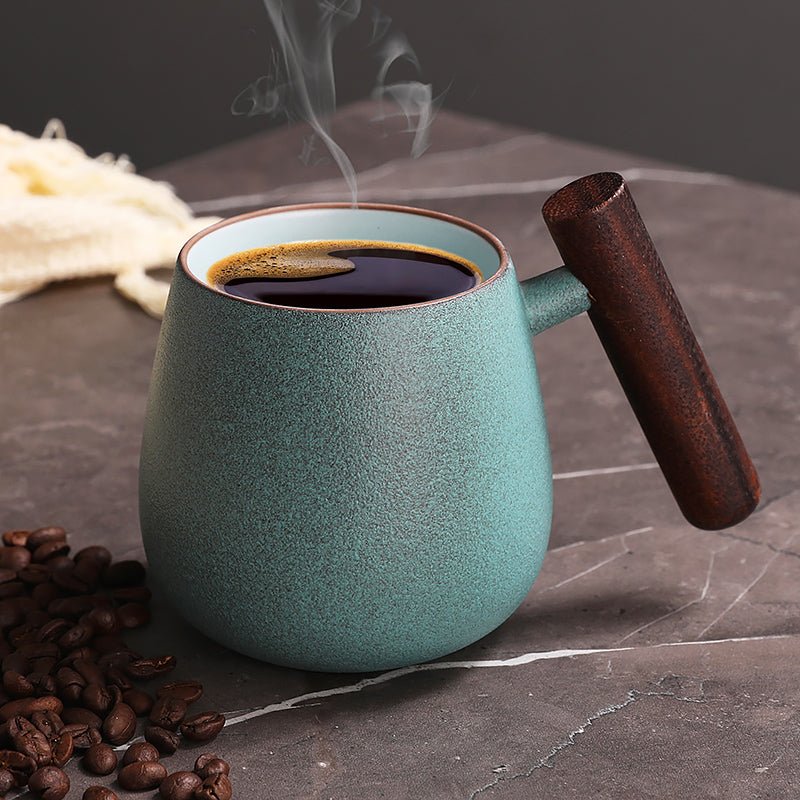
Two and a Half Men Coffee Mugs: How to Choose the Right One
A practical guide to two and a half men coffee mugs, with real buying trade-offs, size and style checks, and a few good options for gifts or everyday use. We also point out where a novelty mug work...
Per saperne di più
Commenta
Questo sito è protetto da hCaptcha e applica le Norme sulla privacy e i Termini di servizio di hCaptcha.