
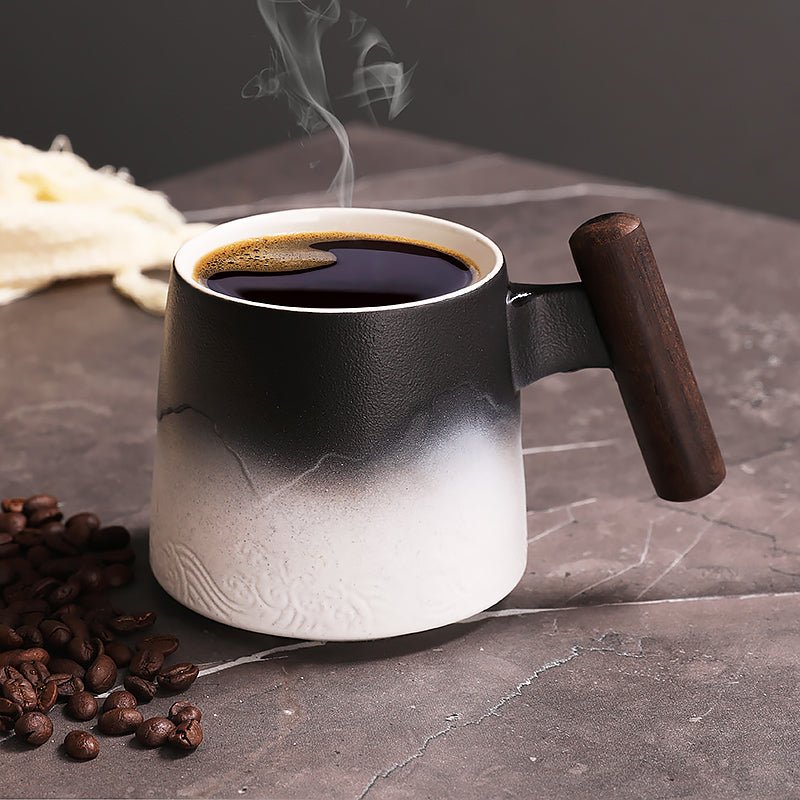
Rack for Coffee Mugs: How to Choose the Right Size and Style
Reading time: about 8 minutes
What does a rack for coffee mugs need to do in a real kitchen?
A rack for coffee mugs looks simple until the first mug bumps a cabinet door or the handles sit so close together that you have to twist one cup out before you can grab the next. In our store, the buyers who are happiest are the ones who measure first and think about how they actually pour coffee at 7 a.m.
The right setup does three jobs at once: keeps mugs easy to reach, protects handles and glaze from chips, and prevents the coffee station from turning into a crowded shelf. If it fails any one of those jobs, it usually ends up unused.
- Match the rack to the mug shapes you already own.
- Leave enough room for the handle to swing without scraping neighboring cups.
- Choose a finish that is easy to wipe after steam, coffee drips, or sink splashes.
That is the standard we use when we help customers think through kitchen storage. It sounds basic, but it is the difference between a rack that stays part of the routine and one that becomes another thing to dust.
Which rack style fits your cabinet, wall, or counter?
We usually narrow the choice to three formats: under-cabinet, wall-mounted, and countertop stands. Each one solves a different space problem, and each one has a trade-off.
| Style | Best for | Trade-off |
|---|---|---|
| Under-cabinet | Small kitchens and coffee stations near upper cabinets | Needs accurate measuring; not ideal for very tall mugs |
| Wall-mounted | Open wall space beside a brewer or espresso setup | Usually requires anchors and a more permanent install |
| Countertop stand | Rentals, small coffee bars, and anyone who does not want to drill | Takes up surface space and can feel crowded if you have many mugs |
Under-cabinet racks are the most common choice when counter space is tight, but they are also the easiest to misjudge. A rack can look generous in a product photo and still leave almost no clearance once you add a mug with a tall handle or a wide lip. Wall-mounted options are more flexible visually, but they are not the right answer if you do not want to put holes in the wall. Countertop racks are the least permanent, which makes them practical for renters, but they can make a small counter feel busier than it needs to be.
Which mugs look best on a rack and still stay easy to grab?
We see three mug profiles work well on most rack setups: midweight everyday mugs with a comfortable handle, slightly wider mugs that still clear each hook, and display pieces you do not mind seeing all day. The wrong match is usually obvious after the fact. The handle touches the next cup, the lip sits too low, or the mug body is so broad that the row no longer looks orderly.
For a more styled coffee corner, the Mountain Sea Coffee Tea Mug works well when you want a mug that can live on the rack and still look intentional. If you prefer a more graphic look, the Spittoon Coffee Tea Mug adds a different silhouette, while the Planet Coffee Tea Mug fits a more decorative station without making the rack feel busy.
For a broader mix, start with our full mug collection and choose shapes that will not collide on the hooks.
We would not choose a decorative rack for oversized travel-style cups. Those usually need deeper shelves or a wider peg layout than a standard coffee mug rack provides, and forcing them onto a narrow setup can chip glaze or knock the rack out of alignment.
How do you measure for the right size and load?
The fastest mistake is buying by count instead of clearance. A rack might claim to hold six mugs, but if the handles are thick, the mug body is wide, or the cabinet lip sits low, the real number drops fast.
- Measure the full mug height, including the handle rise.
- Measure the usable depth from the wall or cabinet face to the front edge.
- Check the spacing between hooks or pegs so the handles do not overlap.
- Leave a little room on either side so mugs are not rubbing finish against finish.
If you want a more detailed cabinet checklist, our guide on Rack for Coffee Mugs: How to Choose the Right Fit for Your Cabinet walks through the measurements we check before we recommend a layout.
For mug size decisions, the posts on 12 oz Coffee Mugs: How to Choose the Right Mug for Daily Use and 16 Ounce Coffee Mugs: Size, Materials, and Fit Guide are useful if you are deciding whether your daily cup is better served by a compact or larger profile. A compact rack is usually fine for 12-ounce mugs; larger 16-ounce mugs need more visual and physical breathing room.
The common defect modes we see are simple: loose mounting screws, hooks spaced too tightly, and racks that flex when heavier stoneware is added. If the rack wobbles before it is loaded, it will not improve after you add five mugs.
What materials and finishes hold up near daily use?
The rack itself gets touched more than people expect. Steam from the kettle, splashes from the sink, and the constant swing of mug handles all add wear. If the rack sits close to the dishwasher or next to a prep sink, the finish matters more than the product photos usually make it seem.
- Powder-coated steel: common for wall and under-cabinet racks because it is sturdy and easy to wipe. Watch for thin coating at hook tips, where chips show first if mugs are bumped roughly.
- Solid wood: looks warmer on an open shelf, but it needs more care around water. If it sits near a sink, dry it promptly and avoid soaking the finish during cleaning.
- Chrome or plated metal: reflects light and can look clean, but it may show fingerprints and water spots more quickly than a matte finish.
The practical test is how the rack behaves after a normal week, not how it looks on day one. If you wipe it down with a damp cloth and dry the contact points, a simple steel rack can stay in good shape for a long time. If you prefer a warmer look and do not mind extra care, wood can work, but it is the least forgiving option near moisture.
Choose the rack based on the mugs you already own, not the other way around. That keeps the fit honest and avoids buying a pretty piece that only works with one narrow mug shape.
Where should you place it so it stays convenient?
The best placement is the one that matches your routine. A morning coffee station should not require opening three cabinet doors and reaching over a toaster. The rack should shorten your path, not add to it.
- Near the brewer: keeps your most-used mugs in the same lane as the coffee machine.
- Under an upper cabinet: saves counter space and works well in smaller kitchens.
- On a wall beside the coffee setup: good if the counter is busy, but only if the wall can take proper anchors.
We do not recommend a wall rack in a rental unless you have permission to drill. If you move often, a countertop rack or a lighter under-cabinet option is easier to take with you. That trade-off matters more than people expect, because the best-looking setup is not very useful if it has to come down in six months.
For people who host often, a rack can also double as a display piece. That works best when the mugs all share a similar height, so the line looks intentional instead of crowded.
Frequently asked questions
How many mugs should a rack for coffee mugs hold?
Start with the number of mugs you use every day, then add a small buffer for guests or a rotating backup set. A compact rack can be enough for two or three daily mugs, while larger households usually need a wider bar or a second row. The right number is the one that lets you remove one mug without knocking the others sideways.
What is the best material for a kitchen mug rack?
For most kitchens, powder-coated steel is the most practical choice because it is sturdy, easy to wipe, and less fussy around everyday splashes. Wood looks warmer, but it needs more care near water. Chrome and plated finishes can look sharp, but they tend to show fingerprints and water spots faster.
Can I use a mug rack for oversized 16 oz mugs?
Yes, but only if the spacing is generous enough for the handles and the rack has enough clearance below the cabinet or shelf. Some 16-ounce mugs are wide enough to crowd the next hook even when the rack is rated for the right number of cups. If your mugs are especially bulky, check the fit before you buy and compare it with the mug guidance in our size articles.
Do I need wall anchors for a coffee mug rack?
If the rack is wall-mounted and will hold a full set of ceramic mugs, anchors are the safer choice in most cases. Drywall alone is not a good support plan for repeated daily use. If you are mounting into studs or using a product that comes with its own hardware, follow the install instructions closely and check for wobble before loading it.
What is the easiest rack style to move if I change kitchens?
A countertop rack is the easiest to move because it does not depend on wall holes or cabinet spacing. Under-cabinet and wall-mounted racks are better for a fixed layout, but they are less flexible if you rearrange appliances or move to a new space. If mobility matters, favor a freestanding design.
If you are choosing now, compare cabinet clearance, hook spacing, and mug handle width first. Then browse our full mug collection and pick mugs that will sit cleanly on the rack you already have in mind.
Read more
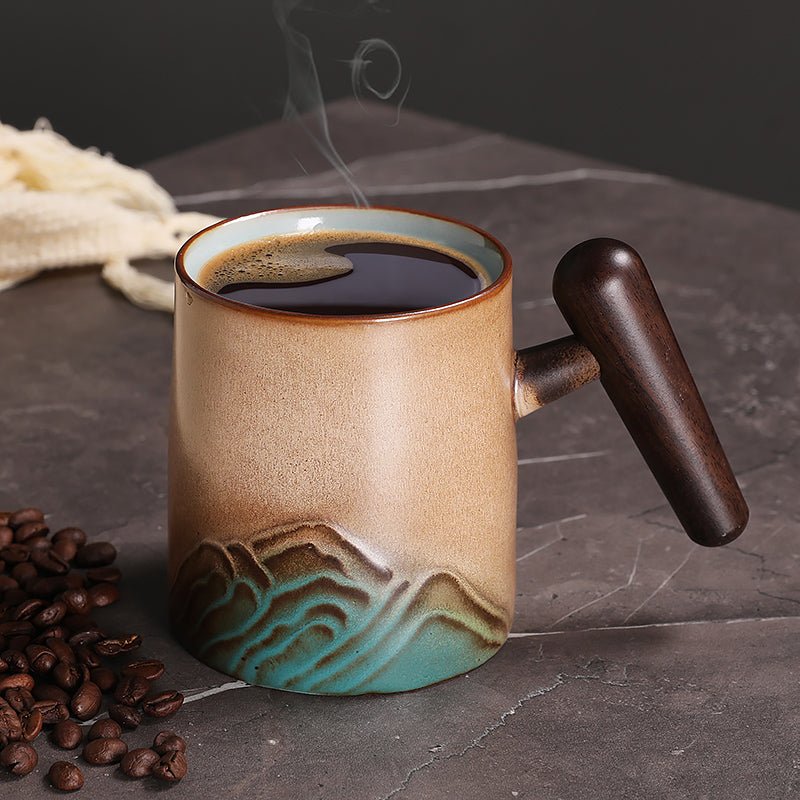
Luxury Coffee Mugs: What to Check Before You Buy
A practical guide to luxury coffee mugs: what makes a mug feel premium in hand, which materials and sizes make sense, and which CoffeifyMug styles are worth shortlisting.
Per saperne di più
Fancy Cups: How to Choose One That Looks Good and Lasts
Fancy cups should do more than sit pretty on a shelf. We break down what holds up in daily use, what works for gifting, and which styles make sense for coffee, tea, and display.
Per saperne di più
Commenta
Questo sito è protetto da hCaptcha e applica le Norme sulla privacy e i Termini di servizio di hCaptcha.