
Printing on Coffee Mugs: What Buyers Should Check Before They Buy
Reading time: about 9 minutes
A mug can look sharp on a product page and still disappoint on a kitchen counter if the artwork stops short of the handle, the color looks thin against the glaze, or the surface texture fights the design. We see that a lot with shoppers comparing printing on coffee mugs: they want something that looks good on day one and still looks presentable after a stack of wash cycles, desk use, and the occasional hurried rinse.
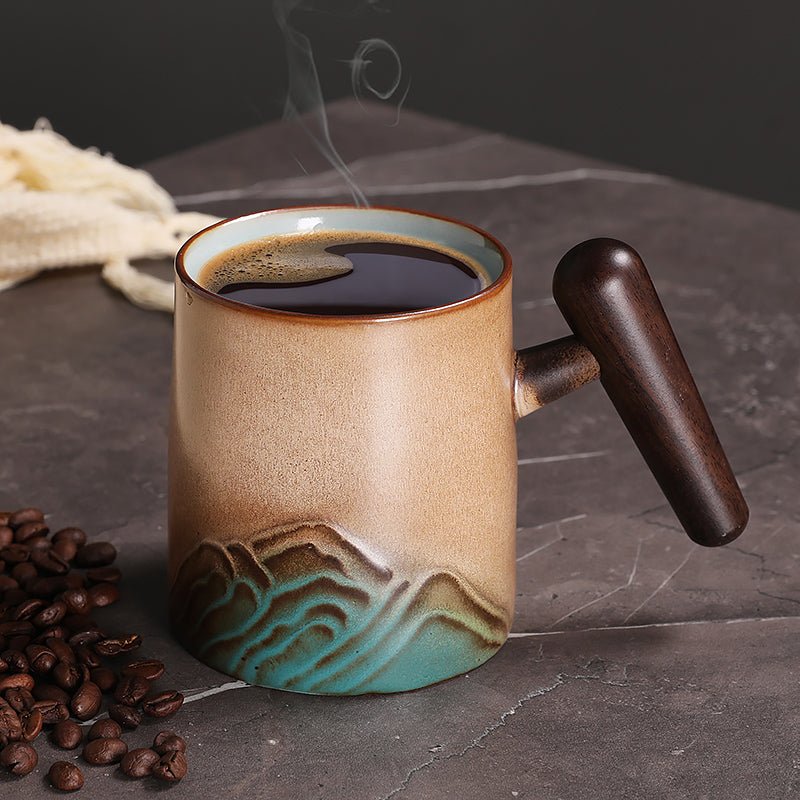
At CoffeifyMug, we think about the whole object, not just the graphic. The shape, glaze, print placement, and daily care all affect whether a mug feels premium or forgettable. If you are comparing styles, start with our all mugs collection and look at how the form changes the way a design reads. A sculpted profile like the Pleated Coffee Tea Cup can make a small emblem feel more decorative, while the Golden Waves KIO Coffee Tea Mug and The Flow Coffee Tea Mug lean into shape and texture first, which matters if the print is meant to be subtle rather than loud.
What should a printed coffee mug look like up close?
Good printing on coffee mugs should look intentional from arm's length and clean at close range. The lines should stay crisp, the color should not look washed out where the mug curves, and the design should sit evenly on the glaze without visible bubbles, streaking, or rough edges. If the art is wrapped around the mug, check whether the image remains readable where the handle interrupts the layout. That is where weak placement usually shows up first.
We look for a few details every time we inspect printed mugs in our store:
- The image should stay centered and not drift too high or too low on the body.
- Small text should remain legible from a normal desk distance, not just in a close product shot.
- The print should not feel raised in a way that catches fingernails or wipes unevenly.
- The glaze should look smooth enough that the artwork does not appear broken up by surface texture unless that texture is part of the design.
If a mug has a textured or sculpted exterior, the print has to work harder. That is why some buyers prefer plain cylindrical mugs for logos or photo wraps, while others want a more tactile mug for gift giving or a quiet desk setup.
Which printing method holds up best for your use case?
There is no single best method for every buyer. The right choice depends on whether you want full-color art, a simple logo, a short run, or a mug that will live in a dishwasher-heavy household. In general, the print method matters as much as the mug body itself. A well-made mug with a weak print will still feel cheap.
| Method | Best for | Trade-off |
|---|---|---|
| Sublimation | Full-color designs, photo-style art, wraparound graphics on coated surfaces | Needs the right coating and careful production; poor transfer quality shows up fast |
| Screen printing | Bold logos, simple shapes, solid spot colors | Less flexible for gradients or highly detailed images |
| Decal or transfer printing | Smaller production runs and decorative artwork | Can show edge issues if application or curing is uneven |
For daily use, we are cautious about decorative effects that look great but are not easy to maintain. Metallic accents, very fine lines, and heavy wraparound art can be beautiful, but they are not always the best answer if the mug will live in an office dishwasher, a busy family kitchen, or a gift set that needs to stay presentable with minimal fuss.
If you are still deciding on size and hand feel, our guides on 12 Ounce Coffee Mugs: How to Choose the Right One for Daily Use and 16 Ounce Coffee Mugs: Size, Materials, and Fit Guide are useful because print placement changes with capacity and body shape.
What details should you check before buying a printed mug?
Before you buy, look past the artwork and inspect the mug as a physical object. In our experience, shoppers are happiest when they check the same practical details we check when packing orders or handling returns.
- Material and glaze: Ceramic is common because it takes artwork cleanly and feels familiar in hand, but a glossy glaze will present color differently than a matte finish.
- Printable area: A wider body usually gives more room for text, logos, or repeated patterns. Narrower mugs can force the design into a tighter window.
- Handle comfort: A comfortable handle matters if you will use the mug every day at a desk or kitchen sink.
- Care instructions: If the listing says dishwasher-safe or microwave-safe, read the exact wording. Do not assume every printed mug shares the same limits.
- Packaging: For gifts, packaging matters because chips usually start at the rim, base, or handle during transit.
This is also the point where style matters. A decorative mug can be a better buy than a plain blank if the person you are shopping for wants something already finished and ready to use. If you want to browse by style rather than by a specific print, the full collection is the cleanest place to compare forms side by side.
Which mug shapes show printed designs best?
Shape changes how a printed design reads. A straight-sided mug gives the most predictable canvas, which is why many logos and text-heavy designs look best there. A tapered body can make artwork feel dynamic, but it also changes the apparent width of the design depending on where you hold the mug. Texture adds another layer: ridges, waves, and contouring can make a mug feel more premium, but they are not ideal if you want a large uninterrupted print.
That is where pieces like the Pleated Coffee Tea Cup, Golden Waves KIO Coffee Tea Mug, and The Flow Coffee Tea Mug become relevant. They are better viewed as shape-led mugs first and print-led mugs second. If you want a bold, all-over graphic, a flatter surface is usually the safer choice. If you want a mug that feels giftable and visually distinct on a shelf, a shaped mug can be the better fit even if the print is simpler.
That trade-off is worth being honest about. A decorative mug is not the best pick for someone who wants a huge wraparound quote or a photo collage. A simpler mug is not always the best pick for someone shopping for a table display or a more polished gift presentation.
How do you keep printed coffee mugs looking clean?
Printed mugs do not need complicated care, but they do need consistency. We see the same problems over and over: hard scrubbing, stacking chips, and repeated exposure to rough utensils or abrasive sponges. Once the rim chips or the surface gets scratched, the print starts to look older than it is.
- Wash with a soft sponge instead of an abrasive pad.
- If the care label allows dishwasher use, place the mug where it will not knock against heavier items.
- Dry the mug before stacking it to reduce edge wear.
- Avoid sudden temperature swings if the mug feels very hot from the microwave or fresh from a wash cycle.
- Store it where the handle will not catch on other cups, especially in tight cabinets.
We also recommend a realistic expectation: not every printed mug is the right choice for a busy office dishwasher or a kitchen that runs through the machine multiple times a day. If that is your environment, prioritize a simpler print, a smooth glaze, and a mug shape that is easy to grip and hard to chip.
Which printed mug is the right buy for daily use, gifting, or display?
The best choice depends on how the mug will actually be used. We think buyers get the best results when they match the mug to the setting instead of chasing the loudest design.
- For daily desk use: Choose a mug with a clear, readable design and a comfortable handle. Simple prints age better in an office setup.
- For gifting: Choose a shape with character. Decorative surfaces and unusual silhouettes make the unboxing feel more deliberate.
- For display: Prioritize form and finish. A textured or sculpted mug can look better on a shelf than a large graphic would.
- For photo-heavy art: Choose a smoother, more uniform surface so the image does not fight the body shape.
If you want a more practical comparison of mug capacity before you choose a print style, the articles on 10 oz Coffee Mugs: What Fits, Who They Suit, and What to Check and 14 Ounce Coffee Mugs: Size, Fit, and Buying Guide can help you avoid buying a beautiful mug that feels wrong in hand.
Frequently asked questions
Are printed coffee mugs dishwasher safe?
Some are, but not all. The safe answer is to follow the exact care guidance on the product page or packaging, because print method and glaze finish affect durability. If the mug is a gift or a daily-use item, dishwasher compatibility is worth checking before you buy.
Do printed mugs fade over time?
They can, especially if the print is low quality or the mug is washed aggressively. Repeated heat, abrasive scrubbing, and chips at the rim or handle usually make a mug look worn faster than simple use alone. A smoother glaze and gentler care help preserve the finish.
What mug shape is best for a logo or brand mark?
A straighter mug body is usually the easiest surface for a logo because the design reads consistently from left to right. Textured or heavily tapered mugs can still work, but the print needs to be planned around the shape. If the logo is small, a sculpted mug can still look excellent.
Is a textured mug a bad choice for printing?
Not always, but it is a different use case. Texture can make a mug feel more special and giftable, yet it limits how cleanly a large graphic can wrap around the body. If you want bold artwork, a smoother mug is usually the safer pick.
What should I choose if I want a mug that is both practical and attractive?
Choose a smooth, easy-to-grip ceramic mug with a simple print and a clear care label. That combination tends to work best for daily use because it balances comfort, readability, and easier cleaning. If you want more visual interest, use shape and glaze first, then keep the artwork restrained.
If you want to compare styles side by side, start with our all mugs collection and shortlist the mugs that match the way you actually drink coffee: at a desk, on a kitchen counter, or as a gift that needs to look good the moment it is opened.
Read more
Retirement Coffee Mugs: How to Choose a Gift That Gets Used
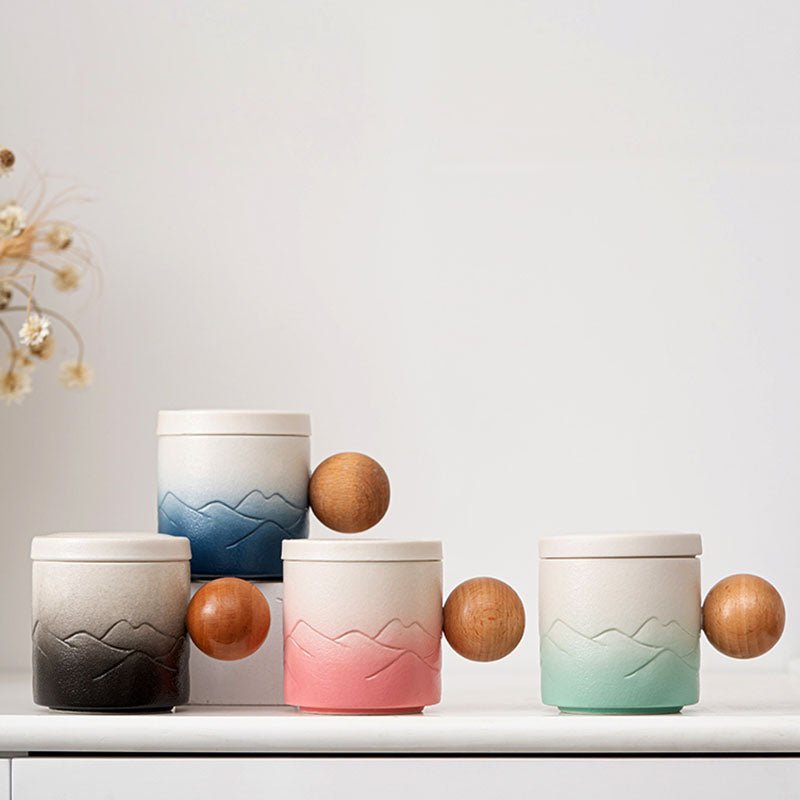
Retirement coffee mugs work best when they feel personal, comfortable in the hand, and practical enough for daily use. Here is how we compare sizes, styles, and gift-worthiness before you buy.
Per saperne di più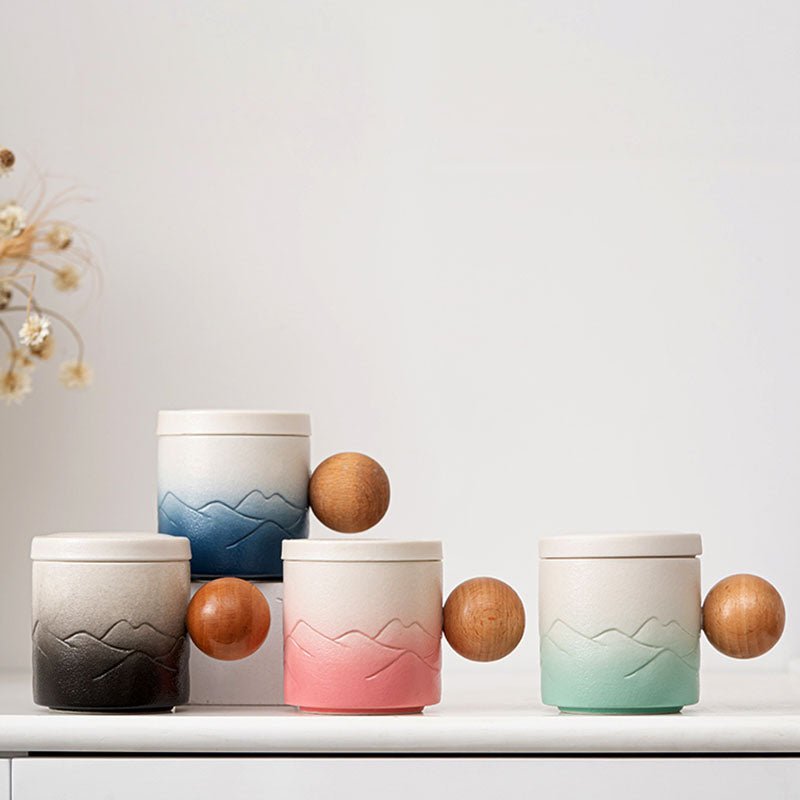
Father's Day Coffee Mug Gift Guide for Everyday Use
A Father's Day coffee mug should earn its place on the kitchen counter, not the back of a cabinet. This guide compares giftable styles, the details we check before shipping, and the trade-offs that...
Per saperne di più
Commenta
Questo sito è protetto da hCaptcha e applica le Norme sulla privacy e i Termini di servizio di hCaptcha.