
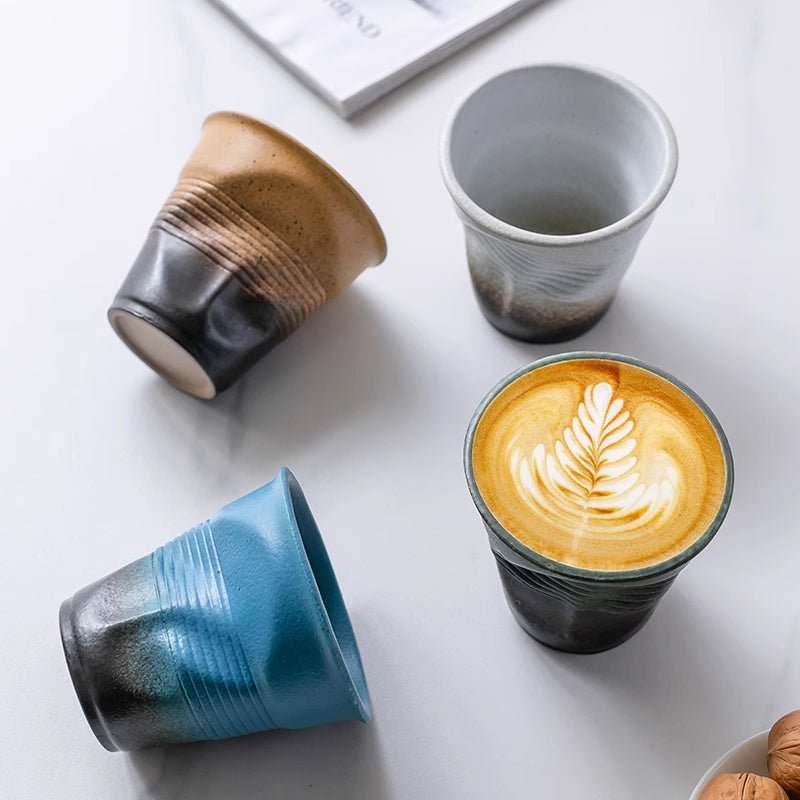
Pleated Ceramic Cup Guest Room Coffee Tray: Best Fit Guide
Reading time: about 11 minutes
The tray looks balanced right up until the cup goes on it. Then the whole setup either feels neat or suddenly too full. We see that problem often in our store with guest-room hosts, short-term rental owners, and shoppers building a practical housewarming gift.
If you are choosing a pleated ceramic cup guest room coffee tray setup, the real question is not just which cup looks prettier online. It is which shape leaves enough room for the useful extras: a spoon, two coffee sachets, a napkin, maybe a biscuit, and still enough open space that the tray does not feel cramped on a nightstand or dresser.
For that exact job, the Pleated Coffee Tea Cup usually makes more sense than a bulkier mug because the textured body adds visual interest without asking for much tray space. If you are comparing giftable options beyond one shape, our coffee mugs for gifts collection is a useful next stop for seeing how different mug styles suit different rooms and recipients.
Why does a pleated ceramic cup work well on a guest room coffee tray?
A guest tray is a small-space setup. That changes the buying logic. On a kitchen shelf, a mug can be a little oversized and nobody cares. On a bedside tray, visual bulk matters immediately.
A pleated ceramic cup works well here for a few practical reasons:
- It usually reads smaller on the tray. Even before you measure anything, the narrower profile tends to look tidier than a fuller round mug.
- The pleated exterior adds texture without extra accessories. You do not need a bold print, a bright coaster, or decorative filler to make the tray look considered.
- It suits modest servings. Guest-room coffee is often a shorter pour, instant coffee, tea, or an evening herbal drink rather than a large breakfast mug fill.
- Ceramic feels more finished than lightweight alternatives. On a tray with a teaspoon and folded napkin, ceramic gives a more settled, hotel-style presentation than thinner casual drinkware.
In our experience handling this category, the best guest-room cup is rarely the largest one. It is the one that sits flat, feels pleasant at the rim, and leaves breathing room around it. A pleated cup checks those boxes well if your goal is a compact, styled setup rather than an all-day coffee mug.
There is another real-world benefit buyers do not always think about: a smooth glazed ceramic interior is easier to rinse after black tea or coffee than interiors with a dry, chalky, or heavily textured finish. That matters if you are resetting a guest room quickly or packing a gift that should stay easy to maintain.
The limitation is simple too. A pleated cup is not the best fit for someone who wants a large morning coffee, a long office-desk refill cycle, or one mug that does everything from espresso-style servings to oversized cocoa.
How does a pleated cup compare with a round mug on a small tray?
This is usually the real choice shoppers are making. Not cup versus no cup. Pleated versus round.
The Round Coffee Tea Mug is the more familiar shape. It feels natural in a kitchen cabinet, easy on a desk, and flexible for general use. The pleated cup is more specific. It is better when tray fit and visual restraint matter most.
| Buying point | Pleated ceramic cup | Round mug |
|---|---|---|
| Tray footprint | Usually looks more compact | Often looks fuller on small trays |
| Visual style | Textured and more curated | Classic and more casual |
| Best use | Guest rooms, gift trays, tea or short coffee pours | Daily coffee, larger pours, all-purpose use |
| Cleaning routine | Easy interior cleaning, but exterior grooves need drying attention | Simpler all-over drying because the body is smoother |
| Trade-off | Less ideal for oversized drinks | Can crowd a compact tray faster |
We usually describe it this way in our store:
- Choose the pleated cup if the tray is part of the room presentation.
- Choose the round mug if the cup needs to move easily from guest use to everyday kitchen use.
- Choose the round mug if you know the recipient prefers a larger hand feel or bigger drink volume.
- Choose the pleated cup if you want the setup to look intentional without adding clutter.
Neither shape is universally better. They solve different problems. The round mug is more forgiving. The pleated cup is more disciplined.
What should you check before buying a ceramic cup for guest use?
Small ceramic cups can look similar in photos. In hand, the differences show up quickly. We always recommend checking the details that affect actual use, not just the silhouette.
- Rim feel: The drinking edge should feel smooth and even. A rough or overly thick rim is one of the first things guests notice.
- Interior glaze: A smooth glazed interior helps with tea and coffee cleanup and usually shows residue less than rougher finishes.
- Base stability: The foot ring should sit flat. Any wobble is more annoying on a tray than on a kitchen counter.
- Exterior texture depth: Pleats add style, but deeper grooves can hold dishwater droplets if the cup is air-dried carelessly.
- Heat comfort: Compact ceramic cups can feel warmer in the hand than large handled mugs, especially with very hot pours.
Those points sound small, but they separate a good guest-room cup from one that only looks good in a product photo.
There are also a few category-specific issues worth knowing. Glaze pooling can sometimes appear near lower textured lines on pleated drinkware, especially where the glaze settles around the relief pattern. A foot ring that is not finished smoothly can feel scratchy against a lacquered tray. And if a cup is used for dark tea and then left overnight without rinsing, faint staining is more likely around the interior base than along the walls. These are not unusual defects in ceramic drinkware, but they are the things experienced buyers look for.
That is part of why we do not recommend buying a guest cup by shape alone. Material finish, surface feel, and how the base sits on the tray matter just as much as the style.
Is a pleated ceramic cup practical for guests, or mainly decorative?
It can be genuinely practical. It just has to match the job.
We would not position a pleated cup as the best option for every room and every drinker. For a guest tray with short coffee servings, tea bags, and a compact footprint, it works beautifully. For someone who wakes up wanting a large mug they can refill twice and carry around the house, it is the wrong tool.
Here is where a pleated ceramic cup usually performs best:
- Bedside guest trays: It leaves space for the tray to still function, not just hold one oversized mug.
- Housewarming gifts: It feels more chosen and design-aware than a standard basic mug.
- Rental or guest suite setups: It helps the room look tidy and considered without adding decorative clutter.
- Tea-forward serving: Smaller cups often suit tea portions better than broad breakfast mugs.
And here is where it is not the best choice:
- Large coffee drinkers: A small-format cup can feel skimpy if the user expects a bigger pour.
- Repeated microwave-and-reheat habits: A general round mug is usually more natural for that daily pattern.
- One-cup-does-everything buyers: If flexibility matters more than presentation, round wins.
- Fast, rough, high-volume use: A smoother mug body is usually easier to wipe, stack, and rotate quickly.
So yes, it is practical. But practical for a specific use case, not for every coffee routine.
How do you set up a guest room tray without making it look crowded?
A compact cup helps, but the rest of the tray still needs discipline. We have arranged enough sample gift sets and hospitality-style trays to know that even good pieces can look messy if every inch is filled.
Start with the cup, then build around it.
- Place the cup first. This tells you how much working room you really have.
- Add only one utensil. A single spoon is enough for most guest setups.
- Keep drink extras tight. Two sachets and one stirrer feel prepared; six sachets feel cluttered.
- Use a napkin or coaster. It protects the tray surface and makes cleanup easier after a spill or condensation ring.
- Leave visible empty space. Open space is what makes a small tray feel calm.
If the tray already needs to hold packaged snacks, creamer cups, and several drink options, a tiny cup is not always the answer. In that case, a single Round Coffee Tea Mug can make the setup feel more straightforward because the tray is already leaning practical rather than minimal.
For housewarming shoppers, this is also where the pleated shape earns its keep. It adds enough surface detail that the gift still looks thoughtful even if the rest of the bundle is simple: one cup, one spoon, a few coffee sachets, and a folded towel or napkin. If you want more gifting options around that idea, browse our coffee mugs for gifts collection to compare styles that suit both hosts and everyday home use.
What care steps matter most for a pleated ceramic cup?
Ceramic is generally easy to live with, but pleated exteriors do ask for one extra habit: dry them properly. That is the biggest difference versus a completely smooth round mug.
- Rinse soon after use. Coffee and black tea lift more easily before they sit on the glaze.
- Use mild dish soap and a soft sponge. Abrasive scrubbers can dull decorative surfaces over time.
- Check the pleats while drying. Small water beads can sit in the grooves, especially near the lower body.
- Make sure the foot ring is dry. This matters before placing the cup back on a wood or painted tray.
- Store it fully dry for guest-room use. Water spots show more on textured surfaces than on plain rounded ones.
Common wear points in this category are usually simple: light tea staining if the cup is left overnight, tiny finish irregularities around textured lines, and moisture catching in exterior channels after washing. None of that makes pleated ceramic high-maintenance. It just means this style rewards basic care more than a fully smooth mug does.
If you know the cup will be used heavily every day by different people in a busy household, a round mug is often the lower-effort option. If the goal is a clean-looking guest tray that gets reset between visits, the pleated cup is still a strong pick.
Who should buy the pleated cup, and who should choose a round mug instead?
Here is the short version we would give a customer standing in front of a tray display.
- Buy the pleated cup if your tray is small, your room style is neat and minimal, and you want the drinkware to look chosen rather than generic.
- Buy the pleated cup if you are putting together a housewarming or hosting gift and want a compact ceramic piece that feels more decorative.
- Buy the round mug if the recipient likes larger coffee pours or wants one cup for kitchen, desk, and guest use.
- Buy the round mug if ease and flexibility matter more than tray presentation.
- Skip both styles for this job if you actually need travel-friendly drinkware, lidded cups, or extra-large servings.
If you are actively comparing, look at the Pleated Coffee Tea Cup first for tray styling and compact guest use, then compare it side by side with the Round Coffee Tea Mug if versatility is higher on your list.
Frequently asked questions
Is a pleated ceramic cup too small for a guest room coffee tray?
Usually no. For guest rooms, a smaller ceramic cup often fits the way people actually serve drinks there: tea, instant coffee, or a modest pour rather than a large breakfast mug. It can feel too small only if your guests strongly prefer oversized coffee servings.
Does a pleated ceramic cup take more effort to clean?
The interior usually cleans easily if it has a smooth glaze, which is what matters most after tea or coffee. The extra effort is on the outside, where the pleated grooves should be dried properly so water does not sit in the texture.
Which is better for a housewarming gift, a pleated cup or a round mug?
A pleated cup usually feels more curated and gift-ready because the texture gives it a more styled look right away. A round mug is the safer pick if you are unsure of the recipient's habits and want something more flexible for everyday use.
What should be on a guest room coffee tray besides the cup?
Keep it simple: one spoon, a napkin or coaster, and one or two drink extras such as sugar or coffee sachets. The tray works best when the cup still has visible space around it and the setup is easy for a guest to understand at a glance.
Is a round mug better than a pleated cup for daily coffee?
Often yes. A round mug is usually better for larger pours, repeated use during the day, and buyers who want one easy, familiar cup for every setting. The pleated cup is the better fit when compact size and tray presentation are the priority.
Use this checklist before you buy: if your tray is compact, your setup is guest-focused, and you want a cup that adds texture without taking over the surface, start with the Pleated Coffee Tea Cup. If you need a more flexible everyday option, compare it with the Round Coffee Tea Mug, then browse our coffee mugs for gifts collection for the best match for your guest room or gift plan.
More from our blog
Read more
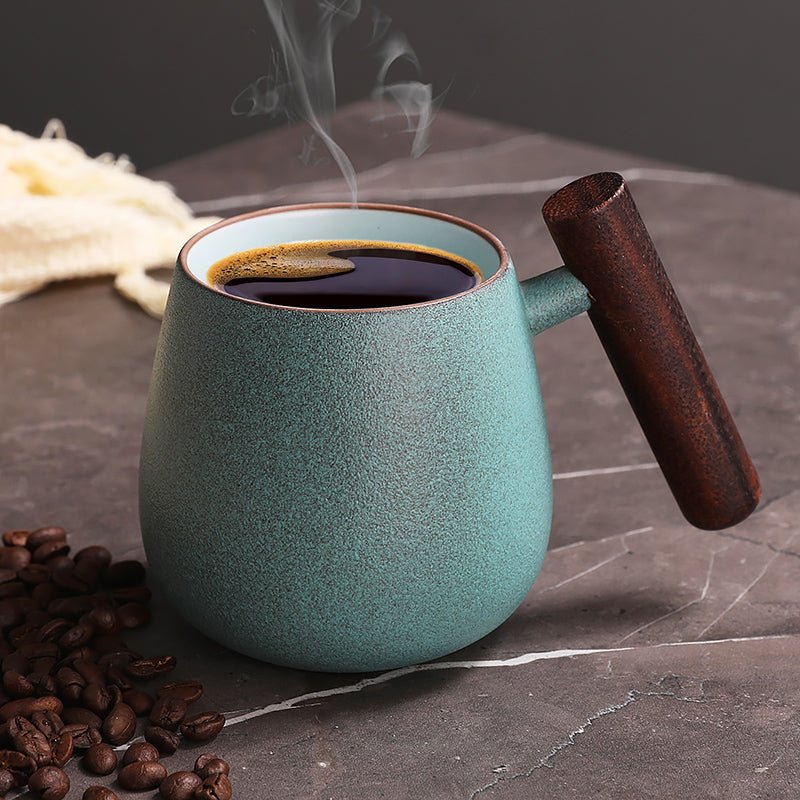
Round Ceramic Mug Brunch Table Guide: Best Picks and Trade-Offs
A round ceramic mug brunch table setup only works if the mug looks polished and still feels easy to use after refills, rinses, and real hosting. This guide compares the round mug and pleated cup wi...
Per saperne di più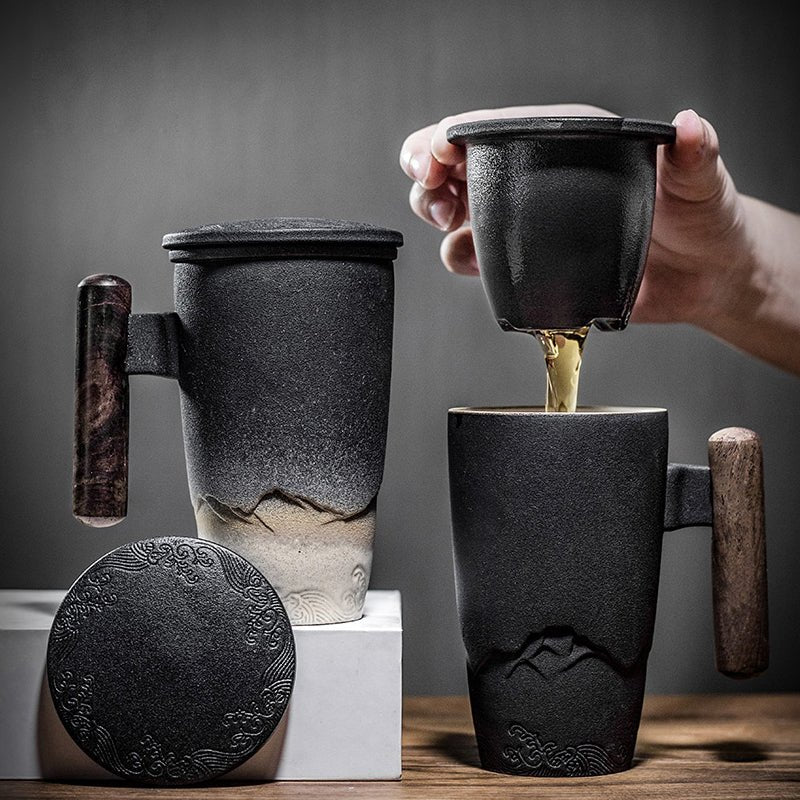
Best Tall Mug for a Home Office Coffee Shelf
A tall mug keeps your daily coffee within reach without taking over a desk. This guide compares a tall landscape mug and a compact support cup for shelf-to-desk setups.
Per saperne di più
Commenta
Questo sito è protetto da hCaptcha e applica le Norme sulla privacy e i Termini di servizio di hCaptcha.