

Plain White Coffee Mugs: What Buyers Should Check Before Ordering
Reading time: about 8 minutes
A plain white mug looks simple on the shelf. On the counter, the differences show up fast: one feels too thin, another has a handle that pinches your fingers, and a third rocks slightly because the base is uneven. That is why we treat plain white coffee mugs as a practical purchase, not just a color choice.
In our store, we look at how a mug feels after a few dishwasher cycles, how much space the handle gives your hand, and whether the glaze is smooth enough to avoid tea staining and scuffs. If you are comparing options, our product catalog and the broader all collections page are a good place to start once you know what details matter.
Why do plain white coffee mugs sell so well?
Plain white coffee mugs stay popular because they work in almost every setting. They look clean on a kitchen counter, do not clash with office break rooms, and make a safe choice for gifts when you do not know someone’s decor style. They also photograph well, which matters if you are setting up a home coffee station or a small hospitality space.
The trade-off is that plain white is not the right choice if you want a mug with character, pattern, or a handmade look. A simple white mug can feel too plain for some buyers, especially if the person receiving it wants something decorative. That is where a more expressive style, like the options discussed in our Blue and White Coffee Mugs: What to Check Before You Buy article, can be the better fit.
We also see plain white mugs work best when the buyer wants a standard, reliable cup for daily use. If your goal is consistency, they are easier to match across sets than mixed-color drinkware.
Which material should you choose?
Most buyers compare ceramic, porcelain, and stoneware. They are all common, but they do not feel the same in hand.
| Material | What it feels like | Best for | Watch for |
|---|---|---|---|
| Ceramic | Balanced weight, familiar everyday feel | Daily coffee, office use, mixed households | Lower-quality pieces can feel uneven or have thin spots |
| Porcelain | Smoother, usually lighter, more refined | Gift sets, clean table settings, hot drinks | Can chip if handled roughly or stacked carelessly |
| Stoneware | Heavier and sturdier in the hand | Home kitchens, rustic or substantial mug feel | Can be bulkier and take more cabinet space |
For plain white coffee mugs, we usually tell customers to focus on the feel of the rim and handle before they focus on the material name alone. A well-shaped ceramic mug can be more pleasant than a poorly designed porcelain one. The finish matters too: a smooth glaze helps keep coffee marks from settling in, while a textured surface can show wear sooner.
If you are comparing white finishes across product types, our White Ceramic Coffee Mugs: What to Check Before You Buy guide covers the details we check on the ceramic side. For shoppers who want a broader comparison, White Coffee Mugs: What to Check Before You Buy is a useful companion piece.
What size works for your daily drink?
Size is where a lot of buyers get surprised. A mug that looks right online can feel too small for a morning latte or too large for a short espresso-based drink. We usually suggest checking the ounces against the way you actually drink coffee.
- 8 to 10 oz: Better for smaller servings, tea, or strong coffee in shorter pours.
- 12 oz: A common everyday size for drip coffee and standard home use.
- 14 oz: Good if you like room for milk, foam, or a little extra coffee without filling to the rim.
- 16 oz: Better for larger pours, office desks, and people who prefer one bigger cup instead of two smaller ones.
There is a practical limit here. Bigger is not always better. A 16 oz mug can feel excellent for a long work session, but it may be too large for a small hand or a compact microwave. That is why some buyers cross-check our size guides before choosing, especially the 12 oz Coffee Mugs: What to Check Before You Buy, 14 Ounce Coffee Mugs: Size, Fit, and Buying Guide, and 16 Ounce Coffee Mugs: Size, Materials, and Fit Guide articles before they order.
For buyers focused specifically on a larger everyday mug, our 16 oz Coffee Mugs: What to Check Before You Buy guide gives a more detailed fit check.
Which details separate a good mug from a frustrating one?
We see the same small defects cause most complaints. They are easy to miss in photos, but obvious in hand.
- Handle clearance: Your fingers should fit without scraping the mug body. Tight handles are one of the fastest ways to make a mug feel cheap.
- Flat base: A mug should sit firmly on the counter. A slight wobble is a warning sign, especially for stacking and office use.
- Smooth glaze: Look for even coverage with no rough spots, pinholes, or glaze pooling near the foot ring.
- Rim shape: A rolled or gently rounded rim is usually more comfortable than a sharp edge.
- Weight balance: The mug should feel stable when full, not top-heavy or awkward to lift.
These are not small details. In a real kitchen, a mug gets handled with one hand while the other is reaching for milk, a spoon, or a laptop. On a desk, the handle has to work quickly and comfortably. In a gift box, the first impression is often about how the mug feels before the buyer ever drinks from it.
We also check for what the mug is not ideal for. If someone wants a lightweight travel cup, a plain white ceramic mug is the wrong category. If someone wants a collectible or hand-painted display piece, plain white may feel too restrained. That honesty saves returns.
How should plain white coffee mugs be cared for?
Care instructions should be simple, but buyers should still check them. The usual basics are straightforward: wash before first use, avoid sudden temperature shock, and do not stack mugs so tightly that the rims rub together. If a mug is dishwasher safe, it is much more practical for everyday use. If it is microwave safe, that matters for people who reheat coffee at a desk or at home between meetings.
We tell customers to pay attention to the base and the handle after washing. Those are the spots where small glaze flaws or stress marks usually show up first. If you notice a faint ring stain on the inside over time, that is common with any white mug and usually comes down to brew strength and washing habits, not just the material.
For offices or shared kitchens, plain white is a strong choice because the set looks consistent and is easy to replace. For a more specialized buying decision, like comparing brand-specific white cups, our Corelle White Coffee Mugs: What Buyers Should Check Before Ordering article is useful if you want to compare a known line against generic options.
Are plain white coffee mugs a good gift?
Yes, but only if you want a safe, useful gift rather than a highly personal one. Plain white coffee mugs work well for housewarmings, office welcome kits, and simple gift baskets because they are easy to pair with coffee beans, cocoa, or tea. They also photograph well when the recipient posts an unboxing or gift photo.
They are less effective when the gift should feel decorative or highly customized. If the recipient loves colorful kitchenware or distinctive patterns, plain white may feel too neutral. In those cases, a more styled mug is usually the better buy.
For shoppers building a mixed set, plain white mugs are also an easy base layer. You can keep the core set simple and add color accents later, which is one reason many customers start by comparing our standard mug assortment at the products page.
What should you check before you place the order?
Before buying plain white coffee mugs, we suggest a short checklist. It keeps the decision grounded in actual use instead of just appearance.
- Check the size against the drinks you make most often.
- Check the handle size if you plan to use the mug every morning.
- Check the material if weight matters to you.
- Check the care instructions if the mug will be washed often.
- Check the finish for smoothness if you care about long-term stain resistance.
If you want to compare the plain white look across a wider selection, the cleanest next step is to browse our all collections page and compare by size, material, and daily use. That is usually faster than guessing from the color alone.
Frequently asked questions
Are plain white coffee mugs hard to keep clean?
Not usually, but they do show coffee and tea marks sooner than darker mugs. A smooth glaze helps a lot, and regular washing keeps the inside from looking dull. If a mug has a rough or pitted finish, stains can settle in more easily.
What size plain white coffee mug is best for everyday use?
For most buyers, 12 oz is the most versatile starting point. If you add milk, like larger pours, or want fewer refills, 14 oz or 16 oz may fit better. The right size depends on your drink habits, not just the number on the listing.
Are plain white coffee mugs good for office desks?
Yes. They look clean, fit most work setups, and are easy to replace if one breaks. We usually suggest checking handle clearance and base stability first, since those matter more at a desk than the color does.
Do plain white coffee mugs make good gifts?
They do when you want a practical, neutral gift that works for many people. They are less ideal if you want something decorative or highly personal. Adding coffee, tea, or cocoa usually makes the gift feel more complete.
What should I avoid when buying plain white coffee mugs?
Avoid mugs with uneven bases, sharp rims, or handles that feel too tight. Those problems are annoying every single day, even if the mug looks fine in photos. If you can, compare a few options side by side before buying.
If you want the simplest path from here, compare size, material, and handle comfort first, then choose the mug that fits your daily cup rather than the one that only looks clean in a photo. Start with the product selection and move to the broader collection only after you know which size and finish you actually want.
Read more
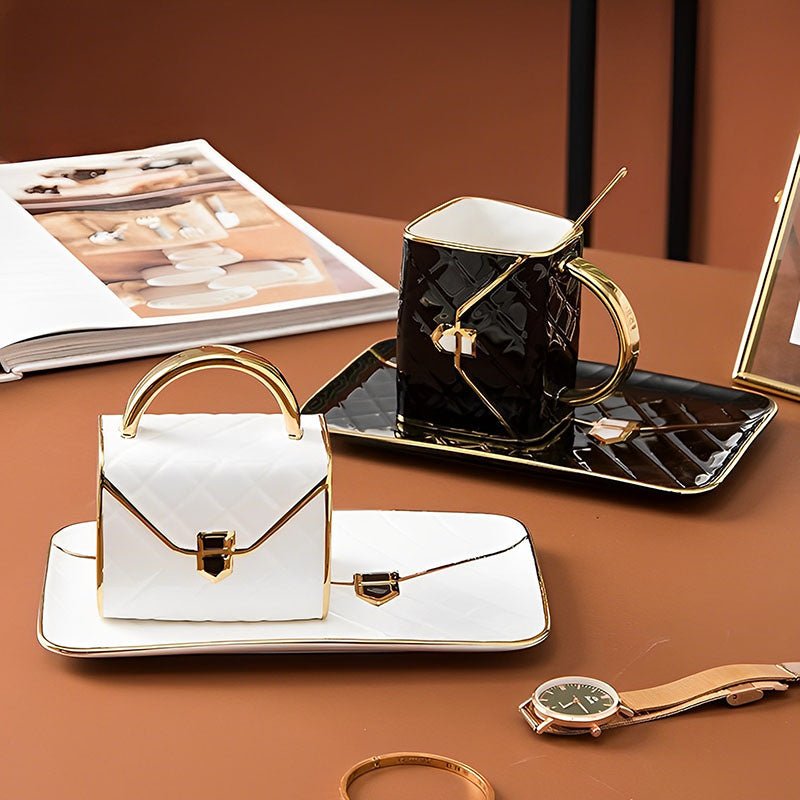
Pittsburgh Steelers Coffee Mug Buying Guide: Size, Care, Gift Fit
A Pittsburgh Steelers coffee mug should feel solid in the hand, hold the right amount for your routine, and survive real use on a desk or in a kitchen cabinet. This guide breaks down size, material...
Per saperne di più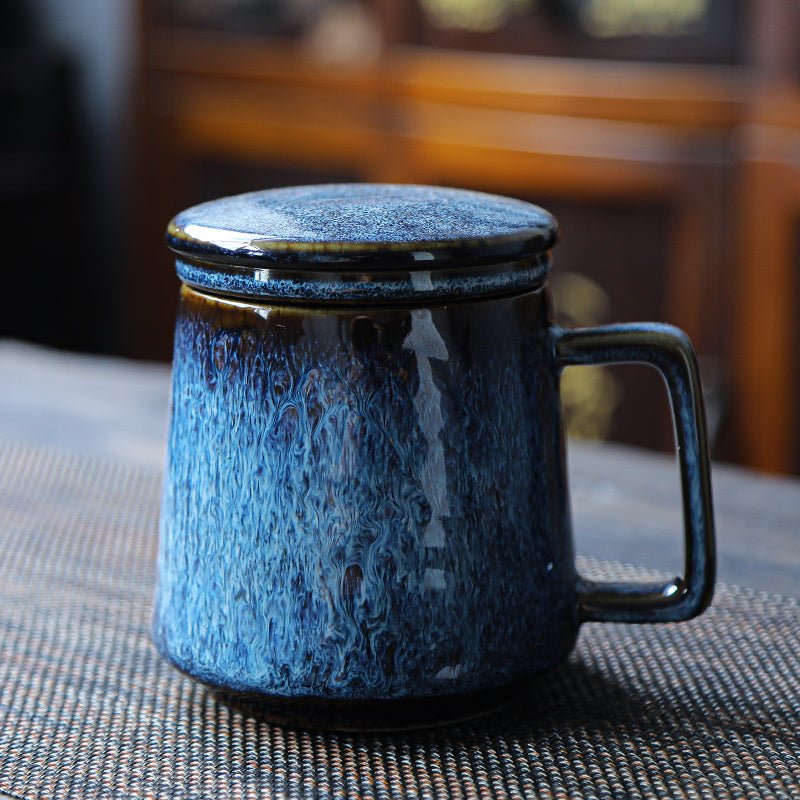
Rechargeable Coffee Mug Buying Guide: What to Check Before You Buy
A rechargeable coffee mug can keep coffee comfortable at a desk, but the details matter: capacity, charging method, lid fit, cleanup, and whether it suits your routine.
Per saperne di più
Commenta
Questo sito è protetto da hCaptcha e applica le Norme sulla privacy e i Termini di servizio di hCaptcha.