
Otagiri Coffee Mug Buying Guide: Size, Condition, and Best Uses
Reading time: about 10 minutes
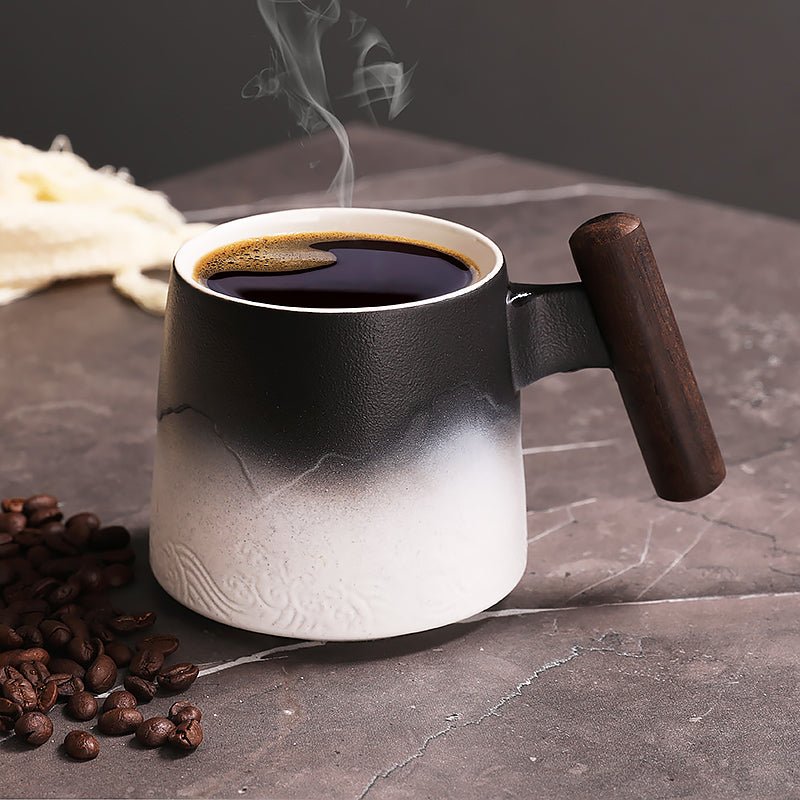
An otagiri coffee mug usually catches attention for one reason first: the artwork. The shape, glaze, and handle matter too, but most shoppers start with the design and then ask the practical questions after. In our experience, that order can lead to a mug that looks right on the shelf and feels wrong in the hand.
That is why we treat Otagiri-style mugs like both a kitchen item and a small collectible. If you want one for daily coffee, the build needs to make sense for real use on a counter, at a desk, or in a dishwasher cycle. If you want one for display, the condition and originality matter more than everyday durability. We sell and handle mugs across those use cases, and the best choice depends on where the mug will actually live.
If you are still comparing broader mug sizes at the same time, our size guides can help you set a baseline before you choose a specific style: 10 oz Coffee Mug: Size, Fit, and What to Check Before You Buy, 11 oz Coffee Mug: Size, Fit, and What to Check Before You Buy, and 16 Ounce Coffee Mug Buyer’s Guide: Size, Material, and Fit.
What makes an Otagiri coffee mug different from a basic mug?
Most shoppers recognize an Otagiri mug by the art before they notice the construction. The brand became associated with decorative ceramic mugs, often with illustrated scenes, textured finishes, or a distinctly retro feel. That makes the mug feel more collectible than a plain office cup.
From a buying standpoint, the difference is not just visual. Many Otagiri coffee mugs were made as giftware or collectible kitchen pieces, so the finish, handle shape, and wall thickness can vary a lot from one mug to another. Two mugs that look similar in photos can feel very different in the hand.
Here is what we check first when we evaluate one in our store:
- Material: many examples are ceramic or stoneware, which affects weight and heat retention.
- Handle size: some handles suit three fingers comfortably, while others feel tighter and better for smaller hands.
- Rim and base condition: chips on the lip or foot are the most common wear points.
- Glaze quality: a glossy glaze may show utensil marks differently than a matte or textured finish.
If you want a mug that feels like a simple everyday staple, an Otagiri coffee mug may be more characterful than necessary. That is the trade-off. The appeal is the look and the collectible personality. The downside is that the exact size and care requirements may not be as predictable as a modern mass-market mug.
What size should you look for?
Size affects comfort more than many buyers expect. A mug that looks small in a photo can still hold a standard drip coffee, while a larger mug may be better for tea, cocoa, or a long desk session. For an Otagiri coffee mug, size is often part of the charm, but it should still match your routine.
As a practical rule, decide what you usually drink, then compare the mug’s usable volume, not just its outside dimensions. A tall, narrow mug can hold the same amount as a wider one, but it will feel different in the hand and may fit under a machine differently.
| What to check | Why it matters | Best fit |
|---|---|---|
| Usable capacity | Tells you whether it suits espresso drinks, drip coffee, or larger pours | Daily coffee matching your routine |
| Rim width | Changes sip comfort and heat loss | People who drink slowly at a desk |
| Body height | Can affect cabinet storage and coffee maker clearance | Smaller kitchens or office setups |
| Handle clearance | A handle that sits too close to the body is harder to grip when the mug is hot | Anyone who drinks without a sleeve |
If you are choosing between popular everyday capacities, our internal guides on 12 Ounce Coffee Mug Buying Guide: Size, Fit, and Best Uses and 14 oz Coffee Mug: What Buyers Should Check Before They Buy are useful reference points. A lot of buyers end up realizing they do not need the biggest mug. They need the right mug for the way they actually drink.
One limitation worth saying plainly: an Otagiri coffee mug is not always the best choice for someone who wants a lightweight travel-style cup or a perfectly uniform office set. These mugs usually win on character, not on standardized stackability.
How do you check condition before buying one?
Condition is where online buying gets real. Photos can hide small chips, hairline cracks, glaze scratches, and staining on the base. For a collectible mug, those details affect value. For daily use, they affect long-term durability and whether the mug still feels clean after washing.
We look at the same areas every time because that is where problems usually show up first after years of use, shipping, or cabinet storage.
- Rim: check for chips where the mouth touches the mug. Even a tiny nick is easy to feel when sipping.
- Handle joints: look where the handle meets the body. Stress cracks often begin there.
- Interior glaze: inspect for crazing, discoloration, or rough spots that may trap coffee residue.
- Foot ring: this is where wear and shelf marks collect. Heavy chips here can make the mug sit unevenly.
- Graphics: if the design is printed, look for fading or thinning on high-contact areas.
For vintage or pre-owned pieces, we are careful about what we promise. A mug can still be perfectly usable with light wear, but it should be described honestly. That matters more than trying to make every piece sound mint.
If you prefer to browse current options rather than chase a specific vintage style, start with our products page or go straight to the full collection. That is usually the fastest way to compare the available shapes and styles in one place.
Is an Otagiri coffee mug good for everyday use?
Yes, but only if the specific mug fits your routine. A sturdy ceramic or stoneware Otagiri coffee mug can work well for morning coffee, office use, and casual tea breaks. It feels substantial, and that extra weight can make a mug feel calmer and more stable on a desk.
There are trade-offs. Some decorative mugs are not ideal for constant microwave use, especially if they have metallic accents, special decals, or older finishes that were not designed for modern heating habits. Some are also less forgiving in the dishwasher if the decoration is delicate or the glaze is already worn.
In our experience, these are the scenarios where Otagiri-style mugs make sense:
- Home coffee stations: they add personality without taking much counter space.
- Desk mugs: they feel distinctive in a room full of plain white cups.
- Gifts: the design often carries more visual impact than a basic mug of the same size.
- Collections: buyers who like themed ceramic pieces usually appreciate the artwork and variety.
They are not the best choice if you need something ultralight for commuting, if you want a lid, or if you are trying to standardize a full set for a café-style kitchen. For those needs, a simpler modern mug may be the better buy.
What care should you expect?
Care depends on the exact piece, but we recommend treating an Otagiri coffee mug with a little more caution than a plain diner mug. That does not mean it is fragile by default. It means the decoration and finish deserve respect, especially on older pieces.
Our practical care checklist is straightforward:
- Wash with a soft sponge when possible.
- Dry the rim and base after washing to avoid water spots.
- Avoid hard stacking if the glaze or artwork is already worn.
- Check whether the mug is safe for microwave and dishwasher use before assuming it is.
- Do not use abrasive scrubbers on printed or textured surfaces unless you are willing to risk cosmetic wear.
We also tell buyers to think about how the mug will be stored. A cabinet packed too tightly can chip a rim faster than normal use. The same is true when a mug is used to hold pens, tea bags, or utensils on a desk. That use is fine, but the interior can stain if it is not cleaned regularly.
If you are shopping for a mug that can take daily abuse and still look the same six months later, a more basic modern ceramic mug may be the smarter buy. If you want character and do not mind a little extra care, Otagiri is a strong option.
How do you compare an Otagiri mug with other coffee mug sizes?
Size guides help because many buyers discover that the style they love is not the size they actually need. An Otagiri coffee mug may come in a comfortable everyday range, but the best fit still depends on how much coffee you pour and where you drink it.
Here is a simple comparison we use with shoppers:
- 10 oz: better for smaller servings, espresso drinks, and compact cabinet storage. See our 10 oz Coffee Mug: Size, Fit, and What to Check Before You Buy.
- 11 oz: a common everyday size for standard drip coffee. See our 11 oz Coffee Mug: Size, Fit, and What to Check Before You Buy.
- 12 oz to 14 oz: better if you like room for cream or a longer drinking session. Our guides on 12 Ounce Coffee Mug Buying Guide: Size, Fit, and Best Uses and 14 oz Coffee Mug: What Buyers Should Check Before They Buy break that down.
- 16 oz: better for large pours, but heavier and often less elegant for collecting. See 16 oz Coffee Mug: What Buyers Should Check Before They Buy.
For many shoppers, the right decision is not buying the largest mug. It is buying the one that feels good at 7 a.m. without being awkward to wash, store, or lift when hot.
Frequently asked questions
Is an Otagiri coffee mug safe for daily drinking?
Usually yes, if the specific mug is intact and made for food use. Check for rim chips, hairline cracks, and any finish issues before using it every day. If the mug has metallic decoration or an older finish, confirm microwave and dishwasher safety before regular use.
How can I tell if an Otagiri mug is vintage or just retro style?
Look at the bottom mark, the print quality, and the wear on the glaze. Vintage pieces often show age in the foot ring, base staining, or slight fading on the artwork. A modern retro-style mug may mimic the look but usually has cleaner, more uniform printing and a newer finish.
Are Otagiri coffee mugs good gifts?
Yes, especially for someone who likes Japanese ceramics, vintage kitchen pieces, or decorative mugs with personality. They work best when the design matches the recipient’s taste, because the style is specific. If you do not know their preference, a simpler mug is the safer gift.
Can I microwave an Otagiri coffee mug?
Only if the mug is clearly marked microwave-safe and has no metallic accents or fragile decorative finish. Older mugs can be unpredictable, so we would not assume microwave safety from looks alone. When in doubt, use it for hot drinks from a kettle or machine instead of reheating.
What should I compare before buying one online?
Check size, handle comfort, condition photos, and care notes. Those four details tell you most of what you need to know before the mug arrives. If you want to compare available styles quickly, start with our collection and then narrow down by the mug that matches your routine.
If you are ready to compare actual mugs, use this quick checklist: size that fits your usual drink, handle that feels comfortable, condition that matches your use case, and care instructions you are willing to follow. Then browse our current products and the full collection to find the Otagiri-style mug that fits how you drink, not just how it looks on screen.
More from our blog
Read more
Double Wall Coffee Mugs: What to Check Before You Buy
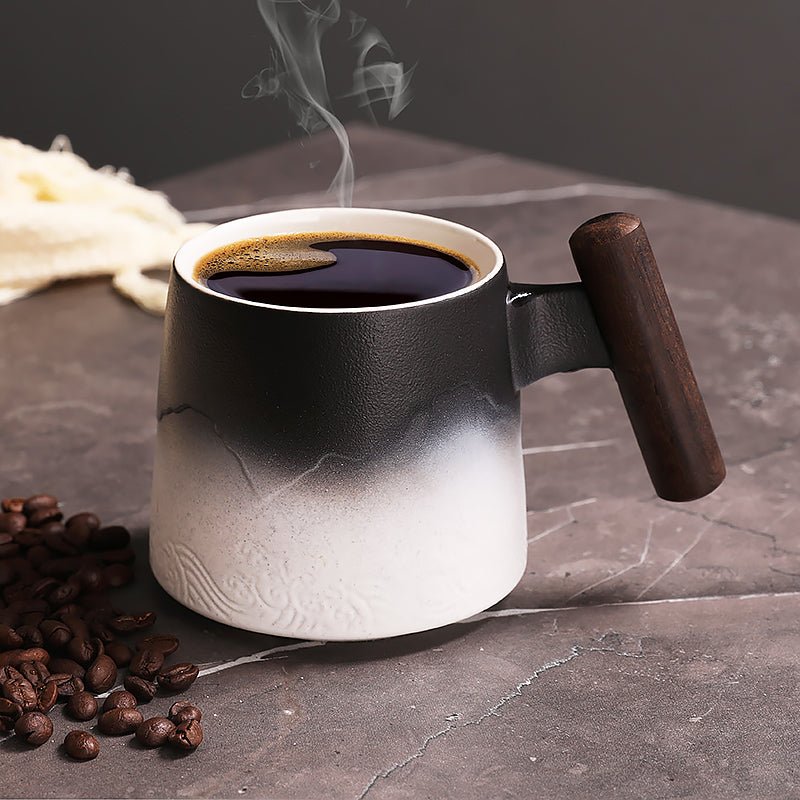
Double wall coffee mugs keep drinks hot without making the outside too hot to hold, but the right pick depends on material, wall quality, and everyday use. Here’s what we check in our store before ...
Per saperne di più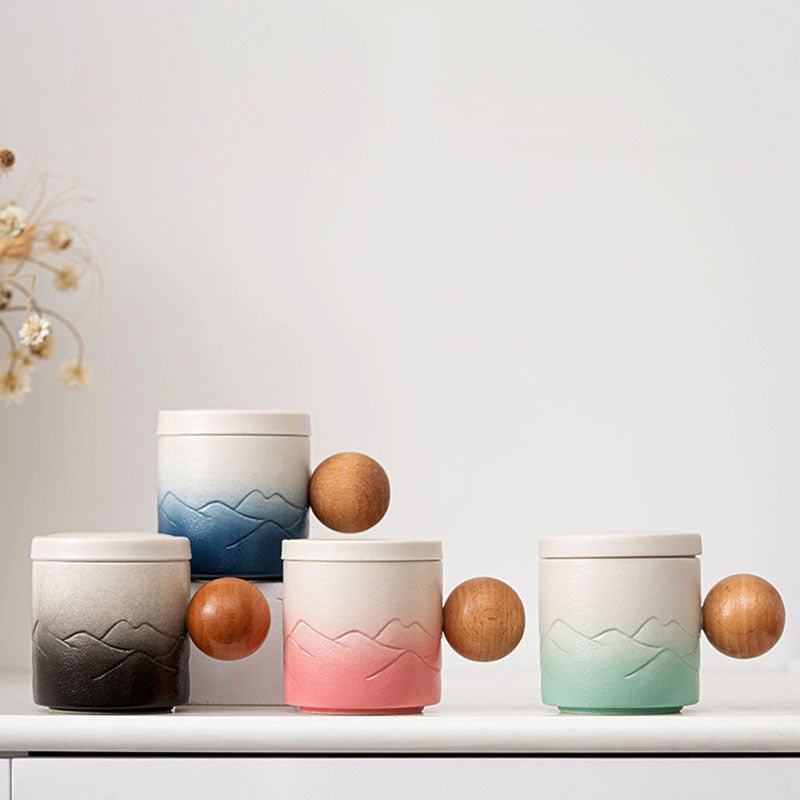
Coffee Mug Storage Ideas for Small Kitchens, Offices, and Gifted Sets
Practical coffee mug storage options for shelves, cabinets, counters, and offices, with clear trade-offs on fit, access, and mug protection. Use this guide to choose a setup that keeps mugs easy to...
Per saperne di più
Commenta
Questo sito è protetto da hCaptcha e applica le Norme sulla privacy e i Termini di servizio di hCaptcha.