
Otagiri Coffee Mug Buying Guide for Condition, Size, and Daily Use
Reading time: about 9 minutes
A chipped rim, a tired glaze, and a maker mark you can barely read are usually what decide whether an otagiri coffee mug is a good buy or a regret. We see that question a lot in our store: shoppers want the warm, collectible look, but they also want a mug that still feels good in the hand and does not live permanently on a shelf.
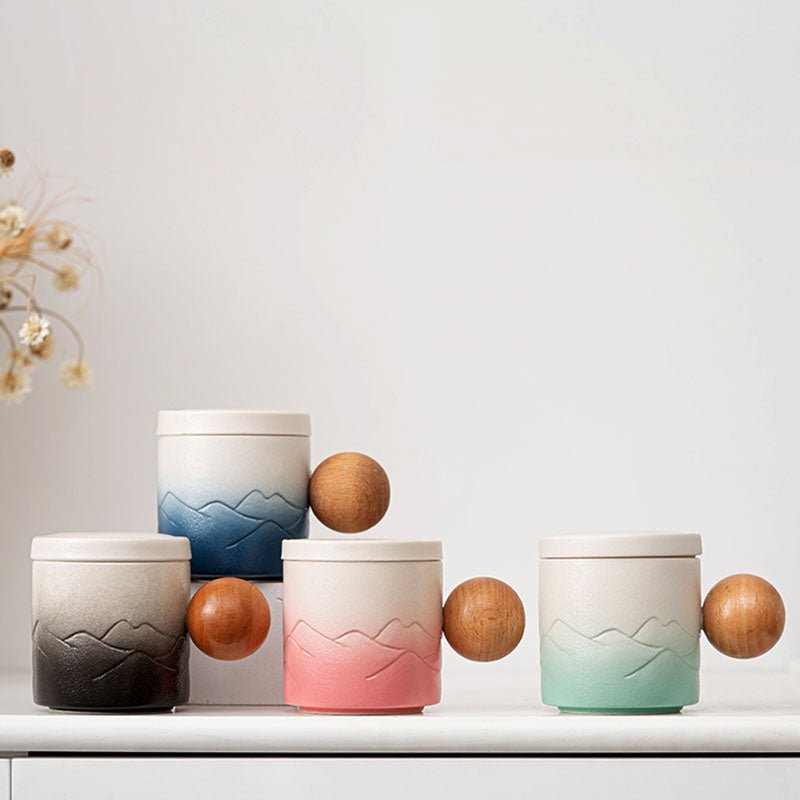
If you are comparing styles rather than hunting a specific vintage piece, start with our Landscape Coffee Tea Mug, The Gradient Coffee Tea Mug, and Retro Coffee Tea Cup. For a broader look at current options, the full collection is the fastest way to compare shapes and finishes side by side.
What makes an otagiri coffee mug worth buying?
An otagiri coffee mug is usually appealing because of its visual character first, then its function. Buyers are often drawn to earthy glazes, textured surfaces, scenic art, or the slightly hand-finished feel that older imported mugs are known for. The best pieces feel balanced in the hand and have enough wall thickness to stay comfortable without feeling flimsy.
In practical terms, we look at three things before we recommend any mug in this style:
- Body and weight: ceramic or stoneware mugs should feel sturdy, not top-heavy.
- Lip comfort: a thick, uneven rim can be charming, but it can also feel awkward on daily morning use.
- Handle clearance: there should be enough room for three fingers if the mug is meant for coffee, not just display.
The trade-off is simple. The more collectible and original the piece, the more likely you are to accept minor wear, age spots, or glaze irregularities. If you want a mug that performs like a daily driver, a newer mug with a similar retro profile is usually the safer choice.
How do you judge condition before you buy?
Condition matters more than age alone. A clean-looking mug can still have hairline cracks, and a visibly worn mug may be perfectly usable if the damage is only cosmetic. We inspect mugs on a countertop under direct light because small problems hide in shadows.
Check for these common defect modes:
- Rim chips: these affect drinking comfort immediately.
- Hairline cracks: sometimes only visible when the mug is dry and tilted toward light.
- Crazing: fine surface lines in the glaze that may be harmless, but can trap stains and odors.
- Handle stress: look where the handle joins the body, since older mugs often fail there first.
- Base wear: a rough foot ring can scratch counters and indicate heavy previous use.
If you are buying online, ask for photos of the rim, handle junction, base, and any maker mark. For a deeper buying checklist, our Otagiri Coffee Mug Buying Guide: Size, Condition, and Best Uses covers the condition questions shoppers usually forget to ask until after the mug arrives.
We also remind buyers to separate display condition from daily-use condition. A mug with faded artwork may still be a fine shelf piece. A mug with a chipped lip is not the one you want for hot coffee every morning.
What size and shape work best for everyday coffee?
Size is where a lot of vintage mug purchases go wrong. Many shoppers fall for the artwork and only later notice the mug is too small for a full pour, too narrow for a comfortable grip, or too tall for a machine or cabinet shelf.
For daily use, we usually advise checking the actual capacity, not the name printed in the listing. A mug that looks substantial in photos may still hold less than expected. If you are comparing common sizes, these guides help with fit and use cases: 10 oz Coffee Mug: Size, Fit, and What to Check Before You Buy, 11 oz Coffee Mug: Size, Fit, and What to Check Before You Buy, and 12 oz Coffee Mug Buying Guide for Fit, Comfort, and Daily Use.
| Buyer need | What to check | Why it matters |
|---|---|---|
| Desk coffee | Stable base, comfortable handle, moderate capacity | Less spill risk and easier one-handed use |
| French press top-up | Room for a larger pour | Prevents overflow and makes the mug more practical |
| Cabinet storage | Height and handle width | Some taller mugs simply do not fit under shelves well |
| Gift buying | Neutral shape and easy cleaning | Makes the mug easier to use for different people |
If a mug is mainly for espresso-sized servings, an old-fashioned collectible shape can be charming. If you drink a full mug at a desk, a shallow, narrow cup may disappoint you by cooling too fast.
Which modern mugs give a similar look without vintage risk?
If you want the style of an otagiri coffee mug without chasing one specific vintage piece, we recommend looking for mugs with warm color movement, textured glaze, and a relaxed silhouette. That is where the feel comes through, even on a new mug.
In our store, three options are often a better fit for buyers who want daily use first:
- Landscape Coffee Tea Mug: a good choice if you want an earthy, scenic look that feels close to collectible tableware.
- The Gradient Coffee Tea Mug: better if you prefer a cleaner finish with color variation rather than full artwork.
- Retro Coffee Tea Cup: the closest fit for shoppers who want a nostalgic silhouette without the uncertainty of age-related wear.
The advantage of a new mug is predictability. You know the condition, the finish, and the intended use. The disadvantage is that you do lose some of the one-off charm that makes a true vintage piece feel special. That is a fair trade if the mug will live on a work desk, in a break room, or in a busy kitchen where durability matters more than rarity.
If you are still deciding between retro shapes and more standard drinking sizes, our buying guide on the site can help you compare the typical 10, 11, and 12 ounce formats before you commit to one style.
What should you expect from daily use in the kitchen or office?
Real life matters more than listing photos. A mug that looks perfect under studio lighting can feel awkward on a crowded office desk, fit poorly under a coffee machine, or be annoying to wash if the glaze is too textured in the wrong place.
From handling mugs in our store, these are the daily-use issues people notice fastest:
- Dishwasher behavior: printed or delicate decorative mugs can fade or wear faster than simple glazed mugs if the decoration is not well protected.
- Thermal comfort: thicker ceramic holds heat longer, but it can also make the mug feel heavier.
- Surface texture: matte or textured finishes look great, but they can show tea and coffee residue more easily than smooth glaze.
- Stacking and storage: a wide handle or irregular body shape may take up more cabinet space than expected.
We do not recommend a vintage-style mug if you need something for rough handling, constant microwaving, or frequent travel between work and home. For that use case, a simpler modern mug is usually the smarter purchase. The retro look should not cost you convenience.
That is why many shoppers end up deciding between a collectible-style mug for weekends and a more practical everyday mug for workdays. Both can be correct. The mistake is expecting one cup to do both jobs equally well.
How should you care for an otagiri coffee mug?
Care depends on the age, glaze, and decoration of the mug. If you own a vintage piece, hand washing is usually the safer default unless the seller explicitly confirms dishwasher safety. Even then, mild detergent and a soft sponge are better than repeated abrasive scrubbing.
Our practical care checklist is simple:
- Wash the mug soon after use so coffee oils do not settle into micro-crazing.
- Dry the base and handle area fully before storage.
- Avoid sudden temperature changes, especially with older ceramic pieces.
- Do not use harsh scouring pads on printed or textured decoration.
- Inspect the foot ring and rim periodically for new chips.
If a mug already has crazing or a slightly porous surface, it may hold stains more easily over time. That is not always a dealbreaker, but it does mean the mug is less forgiving than a new one with a smooth, sealed glaze.
For buyers focused on fit and comfort rather than vintage patina, new mugs are easier to live with and easier to keep looking clean.
Which type of buyer should skip this style?
An otagiri coffee mug is not the best choice for everyone. We would steer some buyers elsewhere without hesitation.
You should probably choose a different mug if you:
- need something extremely durable for a commute bag or travel use;
- want a perfectly uniform set for restaurant-style service;
- dislike visible glaze variation, texture, or hand-finished irregularity;
- need a mug that can take heavy dishwasher cycles without concern;
- prefer a lighter cup that feels almost featherweight in the hand.
That is why our store keeps both style-driven mugs and simpler everyday options available. The best purchase is the one that matches how you actually drink coffee, not just how the mug looks in a listing photo.
Frequently asked questions
How can I tell if an otagiri coffee mug is authentic?
Look for a maker mark, import stamp, or other underside marking, but do not treat the mark alone as proof. Authenticity also depends on glaze style, age-appropriate wear, and the overall construction. If the seller cannot show clear photos of the base, rim, and handle, be cautious.
Is an otagiri coffee mug safe for daily coffee use?
Often yes, if the mug is free of cracks, chips, and questionable repairs. For a vintage mug, we still recommend a careful inspection before hot liquids go in it every day. If the mug has heavy crazing or damage at the rim, it is better as a display piece.
What size should I look for if I drink coffee at my desk?
Most desk users are happiest with a mug that holds enough for a full pour without becoming bulky or unstable. A comfortable handle and a base that sits flat matter just as much as capacity. If you are comparing standard sizes, our mug size guides linked above are the fastest way to narrow it down.
Can I put a vintage-style mug in the dishwasher or microwave?
Do not assume yes. Many older mugs and decorated pieces are better washed by hand, and some decorative finishes do not belong in the microwave at all. If there is any doubt, hand washing is the safer choice.
What is the best alternative if I want the look but not the collector risk?
A new retro or scenic mug is the practical answer. The Landscape Coffee Tea Mug, The Gradient Coffee Tea Mug, and Retro Coffee Tea Cup are good places to start if you want the style without hunting for condition notes.
If you want the full comparison path, start with the condition checklist, then compare shape and capacity, then choose the mug that fits your cabinet, your brewer, and your cleaning routine. From there, browse our full collection and pick the one that fits how you actually drink coffee.
Read more
Mug & Cup Coffee Buying Guide for Daily Use and Gifting
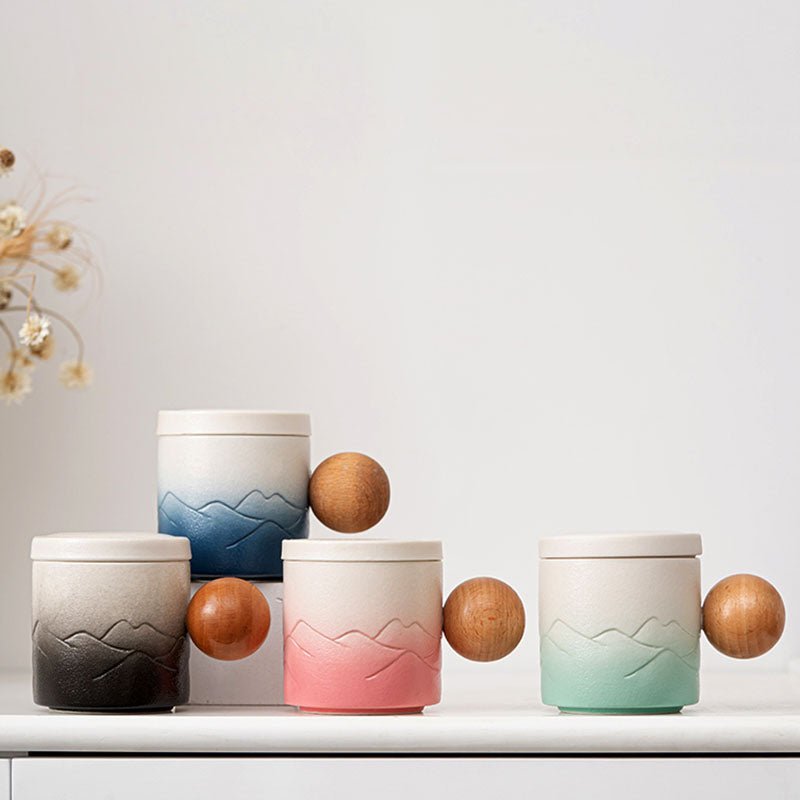
Compare mug & cup coffee options by shape, capacity feel, comfort, and care. We cover the trade-offs we see most often in real kitchens, desks, and gift orders.
Per saperne di più
Coffee Mug Holders: How to Choose the Right Style for Your Space
Coffee mug holders are a small purchase that can make a kitchen counter, office shelf, or gift display feel much more organized. This guide compares styles, materials, and fit so you can choose a h...
Per saperne di più
Commenta
Questo sito è protetto da hCaptcha e applica le Norme sulla privacy e i Termini di servizio di hCaptcha.