
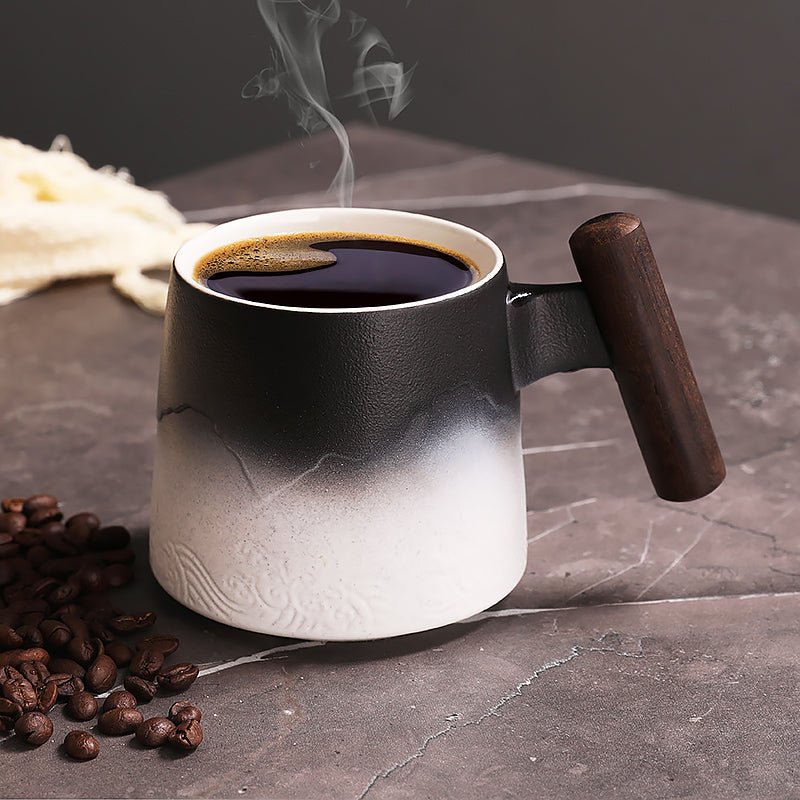
Mug Coffee Buying Guide: Materials, Sizes, and Daily Use
Reading time: about 9 minutes
The first thing we notice with a mug coffee shopper is not the design. It is the handle. If the mug feels awkward empty, it will feel worse once it is filled with hot coffee, carried to a desk, and washed again after lunch.
That is why we approach mug coffee as a practical purchase, not a décor decision. In our store, we see people choose mugs for different reasons: a work-from-home desk, a slow weekend pour-over, a gift that needs to be safe and useful, or a daily cup that can survive dishwashing without fuss. If that is your situation, the details below will help you compare options before you buy. You can also browse our current lineup on our products page or view everything in the full collection.
What size mug coffee should you buy?
Size changes how a mug feels in real use. A smaller cup keeps coffee hotter longer and feels lighter in the hand. A larger mug is better if you refill once and get back to work. Most buyers end up choosing between compact everyday cups and larger mugs that hold a full travel-style serving without the lid.
If you are comparing sizes, our two most common reference points are 8 oz and 20 oz. An 8 oz coffee mug guide is useful if you drink espresso-based drinks, small drip servings, or want a cup that feels balanced for a shorter pour. Our 20 oz coffee mug guide makes sense if you like a larger morning pour, keep coffee on a desk, or do not want to refill often.
- 8 oz mugs: Better for smaller servings, stronger drinks, and people who want less cooling surface.
- 12 to 14 oz mugs: A common middle ground for everyday drip coffee.
- 16 to 20 oz mugs: Better for long mornings, iced coffee with ice, or users who want fewer refills.
The trade-off is simple. Bigger mugs can be bulky, especially if your hand is small or your cabinet shelf is tight. Smaller mugs look neat and drink well, but they may feel too small for buyers who pour a full cup and still want room for milk.
Which mug material works best for daily coffee?
Material affects heat retention, weight, and how the mug feels after repeated use. The most common everyday choice is ceramic because it handles hot coffee well, feels stable on a counter, and usually cleans easily. It is also the easiest material for most shoppers to live with, especially if the mug will go from kitchen to office and back again.
Here is how we think about the main options in real life:
| Material | Best for | Trade-off |
|---|---|---|
| Ceramic | Daily coffee, home kitchens, office desks | Can chip if knocked against sinks or other mugs |
| Stoneware | A heavier feel and a sturdy hand feel | Often thicker and a little heavier to lift |
| Porcelain | A lighter, finer feel for quieter coffee moments | Can feel more delicate than stoneware |
| Stainless steel | Durability and heat retention | Less traditional mug feel, not ideal for everyone |
For most mug coffee buyers, ceramic is the safest all-around choice. It is not the best option if you drop dishes often or need insulated performance. In those cases, a travel mug may fit better. Our best coffee travel mug guide and best coffee togo mug guide are better matches if you need a cup built for commuting rather than sitting on a desk.
What details should you check before buying a mug coffee set?
The small details are usually what separate a mug people keep from one they re-gift or leave in a cabinet. We see this all the time with gift unboxings and office purchases. A mug can look great online and still disappoint if the handle is too narrow, the rim feels rough, or the base leaves marks on a table.
Before you buy, check these practical points:
- Handle size and grip — Make sure two or three fingers fit comfortably, especially if you sip while walking around the house or office.
- Rim shape — A smoother rim usually feels better on the lips and makes sipping more pleasant.
- Base stability — A flatter base sits better on desks and reduces wobble on kitchen counters.
- Wall thickness — Thicker walls tend to feel sturdy but can make the mug heavier.
- Finish — Matte finishes look nice, but they can show wear differently than glossy glaze over time.
In our experience, buyers often overlook dishwasher fit. A mug that is too tall or too wide can be annoying if your dishwasher rack is already full. If you plan to hand wash only, that is fine. If you expect daily dishwashing, choose a shape that fits your routine rather than forcing your routine around the mug.
Is a mug coffee purchase good for gifting?
Yes, but only if you choose a mug that feels easy to live with. A mug gift works best when the recipient can use it immediately at home, at work, or during weekend coffee. It is less useful when the design is too specific, the size is too unusual, or the handle feels awkward for a broad range of hands.
We suggest using the same standard we use when we help shoppers choose gifts in our store: pick something neutral enough to use often, but not so plain that it feels forgettable. A coffee mug makes sense for birthdays, office thank-yous, small holidays, and host gifts. It is not the best fit if you need a highly insulated cup for commuting or a specialty vessel for espresso-only drinkers.
If your goal is a gift that feels more personal than a generic cup, our awesome coffee mugs guide is a good place to compare what people actually keep on their shelves and desks.
Our rule of thumb: if the mug looks nice but feels awkward empty, it will probably stay in the cupboard.
How should you care for a coffee mug so it lasts longer?
A mug should be easy to maintain. That sounds basic, but it matters. Coffee staining, metal utensil marks, and small chips usually happen because the mug is used hard and cleaned carelessly. We see the most common wear in the same places: the inside bottom, the rim, and the edge of the handle.
To keep a mug in good shape, use these simple habits:
- Rinse it soon after use if you left coffee sitting in it for hours.
- Avoid sudden temperature changes, such as pouring boiling liquid into a cold mug straight from a chilly cabinet.
- Do not stack heavy mugs tightly if the glaze or rim is delicate.
- If the finish is glossy, a soft sponge is usually enough for everyday cleaning.
Some mugs are dishwasher safe, but that does not mean they are immune to wear. Repeated washing can dull certain finishes over time, especially if the mug bumps against other dishes. If you want the least maintenance, choose a shape and finish that are easy to rinse, easy to dry, and not prone to showing every mark.
What kind of mug coffee buyer should choose something else?
A standard mug is not the right answer for everyone. If you commute, need spill resistance, or keep coffee hot for a long stretch between meetings, a travel mug or insulated to-go cup will suit you better. If you only drink espresso or very small servings, a large 20 oz mug may feel oversized and take too long to finish.
We also would not suggest buying a decorative mug if your main goal is daily practicality. Some novelty mugs are fun once, then awkward every morning because the shape is unbalanced, the handle is small, or the cup is hard to store. For a more durable daily-use approach, focus on comfort first, appearance second.
If you are deciding between a statement mug and a reliable everyday cup, the best coffee mug guide is the most useful comparison on our blog. It focuses on what holds up on a kitchen counter, a desk, and a busy wash cycle.
How do you compare mug coffee options quickly before buying?
If you want a fast way to narrow things down, use this checklist. We use the same kind of questions internally when we sort products for our store, because it keeps the decision grounded in actual use rather than appearance alone.
- How much coffee do you drink at once? Small serving, standard cup, or large pour?
- Where will you use it most? Kitchen, office, couch, or gift shelf?
- Do you want comfort or durability first? Lightweight feel or sturdier build?
- Will it live in the dishwasher? If yes, prioritize simple shapes and finishes.
- Is this for daily use or occasional use? Daily use needs fewer gimmicks and better grip.
We always tell shoppers that the best mug coffee purchase is the one that matches the habit, not just the photo. A mug that feels right during the first morning pour is usually the one that stays in rotation.
Frequently asked questions
What size mug is best for everyday coffee?
For most people, a 12 to 14 oz mug is the easiest everyday choice. It gives enough room for a normal drip coffee with a little milk or cream without feeling oversized. If you drink smaller servings or want better heat retention, 8 oz can work better.
Are ceramic coffee mugs good for daily use?
Yes, ceramic is one of the best all-around materials for daily use. It feels comfortable, handles hot coffee well, and usually cleans easily. The main limitation is chip resistance, so it is not the best choice if you are hard on dishes or drop things often.
Can I put my coffee mug in the dishwasher?
Many mugs can go in the dishwasher, but the finish and construction still matter. Repeated cycles can dull some glazes or wear printed designs over time. If the mug is part of your daily routine, make sure the shape fits your rack and your washing habits.
What makes a mug comfortable to hold?
A comfortable mug usually has a handle that fits at least two fingers without squeezing, a stable base, and a weight that does not feel top-heavy when full. The rim should feel smooth, and the body should not be so thick that the mug becomes cumbersome.
Should I buy a coffee mug or a travel mug?
Buy a coffee mug if you mostly drink at home, at a desk, or during relaxed breaks. Choose a travel mug if you need spill resistance, insulation, or a cup that goes in the car or bag. A regular mug is better for comfort; a travel mug is better for movement.
If you want to compare practical options side by side, start with our current selection on the full collection, then check the size-focused guides that match how you actually drink coffee. That is the fastest way to choose a mug coffee option you will keep using instead of just admiring once.
More from our blog
Read more

Star Wars Coffee Mug: What to Check Before You Buy
A practical buyer’s guide to choosing a Star Wars coffee mug that looks good, feels right in hand, and holds up to real daily use. We cover size, material, care, and the trade-offs that matter befo...
Per saperne di più
Self Stirring Coffee Mug: What to Check Before You Buy
A self stirring coffee mug can be handy for protein coffee, instant mixes, or mornings when you do not want to hunt for a spoon. Here is what matters most before you buy, including real trade-offs ...
Per saperne di più
Commenta
Questo sito è protetto da hCaptcha e applica le Norme sulla privacy e i Termini di servizio di hCaptcha.