
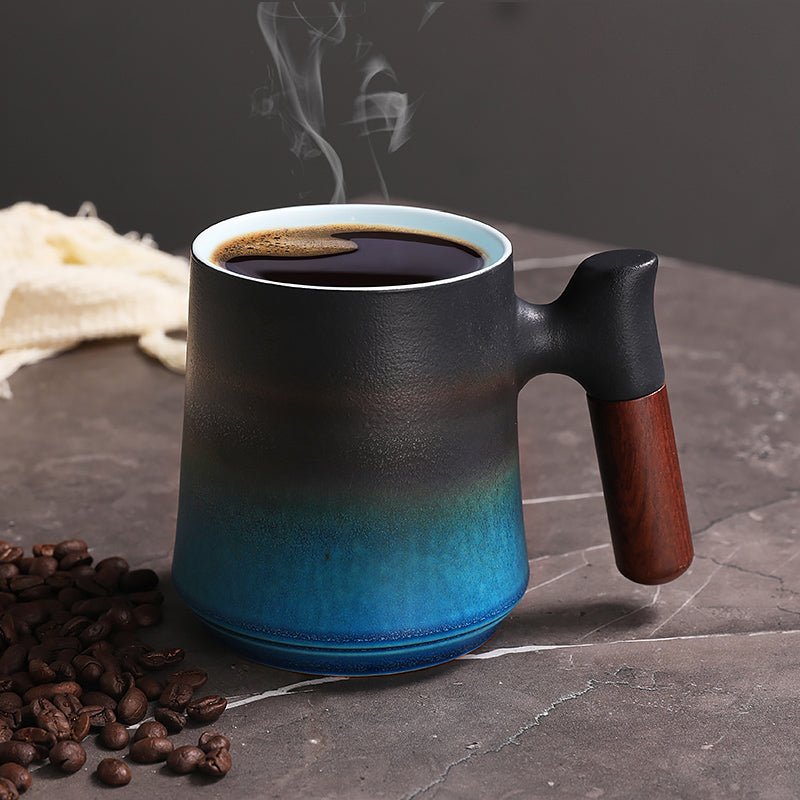
Metal Coffee Mugs: What to Check Before You Buy
Reading time: about 7 minutes
A metal mug on a kitchen counter tells you fast whether the design works: the rim feels smooth, the handle is comfortable, and the coffee does not go lukewarm before the second refill. The wrong one feels cold in the hand, rings on the counter, or shows wear after a few dishwasher cycles.
What are metal coffee mugs good at, and where do they fall short?
Metal coffee mugs make sense for desks, patios, travel-heavy routines, and gift buyers who want something tougher than ceramic. In our store, the buyers who keep reaching for them usually want one of two things: fewer breakable pieces in the cabinet, or a cleaner, more durable look for everyday use. The trade-off is real. Metal is sturdy, but it is not always the best fit for every coffee habit.
- Good at: resisting chips and cracks, handling rough daily use, and feeling lighter than thick ceramic.
- Less ideal for: microwave reheating, people who dislike a metallic sip, and anyone who wants the warmest possible mug feel in the hand.
- Worth checking: wall construction, rim finish, handle comfort, and whether the care instructions fit your routine.
If you want a broader pre-purchase checklist before you narrow down a design, our article on Metal Coffee Mugs: What Buyers Should Check Before Ordering goes deeper on the same buying logic.
Which construction should you choose for everyday coffee?
Not all metal coffee mugs behave the same way. The construction changes how hot the mug feels, how long the coffee stays comfortable to sip, and how the mug wears over time. This is where a lot of buyers make the wrong call by focusing on appearance first and use case second.
| Build | What it feels like | Best for | Trade-off |
|---|---|---|---|
| Single-wall metal | Light, simple, and responsive to heat | Casual desk use, quick pours, outdoor settings | Gets hot to hold sooner and offers less insulation |
| Double-wall metal | More insulated, often quieter in the hand | Longer sipping sessions, office desks, slower mornings | Usually thicker and sometimes bulkier |
| Enamel-coated steel | Classic look with a coated exterior | Gifting, cabin use, low-fuss display pieces | Can chip if dropped or knocked against hard surfaces |
Our team tends to recommend double-wall builds when the buyer cares most about temperature comfort and single-wall mugs when durability, weight, and a simpler silhouette matter more. There is no perfect answer. The right mug depends on how you drink, where you drink, and how much heat transfer you are willing to feel through the handle.
Which size and shape feel right on a desk or in a cabinet?
Capacity matters because metal mugs are often chosen for daily use, not just display. A mug that is too small runs out before you want it to, while one that is too large can feel bulky, especially if you prefer a concentrated pour or a smaller morning cup. If you are deciding between standard day-to-day sizes, our guides to 12 oz coffee mugs and 16 oz coffee mugs are useful bookends for figuring out whether you want a compact cup or a longer-sipping mug.
We also see a lot of buyers land in the middle when they want enough room for milk or cream without committing to a oversized silhouette. That is why shape matters as much as capacity. A taller mug can feel easier to grip, while a wider mug may cool faster but feel more stable on a desk or nightstand.
- 12 oz: Better for standard drip coffee and smaller servings.
- 14 oz: A practical middle ground if you add milk, prefer a second refill, or want a little more room.
- 16 oz: Better for long desk sessions, larger pours, or buyers who do not want to top up as often.
If your current mug feels either cramped or oversized, checking capacity first usually fixes the problem before you even start comparing finishes.
What should you inspect before ordering?
This is the part that separates a mug you keep from one you set aside. The details are small, but they matter every morning. We look at the same few things whenever we assess metal coffee mugs for the store.
- Rim finish: Run a finger around the drinking edge. It should feel smooth, not sharp or uneven.
- Handle attachment: Check for a secure weld or solid join. A loose-feeling handle becomes annoying fast.
- Wall type: Decide whether you want the lighter feel of single-wall metal or the insulation of double-wall construction.
- Surface finish: Brushed stainless steel, enamel, and coated finishes all age differently. Powder-coated or printed surfaces may show scuffs sooner.
- Care instructions: If the mug is hand-wash only, make sure that still fits your routine. If it is dishwasher-safe, check whether that applies to the whole mug or just the base material.
Two common defect modes show up again and again in this category: a rim that feels slightly rough after washing, and cosmetic wear around the base or handle after repeated use. Neither one sounds dramatic on a product page, but both are obvious the first time you use the mug every day.
How do metal mugs behave in real kitchens and offices?
In actual use, metal coffee mugs are less about the photo and more about the routine. On a kitchen counter, they need to be stable next to a grinder, kettle, or pour-over setup. On an office desk, they need to survive being set down hard, moved around, and washed often. For gift buyers, the unboxing experience matters too. A good-looking mug should still feel balanced in the hand after the ribbon is gone.
In our experience, the mugs people keep are the ones that handle normal life well: a little condensation, a few dishwasher cycles, a brief clink against a sink, and daily shelf storage. The ones that get abandoned usually fail on one small thing, not ten things at once. The rim feels off. The finish scratches too easily. The mug is nice to look at but awkward to drink from.
- Kitchen use: Prioritize comfort, easy cleaning, and a finish that does not show every fingerprint.
- Office use: Prioritize a stable base and a size that fits beside a keyboard without crowding the workspace.
- Outdoor use: Prioritize durability and lighter weight over delicate coatings.
One limitation is non-negotiable: metal mugs are not a microwave solution. If reheating coffee is part of your routine, a ceramic mug or another microwave-safe vessel is usually the better choice.
Which mugs should you start with in our store?
If you want to compare styles in one place, start with our full collection of coffee mugs. If you already know you want a metal mug, these are the fastest options to review first:
- Great Mountain Coffee Tea Mug for buyers who want a straightforward everyday mug with a grounded, outdoors-friendly look.
- Emerald Coffee Tea Mug if you want a cleaner color direction that works well on a desk or as a gift.
- Landscape Tall Coffee Tea Mug if a taller silhouette fits your hand better or you want something that stands out more visually.
If you are still comparing sizes after that, our guide to 14 ounce coffee mugs is a practical middle-ground reference for buyers who want something between compact and oversized.
The safest next step is simple: compare construction, capacity, care instructions, and rim comfort before you order. If you want a place to start browsing, open our collection, then choose the mug that fits the way you actually drink coffee.
Frequently asked questions
Are metal coffee mugs safe for hot coffee?
Yes, metal coffee mugs are commonly used for hot coffee, but the comfort level depends on the construction. Single-wall mugs transfer heat faster, so the outside can feel warmer to the touch. Double-wall mugs usually feel easier to hold because they insulate better.
Can metal coffee mugs go in the microwave?
No. Metal should not go in a microwave. If reheating is part of your routine, choose a microwave-safe mug instead of a metal one.
Do metal coffee mugs change the taste of coffee?
Some people notice a slight metallic feel, especially with thinner or older mugs. Good cleaning helps, and a smooth interior finish usually tastes better than a rough or worn one. If taste sensitivity is a priority, ceramic may be the better fit.
What is better for heat retention, single-wall or double-wall metal mugs?
Double-wall metal mugs are usually better at holding temperature because they trap more air between the layers. Single-wall mugs are lighter and simpler, but they give up insulation faster. If you sip slowly, double-wall is usually the safer choice.
How should I clean a metal coffee mug without damaging it?
Use a mild dish soap and a soft sponge, then dry it well so water spots do not build up. Avoid abrasive scrubbers on coated or printed finishes, because they can dull the surface. If the mug is dishwasher-safe, follow the care note for that specific finish rather than assuming every metal mug is the same.
Before you buy, compare the mug against four points: construction, size, rim feel, and care instructions. Then start with our all mugs collection and narrow to the mug that matches your daily routine.
Read more
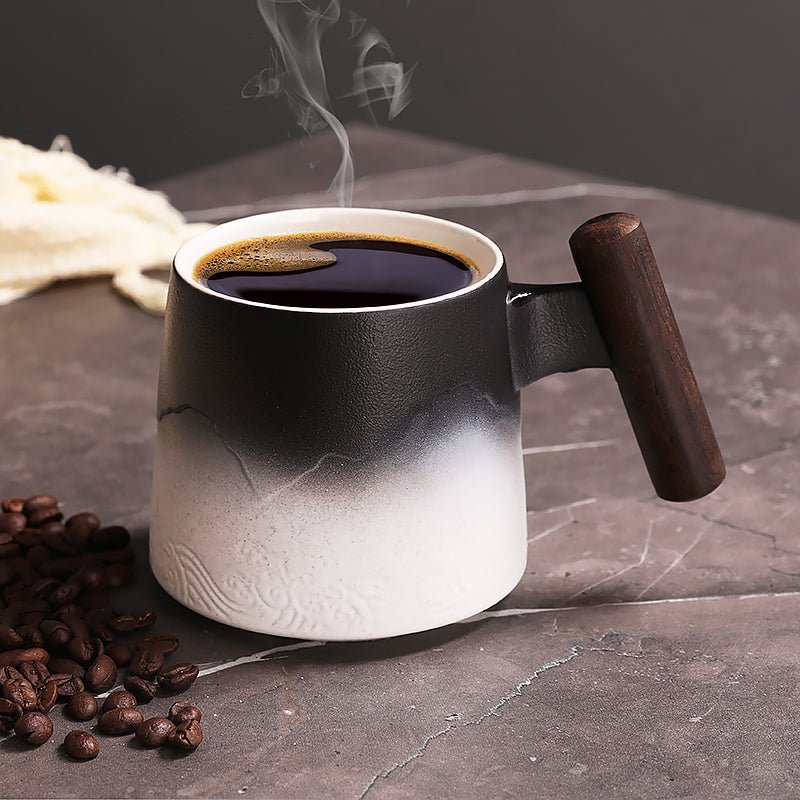
Blank Coffee Mugs: What Buyers Should Check Before Ordering
Blank coffee mugs are easy to buy badly and keep for years. This guide shows what to check in shape, finish, and daily use so you can pick the right mug the first time.
Per saperne di più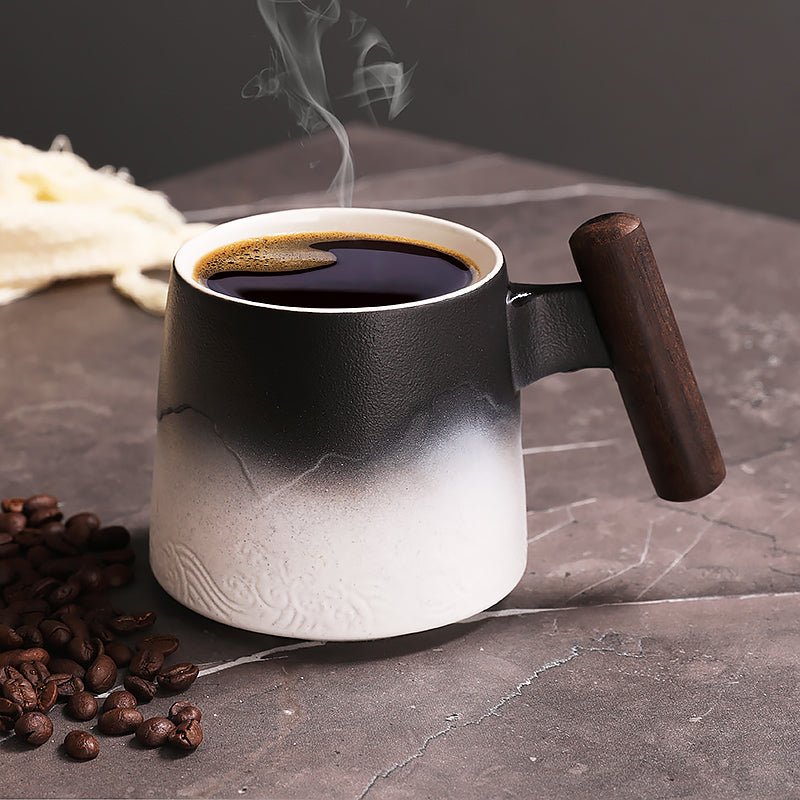
Blank Coffee Mugs: Size, Shape, and Finish Buying Guide
Blank coffee mugs are easy to misjudge online and expensive to dislike in person. We break down the shape, finish, size, and daily-use trade-offs so you can pick the right mug for home, office, gif...
Per saperne di più
Commenta
Questo sito è protetto da hCaptcha e applica le Norme sulla privacy e i Termini di servizio di hCaptcha.