
Mean Mug Coffee Company: What Buyers Should Check Before Ordering
Reading time: about 8 minutes
We see the same pattern again and again: a mug looks right online, then it feels off on the counter. The handle is tighter than expected, the base wobbles, or the drink cools too fast for the way the buyer actually drinks coffee.
That is why people searching for mean mug coffee company usually want more than a logo or a slogan. They want a mug that fits a real morning routine, survives the dishwasher, and does not crowd a small shelf or office desk. We sell and handle mugs in this category every day, so we pay attention to the details that matter after the unboxing.
If you want a broader starting point, our Mean Mug Coffee: What Buyers Should Check Before They Buy post covers the same buying questions from a different angle, and our current lineup is on the products page.
What should you check first on a mean mug coffee company mug?
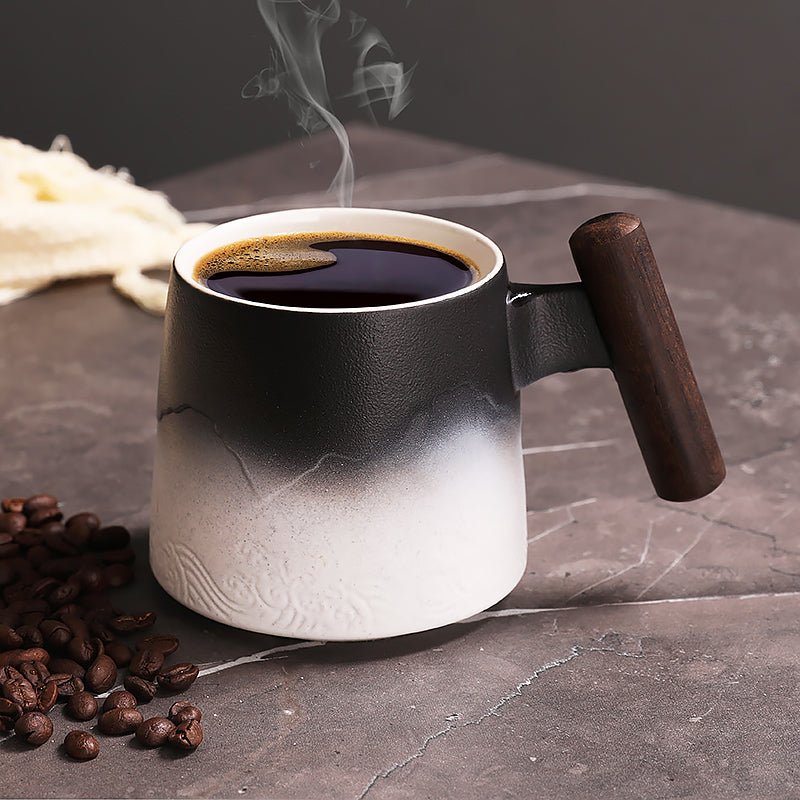
Start with the parts of the mug your hand and mouth notice first. A good photo does not tell you whether the handle has enough clearance for two fingers, whether the rim feels smooth, or whether the mug sits flat after firing.
- Handle fit: We look for enough space to grip without knuckle rub, especially if the mug is filled to the top.
- Wall thickness: Thicker walls help retain heat, but they also add weight. That matters if you carry your mug from kitchen to desk several times a day.
- Base stability: A flat foot ring keeps the mug steady on stone counters and office tables.
- Finish quality: A clean glaze should feel even, not gritty at the lip or rough near the handle join.
- Use case: A mug for drip coffee, tea, and cocoa is not the same pick as one meant for a quick espresso-style pour.
We also watch for defect modes that are easy to miss in a listing: a slight wobble, pinholes in the glaze, hairline marks near the handle joint, or a rough patch on the foot ring that can scratch furniture. Those are not small details once the mug is in daily rotation.
Which size is the safer pick for your coffee routine?
Size is where a lot of returns start. A mug can be technically usable and still be wrong for the way someone actually drinks coffee. A compact cup works better for short pours and smaller hands, while a larger mug is easier for long desk sessions and second refills.
If you are comparing specific capacities, our size guides for 10 oz Coffee Mug: Size, Fit, and What to Check Before You Buy, 11 oz Coffee Mug: Size, Fit, and What to Check Before You Buy, and 12 oz Coffee Mug: Size, Fit, and What to Check Before Buying are the best place to start for standard everyday coffee. For bigger pours, look at 15 oz Coffee Mug: Size, Fit, and What Buyers Should Check, 16 Ounce Coffee Mug Buyer’s Guide: Size, Material, and Fit, and 20 oz Coffee Mug: What to Check Before You Buy.
| Size | Best for | Main trade-off |
|---|---|---|
| 10 oz to 12 oz | Short coffee pours, smaller cabinets, and buyers who prefer a lighter mug | Less room for cream, foam, or a long refill gap |
| 15 oz to 16 oz | Desk coffee, longer mornings, and people who want fewer trips to the pot | Heavier in the hand and often larger than expected on a narrow shelf |
| 20 oz | Big coffee drinkers and single-cup routines | Can feel bulky for small hands and may be too much for a quick pour |
The safest size is the one that matches the drink you actually make. If the mug will live next to a drip machine, measure the clearance under the brewer and check your cabinet height before you buy. We see too many shoppers choose by ounce count alone and then discover the mug is awkward under the spout or too tall for storage.
What materials and finishes hold up best in daily use?
For most shoppers, the decision comes down to ceramic, stoneware, or porcelain. Ceramic is the broad category, but the feel changes a lot with the way it is fired and glazed.
Stoneware usually feels heavier and more substantial. It can hold heat well, which is good for slow drinkers, but that same weight is not ideal if you want a mug to feel light on a crowded desk.
Porcelain tends to feel smoother and a bit more refined at the lip. It is a good fit for buyers who want a cleaner drink feel, but it can come across as more delicate if the mug is going in and out of a busy sink area.
Glazed ceramic is the everyday workhorse in our experience. It is straightforward to clean, easy to pair with most kitchen styles, and usually the most practical choice for a mug that will see regular dishwashing.
Trade-offs matter here. A thick glazed mug keeps heat better, but it can also feel heavy after a full pour. A lighter mug is easier to handle, but it may lose heat a little faster. If you want a travel solution, a mug is not the right category at all. That is a job for an insulated tumbler, not a desk mug or kitchen cup.
Surface details matter as well. We inspect for:
- Uneven glaze pooling near the base or handle.
- Rough lip edges that can make the first sip unpleasant.
- Small bumps or pinholes that can collect residue over time.
- Hairline marks around the handle join that may signal stress during firing.
How should you care for a mug so it lasts?
The fastest way to shorten a mug's life is to treat it like indestructible kitchenware. Sudden temperature swings, metal scrubbers, and repeated banging against a sink edge can all create problems over time.
A simple care routine is usually enough:
- Rinse coffee residue soon after use so oils do not build up on the inside.
- Use a soft sponge or cloth instead of abrasive pads.
- Let the mug cool before running cold water through it.
- Follow the maker's dishwashing guidance if the mug has a printed design or special finish.
- Check microwave use only if the mug is marked safe for it.
Dishwasher safe does not always mean the same thing across all mugs. A plain glazed mug may handle repeat cycles well, while a decorated mug can fade, craze, or lose crispness around the print if it is handled too roughly. In our store experience, the mugs that last longest are the ones treated consistently: regular wash cycles, no abrupt thermal shock, and no hard contact with other heavy dishes.
If a buyer wants a mug for a shared office kitchen, we usually recommend a finish that is easy to identify and easy to clean. That reduces the chance of someone leaving espresso stains or syrup residue behind for the next person.
Who is a mean mug coffee company mug not a good fit for?
Not every mug style works for every drinker, and saying that plainly saves buyers time.
This style is usually not the best choice if you want:
- A travel-first cup that seals and fits in a car holder.
- An ultralight mug for hiking, camping, or packing in a work bag.
- A very small cup for straight espresso shots.
- A thin-rimmed, formal tea cup that feels delicate at the table.
It is also a weaker fit if you are extremely sensitive to mug weight. Some buyers want the most substantial feel possible, while others prefer a cup that almost disappears in the hand. Those are different priorities, and the right mug depends on which one matters more.
For shoppers who want to compare broadly rather than focus on one size or finish, the all collection is the cleanest place to sort through current options and narrow by capacity, shape, and use case.
What should you compare before placing the order?
Before you click buy, run a fast comparison against the way you actually drink coffee at home or at work. We use this same checklist when we are looking at new mugs ourselves.
- Does the capacity match your normal pour, not your ideal pour?
- Can your fingers fit through the handle without squeezing?
- Will the mug clear your coffee maker, cabinet, or shelf?
- Do you want a heavier mug that holds heat longer, or a lighter one that is easier to move?
- Is the finish plain enough for daily use, or do you want something more giftable?
If you are buying for a gift, think about the unboxing moment too. A mug with a clean glaze, a balanced shape, and a comfortable handle reads as intentional. A mug that feels awkward in the hand can disappoint even if the artwork looks good online.
Frequently asked questions
Is a mean mug coffee company mug good for everyday use?
Yes, if the size, handle, and finish fit your routine. Everyday use is where a mug's weight, balance, and cleaning instructions matter most, so we always recommend checking those details before you order.
What size mug is best for drip coffee?
For most drip coffee drinkers, 11 oz to 16 oz covers the common use cases. Smaller mugs are better if you prefer a compact pour, while larger mugs work better for longer mornings or heavier coffee drinks.
Are ceramic coffee mugs dishwasher safe?
Many are, but not all finishes behave the same way over time. Plain glazed ceramic usually handles dishwashing well, while decorated mugs may need gentler care to keep the print and surface looking clean.
What should I check if the mug is a gift?
Check the handle fit, the size, and whether the style matches the recipient's daily routine. A gift mug should be easy to hold, easy to clean, and practical enough that it does not end up in the back of a cabinet.
Should I choose 10 oz, 16 oz, or 20 oz?
Choose 10 oz if you want a smaller, lighter cup. Choose 16 oz if you want a more generous everyday mug, and choose 20 oz only if you know the drinker prefers large pours and does not mind extra weight.
If you want to compare current mug options side by side, start with our products page, then use the size guides above to narrow the fit before you buy.
More from our blog
Read more
Ceramic 20 oz Coffee Mug: What Buyers Should Check Before Buying
A ceramic 20 oz coffee mug gives you a real serving size for long mornings, desk refills, and tea that does not need a tiny cup. This guide covers the fit, finish, care, and trade-offs we check bef...
Per saperne di più
Ceramic Starbucks Coffee Mug: What Buyers Should Check Before Buying
A practical buying guide for a ceramic Starbucks coffee mug, covering size, handle comfort, glaze quality, and care so you can pick one that works on a kitchen counter or office desk.
Per saperne di più
Commenta
Questo sito è protetto da hCaptcha e applica le Norme sulla privacy e i Termini di servizio di hCaptcha.