
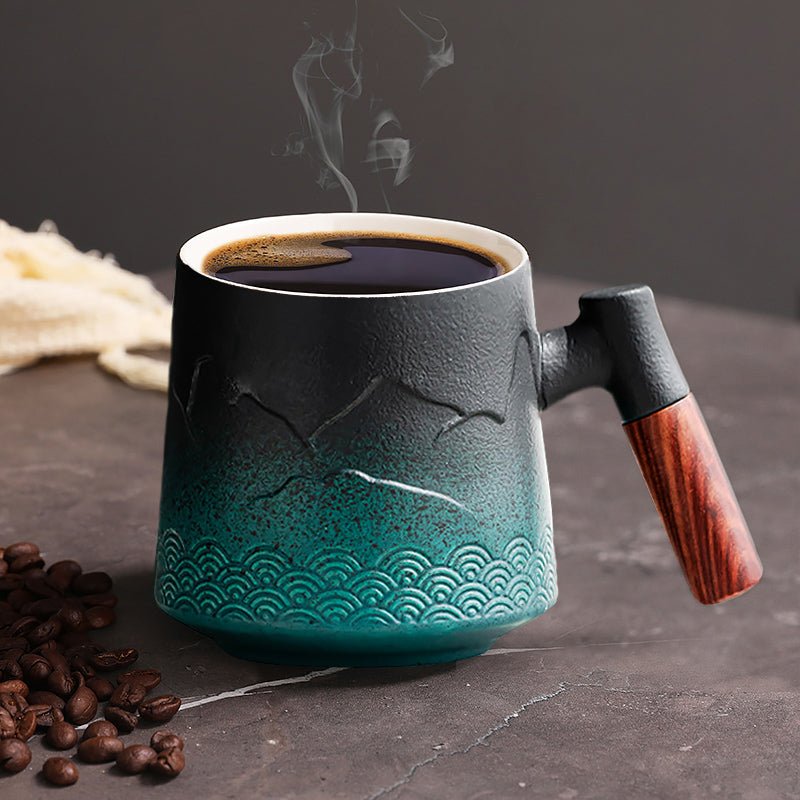
Man with Coffee Mug: What to Look for Before You Buy
Reading time: about 10 minutes
A man with coffee mug is a simple image, but the buying decision behind it is usually not simple at all. We see shoppers picking a mug for a desk, a father, a commute, or a small upgrade for the morning routine, and the wrong shape or size gets noticed fast.
At CoffeifyMug, we handle a lot of mug requests that start with a practical problem: the cup feels too small, the handle is awkward, the glaze stains too easily, or it just doesn’t match the way someone drinks coffee. This guide focuses on the details that matter before you buy. If you want to browse what we carry while you compare, start with our full collection or head straight to our products page.
What does a man with coffee mug usually need from a daily mug?
Most shoppers are not buying a mug for display. They want a cup that feels solid, stays comfortable in the hand, and works on a kitchen counter or office desk without fuss. In our experience, that usually means a mug with enough capacity for a real serving, a handle that fits comfortably, and a shape that is stable enough not to wobble when it is full.
The details depend on the drinker. A man who likes a straightforward black coffee may want a larger open mug. Someone who drinks lattes or cocoa may prefer a wider mouth and more room for foam. A shopper buying for a gift may care more about appearance and packaging, but the mug still has to be useful after the unboxing.
- Capacity: many buyers prefer something around 11 oz to 15 oz for daily use, while larger drinkers often look at 20 oz mugs.
- Handle size: a handle should allow at least three fingers comfortably for most adults.
- Base stability: a wider bottom helps on crowded desks and kitchen tables.
- Finish: a smooth glazed interior is easier to clean than textured or decorative surfaces.
Which mug materials make sense for a man with coffee mug?
Material changes the experience more than most people expect. We often see shoppers focus on the design first, then come back asking why a mug feels too light, too hot, or too fragile. The right material depends on where and how the mug will be used.
| Material | What it does well | Where it falls short |
|---|---|---|
| Ceramic | Good heat retention, classic feel, easy to personalize | Can chip if knocked against sinks or counters |
| Stoneware | Heavier feel, sturdy in hand, often good for everyday use | Can be bulky; not ideal if someone wants a lighter mug |
| Stainless steel | Tough, travel-friendly, better for temperature hold | Less traditional for a desktop coffee mug |
For a man with coffee mug that stays in the kitchen or office, ceramic is still the safest starting point for most shoppers. It usually feels familiar, rinses clean without much effort, and works for coffee, tea, or even soup. If the mug is going to travel, a travel mug or insulated style is a better fit. That is where our Best Coffee Travel Mug: What Shoppers Should Check Before Buying guide may help.
What size should you buy if he drinks coffee every day?
Size is one of the easiest ways to get a mug wrong. A cup that is too small gets refilled constantly. A cup that is too large can cool too slowly, feel bulky, or become awkward to hold when full. The right choice depends on drinking style and the amount of coffee actually poured.
Here is how we usually break it down in our store:
- 8 oz to 11 oz: best for small pours, espresso-based drinks, or people who want a lighter mug in the hand.
- 12 oz to 15 oz: the most balanced range for everyday coffee drinkers.
- 16 oz to 20 oz: better for long mornings, larger servings, or anyone who wants fewer refills.
If you are comparing larger mugs, our article on 20 oz Coffee Mug: What to Check Before You Buy is a practical next read. A 20 oz mug is not for everyone. It is useful for someone who sits at a desk for hours, but it can feel oversized for a quick espresso or a small apartment kitchen with limited storage.
What should you check about the handle and shape?
Handle comfort gets overlooked until the first sip. A mug can look perfect and still feel wrong if the handle is narrow, tight, or set too close to the body of the cup. We handle these mugs often enough to know that a few millimeters in handle opening can change the whole feel.
Look for these practical points:
- Knuckle clearance: enough space so fingers do not scrape the mug body.
- Balance: the mug should not tip forward when lifted with a full pour.
- Rim shape: a thinner rim can feel nicer to sip from, while a thick rim may feel sturdier but less refined.
- Grip: textured or oversized handles can help if the user has larger hands.
A mug for a man who uses it at a desk should also fit under shelves or near a keyboard without feeling bulky. That sounds minor until the mug lives next to a laptop, notebook, and charger every morning. In an office setup, a stable base and manageable width matter just as much as the design.
Is this a good gift, or should you choose a different style?
A man with coffee mug can be a strong gift choice, but only if the mug matches the person’s habits. A stylish mug works well for birthdays, Father’s Day, new jobs, or simple thank-you gifts. It is less useful if the recipient rarely drinks coffee, prefers insulated drinkware, or already owns several mugs he actually uses.
We usually tell shoppers to think in terms of use cases, not just appearance:
- Good gift fit: someone who drinks coffee at home or at work and likes a simple daily mug.
- Better as a travel mug: someone who commutes, drives a lot, or carries coffee between meetings.
- Better as an insulated mug: someone who leaves coffee sitting for long stretches and wants temperature hold.
- Better as a novelty mug: someone who collects mugs or likes a humorous desk piece, not necessarily a daily cup.
If you are shopping for a themed gift and want to understand meaning or style choices before buying, our articles Bad Dragon Coffee Mug Meaning: What Buyers Should Know and Bad Dragon Coffee Mug: What to Check Before You Buy cover the kinds of details that can affect whether a mug feels clever, appropriate, or just plain impractical for the recipient.
How do you know if a mug will hold up to everyday washing?
Durability is where many mugs quietly fail. A mug does not need to be indestructible, but it should survive repeated dishwasher cycles, normal sink use, and the occasional bump against the faucet or counter edge. The common failure points we see are chipped rims, hairline cracks near the handle, and printed designs that fade or wear if the surface finish is poor.
Before you buy, check for the care details that usually matter in real life:
- Dishwasher compatibility: helpful for daily use, especially in a shared kitchen.
- Microwave safety: important for anyone who reheats coffee instead of making a fresh cup.
- Glaze quality: a smooth, even glaze helps reduce staining and makes cleanup easier.
- Handle attachment: the handle should look firmly joined without visible stress lines.
A mug that is hand wash only is not automatically a bad choice. It just fits a different user. If the person is careful and wants a more decorative piece, that trade-off can make sense. If the mug is for an office dishwasher or a busy family kitchen, we would lean toward something simpler to care for.
What makes one mug better for a desk and another better for the kitchen?
The setting changes everything. A mug for the kitchen can be a little heavier and larger because it only needs to travel from cabinet to counter. A mug for a desk should be less awkward to lift around paperwork, keyboards, and notebooks. We think about spills, storage, and cleanup because those are the real frustrations shoppers mention after the purchase.
For a kitchen mug, buyers often prefer a fuller-bodied ceramic cup with a comfortable weight. For a desk mug, a slimmer profile and stable base can be easier to live with. If the mug is likely to sit beside a laptop, a lower-profile design with a good handle grip tends to be more practical than a decorative shape with lots of curves.
Our experience: the mug that gets used most is usually not the most expensive one. It is the one that feels right on the first week and still feels convenient on the hundredth cup.
What should you compare before clicking buy?
We recommend a quick, honest check before you choose a mug for a man with coffee mug use case. It saves returns and keeps the mug from becoming cabinet clutter.
- Capacity: does it match his actual coffee habit?
- Material: ceramic for everyday home use, insulated for travel, heavier stoneware if he likes a substantial feel.
- Handle comfort: will it fit his hand without squeezing?
- Care: dishwasher and microwave use if convenience matters.
- Style: plain, themed, funny, or gift-ready?
- Storage: will it fit under cabinets and on shelves?
If you want a broader buying framework, our guide to Best Coffee Mug: What Actually Matters for Daily Use is a solid companion piece. For buyers who want the most practical everyday pick, Best Mug to Drink Coffee: What Actually Works Every Day goes even deeper into daily-use trade-offs.
Frequently asked questions
What size coffee mug is best for a man who drinks one cup a day?
For most daily drinkers, 12 oz to 15 oz is the most practical range. It holds a normal pour without feeling oversized on a desk or in the hand. If he drinks a larger morning cup or keeps refilling less often, 16 oz to 20 oz may fit better.
Are ceramic mugs better than stainless steel for home use?
For home use, ceramic usually feels better and is easier to enjoy at a table or desk. Stainless steel is better when temperature retention and travel matter more than the drinking experience. If the mug will stay in the kitchen, ceramic is usually the more comfortable choice.
What mug features matter most for a gift?
For a gift, choose a mug that balances design with practical details like handle comfort, size, and easy care. A mug that is microwave and dishwasher safe is usually easier for the recipient to use every day. If the person likes novelty items, style matters more, but the mug should still be usable.
Can a man with coffee mug be too big for daily use?
Yes. A mug that is too large can feel heavy, take up too much space, and cool unevenly if the drinker prefers smaller pours. Large mugs are best for people who really use the extra capacity. For lighter drinkers, a medium mug is usually better.
What should I avoid if I want a mug that lasts?
Avoid thin handles, rough interior finishes, and designs that seem likely to chip or wear quickly. If the mug is going to be washed often, choose a finish and construction that look sturdy at the rim and around the handle. For frequent use, simple usually lasts better than overly decorative.
If you want to compare practical styles side by side, start with our full collection and use the checklist above to narrow it down. The right mug is the one that fits the drink, the hand, and the routine.
More from our blog
Read more
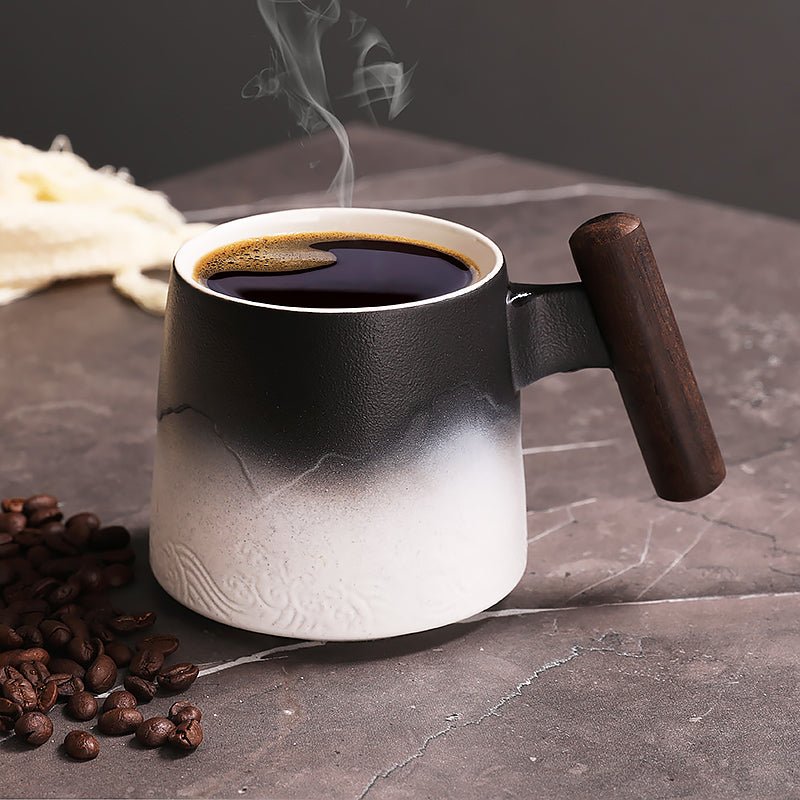
12 oz Coffee Mugs: What to Check Before You Buy
A practical buyer’s guide to 12 oz coffee mugs, including sizing, materials, handle comfort, and care. We break down what works for daily coffee, desk use, and gifting — and what to skip if you nee...
Per saperne di più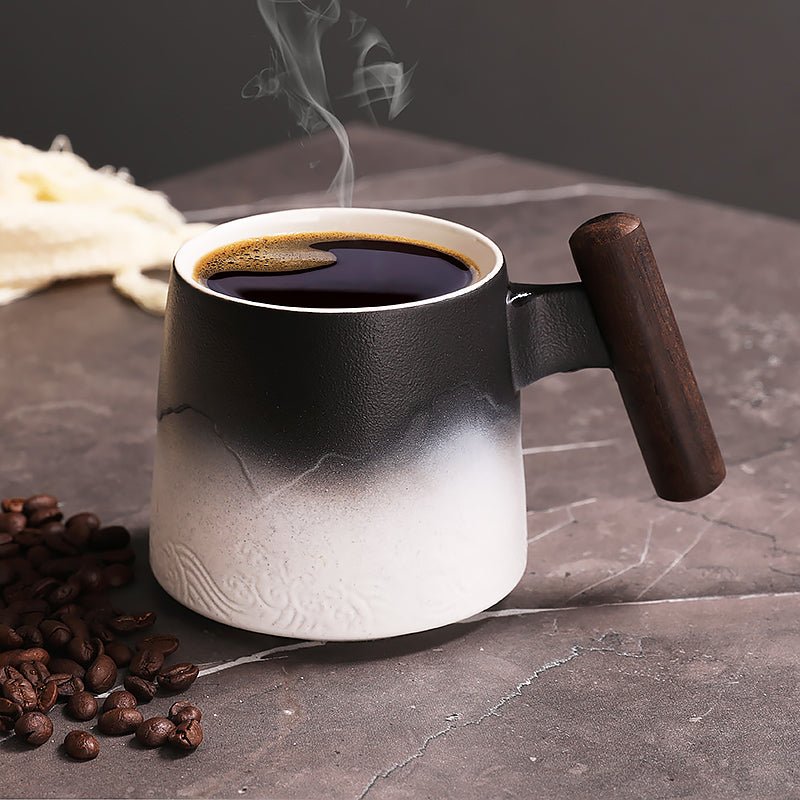
Mineral Crystal Coffee Mugs: What Buyers Should Check Before Ordering
Mineral crystal coffee mugs can look striking on a shelf, but the real question is how they feel in daily use. We break down materials, size, care, and trade-offs so you can choose a mug that fits ...
Per saperne di più
Commenta
Questo sito è protetto da hCaptcha e applica le Norme sulla privacy e i Termini di servizio di hCaptcha.