
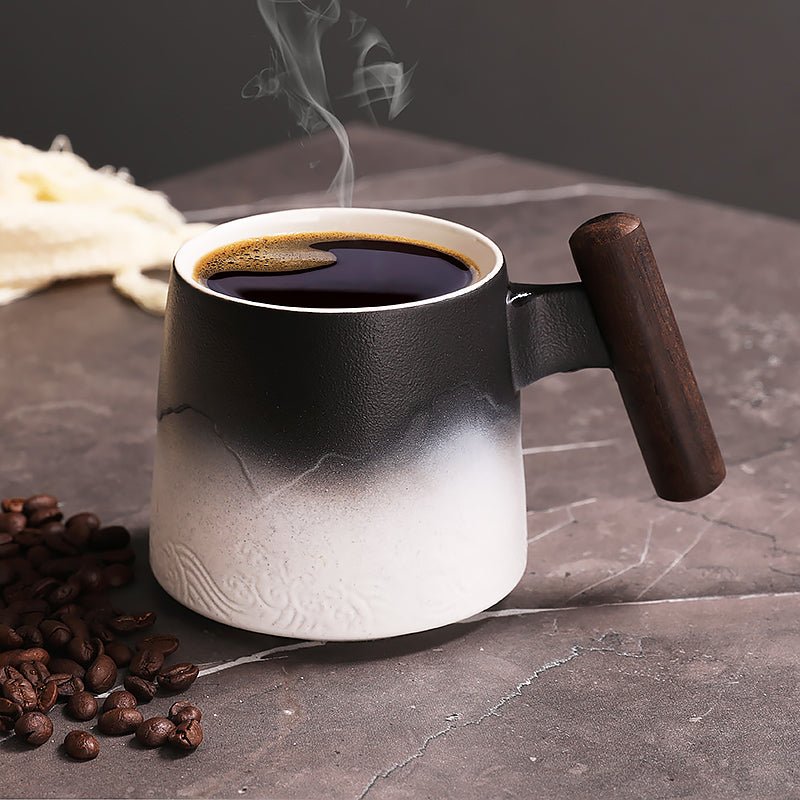
Linus Coffee Mug: What to Check Before You Buy
Reading time: about 9 minutes
A mug can look perfect in a product photo and still feel wrong the first morning you use it. We see that most often with character or themed mugs: the print is great, but the handle is tight, the rim is too thin, or the cup holds less coffee than the buyer expected.
If you are shopping for a linus coffee mug, the right question is not just how it looks. It is how it behaves on a kitchen counter, at an office desk, or after a week of dishwasher cycles. That is the difference between a mug that gets used and one that stays in the cabinet.
At our store, we look at mugs the same way buyers do: by fit, feel, durability, and cleanup. If you want to compare broader options while you read, start with our full collection or browse the current range on our product pages.
What should you check first in a Linus coffee mug?
The first check is simple: does the mug match how you actually drink coffee? A mug that works for a quick espresso-style pour is not the same as one built for a long drip coffee or a second refill at the desk.
In our experience, the most useful checks are:
- Capacity: make sure the size matches your normal pour, not the size you wish you drank.
- Handle clearance: a good mug should let most adults get three fingers through the handle without knuckles scraping the body.
- Rim shape: a clean, even rim feels better on the lips and usually signals better finishing overall.
- Surface finish: smooth glaze is easier to clean and usually less likely to feel rough or chalky over time.
A themed mug can be a great gift, but if the shape is awkward, it will lose its charm fast. That is why we treat fit as a buying requirement, not an afterthought.
Which mug size actually fits your routine?
Size matters more than most shoppers expect. A smaller mug keeps coffee hotter a little longer, while a larger mug gives room for milk, cream, or a long pour. The trade-off is weight and heat retention: bigger mugs can feel bulky, and very small mugs may force constant refills.
If you want a broader sizing reference, our guides on the 10 oz Coffee Mug: Size, Fit, and What to Check Before You Buy, the 11 oz Coffee Mug: Size, Fit, and What to Check Before You Buy, and the 16 oz Coffee Mug: What Buyers Should Check Before They Buy are useful comparisons.
| Size | Best for | What to watch |
|---|---|---|
| 10 to 11 oz | Smaller pours, tea, or a compact desk setup | May feel too small for large drip coffee servings |
| 12 to 14 oz | Most daily coffee drinkers | Check weight and handle comfort when full |
| 15 to 16 oz | Long mornings, milk drinks, or people who refill less often | Can be heavy and bulky if the walls are thick |
If you are comparing size guides, our 12 Ounce Coffee Mug Buying Guide: Size, Fit, and Best Uses and 15 oz Coffee Mug: Size, Fit, and What Buyers Should Check help narrow the choice quickly.
What materials and finishes hold up best?
For a printed or themed mug, material quality matters as much as the artwork. Most buyers are choosing between ceramic and stoneware. Ceramic usually feels smoother and lighter; stoneware tends to feel a bit denser and more substantial in the hand.
We look for three things in particular:
- A smooth, even glaze: this helps with cleanup and gives the mug a more finished feel.
- Consistent wall thickness: uneven walls can create hot spots or make the mug feel lopsided.
- Clean print edges: if the artwork is off-center or fuzzy at the edges, that usually shows poor production control.
For a linus coffee mug, the decoration method matters. A printed decal can look sharp, but it may be more vulnerable to wear if the maker does not specify dishwasher care. If you plan to use the mug every day, that is not a small detail. It is the difference between a mug that stays crisp and one that starts fading around the handle and rim.
One trade-off: heavier stoneware can feel sturdier, but it is not the best choice for someone who wants a lightweight mug for quick one-hand use. If you want something that feels easy and familiar at a desk, lighter ceramic is often the better fit.
How do you know if the handle and rim will feel comfortable?
Comfort is usually decided in the first ten seconds of holding the mug. A good handle should give you a secure grip without forcing your fingers into the mug body. If the opening is too narrow, the mug can feel awkward even when empty. Once filled, that awkwardness becomes a real annoyance.
We also check the rim. A rim that is too sharp, uneven, or thick at one point can make the drinking experience feel off, even if the mug is otherwise well made. People rarely return mugs because they dislike coffee. They return them because the mug itself is uncomfortable.
Here is the quick in-hand test we use:
- Pick up the mug with two fingers in the handle first, then three.
- Check whether your knuckles touch the cup body.
- Pour water into it and see if the weight still feels balanced.
- Take a sip and notice whether the rim feels smooth or slightly rough.
If the mug fails that test, the design is wrong for daily use, even if the artwork is appealing.
What care instructions matter before you buy?
Care is where many buyers get surprised. A mug might be listed as dishwasher safe, but that does not always mean the decoration will wear the same way after dozens of cycles. If the design is printed, ask whether the artwork is made for repeated machine washing or whether hand washing is the safer choice.
We recommend checking for these details before you buy:
- Dishwasher compatibility: top-rack only is common for printed mugs.
- Microwave use: some decoration methods or metallic accents should never go in the microwave.
- Thermal shock resistance: avoid sudden temperature swings, especially with ceramic.
- Surface wear risk: watch for fading, scratching, or a cloudy glaze after repeated washing.
Common failure modes include chipped rims from sink contact, hairline cracks near the handle, and faded artwork from aggressive dishwashing. Those are small issues at first. Then they become the reason the mug gets retired.
If you have already decided on a size but want a better sense of day-to-day fit, our 14 oz Coffee Mug: What Buyers Should Check Before They Buy and 16 Ounce Coffee Mug Buyer’s Guide: Size, Material, and Fit break down the practical differences well.
Is a Linus coffee mug a good gift?
Yes, if the person actually likes the character or the style and you choose the right size. A themed mug is an easy gift to overthink or underthink. The safe version is one that feels personal but still useful every day.
A mug makes a better gift when:
- The design is specific enough to feel thoughtful.
- The size matches the recipient's normal coffee habit.
- The mug is easy to clean and comfortable to hold.
- The style fits a kitchen, office, or dorm without needing explanation.
It is not the best gift if the person mostly uses travel tumblers, drinks espresso from small cups, or avoids breakable kitchenware. In those cases, the design may still be appreciated, but the mug itself may not get regular use.
What makes one Linus coffee mug better than another?
The better mug is usually the one that gets the details right. Good decoration is only part of it. The better buy has a balanced shape, a handle that is easy to grab, a finish that cleans well, and a size that suits the buyer's real routine.
When we compare mugs in our store, we look at the same practical signs buyers care about:
- Even print placement with no obvious distortion.
- A stable base that does not wobble on a flat counter.
- A rim that feels smooth and consistent all the way around.
- A body shape that fits under common coffee machines and into standard cabinet storage.
That last point gets overlooked often. A mug can be attractive and still be annoying if it is too tall for a low cabinet shelf or too wide for an under-cabinet brewer. Those are the little compatibility problems that show up after the purchase, not before it.
For shoppers comparing every option we carry, the fastest next step is to browse the full collection and compare the mug style, size, and finish against the way you actually drink coffee.
Frequently asked questions
Is a Linus coffee mug dishwasher safe?
That depends on the material and decoration method. Many ceramic mugs can handle the dishwasher, but printed artwork may last longer with top-rack washing or hand washing. If you want the design to stay crisp, check the care guidance before buying.
What size Linus coffee mug should I buy for daily drip coffee?
For most daily drip coffee drinkers, 11 to 14 oz is the easiest range to live with. It gives enough room for a normal pour without making the mug feel oversized. If you add milk or cream, a 14 oz cup is often the more flexible choice.
Is a ceramic mug better than stoneware for this kind of gift?
Ceramic is usually lighter and feels a bit easier for everyday use. Stoneware can feel more substantial and durable in the hand, but it is often heavier. If the recipient likes a sturdy, solid feel, stoneware works well; if they prefer a lighter mug, ceramic is usually better.
What should I avoid when buying a printed character mug?
Avoid mugs with unclear care instructions, rough rim finishing, or print placement that looks slightly off. Those are common signs that the mug may not hold up as well over time. For daily use, a clean glaze and a comfortable handle matter more than a busy design.
Is a Linus coffee mug a good office mug?
Yes, if it is a size that fits your desk habits and a design that is appropriate for work. A 11 to 12 oz mug is often easier to manage at a desk than a large 16 oz cup. If you move between meetings, a lighter mug is usually more practical than a heavy one.
If you are ready to compare options, use this quick checklist: size, handle comfort, print durability, and care method. Then browse our full collection or review the size guides above before you choose the mug that will actually get used.
Read more
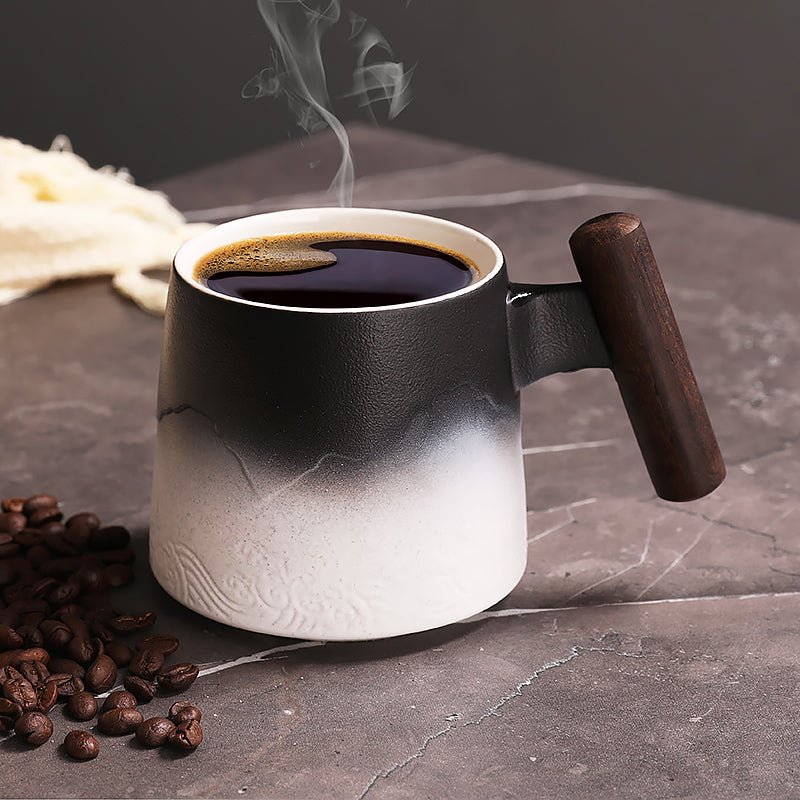
Initial Coffee Mug Buying Guide: What to Check Before You Order
A good initial coffee mug should feel personal without being fussy. We break down size, material, print quality, and the small details that separate a keepable mug from one that gets replaced after...
Per saperne di più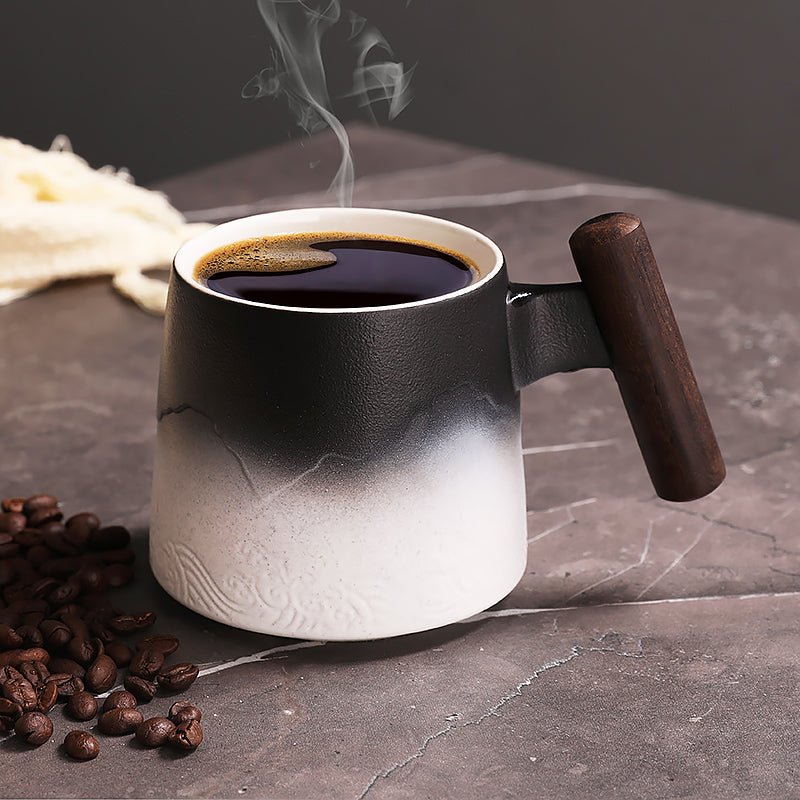
Mens Coffee Mugs: How to Choose the Right Size, Material, and Shape
A practical guide to mens coffee mugs that compares size, feel, durability, and everyday use. We cover the trade-offs that matter at a desk, in the kitchen, and as a gift.
Per saperne di più
Commenta
Questo sito è protetto da hCaptcha e applica le Norme sulla privacy e i Termini di servizio di hCaptcha.