
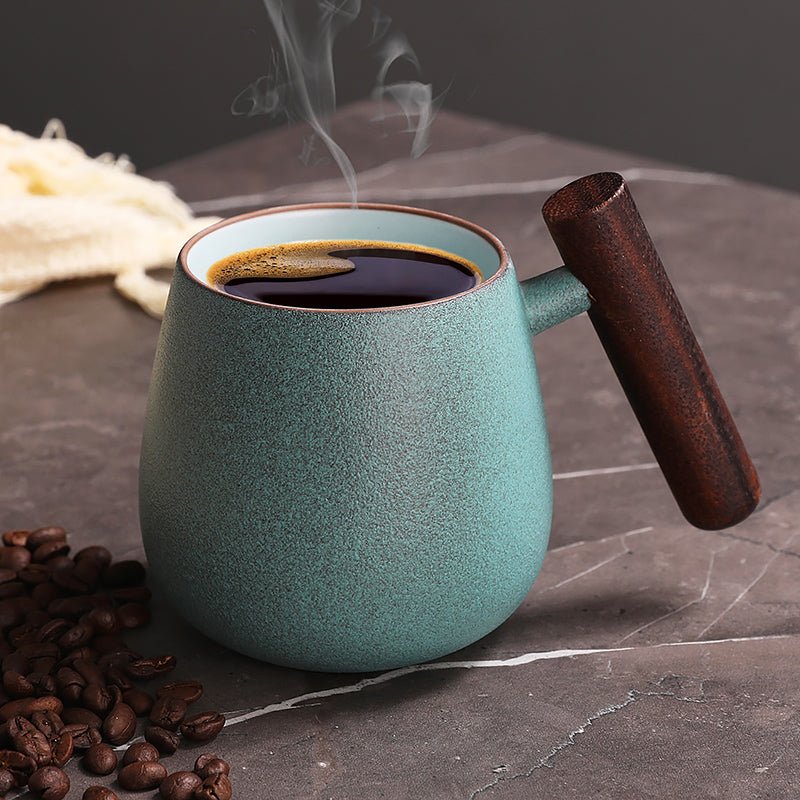
Insulated Coffee Travel Mug: What Buyers Should Check Before They Choose
Reading time: about 10 minutes
We see the same pattern over and over in our store: someone buys a travel mug because the photos look good, then finds out the lid leaks in a tote bag, the cup feels too bulky in a car cup holder, or the coffee tastes a little metallic after a few uses. The right insulated coffee travel mug solves a real routine problem. The wrong one becomes drawer clutter.
If you are comparing options before buying, focus less on the marketing language and more on the parts you will touch every day: the lid, the wall construction, the mouthfeel, the size, and how easy it is to clean after a rushed morning. We handle this category for a living, and the best choice usually depends on how you drink, where you carry it, and how much cleanup you will tolerate.
For shoppers who want to browse our current range first, start with our product listings or compare everything in the full collection. If you want a broader comparison framework before narrowing down, our posts on Best Insulated Coffee Mug Travel: What to Buy and What to Skip and Best Coffee Travel Mug: What Shoppers Should Check Before Buying cover the same category from a slightly different angle.
What makes an insulated coffee travel mug worth buying?
The value is not just “keeps coffee warm.” A good insulated mug has to do that without making the drink awkward to sip, hard to clean, or annoying to carry. In practice, the better products balance three things: temperature control, leak resistance, and daily usability.
Most shoppers should look for double-wall insulated construction, usually stainless steel on the exterior and interior. That design helps slow heat loss and reduces condensation on the outside, which matters if the mug sits on a desk or in a bag with papers. A simple single-wall cup may look similar, but it behaves very differently once hot coffee is poured into it.
We also pay attention to lid design. A slide lid is convenient for quick sips, but it can be easier to splash if the mug tips. A screw-on lid tends to feel more secure in transit, though it may take an extra moment to open. Neither is perfect. The right choice depends on whether the mug lives mostly on a desk or spends time in a backpack or car console.
Which materials are best for everyday use?
For most buyers, stainless steel is the safest all-around material for an insulated coffee travel mug. It is durable, holds up well to repeated use, and does not absorb odors the way some plastics can. That said, the finish and inner lining matter too.
Here is how we usually compare the common options:
| Material | What it does well | Trade-off |
|---|---|---|
| Stainless steel | Durable, low odor retention, good for commuting | Can feel heavier than a basic mug |
| Ceramic-lined interior | Cleaner taste for some coffee drinkers | Usually needs gentler handling |
| Plastic-bodied travel mug | Lightweight and often inexpensive | Less premium feel and more odor retention risk |
If you are sensitive to taste, a ceramic-lined option can be attractive. If you drop mugs into a crowded bag or use them on the road every day, plain stainless steel usually wins on durability. For a closer look at that trade-off, our Ceramic Travel Coffee Mug Buying Guide for Everyday Use explains where ceramic makes sense and where it does not.
What size and shape fit real routines?
Size sounds simple, but it is one of the most common regret points. A mug that looks perfect online can be awkward in a car holder, too tall for a machine drip tray, or too small to get you through a commute and a meeting.
For day-to-day use, shoppers usually want to think in terms of routine, not just ounces:
- Desk use: A medium size is often easier to open, sip, and clean without taking over the workspace.
- Commute and car use: Check cup holder diameter and overall height, especially if you use a compact vehicle console.
- Long office days: A larger capacity can reduce refills, but only if the mug still fits your bag and hand comfortably.
- Short errands: A smaller mug is lighter and easier to carry, though it will not hold heat as long after several openings.
Shape matters as much as capacity. A slim body is more bag-friendly, but some slim mugs are less stable on a desk. A wider base can feel sturdier, yet it may not fit every cup holder. If your daily routine includes a lot of in-and-out movement, this detail is worth checking before you buy.
How do you tell if the lid is actually good?
The lid is where many purchases succeed or fail. We have seen mugs that keep coffee hot for a long time but still disappoint because the drinking edge dribbles, the slider feels loose, or the seal is difficult to keep clean.
When we handle mugs in our store, we look for a few practical signs:
- Secure closure: The lid should close with a predictable fit, not a vague “close enough” feeling.
- Easy drinking path: Coffee should flow smoothly without forcing a wide tilt that risks spills.
- Simple disassembly: Any gasket or seal should be removable for cleaning.
- Few hidden crevices: Deep grooves collect coffee residue and are annoying after repeated use.
A lid that works well in a kitchen test can still fail in a bag if the seal is not strong enough. On the flip side, a very tight lid may be frustrating for quick office sipping. This is why we do not oversell any one lid style as perfect. The best lid is the one that matches your habits.
What does insulation really change during the day?
Insulation changes how forgiving the mug is. With a decent insulated coffee travel mug, you can pour coffee, get distracted, and still have something drinkable later. That matters on a kitchen counter before school drop-off, at a desk between meetings, or in a car during a longer drive.
There is still a trade-off. Better insulation usually means a more sealed, heavier build. That can reduce convenience if you prefer a lighter cup for walking around the house. It can also make the mug slower to cool if your coffee is too hot when poured. Some buyers actually prefer that; others find it annoying. If you like drinking immediately, choose a mug with a lid that vents well and avoid overfilling it right off the brewer.
We also advise shoppers not to expect a travel mug to behave like a thermos flask. An insulated coffee travel mug is designed for sipping, handling, and moving between places. It is not the best pick if you need to keep coffee hot for an exceptionally long stretch without opening it.
How should you clean it so it lasts?
Cleanup is one of the biggest factors in whether a mug gets used daily or abandoned after a week. We have seen plenty of customers love a mug on day one and then stop using it because the lid is awkward to wash.
Our practical cleaning advice is simple:
- Rinse the mug soon after use so dried coffee does not cling to the interior.
- Wash the lid pieces separately if the lid has a gasket or removable seal.
- Let all parts dry fully before reassembling, especially the underside of the lid.
- Avoid rough scrubbing on coated finishes if you want the exterior to stay clean-looking.
If a mug says dishwasher safe, that can be helpful, but it is still worth checking which parts go on the top rack and whether the finish will hold up to repeated cycles. In our experience, the common defect modes are not dramatic failures; they are gradual ones like a loosening seal, a lid that starts to feel flimsy, or residue building up in a hard-to-reach channel. That is why easier disassembly usually matters more than a flashy exterior.
Which mug should you skip?
Not every insulated mug is right for every buyer. We would skip a model if any of these apply:
- You need true bag-safe leak resistance, but the lid design is only meant for casual desk use.
- You hate washing small parts and the lid has several tiny components.
- You want a very light cup for short walks, but the mug is built like a tank and feels bulky in the hand.
- You prefer iced drinks as often as hot coffee, but the opening is clearly designed for hot-sip drinking only.
If your priority is pure durability over style, a simple stainless steel option usually makes more sense than a decorative finish. If your priority is a gift that feels more polished on the table, you may want to compare against a ceramic travel option or a more refined mug profile. For shoppers comparing styles for gifting, our Coffee Mug vs Travel Mug for Dad: Father’s Day Buying Guide is useful because it explains when a travel mug is the better gift and when it is not.
What should you compare before you click buy?
Here is the checklist we recommend using before choosing any insulated coffee travel mug:
- Material: Stainless steel, ceramic-lined, or mixed construction.
- Lid style: Slide, screw-on, or flip-top, depending on how you sip.
- Size: Fit for your coffee volume, cup holder, and bag.
- Cleaning: Removable gasket, easy-access lid, and care instructions that fit your routine.
- Use case: Desk, commute, car, office, or occasional weekend travel.
- Feel in hand: Grip, weight, and whether the mug feels stable when full.
If you are still undecided, read our Best Insulated Coffee Mug: What to Check Before You Buy and Best Travel Coffee Mug: What to Check Before You Buy for a side-by-side mindset before you commit. Those guides are helpful if you are comparing insulated mugs against other travel styles, not just one model against another.
Frequently asked questions
Is an insulated coffee travel mug leakproof enough for a backpack?
Not always. Some lids are designed mainly for sipping at a desk or in a car, not for being tossed sideways into a bag. If you need true bag safety, look closely at the lid seal and whether the product clearly states it is meant for transport, not just insulation.
Can I put an insulated coffee travel mug in the dishwasher?
Sometimes, but not always for every part. The safest approach is to check whether the body, lid, and gasket are all dishwasher safe, and whether the finish will hold up over time. Even dishwasher-safe mugs often last longer if the lid is washed carefully by hand.
Does stainless steel change the taste of coffee?
It can for some people, especially with a new mug or if the lid holds onto old residue. That is one reason we like stainless steel bodies with simple, removable lids that are easy to clean. If taste sensitivity is a major concern, a ceramic-lined option may be a better fit.
What size insulated coffee travel mug should I buy for commuting?
Choose the size that fits your actual routine, not just the biggest option available. If you drink one cup before work and one refill at the office, a medium size may be easier to carry and wash. If you need coffee to last through a long drive or multiple meetings, a larger size can make sense if it still fits your car cup holder.
What is the biggest mistake buyers make with travel mugs?
They focus on insulation alone and ignore the lid and cleaning experience. A mug can keep coffee warm and still be frustrating if it leaks, is awkward to sip from, or has a lid that collects residue in hard-to-reach spots. That is why we always recommend checking the lid design first, not last.
If you want to compare current options side by side, start with our full collection and match each mug against the checklist above. The best insulated coffee travel mug is the one that fits your commute, your cleaning habits, and the way you actually drink coffee every day.
More from our blog
Read more
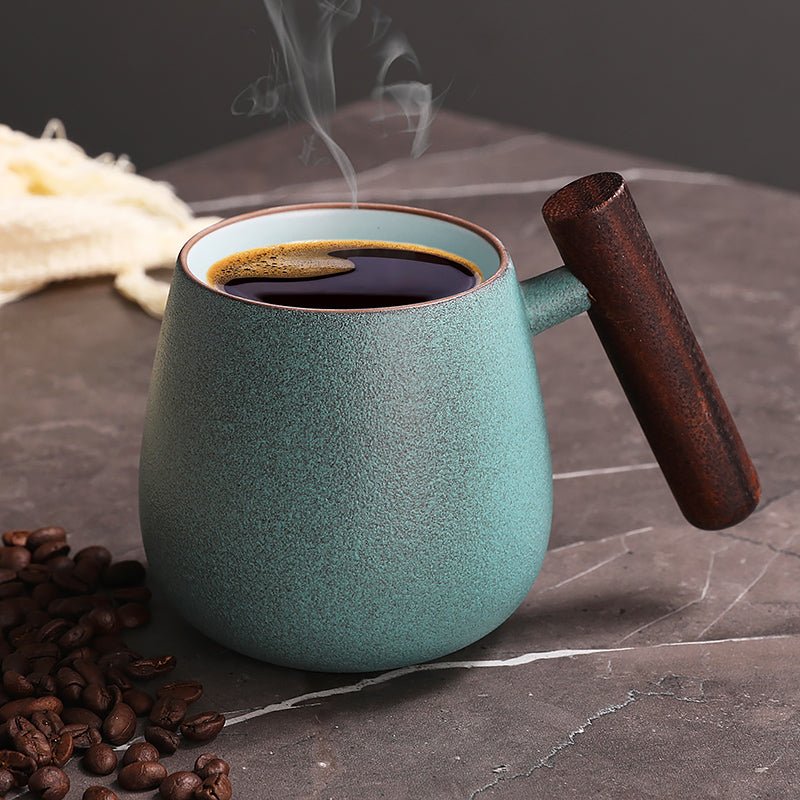
Best Insulated Coffee Mug Travel: What to Buy and What to Skip
A practical guide to choosing the best insulated coffee mug travel for commuting, office use, and short trips. We break down insulation, lids, materials, and the trade-offs that matter before you buy.
Per saperne di più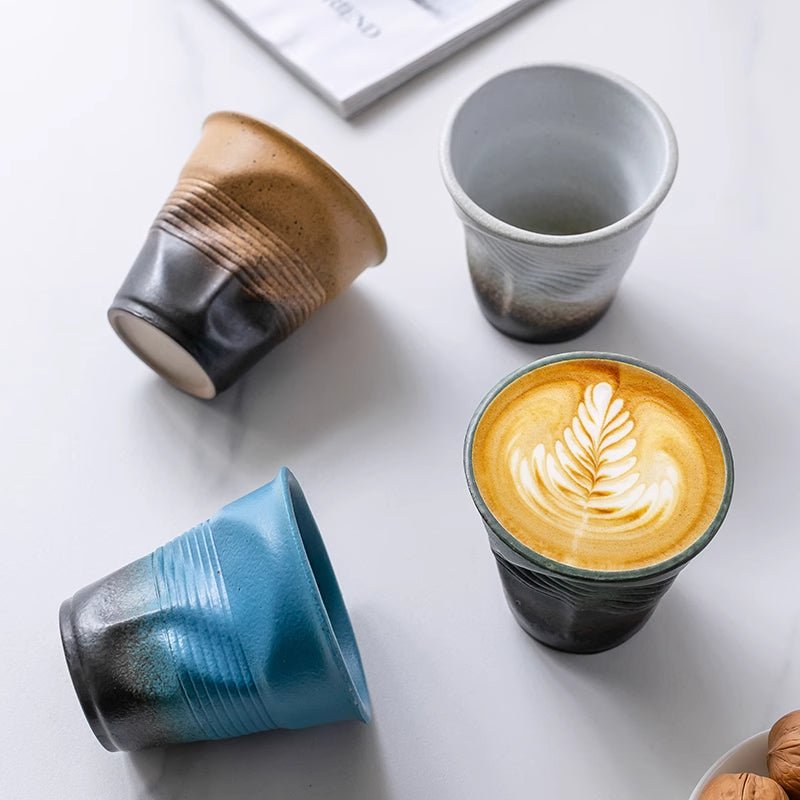
700ml Cup Buying Guide: Size, Materials, and Daily Use
A 700ml cup gives you room for a large coffee, iced drinks, or a long desk session without constant refills. Here’s how to judge the size, material, and lid style before you buy.
Per saperne di più
Commenta
Questo sito è protetto da hCaptcha e applica le Norme sulla privacy e i Termini di servizio di hCaptcha.