
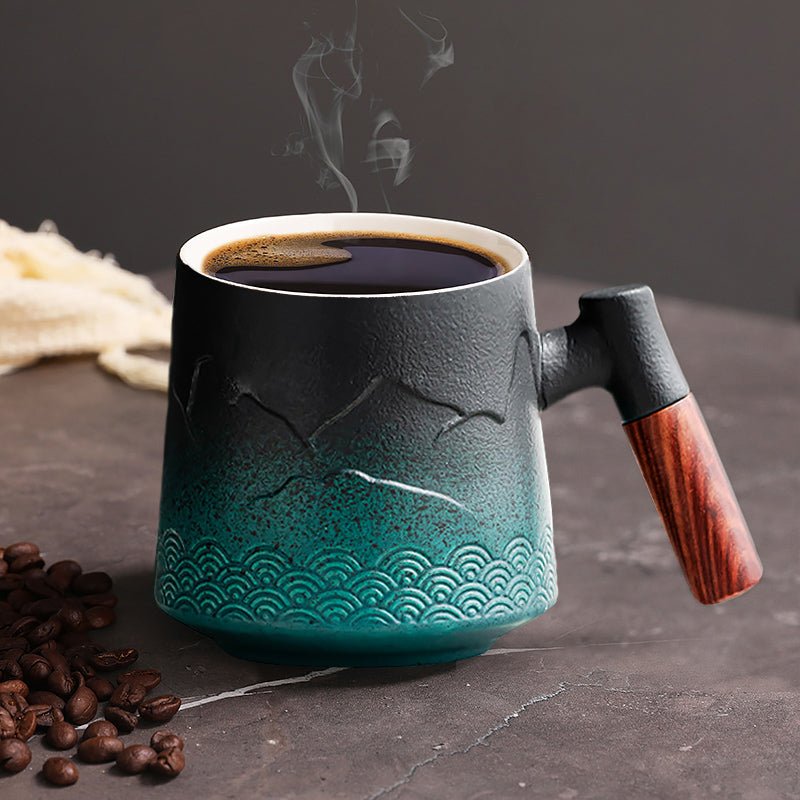
Insulated Coffee Mug with Lid: What Buyers Should Check Before Ordering
Reading time: about 9 minutes
A lid that leaks one time on a desk usually gets the mug pushed to the back of the cabinet. We see that pattern often: the cup itself may be fine, but a weak seal, a fiddly gasket, or a lid that traps too much mess changes the whole experience.
If you are comparing an insulated coffee mug with lid, the real question is not just whether it keeps coffee warm. It is whether the mug fits your routine without creating new annoyances. That means checking the lid style, the body material, the size, and how much work cleaning will take after a normal weekday use.
For shoppers who want a broader starting point, our full collection of mugs and drinkware is the easiest place to compare styles side by side. If you want to see how we think about the category as a whole, our guide to the best insulated coffee mug: what to check before you buy pairs well with this article.
What should you check first on an insulated coffee mug with lid?
Start with the lid. That sounds basic, but it is where most buyer regret starts. A good insulated mug can still disappoint if the lid spills when you tilt it, twists too loosely, or makes cleaning harder than it should be.
In our experience, buyers usually care about four things first:
- Seal quality: Look for a lid that closes evenly and does not wobble on the rim.
- Drink opening: Some people want a small sip opening for desk use; others prefer a wider opening for faster drinking.
- Ease of cleaning: The fewer tiny grooves and hidden channels, the better for daily use.
- Grip and handling: A mug that feels secure in the hand matters more than it sounds, especially with hot coffee.
A strong lid does not need to be overcomplicated. It should open without effort, stay aligned, and come apart enough for proper washing. If your last mug smelled like old coffee around the gasket, you already know why that matters.
Which lid design is better for your routine?
The best lid depends on how you actually drink coffee. A commuter needs something different from someone sitting at a desk or moving between the kitchen and home office.
| Use case | Better lid style | Why it helps |
|---|---|---|
| Desk coffee | Simple sip lid | Easy to open and close without interrupting work |
| Short car trips | More secure closure | Reduces splashing on turns and stops |
| At-home refills | Wide opening lid | Faster pouring, easier rinsing |
| Gift purchase | Low-fuss lid with simple parts | Less intimidating for the person opening the box |
If you are deciding between handle and no-handle formats, our article on insulated coffee mug with handle and lid: what buyers should check explains why some people prefer the extra control of a handle, especially for hot drinks on a desk or around the house.
For travelers, the priorities shift. A lid that feels comfortable at home may not be enough in a car cupholder or tote bag. If that is your situation, our post on best insulated coffee mug travel: what to buy and what to skip covers the trade-offs more directly.
How does insulation affect real use at a desk, in the car, or on a commute?
Insulation is easy to oversimplify. The term gets used loosely, but real-world performance depends on the build. A double-wall vacuum stainless steel mug behaves differently from a thin-walled ceramic mug with a lid, and both are different again from a plastic tumbler-style mug.
For hot coffee, vacuum insulation is usually the most practical option if you want to slow down heat loss during a morning routine. It is especially useful for anyone who sips slowly across a long meeting or keeps the mug on a desk for a while. At the same time, an insulated mug is not a substitute for an actual thermos if you need coffee to stay hot for many hours with minimal opening.
That trade-off matters. A mug with a lid is meant for access. The more you open it, the more heat escapes. If you are the kind of buyer who leaves coffee untouched for long stretches, a sealed travel thermos may be the better fit. If you want easy access and decent heat retention, an insulated mug with lid is usually the more practical choice.
We also see buyers underestimate the outside temperature of the mug itself. Good insulation can keep the exterior more comfortable to hold, which matters on early mornings when you are moving from kitchen counter to laptop without thinking.
Which materials and finishes hold up best?
Material choice affects taste, cleaning, feel, and long-term durability. The category often comes down to three main directions.
- Stainless steel: Common for insulated mugs because it is durable, resistant to dents, and works well with vacuum insulation. It is the most practical choice for repeated daily use.
- Ceramic-lined interiors: These are popular with buyers who want less metallic taste perception. They can feel closer to a classic coffee mug, but they may need a bit more care to avoid chips if the structure is not reinforced.
- Plastic components in the lid: Nearly every lid uses some plastic, but the quality of the fit and the gasket matters more than the label alone.
Three concrete details shoppers should check before buying:
- Gasket fit: A loose silicone ring can create leaks and lingering coffee odor.
- Rim finish: A smooth rim improves drinking comfort and reduces drips.
- Thread alignment: Cross-threaded lids are annoying and can wear out faster than they should.
Finish matters too. A powder-coated exterior can improve grip, but a very textured coating may show wear from constant desk contact. A polished surface can look sharp, yet it may reveal fingerprints sooner. There is no perfect finish for everyone, only a better match for your routine.
If you prefer a more ceramic-forward buying path, the comparisons in our posts on ceramic coffee mug with lid: what to check before you buy and ceramic lid coffee mug: what buyers should check before they buy are worth reading before you decide.
What size should you buy for daily coffee?
Size is one of the easiest things to overlook, then regret later. Too small and you are refilling before the first email is done. Too large and the mug can feel awkward on a crowded desk or too heavy once filled.
Here is the practical breakdown we use when helping shoppers compare options:
- 12 oz: Good for a standard cup of coffee, smaller hands, and tighter desk setups.
- 14 oz to 16 oz: A common sweet spot for most daily drinkers.
- 20 oz and above: Better for people who want fewer refills, but the mug can get bulkier and less convenient to carry.
Size also affects the lid experience. A wider mug may be easier to clean and pour into, but it can be less compact in a car or bag. A smaller mug is often easier to manage, but it may cool faster simply because there is less volume inside.
We usually advise buyers to think about where the mug will live most of the time. Kitchen counter? Desk drawer? Car cupholder? Gift box for someone who commutes? The answer changes which size feels right.
What trade-offs should you expect before buying?
No insulated coffee mug with lid solves every problem. The useful part is choosing the compromise that fits your day.
Here are the common trade-offs we see in practice:
- Better insulation often means a thicker body. That can improve heat retention, but it may feel less like a traditional mug in the hand.
- Stronger lids can be more complex to clean. If you hate washing small parts, a simpler lid is usually the safer buy.
- Handles improve grip but add bulk. That is why some readers like our best insulated coffee mug with handle: what buyers should check guide before choosing a format.
- Travel-friendly shapes may sacrifice a classic mug feel. If you want a mug that still looks at home on a kitchen table, do not force a travel-first design.
Our store perspective is simple: the right mug is the one you will use every weekday without thinking about it.
That also means being honest about what this category is not good for. If you need spill-proof performance for tossing a drink into a backpack, a dedicated travel tumbler or sealed thermos is usually the better option. If you want a lightweight mug for soup or casual sipping that goes straight into the dishwasher, some insulated designs will feel too specialized.
How should you clean and care for it?
Cleaning is where many good mugs go wrong over time. Coffee oils build up fast, and lid parts can trap residue even when the body looks clean.
Use this simple routine:
- Rinse the mug soon after use instead of letting coffee dry inside.
- Wash the lid and gasket thoroughly, especially around the sip opening and threads.
- Dry all parts fully before reassembling so moisture does not sit in hidden seams.
- Avoid harsh scrubbing on coated exteriors if you want the finish to last.
- Check the seal periodically for wear, warping, or looseness.
If your mug is dishwasher-safe, that can make daily care easier, but lid components still deserve a close look. Some customers are fine putting the body in the dishwasher and hand-washing the lid. That is a practical compromise and often the safest way to preserve the seal. If the product instructions are not clear, hand-washing is the conservative choice.
Frequently asked questions
Is an insulated coffee mug with lid better than a regular mug?
For most buyers, yes, if the goal is to keep coffee hotter longer and reduce spills on a desk. A regular mug is simpler and often lighter, but it loses heat faster and offers less protection if you bump it. If you only finish coffee quickly at home, a regular mug may still be the better fit.
Can I use an insulated coffee mug with lid for iced coffee too?
Yes. Double-wall insulated mugs are useful for cold drinks because they help reduce condensation on the outside. Just make sure the lid and opening are comfortable for cold beverages, since some sip lids are designed more around hot coffee use.
What size insulated coffee mug with lid is best for everyday use?
Most everyday buyers land in the 14 oz to 16 oz range. That size usually gives enough volume for a standard pour without becoming awkward on a desk or too heavy when full. If you drink smaller servings, 12 oz can feel more natural.
Do insulated coffee mugs with lids leak?
Some do, some do not. A snug lid with a healthy gasket can handle normal desk use well, but many mugs are not designed to be completely leak-proof in a bag. If leak resistance matters a lot, look for a design that explicitly prioritizes travel use.
Should I choose stainless steel or ceramic?
Choose stainless steel if you want durability, stronger insulation, and a low-maintenance daily mug. Choose ceramic if the drinking feel matters most and you prefer a more traditional coffee experience. Ceramic can be a better fit for home use, while stainless steel is usually the more practical all-around option.
If you are still comparing styles, the fastest next step is to check the details that matter most to your routine: lid seal, cleaning access, size, and whether you need a handle. From there, browse our collection of mugs and drinkware or revisit our buying guides before you order.
More from our blog
Read more
Coffee Mugs Used on Psych: How to Choose One That Actually Gets Used
A practical guide to coffee mugs used on the show Psych, with real buyer trade-offs on size, material, durability, and gift value. We focus on mugs that feel right on screen and still work on a des...
Per saperne di più
Mikasa Coffee Mugs: Size, Material, and Buying Guide
Mikasa coffee mugs are worth comparing by size, handle comfort, and finish before you buy. This guide breaks down what works for daily coffee, office use, and gifting, plus what to skip if you want...
Per saperne di più
Commenta
Questo sito è protetto da hCaptcha e applica le Norme sulla privacy e i Termini di servizio di hCaptcha.