
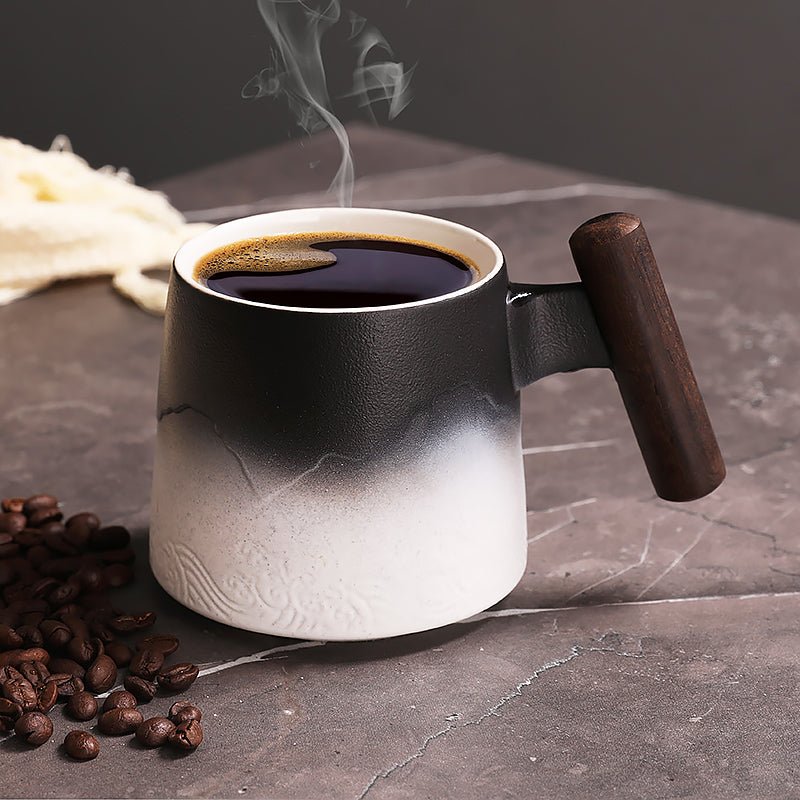
Image of Coffee Mug: What Buyers Should Check Before They Order
Reading time: about 9 minutes
A mug can look perfect in a thumbnail and still feel awkward in your hand once it arrives. We see that mismatch all the time in our store: the photo looks balanced, but the handle is narrow, the rim is too thick, or the cup is larger than the buyer expected.
That is why a good image of coffee mug matters more than people think. It should help you judge the real things you live with every day: how the mug sits on a desk, whether the handle fits two fingers comfortably, how glossy or matte the glaze looks, and whether the size matches your coffee routine.
At CoffeifyMug, we handle this category with the same questions customers ask us before checkout. If you are comparing options, our full collection is the fastest place to scan styles, and our product pages are where we try to show the details that matter most.
What should an image of coffee mug actually show?
A useful product photo does more than show the front of the mug. It should answer the small questions that decide whether you will use it daily or leave it in a cabinet.
In our experience, shoppers get the best read when the image shows:
- Scale: the mug next to a hand, coffee machine, or spoon so you can estimate real size.
- Handle shape: whether the grip is rounded, squared, slim, or oversized.
- Rim thickness: a thick rim feels different from a thinner, smoother drinking edge.
- Finish: matte, gloss, speckled ceramic, or a coated surface that may reflect light differently in photos.
- Base and foot ring: helpful for checking stability on desks, trays, and warming plates.
For buyers comparing everyday options, these details matter as much as the design itself. A mug that looks great in a staged photo may still be the wrong fit if the handle catches your knuckles or the cup is too wide for your espresso machine drip tray. For a more practical breakdown of size trade-offs, our guides on 8 oz Coffee Mug: What to Check Before You Buy and 20 oz Coffee Mug: What to Check Before You Buy are worth reading side by side.
Why do mug photos sometimes feel misleading?
The biggest problem is perspective. A lens can make a small mug look roomy, or a large mug look compact. Lighting can also change how the glaze appears. A bright studio shot may flatten a textured ceramic surface, while a dark photo can hide the true color of the piece.
We also see issues when the image only shows the front face. That hides the parts buyers actually touch: the handle interior, lip thickness, and underside. If you have ever picked up a mug and realized the handle was too tight for your fingers, you know why a single straight-on shot is not enough.
Common mismatch points include:
- Capacity vs. body size: some wide mugs hold less than they appear to.
- Color accuracy: cream, white, stone, and off-white can shift under warm lighting.
- Gloss level: glossy ceramic reflects fingerprints and overhead light more than matte finishes.
- Handle clearance: a mug may look comfortable but pinch larger hands.
That is also why we avoid making vague promises around “best” without context. A mug that works for a slow weekend coffee at home may not be the right call for a crowded office desk or a car cup holder. If you want a broader comparison of what matters most for daily use, our article on Best Coffee Mug: What Actually Matters for Daily Use goes deeper on comfort, durability, and size.
Which product details should you verify before buying from a photo?
We recommend checking the same few details every time. This keeps the photo from doing all the work and gives you a cleaner way to compare mugs across brands.
| Detail | What to look for in the image | Why it matters |
|---|---|---|
| Material | Ceramic, stoneware, porcelain, or stainless steel finish cues | Affects heat retention, weight, and feel in hand |
| Capacity | Any scale reference, like a hand or beverage setup | Helps you judge 8 oz, 12 oz, 16 oz, or 20 oz size fit |
| Handle | Width, curve, and space between handle and mug body | Impacts comfort and grip |
| Rim | Thickness and shape of the drinking edge | Changes sipping comfort |
| Finish | Matte, gloss, speckled, or printed coating | Determines look, glare, and sometimes care needs |
We always tell shoppers to look for the underside too. A bare ceramic base can scratch shelves and desks if the finish is rough, while a cleaner foot ring usually sits more steadily. Small detail, big difference. That is the kind of thing a close image can reveal if the product page includes multiple angles.
How do size and shape affect daily use?
Size is not just about how much coffee fits inside. It changes the whole experience.
An 8 oz mug works well for smaller pours, espresso-based drinks, or anyone who likes a lighter cup. It usually feels compact and easy to store. Our article on 8 oz Coffee Mug: What to Check Before You Buy is useful if you want a smaller, more controlled serving size.
A 20 oz mug is a different experience. It can be great for long desk sessions, tea drinkers, or people who refill less often. But it is not ideal if you want something light, easy to lift with one hand, or suitable for a crowded microwave shelf. We cover those trade-offs in our 20 oz Coffee Mug: What to Check Before You Buy guide.
Shape matters just as much:
- Tall and narrow: often feels more manageable and can reduce surface area loss, but may tip more easily if the base is small.
- Wide and low: looks substantial and is easy to sip from, but may be harder to store under cabinets.
- Thick-walled ceramic: feels sturdy and holds heat a bit longer, but adds weight.
- Lightweight mug: easier on the wrist, though it may not feel as solid.
We have had buyers choose a mug based on a beautiful image, then realize at home that the shape does not fit their pod machine, warming plate, or shelf height. That is not a product failure. It is a mismatch between the photo and the use case.
What does a good coffee mug image need for gifting?
Gift shopping changes the standard. You are not only buying for yourself; you are trying to predict someone else’s habits. A mug image should help you picture the unboxing moment and the first few uses after that.
For gifts, we look for three things:
- Clear front-facing design: so the message, artwork, or pattern is easy to read.
- Finish consistency: so the color looks even across the body, handle, and rim.
- Presentation cues: whether the mug feels ready to gift or needs extra wrapping.
A mug with a strong design can still be a bad gift if it is too heavy, too large, or too specific for the recipient’s routine. If the person drinks short coffees, an oversized mug may sit unused. If they work at a desk, a very narrow handle may be annoying by day three. That is why our team always thinks about how a mug will live after the wrapping paper is gone.
If your gift shopping leans toward playful or themed mugs, our blog post on Awesome Coffee Mugs: How to Choose a Mug You’ll Actually Use helps balance fun with practicality.
What care and durability details should a photo hint at?
A photo cannot prove durability, but it can hint at how the mug may hold up. We pay close attention to the surface and edges because those are often where issues show up first.
Look for these possible wear points:
- Printed decoration near the rim or handle: repeated washing can be harder on exposed edges than on centered graphics.
- Fine glaze lines: not always a problem, but they deserve a closer look if the product is decorative ceramic.
- Sharp handle joins: a sign that the mug may feel less comfortable during daily use.
- Rough base: can scuff wood and make the mug feel unfinished.
For care, we tell customers to always follow the product page instructions. Some mugs are easy to rinse and dishwasher-safe, while others do better with gentler hand washing, especially if they have special prints or coatings. A mug that looks great in a glossy image may still need more careful handling than a plain stoneware cup.
That is also why we do not treat a coffee mug like a generic kitchen item. It is one of the few things people touch, wash, store, and display every day. Small flaws become obvious quickly. A crooked handle, uneven glaze, or weak print can turn a nice first impression into daily irritation.
What should you compare before clicking buy?
Before you order, compare the image against the real-life use you expect. This is the fastest way to avoid disappointment.
- Check the size reference. If there is no hand, spoon, or countertop cue, be cautious.
- Look at the handle. Make sure it looks large enough for your grip.
- Inspect the rim and base. Thin, smooth edges usually feel nicer than bulky ones.
- Read the care guidance. Decide whether you want dishwasher convenience or do not mind hand washing.
- Match the style to the setting. A work-from-home desk mug has different needs than a display mug or a travel backup cup.
If you want to compare our current options directly, start with our product pages and then check the full range in our collection. That gives you a cleaner side-by-side view than relying on a single image alone.
Our rule is simple: a good mug photo should help you imagine the first sip, not just the shelf it will sit on.
Frequently asked questions
What should I look for in an image of coffee mug before buying?
Check the handle size, rim thickness, overall shape, and any scale reference in the photo. Those details tell you far more about daily comfort than the color alone. If the listing only shows one front-facing image, be extra careful.
Why do coffee mug photos look different from the mug that arrives?
Lighting, camera angle, and screen settings can all change how a mug looks online. Glossy ceramic may appear brighter, and smaller mugs can look larger if the image is shot close up. That is why multiple angles matter.
Is a bigger mug always better?
No. Bigger mugs are useful for long coffee sessions, but they can feel heavy and may not fit smaller machines or storage spaces. If you usually drink one smaller cup at a time, a compact mug may be the better pick.
Can I tell if a mug is dishwasher-safe from the image?
Not reliably. The image can hint at print style or finish, but care instructions should come from the product details. Always check the listing before assuming a mug can handle frequent dishwasher cycles.
What kind of mug is not a good fit for office use?
Very wide mugs, overly decorative handles, and fragile finishes are usually poor choices for desks and shared spaces. They can take up more room and may be less forgiving in daily use. A simple, stable mug is usually easier at work.
If you are comparing options right now, use this quick checklist: size reference, handle comfort, rim thickness, finish, and care instructions. Then open our full collection and choose the mug that fits the way you actually drink coffee, not just the one that photographs best.
More from our blog
Read more
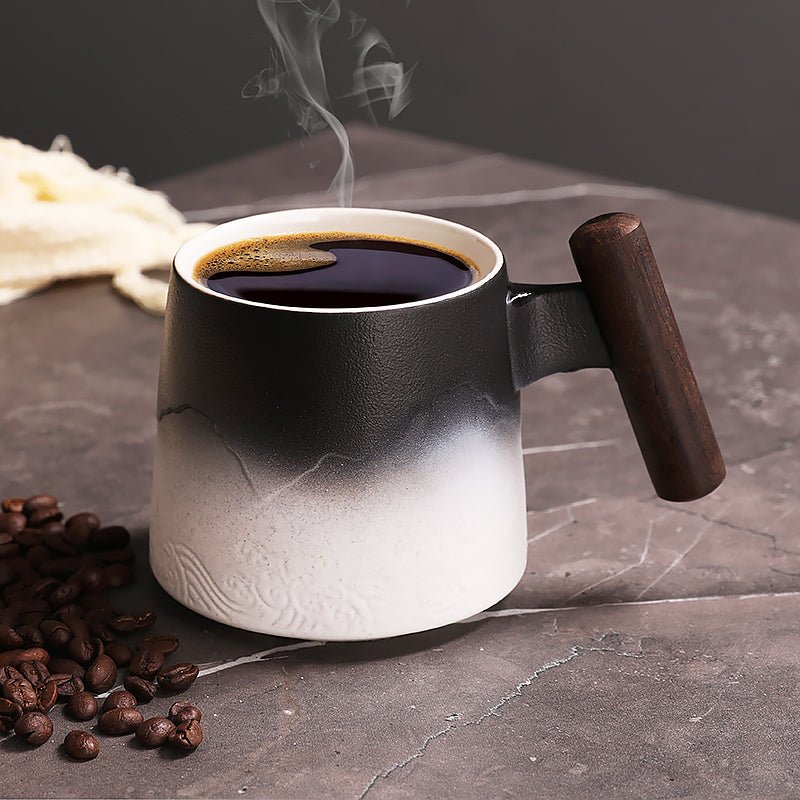
Bubba Coffee Mug Buying Guide: What to Check Before You Buy
A practical guide to choosing a bubba coffee mug for daily use, desk setups, commuting, and gifting. We cover size, lid fit, materials, cleaning, and the trade-offs that matter before you buy.
Per saperne di più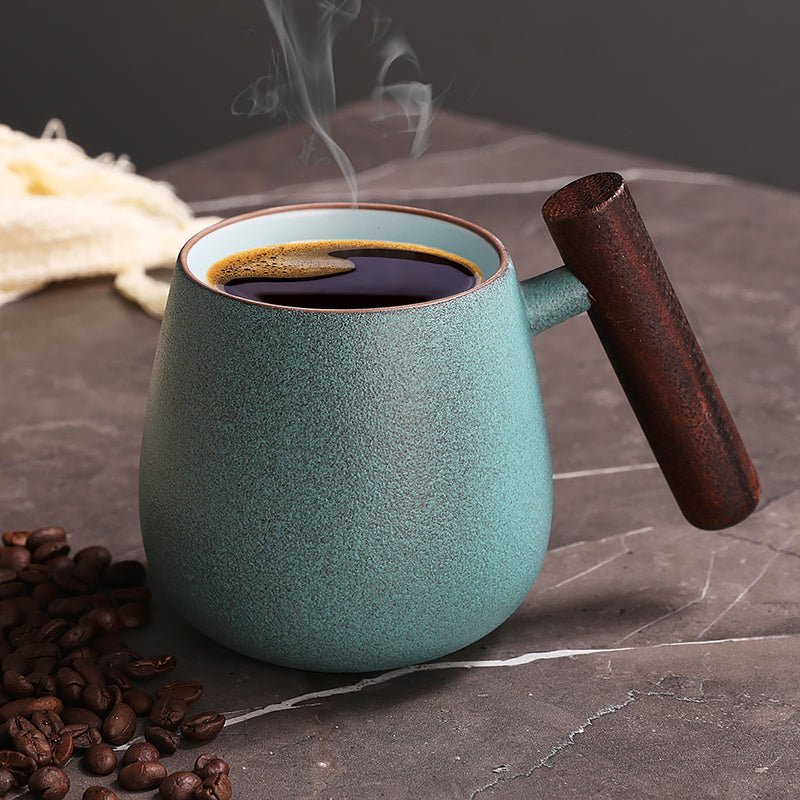
Travel Mugs for Coffee: What to Buy for Commutes, Office Days, and Trips
Practical guidance for choosing travel mugs for coffee based on real use: leak resistance, heat retention, lid style, and what works best in a bag, car cup holder, or office desk. Includes trade-of...
Per saperne di più
Commenta
Questo sito è protetto da hCaptcha e applica le Norme sulla privacy e i Termini di servizio di hCaptcha.