
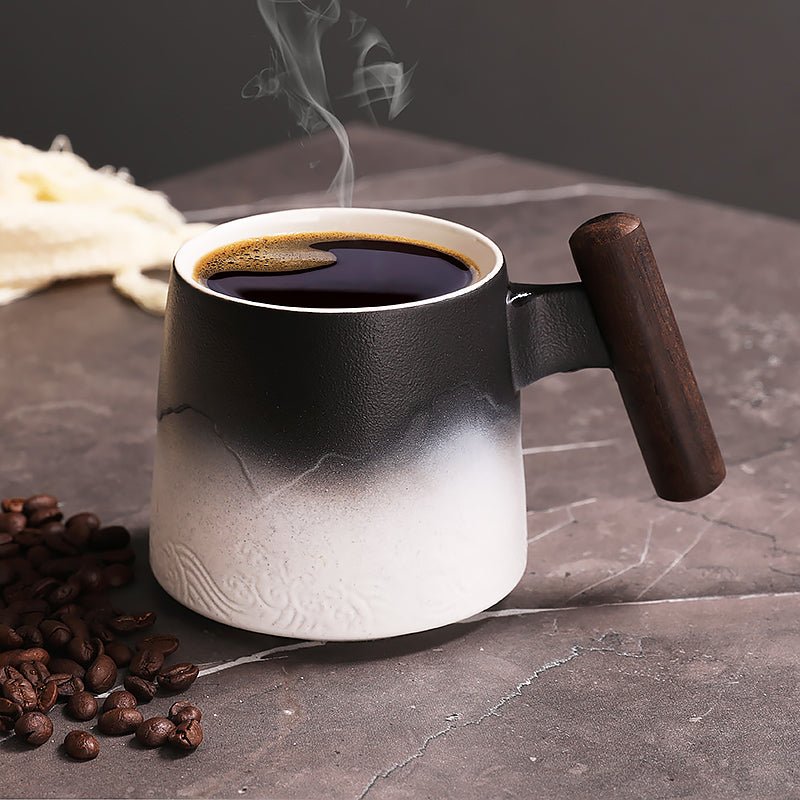
Hull Coffee Mugs: What Buyers Should Check Before Ordering
Reading time: about 8 minutes
A mug can look perfect in a product photo and still be wrong the first morning it meets an espresso machine, a cabinet shelf, or a dishwasher rack. With hull coffee mugs, we check the same basics every time: capacity, handle clearance, rim feel, weight, and how the finish will hold up after repeated washing.
In our store, we see two common regret patterns. One is a mug that is too small for drip coffee and gets refilled twice before the workday starts. The other is a mug that looks generous but has a thick wall, a cramped handle, or a base that traps water after dishwashing. Those details matter more than the photo styling.
What should hull coffee mugs do in daily use?
A good everyday mug should disappear into the routine. It should fit the drink you make most often, sit steady on the counter, and feel comfortable when you are half awake and not paying attention. That sounds basic, but it is where most buying mistakes happen.
- Fit the pour. A mug should match your usual brew volume with a little room left at the top.
- Feel balanced. A wide base and a centered handle help prevent wobble on a desk or tray.
- Be easy to hold. If two fingers barely fit through the handle, the mug may be awkward once it is hot.
- Clean up without fuss. Glaze, rim, and foot ring should survive repeated dishwasher cycles without obvious wear.
That last point matters. A mug that is lovely on day one but chips easily around the rim or shows gray marks on the foot ring will stop feeling like a good buy very quickly. We would rather recommend a simple, sturdy piece than a delicate one that needs babying on a kitchen counter.
Which size works best for the way you drink coffee?
Size is the fastest way to narrow the field. If you buy too small, the mug feels cramped and underfilled. If you buy too large, the coffee cools before you finish it, or the mug becomes a heavy object you do not actually enjoy carrying from the machine to the desk.
For a closer size comparison, our related guides on 12 oz Coffee Mugs: What to Check Before You Buy, 16 Ounce Coffee Mugs: Size, Materials, and Fit Guide, and a buyer's guide to large capacity coffee mugs cover the most common use cases in more detail.
| Size | Best for | What to watch |
|---|---|---|
| 8 oz | Espresso drinks, short pours, smaller servings | Can feel too small for drip coffee and refills happen often |
| 12 oz | Standard daily coffee, balanced desk use | Usually the safest middle ground, but check handle room and mouth width |
| 16 oz | Larger home pours, milk-heavy drinks, longer mornings | Heavier in hand and can dominate smaller cabinets |
| 20 oz | Big coffee drinkers, long meetings, all-day use | Less ideal if you prefer a lighter mug or smaller servings |
Our practical rule is simple. If you drink one regular cup at a time, 12 oz is usually the easiest place to start. If you often top up with milk or drink a large pour-over, 16 oz may be more realistic. For anyone who wants a roomier option, the 20 oz category can make sense, but it is not the right choice for every hand size or cabinet setup.
Which material is the safest buy: ceramic, stoneware, porcelain, or glass?
Material changes more than appearance. It affects weight, heat retention, chip resistance, and the feel of the rim against your lips. We talk shoppers through this because a mug that looks good on a screen may not feel right on a kitchen counter.
| Material | What it feels like | Main trade-off |
|---|---|---|
| Ceramic | Common, familiar, usually midweight | Quality varies, so check glaze and base finish |
| Stoneware | Heavier and solid in the hand | Can feel bulky if you prefer a lighter mug |
| Porcelain | Cleaner rim feel and a slimmer profile | Can be more fragile around edges and handles |
| Glass | Lets you see the drink and milk layers | Less forgiving with temperature swings and usually not the warmest feel |
For most buyers, stoneware or a well-made ceramic mug is the practical default. It gives you decent heat retention without becoming too delicate to use every day. Porcelain is a better fit if you want a thinner rim and a lighter visual feel, while glass is mainly for people who care about the look of the drink as much as the drink itself.
The trade-off is simple: thicker walls hold heat a little longer, but they also add weight. Thinner mugs feel nicer at the lip, but they can cool faster and may chip more easily if they get knocked against a sink or desk edge. If you want to compare by capacity and feel, our 16 oz Coffee Mugs: What to Check Before You Buy guide is useful for seeing how material and volume work together.
What small details cause the biggest regret after week one?
This is where our experience in the category matters. Most complaints do not start with the main shape. They start with a detail that sounded minor at checkout and became annoying after a few mornings.
- Handle clearance: A handle that only fits one or two fingers can feel cramped, especially when the mug is full.
- Rim thickness: A very thick rim can feel blunt; a very thin rim can feel refined but less durable.
- Foot ring finish: An unfinished or rough base can scratch a desk, tray, or shelf.
- Glaze quality: Pinholes, streaks, and uneven glaze coverage do not always affect performance, but they can affect how the mug ages.
- Balance: A tall mug with a narrow base is more likely to feel tippy on a crowded work desk.
We also watch for common defect modes that do not show up clearly in a single photo. Crazing can appear later as a fine network of hairline marks in the glaze. Sharp spots around the rim or handle join are another red flag. If a mug is meant for daily use, it should survive real handling, not just a shelf display.
One important limitation: a standard coffee mug is not a travel mug. If you need heat retention for a commute, a spill-resistant lid, or something that fits a car cup holder, a regular ceramic mug is the wrong category. Pick an insulated travel option instead.
Should you buy one mug, a pair, or a full set?
That depends on how the mug will be used. A single mug makes sense if you are testing size or replacing a favorite cup. A pair works well for a kitchen where two people drink the same style of coffee. A small set is better for a breakroom, office shelf, or gift bundle.
If you want to compare current options quickly, start with our collection or jump straight to our products page. That is the easiest way to see which shapes, sizes, and finishes are actually available right now.
Gift buyers usually care about a different set of details than daily users. In our experience, the safest gift mug has a comfortable handle, a neutral glaze that is easy to match with existing kitchenware, and a size that works for both coffee and tea. A very large mug can be fun, but it is not always the best default gift because some people find it heavy or awkward.
- Buy one mug if you are replacing a broken favorite or testing a new size.
- Buy a pair if the mugs will live in the same kitchen and see the same routine.
- Buy a set if you want matching cups for guests, the office, or gifting.
Frequently asked questions
What size hull coffee mug is best for daily drip coffee?
For most daily drip coffee drinkers, 12 oz is the easiest starting point. It gives enough room for a standard pour without feeling oversized on a desk or in the hand. If you add a lot of milk or usually pour a bigger cup, move up to 16 oz.
Are hull coffee mugs good for the dishwasher and microwave?
Many are, but you should always check the individual product details before buying. Even dishwasher-safe mugs can wear faster if they have delicate decals, very thin glaze, or rough foot rings. For microwave use, avoid mugs with metallic decoration or any finish that the maker says should stay out of the microwave.
Which mug material keeps coffee warm the longest?
Thicker stoneware and ceramic mugs usually hold heat better than thin porcelain or glass. That said, a mug that is too heavy or too thick may feel awkward for everyday use. The best choice is the one that balances heat retention with comfort in the hand.
What should I avoid if I have small hands?
Skip oversized mugs with bulky handles and very wide bodies. A heavy 16 oz or 20 oz mug can feel tiring if you prefer a smaller grip. Look for a more compact 8 oz or 12 oz shape with enough handle clearance for two fingers.
How do I know if the finish is worth paying for?
Look for even glaze coverage, a smooth rim, and a base that sits flat without wobbling. A refined finish should still feel practical, not fragile. If the mug looks beautiful but seems hard to wash, too delicate for the dishwasher, or awkward to hold, it is probably better as a display piece than an everyday cup.
What should you check before ordering?
Before you add hull coffee mugs to your cart, compare the mug against your real routine, not just the photos. Check the capacity, the handle clearance, the material, and whether the mug suits your cabinet space and washing habits.
- Size: Match it to the coffee volume you actually drink.
- Handle: Make sure it is comfortable with a full mug.
- Material: Choose the balance of heat, weight, and durability you prefer.
- Care: Confirm dishwasher and microwave guidance on the product page.
- Use case: Daily desk mug, gift mug, office mug, or a larger weekend cup.
If you want the quickest path, start by comparing the current selection in our collection. If you already know you want to shop the full range, our products page is the fastest place to narrow the field and find the mug that actually fits the way you drink coffee.
More from our blog
Read more
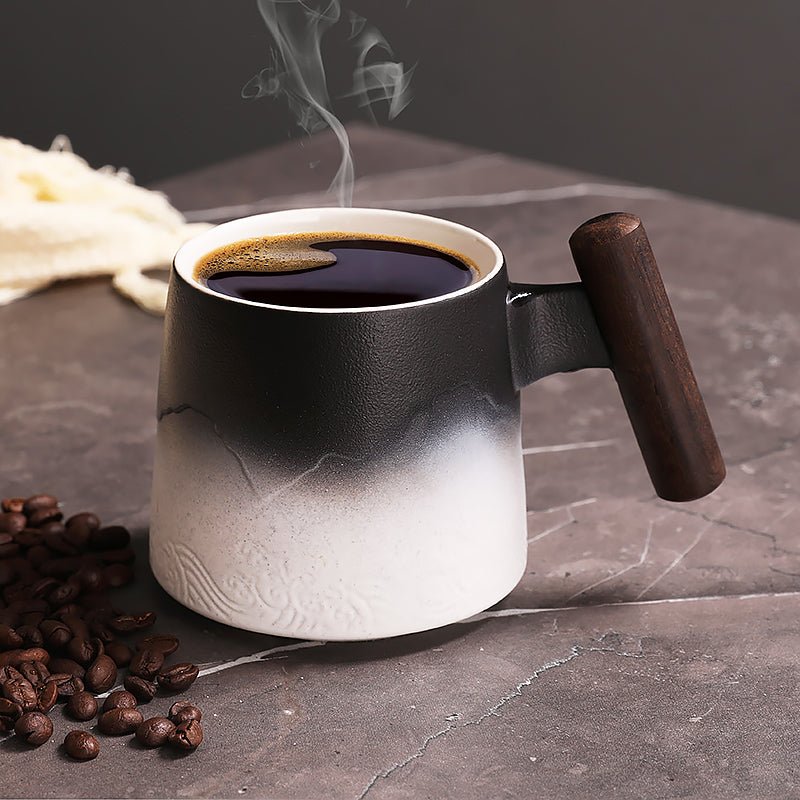
His and Hers Coffee Mugs: What to Check Before You Buy
A practical guide to choosing his and hers coffee mugs by size, material, comfort, and gift value. We cover the trade-offs that matter in daily use so you can buy a matching set that actually gets ...
Per saperne di più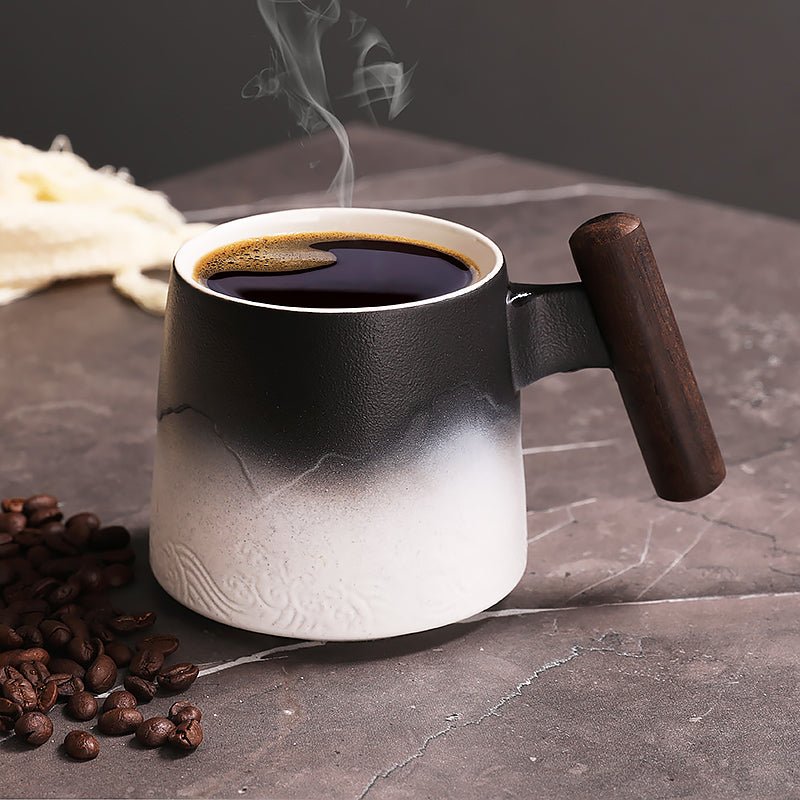
Initial Coffee Mugs: What to Check Before You Buy
Initial coffee mugs can work well as gifts, desk mugs, or a simple everyday upgrade, but the right size, finish, and care instructions matter. Here’s what we check in our store before we recommend ...
Per saperne di più
Commenta
Questo sito è protetto da hCaptcha e applica le Norme sulla privacy e i Termini di servizio di hCaptcha.