
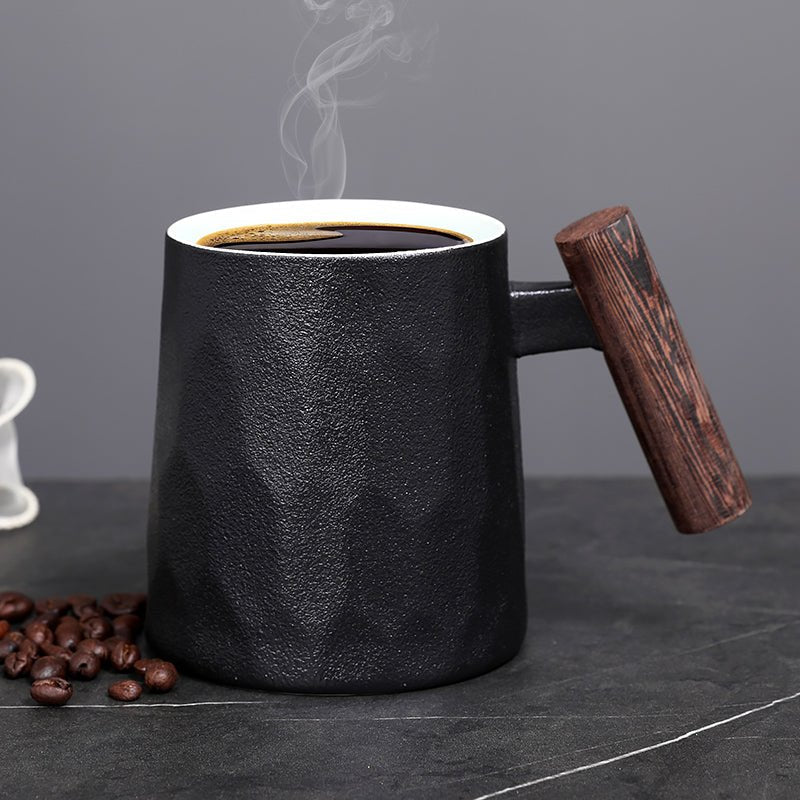
Huge Mugs for Tea: How to Choose the Right Size and Shape
Reading time: about 9 minutes
A mug that holds a full second pour without forcing you back to the kettle changes the rhythm of tea time. That is the real reason people shop for huge mugs for tea: fewer refills, a warmer desk setup, and a cup that can carry them through a long morning without feeling cramped.
We see this choice a lot in our store. The buyers who are happiest with oversized mugs usually want a specific use case, not just a bigger cup. They want a mug that feels steady in the hand, fits under a kettle spout, survives dishwasher cycles, and does not turn into a heavy brick halfway through the day. If you are comparing options, start with our product range and the broader collection so you can judge size, shape, and finish side by side.
If you want a deeper sizing framework, our guides on Big Mugs for Tea: How to Choose the Right Large Mug and Best Tea Mugs for Daily Use: Size, Shape, and Materials cover the basics. This article focuses on the practical trade-offs we see in real kitchens and offices.
What makes a mug “huge” for tea?
For most tea drinkers, a huge mug is not just a tall mug. It is a cup that moves into the 16 oz to 24 oz range, sometimes larger, while still feeling usable at the table or desk. That extra volume matters if you brew with a tea bag, a strainer, or a tea concentrate and want enough room for milk or honey without filling the cup to the brim.
The difference between “large” and “huge” is usually about comfort, not just ounces. A 12 oz mug may be generous. A 20 oz mug starts to change the experience. The mug weighs more, the handle needs to be wider, and the wall thickness starts to matter because a big cavity can lose heat differently than a smaller cup.
In practice, we look at three things before calling a mug a good oversized tea option:
- Volume: enough room for a full tea service without splash risk.
- Balance: the mug should not feel top-heavy when full.
- Drinkability: the rim should stay comfortable even when the mug is large.
A huge mug is not the best pick for every tea style. It is less ideal for delicate teas that you sip slowly over a long session, because the last third of the cup can cool down before you finish. If you enjoy multiple small infusions, a smaller teaware setup will serve you better.
Which size works best for daily tea?
The right size depends on how you actually drink tea. People who want a mug for a single bag of breakfast tea, a splash of milk, and a long desk session usually land in a different range than someone brewing loose leaf and topping up with hot water.
| Size range | Best for | Trade-off |
|---|---|---|
| 16 oz | Most everyday tea drinkers who want one generous cup | Still large enough to feel substantial, but easier to heat and carry |
| 18 oz to 20 oz | Long office sessions, milk tea, or tea drinkers who hate refills | Heavier when full and can cool faster if left open |
| 22 oz to 24 oz+ | Big drinkers, shared mugs, and desk setups with room to spare | Bulky, more difficult to store, and not ideal for smaller hands |
We usually steer shoppers toward the smallest size that solves the refill problem. Bigger is not always better. A very large mug can be awkward if your cabinet shelves are tight or if your dishwasher rack leaves little clearance above the handle.
If you are also comparing oversized coffee-style cups, our guide to Big Tea Mugs: How to Choose the Right Large Mug for Daily Tea is useful because many of the same sizing issues apply.
Which material holds up best for huge mugs for tea?
For this category, ceramic is still the default for a reason. A ceramic mug usually feels stable, keeps tea at a pleasant drinking temperature, and stands up well to repeated washing. In our experience, the best oversized mugs are the ones that feel balanced in the hand rather than decorative only.
Here is how the common materials behave:
- Ceramic: dependable, comfortable, and easy to live with. It can chip if knocked against a sink or a metal tap, so the rim and handle should be inspected for finish quality.
- Stoneware: often thicker and more substantial, which some buyers love for heat retention. The downside is weight. A filled stoneware mug can feel noticeably heavier on a long workday.
- Glass: useful if you like seeing the color of the tea. It is less forgiving in daily use and can feel less insulating than ceramic.
We also watch for common defect modes that matter more on a large mug than a small one: uneven glazing on the inside, handles that are too narrow for two fingers, rims that feel sharp against the lip, and bases that are not flat enough to sit securely on a desk. On a huge mug, those small issues become more obvious because the mug is used more like a daily tool than a display piece.
If you prefer a more focused material breakdown, our article on Ceramic Mugs for Tea: How to Choose the Right Size, Shape, and Finish goes deeper into finish, glaze, and shape choices.
What shape feels right for a big mug?
Shape changes how a huge mug behaves. A wide bowl-like mug gives tea more surface area, which can cool the drink faster. A taller shape usually keeps heat a bit better, but can feel less stable if the base is narrow.
When we handle mugs in the store, we pay attention to the grip and the lip first. A mug can look great in photos and still feel wrong if the handle forces your knuckles into the body of the cup. For people with larger hands, a handle that leaves real finger room is not optional.
Use this quick filter:
- Choose a wider mug if you like adding milk, want easy stirring, or drink quickly.
- Choose a taller mug if you want the tea to stay warmer a little longer and prefer a more compact footprint.
- Choose a thick-rimmed mug if you prefer a substantial feel, but avoid overly heavy rims if you sip delicate teas.
Huge mugs are not the best choice for tiny shelves, small dishwashers, or travelers who want a cup that fits in a bag. For those use cases, a smaller tea mug or insulated travel tumbler is the more practical buy.
What should you look for before buying one?
Before you click buy, compare the mug the way you would compare any tool you use every day. A huge mug for tea should solve a problem, not create a new one.
- Handle comfort: make sure it fits more than two fingers if you plan to use it full.
- Base width: a wider base usually sits more securely on crowded desks and tray tables.
- Interior finish: a smooth glazed interior is easier to rinse and less likely to hold tea stains.
- Care instructions: dishwasher-safe is the practical choice for most shoppers, but a hand-wash mug can still be worthwhile if the glaze and shape are right.
- Lip comfort: the rim should not feel too thick or abrupt, especially if you drink plain black tea.
We also recommend checking storage before ordering. Oversized mugs can crowd a shelf quickly, especially if the handles are broad. If your cabinet is already full of everyday cups, one very large mug may be enough rather than a whole set.
What are huge mugs good for, and what are they not good for?
Huge mugs work best for tea drinkers who want a single, long-lasting serving and do not want to keep going back for top-ups. They are great for black tea with milk, herbal tea on a cold morning, and office setups where a kettle is not within arm’s reach.
They are not the right choice for every tea habit. If you brew green tea at lower temperatures and sip it slowly, an oversized mug can leave you with tea that cools before you finish. If you like precise brewing ratios, a large mug may also make your tea taste weaker unless you adjust the leaf amount.
For shoppers who want the bigger picture across daily-use styles, our post on Ceramic Mugs for Tea: What to Buy for Daily Brewing is a good companion read.
Our practical rule is simple: buy the biggest mug you can still wash, lift, and store comfortably. The right oversized mug should feel easy on a normal Tuesday, not only impressive on the day it arrives.
How do you keep a big tea mug in good shape?
Large mugs usually fail from the same few issues: chips on the rim, glaze wear at the base, and handle stress from repeated lifting when the mug is full. Those are not dramatic failures, but they are the ones that show up after everyday use.
To keep a huge mug in better shape:
- Rinse it soon after use if you drink dark tea that stains.
- Do not slam the mug onto a hard sink edge when washing.
- Stack carefully, or do not stack at all if the mug has a thick rim or broad handle.
- Check the underside for roughness if it is used on wood or a desk mat.
If you are buying a mug as a gift, oversized mugs are easy to get wrong if the recipient drinks tea casually rather than daily. A very large mug is useful, but it is also more personal than it looks. A practical size with a comfortable handle usually lands better than the biggest option on the page.
Frequently asked questions
What size is considered a huge mug for tea?
Most shoppers mean 16 oz and up when they say huge mugs for tea, with 20 oz and 24 oz feeling genuinely oversized. The right size depends on whether you want one long cup or a mug that can hold tea plus milk, sweetener, or extra water.
Are huge mugs for tea good for loose-leaf tea?
Yes, if you brew strong enough for the larger volume. Many loose-leaf drinkers prefer a huge mug for simple daily brewing, but it is less efficient for repeated short infusions. If you like precise steeping and refills, a smaller mug may be better.
Do oversized tea mugs get too heavy?
They can, especially in stoneware or very thick ceramic. A mug that feels fine when empty may feel awkward once filled to the top. That is why handle size and base balance matter as much as volume.
Are huge mugs dishwasher safe?
Many are, but not all. We always recommend checking the care notes for the specific mug because large handles, printed finishes, or specialty glazes can change the wash instructions. Dishwasher-safe is usually the easiest option for everyday use.
What kind of tea works best in a huge mug?
Black tea, chai, herbal blends, and milk tea are the easiest fits because they hold up well in a larger serving. Delicate teas that you want to sip slowly are usually better in a smaller cup, where heat and flavor stay more controlled.
If you are ready to compare actual options, start with our product lineup and then scan the full collection for shape, capacity, and finish. The best choice is usually the mug that feels comfortable in your hand, fits your cabinet, and matches the way you really drink tea.
Read more
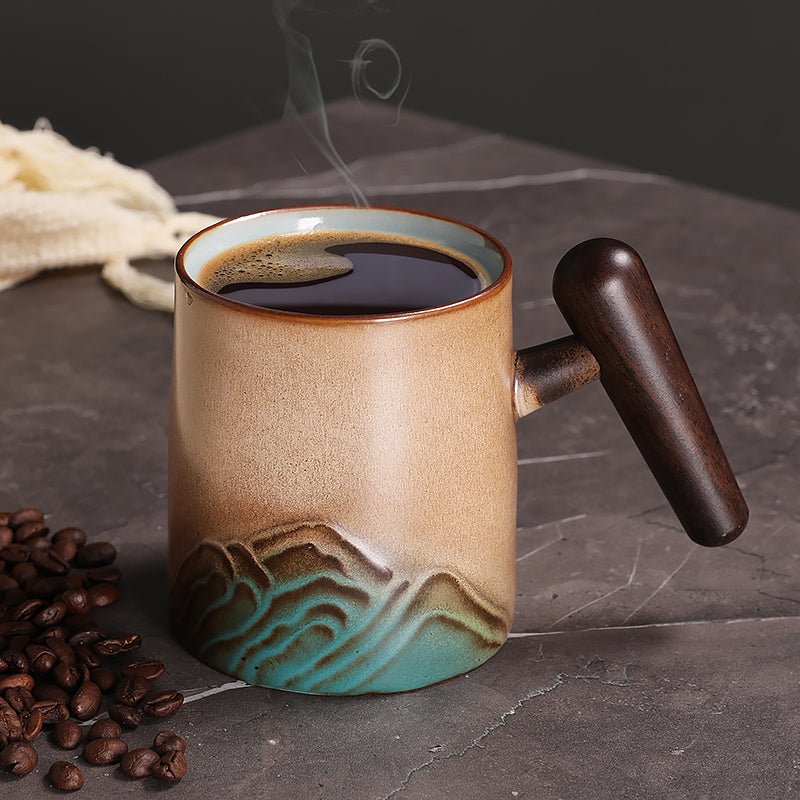
Giant Tea Mugs: How to Choose the Right Large Mug
A practical guide to giant tea mugs that compares size, material, shape, and care so you can pick a mug that fits your brew, your hand, and your dishwasher.
Per saperne di più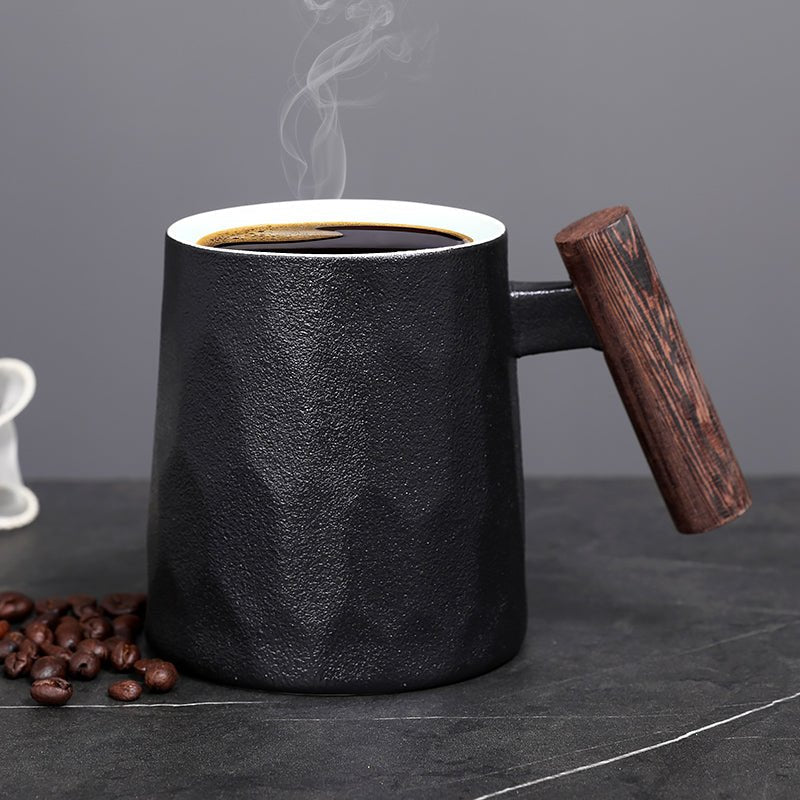
Huge Tea Mugs: How to Choose the Right Size, Shape, and Material
Huge tea mugs need the right balance of capacity, weight, and shape or they become awkward fast. This guide covers what actually works on a kitchen counter, desk, or dishwasher rack.
Per saperne di più
Commenta
Questo sito è protetto da hCaptcha e applica le Norme sulla privacy e i Termini di servizio di hCaptcha.