
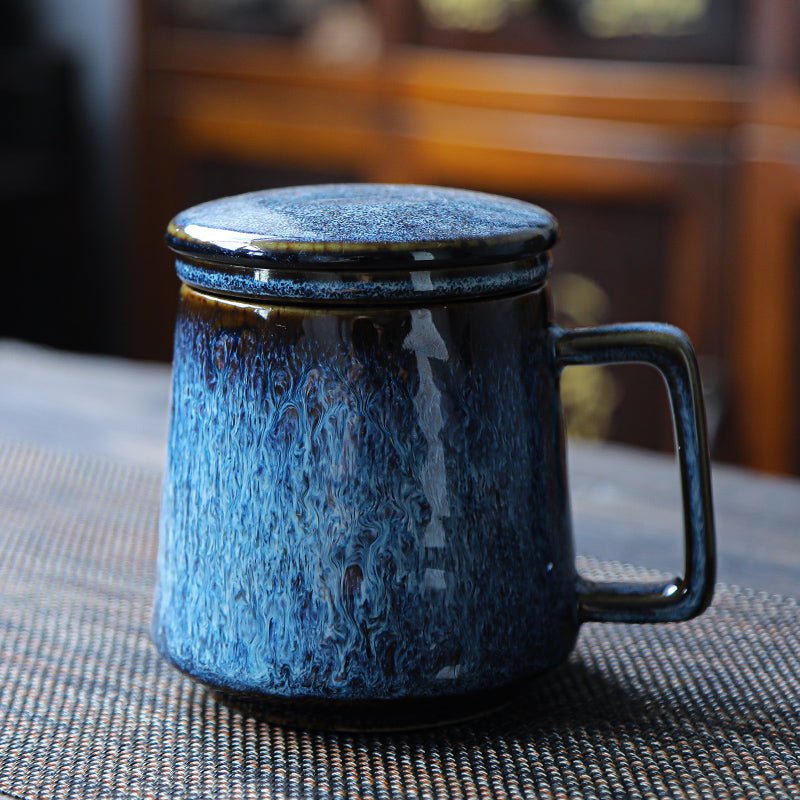
How to Spot a Crap Coffee Mug Before You Buy
Reading time: about 8 minutes
A mug can look fine in the product photo and still be annoying every morning. The rim feels rough, the handle pinches two fingers, or the base rocks on a desk just enough to leave a ring of coffee on the coaster.
That is the kind of crap coffee mug we try to help shoppers avoid. In our store, we look at the things that show up in real use: how the mug sits on a counter, how the handle feels after a full pour, and how it holds up after dishwasher cycles and daily office handling.
If you want to compare usable options instead of guessing from a photo, start with our full mug collection and use the checks below to narrow things down fast.
What makes a coffee mug feel cheap in daily use?
Most buyers notice the problems after the purchase, not before. A mug feels cheap when the small details are off: the lip catches on your mouth, the handle is too narrow for two fingers, or the body is so light that it feels fragile in the hand.
We usually see the same failure points across low-quality mugs:
- Uneven glaze that pools, streaks, or leaves thin spots near the rim and handle.
- Rough or unfinished rims that make every sip feel slightly abrasive.
- Weak handle joins where the handle meets the cup, which can crack sooner under heat and washing.
- Wobbly bases that do not sit flat on a desk, tray, or table.
- Thin walls that lose heat quickly and make the mug feel less substantial.
A good mug does not need to be fancy. It just needs to feel balanced, comfortable, and finished. If you are comparing sizes and want to understand how capacity changes the way a mug actually drinks, our guides on the 10 oz coffee mug and the 12 oz coffee mug are useful starting points.
Which mug details matter most before you buy?
We tell shoppers to judge the mug in this order: touch, balance, then appearance. A mug can have a nice pattern and still be wrong for everyday use.
| What to check | Why it matters | What we look for in the store |
|---|---|---|
| Rim finish | Controls comfort when sipping | Smooth, even edge with no grit or sharp spots |
| Handle size | Affects grip and comfort with hot drinks | Room for two fingers without forcing a tight hold |
| Base stability | Prevents wobble on desks and tables | Flat base that sits evenly |
| Wall thickness | Influences heat retention and durability feel | Solid, consistent ceramic walls without a hollow, flimsy feel |
| Glaze quality | Impacts cleaning and long-term appearance | Even finish with no obvious pinholes, drips, or rough patches |
Those details matter more than a decorative print. A good mug should feel reliable when you grab it half-awake on a kitchen counter, carry it to a desk, or rinse it after a long day.
What product types are better than a plain, poor-quality mug?
If the mug has to do real work, a better-made ceramic option usually beats the bargain-bin alternative. For buyers who want something more considered, we often point them toward mugs with better balance and more deliberate design.
For example, the Christmas Coffee Tea Mug is a better fit for gifting than a generic plain cup because it already feels seasonal and intentional on unboxing. The Green Waves Coffee Tea Mug is a stronger choice if you want a mug that reads as decorative without being fussy. And if you want a more tactile feel, the Mountain Sea II Coffee Tea Mug with Wooden Handle offers a different hand-feel than standard all-ceramic designs.
That said, style should not hide weaknesses. A pretty mug is not a good buy if the handle is awkward or the finish feels rough. We would rather sell a mug that is comfortable first and decorative second than the other way around.
How do size and shape affect whether a mug feels worth buying?
Capacity changes the experience more than most shoppers expect. A 10 oz mug can feel tidy and controlled for espresso drinks, tea, or a smaller pour. An 11 oz or 12 oz mug gives more room for coffee, milk, or a less careful pour on busy mornings.
The important part is fit, not just volume. A deeper mug can keep drinks warmer but be harder to stir. A wider mug can cool faster but feel easier to drink from. If you are choosing between sizes, our related posts break down the practical differences in plain language: 11 oz coffee mug size fit and 12 ounce coffee mug buying guide.
In our experience, the wrong size often feels like a quality problem even when the mug itself is fine. It is not. It is just the wrong shape for how you actually drink.
What does a mug need to survive real-world use?
Most mugs get judged in the same few places: the kitchen sink, the office microwave area, the dishwasher rack, and the desk. That is where weak mugs show their flaws.
Here is what we watch for when we handle mugs for our store:
- Dishwasher wear: repeated washing can reveal glaze dulling, printed decoration fading, or tiny chips at the rim.
- Handle stress: a handle that feels loose, thin, or sharply shaped becomes uncomfortable fast when the mug is full.
- Temperature changes: moving from a hot drink to a quick rinse can expose hairline cracks in poorly made ceramic.
- Desk stability: a mug should land flat, not wobble and threaten your laptop or paperwork.
- Cleaning access: the interior should be easy to scrub, with no awkward narrow spots that trap residue.
One trade-off worth saying plainly: some decorative mugs look better than they perform. That is fine if they are mainly for display or occasional use, but it is not the best choice for a daily commuter who wants speed, durability, and easy cleanup.
Which mug is the better buy for gifts, home, or office use?
Different shoppers need different things. A gift mug should feel special in the box. A home mug needs to survive routine use. An office mug should be easy to identify, comfortable to hold, and stable on a crowded desk.
We usually guide buyers like this:
- Gift buyer: choose a mug with a clear visual identity and a polished finish, such as the Christmas Coffee Tea Mug.
- Home buyer: choose a mug with a comfortable handle and a clean interior that is easy to wash after every use.
- Desk buyer: choose a mug with a stable base and a profile that will not crowd a keyboard or stack of papers.
- Style-first buyer: choose a mug like the Green Waves Coffee Tea Mug if you want something that looks more designed than generic.
If you are comparing gifts, also think about packaging and first impressions. A mug that feels solid in the hand and looks finished out of the box usually earns a better reaction than a cheap-looking cup with a busy print.
How do you avoid buying a crap coffee mug online?
Online shopping does not let you feel the rim or test the handle, so you need a short checklist. We use this approach ourselves when reviewing products for our store.
- Check the mug shape against how you drink coffee or tea every day.
- Look for clear material and care details, not just a decorative image.
- Read the product description for capacity, finish, and any special handling notes.
- Choose a style that fits your counter, desk, or gifting occasion.
- Prefer a mug that looks easy to clean and comfortable to hold.
If a listing does not tell you enough about the mug to judge comfort, finish, or care, that is a warning sign. A solid product page should help you decide without guessing.
Frequently asked questions
What is the quickest way to spot a crap coffee mug?
Check the rim, handle, and base first. If the rim feels rough, the handle is awkward for two fingers, or the mug rocks on a flat surface, skip it. Those are the problems that show up immediately in daily use.
Is a heavier mug always better?
No. A mug can feel heavy and still be badly made. What matters is balance, comfort, and whether the wall thickness feels consistent. A well-made mug should feel solid without being clumsy.
Are decorative mugs less practical?
Not always, but they can be. Decorative mugs are great when the finish is clean and the handle is comfortable. If the design hides rough edges or weak construction, it is better for display than for daily coffee.
Should I buy a 10 oz, 11 oz, or 12 oz mug?
Pick the size that matches how much you usually pour and how you drink. A 10 oz mug is often better for smaller servings, while 11 oz and 12 oz mugs give more room for coffee with milk or longer drinks. If you want a deeper comparison, our guides on the 10 oz coffee mug and 12 oz coffee mug are useful.
What mug style is least likely to disappoint after a few uses?
The safest choice is usually a simple, well-finished mug with a comfortable handle and a stable base. It may not be the flashiest option, but it tends to hold up better in kitchens, offices, and gift-giving situations than a mug chosen only for the print.
If you want to avoid a bad buy, compare the product photos against the checks above, then start with our full mug collection and narrow down by size, handle comfort, and finish before you choose.
Read more
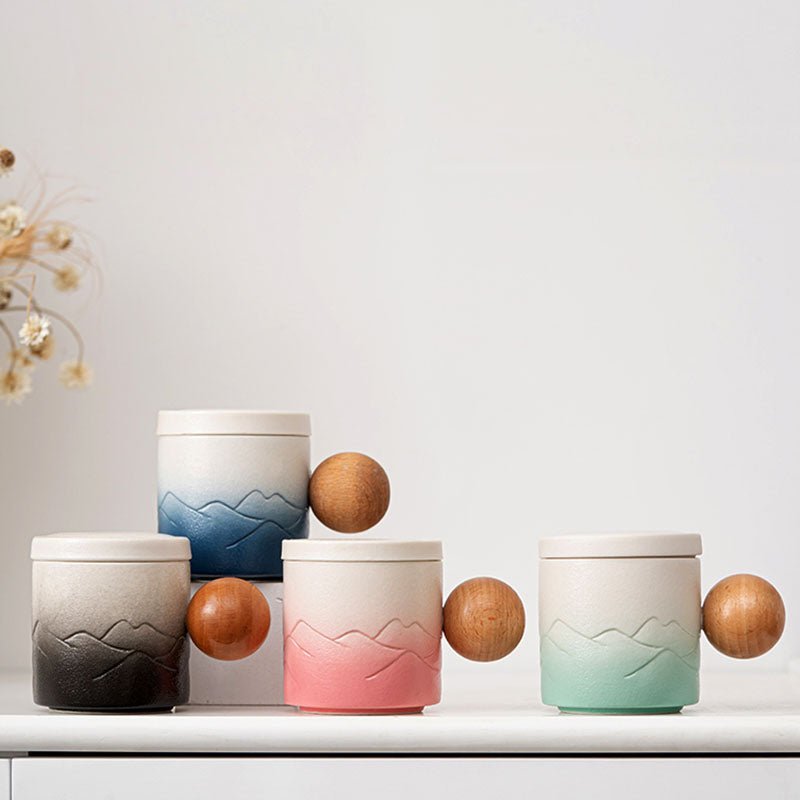
Nautical Coffee Mugs: What to Buy for Daily Use and Gifts
Nautical coffee mugs work best when the print, glaze, and handle fit real kitchen use, not just a shelf. We break down size, materials, care, and which styles make the best gift or daily mug.
Per saperne di più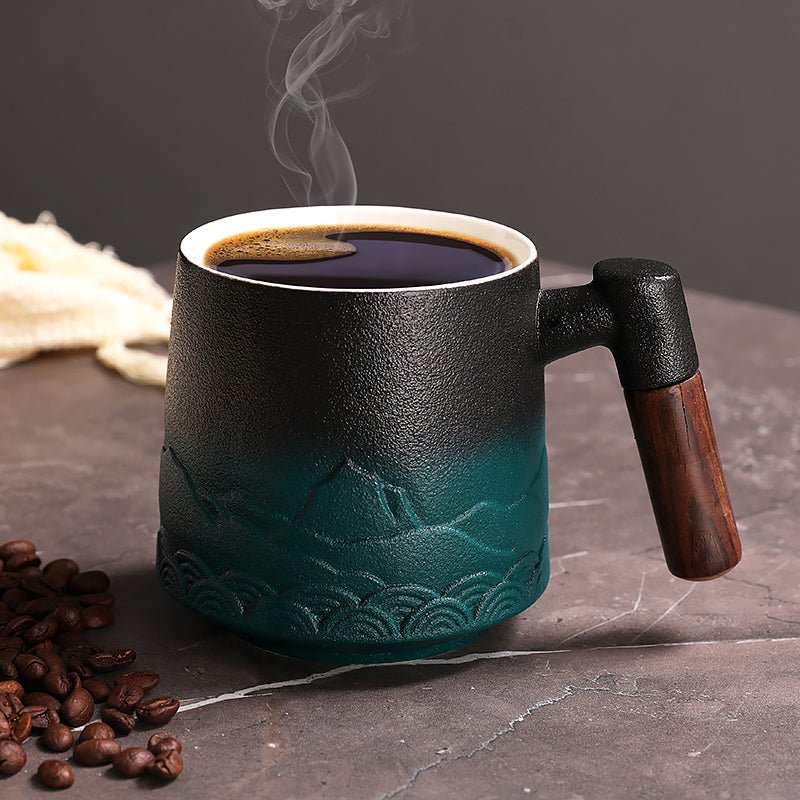
Masters Coffee Mug Buying Guide: Style, Size, and Everyday Use
A practical look at what makes a masters coffee mug worth buying, from handle feel and finish to the size that works on a desk or in a gift box. We compare a few styles we sell and call out the tra...
Per saperne di più
Commenta
Questo sito è protetto da hCaptcha e applica le Norme sulla privacy e i Termini di servizio di hCaptcha.