

How to Clean Coffee Stains from Mugs Without Damaging the Finish
Reading time: about 8 minutes
A brown ring at the bottom of a mug usually shows up after a few refills on a desk, a long meeting, or one too many “I’ll rinse it later” moments. The stain settles into the inside curve, the base, and sometimes the rim, then gets harder to remove after a dishwasher cycle or a day of drying on the counter.
We see this a lot with everyday mugs that get used hard and washed quickly. If you are replacing a mug that keeps holding onto stains, our Retro Coffee Tea Cup is a simple place to start, and you can compare more shapes in our all mugs collection.
The good news is that most coffee stains are surface residue, not permanent damage. The trick is using the right cleaner for the mug’s finish, then stopping before you start wearing down the glaze.
What makes coffee stains stick to mugs?
Coffee leaves behind tannins, oils, and fine residue. That residue clings to tiny texture in the glaze, the foot ring at the bottom, and the narrow shoulder where a sponge misses the curve. On glazed ceramic and porcelain, the stain usually sits on the surface. On stoneware, matte glazes, and older mugs with micro-scratches, it can grab a little harder.
In our experience, the mugs that stain fastest are not always the cheapest ones. They are often the ones that get daily use, sit with coffee in them for an hour on an office desk, then go through a hot wash without a proper scrub.
- Glazed ceramic: usually easiest to clean if the glaze is smooth.
- Porcelain: typically resists staining well, but the interior curve can still hold a brown ring.
- Stoneware: more likely to show residue if the glaze is textured or matte.
- Printed or metallic mugs: need gentler cleaning because abrasives can dull the decoration.
If you want a finish-first approach, our guide on How to Clean Coffee Stains from Mugs Without Damaging the Finish covers the same issue from a care angle, and How to Remove Tea Stains from Mugs Without Damaging the Finish is useful if you also deal with tea tannins.
Which cleaning method should you try first?
Start with the least aggressive option that can still remove the stain. For most mugs, that means dish soap and hot water first, then a baking soda paste if the ring stays behind. A vinegar soak can help on older stains, but it is not the best first step for every finish.
| Method | Best for | Watch-outs |
|---|---|---|
| Dish soap + hot water | Fresh stains and light residue | Often not enough for dark rings |
| Baking soda paste | Most glazed ceramic and porcelain mugs | Avoid hard scrubbing on decals and metallic trim |
| White vinegar soak | Older stains and interior rings | Do not leave delicate finishes soaking too long |
| Soft nylon brush or sponge | Narrow mugs and curved interiors | Steel wool can leave visible scratches |
| Diluted oxygen bleach soak | Deep stains in plain, undecorated mugs | Follow the label and rinse thoroughly |
A mug with a wide mouth is easier to scrub than a tall, narrow cup. A small foot ring can also trap residue, so flipping the mug over and cleaning the base matters as much as the inside wall.
How do you clean a stained mug step by step?
Here is the routine we would use at the sink or at a store wash station when a customer brings back a mug with coffee marks.
- Rinse the mug with warm water to remove loose residue.
- Add a few drops of dish soap and wash the interior with a soft sponge.
- If the stain remains, make a paste with baking soda and a little water.
- Spread the paste on the stain and let it sit for 5 to 10 minutes.
- Rub gently in circles with a sponge or soft nylon brush, paying attention to the bottom curve.
- Rinse well and inspect the glaze under bright light.
- If a ring is still visible, repeat once or use a short white vinegar soak before washing again.
- Dry completely with a towel so you can see whether any residue is left in the glaze line.
For a mug with a thicker wall or a shaped handle, the inside shoulder is usually the problem area. That is where a bottle brush can help, especially on mugs with a deeper bowl shape or a tighter opening. The goal is to remove the stain without scuffing the surface, because scuffs make the next stain stick faster.
Do not scrub a printed mug, gold-rimmed mug, or matte decorative mug the same way you would scrub a plain white diner mug. The finish decides the method.
Which mugs need a gentler approach?
Some finishes clean up quickly. Others need a lighter hand. That is where a lot of mug damage happens. People assume a stain is stubborn and keep scrubbing until the glaze looks cloudy.
- Printed mugs: use a soft sponge only. Harsh pads can wear down the image.
- Metallic or gold-rimmed mugs: skip abrasives and avoid long acidic soaks.
- Matte or reactive glazes: test a small area first because texture can hold cleaner and residue.
- Cracked or crazed mugs: stains can settle into the fine lines, and repeated soaking is not always worth it.
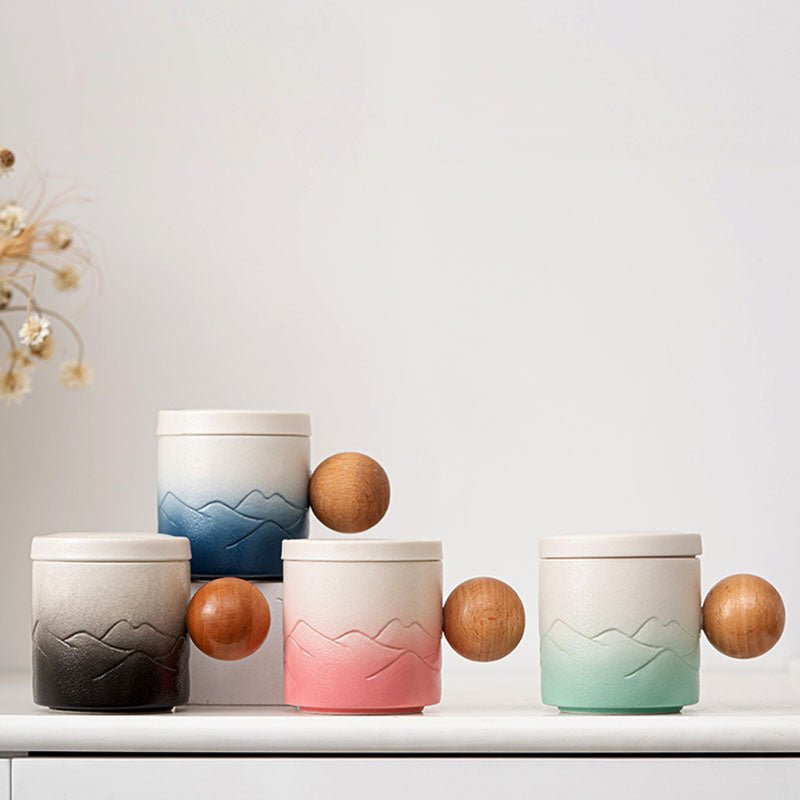
This is also where product choice matters. A smoother glazed mug is usually easier to keep clean than one with a highly textured surface. If you are comparing styles, the Ball Handled Coffee Tea Mug is a practical shape to handle during washing, while the Pleated Coffee Tea Cup may appeal more for display and gifting, though textured shapes can require a little more attention around edges and curves.
We also see buyers choose differently depending on use. A desk mug that goes through daily coffee refills needs a finish that is easy to rinse and easy to inspect. A gift mug may matter more for appearance, but if it is meant for real everyday use, it still needs a glaze that does not trap residue.
What should you avoid if you want the finish to stay intact?
The most common mistake is using too much abrasion too often. A brown stain is annoying, but a cloudy glaze, scratched interior, or dulled print is worse. Once that surface is rough, stains come back faster.
These are the habits we would avoid:
- Steel wool or abrasive scouring pads: they can leave visible marks on glazed mugs.
- Very long vinegar soaks: useful in moderation, but not ideal for every decorative finish.
- Mixing cleaners randomly: use one method at a time so you know what actually worked.
- Leaving coffee in the mug overnight: the longer it sits, the more it clings to the glaze line.
- Hot dry cycles after a weak rinse: they can bake residue onto the surface.
The safest long-term habit is simple: rinse soon, wash with a soft tool, and dry the mug fully. That routine is boring, but it prevents the kind of buildup that sends people searching for stronger cleaners later.
When is it better to replace the mug instead of scrubbing it?
Sometimes the mug has already crossed the line from stained to worn. If the interior has hairline crazing, the base feels rough, or the printed decoration is fading, cleaning may improve it but not fully restore it. In our store, we usually suggest replacement when the finish is no longer smooth enough to clean easily.
That is especially true for mugs that live on an office desk or get reused all day without a full wash between refills. A mug with a smoother glaze and a simpler interior is easier to maintain than one with heavy texture or a damaged surface.
If you are looking for a fresh start, browse the all mugs collection and compare the interior finish, rim shape, and handle comfort before you buy. A mug that is easy to hold and easy to rinse usually stays cleaner longer.
For shoppers who want more cleaning advice before replacing anything, our article How to Get Coffee Stains Out of Mugs Without Damaging the Finish goes deeper on stain removal, and How to Remove Coffee Stains from a Mug Without Damaging It is useful if you are dealing with older buildup.
Frequently asked questions
Does baking soda scratch ceramic mugs?
Baking soda is usually safe on glazed ceramic when you use it as a paste with a soft sponge. The risk comes from heavy pressure or a rough scrub pad, not the baking soda itself. On printed or metallic mugs, keep the pressure light and test a small spot first.
Will vinegar remove old coffee stains from mugs?
Vinegar can help loosen older stains, especially on plain glazed mugs. It works best as a short soak followed by a normal wash, not as a permanent soak for delicate finishes. If the stain is deep in scratches or crazing, vinegar may improve it but will not fully erase it.
Can I put a stained mug in the dishwasher and expect it to come clean?
Sometimes a dishwasher helps with fresh residue, but it rarely removes a set-in coffee ring by itself. Heat can also make a light stain harder to lift if the mug was not rinsed well first. A quick hand wash before loading the dishwasher is a better habit.
Why does the stain keep coming back after I clean the mug?
That usually means the surface is still holding a little residue, or the glaze has fine wear that traps coffee again. The inside shoulder, the bottom curve, and the foot ring are the most common trouble spots. A smoother mug finish and a full dry after washing usually reduce the repeat staining.
What is the safest way to clean a mug with a logo or gold rim?
Use warm water, mild dish soap, and a soft sponge. Avoid abrasive pads, long vinegar soaks, and aggressive scrubbing around the decoration. If the stain does not lift safely, it is better to leave a faint mark than to strip the finish.
If you are comparing mugs before the next coffee ring shows up, check the interior finish, the width of the opening, and whether the surface is plain or decorative. For a simpler everyday option, start with the Retro Coffee Tea Cup, then review the rest of our all mugs collection for shapes that will be easier to rinse, wipe, and keep clean.
Read more
14 oz Coffee Mug: What to Check for Fit, Comfort, and Daily Use
A practical guide to choosing a 14 oz coffee mug, with notes on handle comfort, drink fit, materials, and the trade-offs we see in daily use.
Per saperne di più
Syracuse China Coffee Mugs: What to Check Before You Buy
A buyer-focused guide to Syracuse China coffee mugs, with the checks we use for rim condition, glaze wear, handle comfort, and everyday fit. Includes practical alternatives if you want the same sty...
Per saperne di più
Commenta
Questo sito è protetto da hCaptcha e applica le Norme sulla privacy e i Termini di servizio di hCaptcha.