
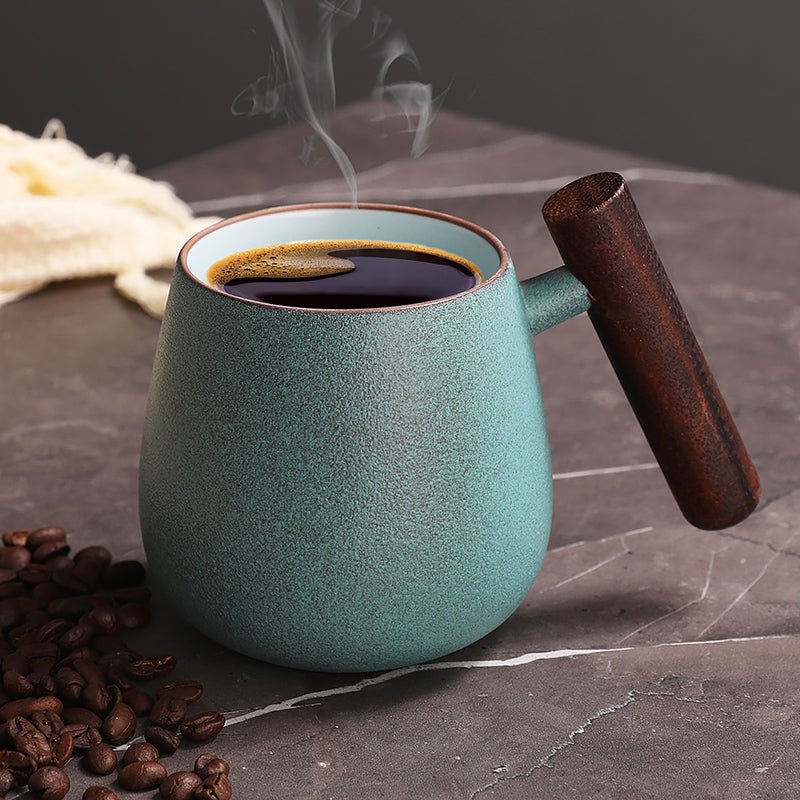
How Many Ounces in a Mug of Coffee? Real Sizes and Buying Tips
Reading time: about 9 minutes
A mug looks straightforward until you actually pour coffee into it. On the counter, a cup can seem average-sized, then the first pour lands too close to the rim and you realize the real usable volume is smaller than the number on the listing.
That is the practical answer behind how many ounces in a mug of coffee: most everyday coffee mugs are used as 8 to 12 ounce drinks, while the mug itself often holds more than that if you fill it to the brim. In our store, we think about two numbers at once, the listed capacity and the amount a person can drink comfortably without sloshing or burning their hand.
If you want a broader comparison across shapes and sizes, our other guides on How Many Ounces in a Coffee Mug? Real Sizes and Buying Tips and How Many Ounces Is a Standard Coffee Mug? A Buyer’s Guide go deeper into the label confusion shoppers run into.
How many ounces are in a mug of coffee for everyday use?
For a normal morning coffee, most people pour and drink somewhere in the 8 to 12 ounce range. That is the range that feels natural on a kitchen counter, at an office desk, or during a quick refill between tasks. It is also the range where the mug still feels balanced in one hand and does not turn into a heavy, bowl-like cup.
The mug itself is often larger than the coffee you actually drink. A mug listed at 12 ounces may only be filled to around 10 ounces in real use so there is room for movement, steam, milk, or foam. A 16 ounce mug can still be perfectly normal, but many buyers discover they rarely fill it all the way unless they want a very large serving.
One detail that trips people up: many drip coffee makers use a 5 ounce machine cup, not an 8 ounce drinking cup. So when a brewer says 10 cups, that does not mean 10 full mugs of coffee. It usually means less than people expect once the coffee is poured into a real mug.
Why does the same mug not hold the same amount in real use?
Two mugs can both be sold as 12 ounces and still feel different in the hand. The shape changes the experience. A tall, straight-sided mug often holds its volume in a tighter footprint, while a wide, tapered mug may look bigger but leave less practical room near the rim once you start drinking.
We also see the difference in the details that rarely make it into a product photo:
- Rim shape: A slightly rolled rim feels smoother on the lip than a sharp edge.
- Wall thickness: Thicker ceramic walls usually feel sturdier, but they can make the mug heavier and slower to warm.
- Handle opening: A handle that fits two fingers comfortably matters more than a pretty profile if you drink at a desk all morning.
- Foot ring: A clean, even base sits better on a table; a rough or uneven foot ring can rock or leave a scratchy feel on a countertop.
Real-world use matters here. A mug that looks generous in photos may still feel cramped if the opening is wide and the coffee level sits low. A narrower mug may seem smaller but keep your drink warmer a little longer because there is less surface area exposed. That trade-off is useful if you sip slowly. It is less useful if you want a big, open cup for milk-heavy coffee drinks.
Which mug size fits which coffee drink?
Picking the right mug is less about chasing the biggest number and more about matching the mug to the way you actually drink coffee. Here is the simplest way we break it down:
| Drink style | Practical mug size | Why it works |
|---|---|---|
| Black drip coffee | 8 to 10 oz | Enough room for a normal pour without feeling oversized |
| Coffee with milk or cream | 10 to 12 oz | Leaves headspace so the cup does not look full to the brim |
| Large desk coffee | 12 to 16 oz | Fewer refills, but the mug gets heavier and takes longer to finish |
| Espresso | 2 to 4 oz | A regular mug is too large and throws off the drink proportions |
A lot of shoppers want one mug that does everything. That is possible, but not always ideal. A very large mug is not the best choice if you mostly drink a short pour and want the coffee to stay hot. A smaller mug is not ideal if you often add milk, like a wider rim, or simply prefer a slower drinking pace without constant refills.
If your routine changes from weekday desk coffee to weekend pour-overs, a middle-size mug around 10 to 12 ounces is usually the safest starting point.
How do you choose a mug that feels good in your hand?
Capacity is only half the decision. The feel of the mug matters just as much, especially if you use it every day. We handle a lot of mugs in our store, and the problems customers notice first are usually not about design. They are about comfort and balance.
Look at these practical details before you buy:
- Handle fit: Make sure the handle opening is large enough for your fingers without squeezing.
- Weight: A heavier ceramic mug feels solid, but it can become tiring if you refill often.
- Opening width: Wider openings are easier to drink from and clean, but they cool faster.
- Finish: A smooth glazed interior cleans more easily than a rough or overly textured surface.
- Base stability: A mug that sits flat on a table or warming tray is less annoying than one that wobbles.
We also watch for common defect modes when checking mugs: hairline glaze flaws, rough rims, chipped foot rings, and handles that are attached a little off-center. None of those automatically make a mug unusable, but they can affect how it feels after a week of daily use. For a gift, those small details matter even more because the first impression comes from the unboxing and the first sip, not just the artwork on the outside.
If you need a mug for commuting, a standard coffee mug is not the right category at all. A travel tumbler will do a better job with heat retention and spill control. A regular mug belongs on a kitchen counter, office desk, or breakfast table.
What should you check before buying a mug online?
Online mug shopping gets easier when you ignore the photo styling and focus on the specs that actually affect use. A product image can make a mug look bigger than it is. The listing details tell you what will happen when it lands on your counter.
- Listed capacity: Check whether the capacity is a true brim-to-brim measurement or a practical serving size.
- Dimensions: Look at height, opening width, and base diameter, not just ounces.
- Care instructions: Confirm whether the mug is meant for dishwasher and microwave use if that matters to your routine.
- Material: Ceramic mugs usually feel different from porcelain or stoneware, especially in weight and heat retention.
- Handle shape: A good-looking handle can still be awkward if it is too narrow or sits too close to the mug body.
That last point is worth repeating. The handle and the rim are the two places your hand and mouth notice first. If either one is off, the mug may still look great in a photo but feel wrong in daily use.
If you are comparing options in our shop, start with the full collection and compare the shape, not just the artwork. For example, the Golden Waves Kio Coffee Tea Mug, The Flow Coffee Tea Mug, and Mountain Sea Coffee Tea Mug give you different visual styles while keeping the same basic coffee-mug use case: something that lives on a desk, in a cabinet, or next to the machine without taking over the space.
For shoppers who care about the buying language as much as the design, our other article on How Many Ounces Is a Coffee Mug? Real Sizes and Buyer Tips is useful if you want to compare standard listings before choosing a style.
Which mug size is best if you drink coffee every day?
For most daily coffee drinkers, a 10 to 12 ounce mug is the easiest middle ground. It handles black coffee well, still gives room for milk, and does not feel oversized on a breakfast table. If you drink slower and prefer larger refills, go bigger. If you like a concentrated serving and want the mug to warm quickly, go smaller.
There is no perfect universal answer, and that is the part many generic buying guides skip. A mug that is ideal for an office desk may be a poor choice for a small kitchen shelf. A mug that looks great as a gift may be too wide for a narrow espresso machine area. If you have limited cabinet space, stackability and footprint can matter more than a large capacity number.
We usually advise shoppers to ask three simple questions before they buy: How much coffee do I actually pour? How do I hold the mug? Where will it sit when it is not in my hand? Those answers usually point to the right size faster than ounces alone.
Frequently asked questions
How many ounces does a standard coffee mug hold?
Most standard coffee mugs fall around 8 to 12 ounces for everyday drinking, with many listings showing 12 to 16 ounces if measured to the brim. The amount you actually drink is usually a little less because you leave headspace to avoid spills.
Is a 12 oz mug actually 12 oz when filled with coffee?
Often, yes, but not always in practical use. Many people stop short of the rim, especially with hot coffee, milk, or foam, so the drinkable amount may be closer to 10 or 11 ounces even if the mug is labeled 12 ounces.
What size mug is best for drip coffee?
A 10 to 12 ounce mug is the most flexible choice for drip coffee because it leaves room for a normal pour and a little headspace. If you usually drink black coffee and want a smaller serving, 8 ounces can feel better and heat up faster.
Why do some mugs feel bigger than their ounce rating?
Shape changes perception. A wide mouth, thin walls, and a tall profile can make a mug feel larger even if the listed capacity is the same as a more compact cup. Handle size and base width also affect how big a mug feels in the hand.
Should I buy a bigger mug if I add milk?
Usually, yes. Milk, cream, and foam take up space, so a 10 to 12 ounce mug is often easier to use than an 8 ounce cup. If you like a lot of room near the rim, a 12 to 14 ounce mug is a more forgiving choice.
If you are still deciding, compare the listed capacity, the opening width, and the handle fit first, then browse the collection and pick the mug that matches the way you actually drink coffee, not just the number on the label.
Read more
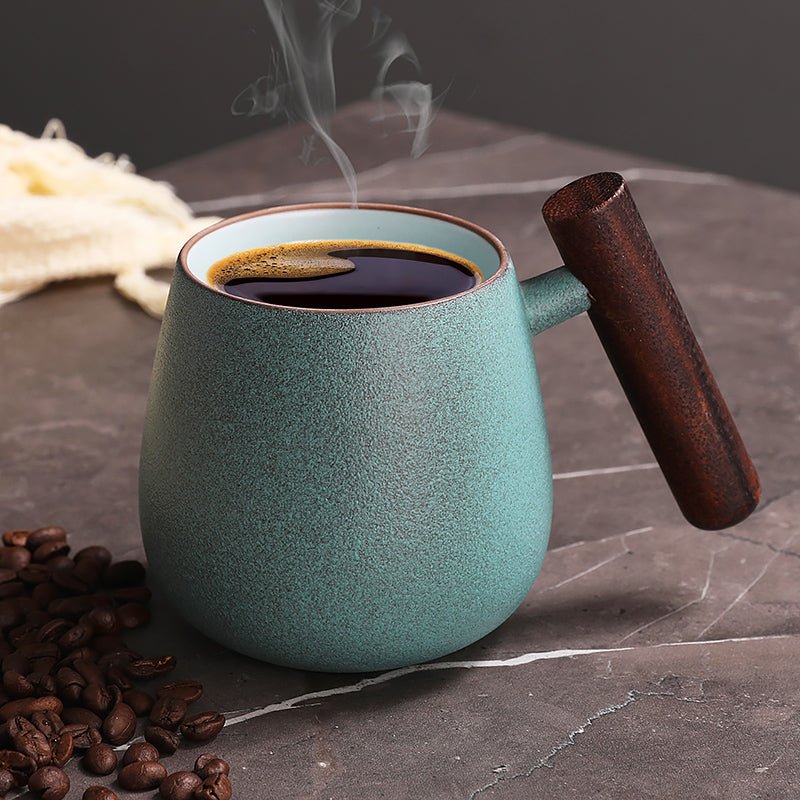
Elegant Coffee Mugs for Everyday Use: What to Look For
Elegant coffee mugs need to look refined and still feel right on a kitchen counter or desk. We break down size, handle comfort, finish, and care so you can buy one that works every day.
Per saperne di più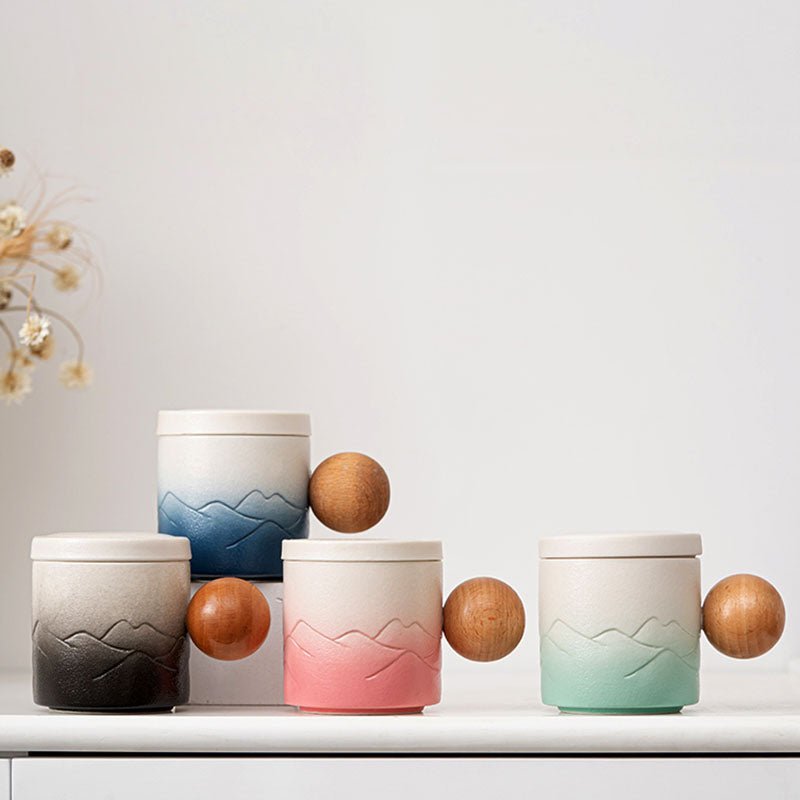
Coffee Mugs for the Boss: Best Gift Picks That Feel Useful
Practical coffee mugs for the boss should feel polished, easy to use, and office-ready. We compare styles, common mistakes, and the safest gift picks from our store.
Per saperne di più
Commenta
Questo sito è protetto da hCaptcha e applica le Norme sulla privacy e i Termini di servizio di hCaptcha.