
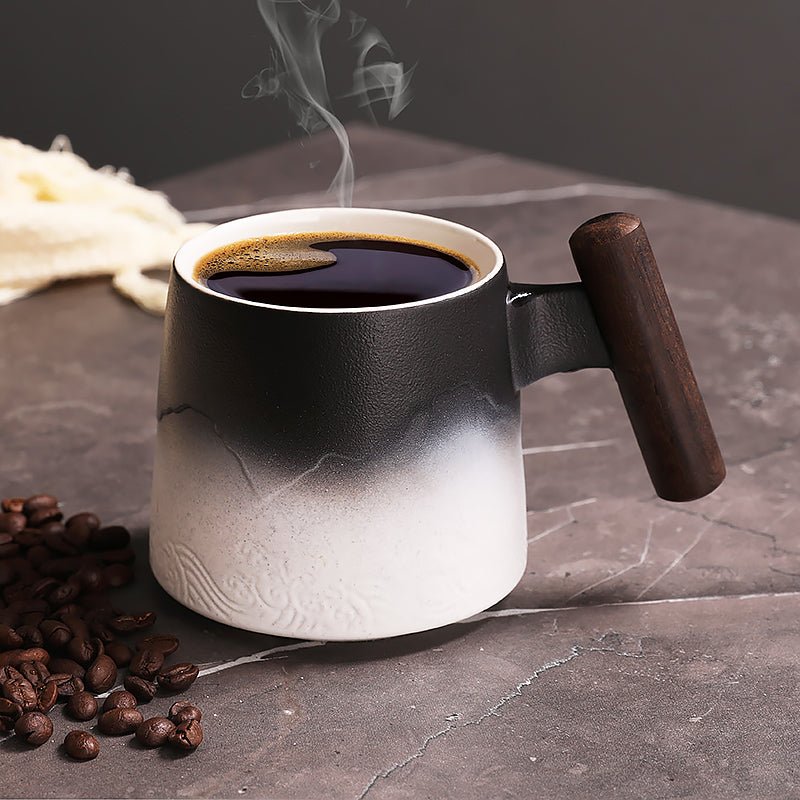
How Many Calories in a Mug of Coffee? A Practical Buyer’s Guide
Reading time: about 9 minutes
A half-full mug on the kitchen counter looks harmless, but the calorie count can change quickly once milk, sugar, or flavored creamer goes in. We hear this question all the time from shoppers who want a simple answer before they choose a mug size, a daily brew routine, or a travel mug for the office.
If you are asking how many calories in a mug of coffee, the short answer is that plain black coffee is very low in calories. The longer answer depends on mug size and what you add. A small 8 oz cup, a standard 12 oz mug, and a large 20 oz mug do not behave the same once you start pouring in extras. We cover those trade-offs in more detail in our guide to How Many Calories in a Mug of Black Coffee? A Practical Buyer’s Guide and in our post on Calories in a Mug of Coffee: What Changes the Count?
How many calories are in a plain mug of coffee?
A mug of plain black coffee usually has very few calories because brewed coffee is mostly water. The exact number depends on brew strength and mug volume, but for most home cups, black coffee stays close to a near-zero calorie beverage.
That is why black coffee is often the baseline people use when they are tracking intake. If you drink it plain, the mug itself does not matter much for calories; the liquid does. But once you move from a small 8 oz coffee cup to a larger 20 oz mug, the total amount of coffee increases, and so does the chance of adding more extras. If you are comparing mug sizes for daily use, our size-focused post on the 8 oz Coffee Mug: What to Check Before You Buy and our breakdown of the 20 oz Coffee Mug: What to Check Before You Buy can help.
In our store, we see two very different buyers:
- People who want one measured cup in the morning and keep it simple.
- People who fill a larger mug at a desk and keep sipping, which usually leads to extra milk or sugar refills.
That second group often underestimates the real calorie count, not because the coffee changes, but because the mug size invites add-ins.
What changes the calorie count the fastest?
The fastest calorie jumps usually come from milk, cream, sugar, syrups, and whipped toppings. Coffee on its own is not the problem; the extras are.
Here is the practical breakdown we use when helping customers compare their daily cup:
| Add-in | What it changes | Real-world note |
|---|---|---|
| Sugar | Adds calories quickly with each teaspoon | Easy to lose track if you add by habit instead of measuring |
| Milk | Raises calories more than black coffee, especially in larger pours | Whole milk, 2%, and oat milk all behave differently |
| Creamer | Can add more than expected, especially flavored versions | Often used by the splash, which is hard to measure accurately |
| Syrup | Increases calories fast and also adds sweetness | Common in flavored home drinks and office coffee setups |
A teaspoon here and a splash there does not sound like much. Over a week of office refills, it adds up in a way that plain black coffee never does. That is why the mug you choose can matter indirectly: a wider 12 oz or 20 oz mug often makes room for more milk and more mix-ins than a small, narrow cup.
Does mug size change the calories?
The mug size does not change the calories in the coffee itself, but it changes how much you pour and how much you tend to add. A small 8 oz mug is naturally more portion-controlled. A larger mug can be great for a long work session, but it also makes it easy to build a much richer drink without realizing it.
We see this in real use at kitchen counters and office desks. Someone starts with black coffee in a large mug, then adds milk for taste. The next day, they pour a little more. Then a little sugar. That is not a mug problem, exactly. It is a habit problem, and the mug can make the habit easier to repeat.
If you are shopping for a daily-use cup, our full mug collection is the best place to compare sizes, shapes, and styles side by side. For buyers who care about portion control, a smaller mug can be the more practical choice. For people who drink slowly at a desk, a larger mug may be better, but only if you are comfortable watching what goes in it.
Which coffee style keeps calories lowest?
Black coffee is the lowest-calorie option most people can make at home. Espresso also stays low on its own, though espresso-based drinks can climb fast once milk or sweeteners are added. Cold brew can be similar to hot brewed coffee if it is served plain, but many bottled or cafe versions are already sweetened.
For shoppers comparing options, the trade-off is straightforward:
- Black drip coffee is the simplest if you want the lowest calorie count.
- Espresso drinks can stay modest if you keep them plain, but latte-style drinks add milk quickly.
- Cold brew is fine when unsweetened, but always check whether the bottle or concentrate includes sugar.
- Instant coffee is usually still low calorie unless you stir in creamer or sugar.
Our experience at CoffeifyMug is that people often buy a mug for one of two use cases: a straightforward black coffee routine or a more flexible drink with room for milk. That is why we always advise thinking about your actual routine, not just the mug photo.
How do milk, sugar, and creamers compare in a real mug?
The biggest mistake is treating all add-ins like they are equal. They are not. Two mugs that look similar from across the kitchen can differ a lot if one is plain black coffee and the other is coffee with milk, sugar, and flavored creamer.
Here is the practical version we use when talking with customers:
- Black coffee: best for keeping calories minimal.
- Milk in a splash: small increase, but it becomes meaningful if you refill often.
- Sugar by the spoon: easy to underestimate because the cup still looks like “just coffee.”
- Flavored creamers: often the biggest hidden change because they combine sweetness and fat in one pour.
If you want a mug that makes this easier to manage, choose one with a comfortable capacity that matches your routine. A properly sized mug helps you stop at one serving instead of topping off again and again. Our guide to Awesome Coffee Mugs: How to Choose a Mug You’ll Actually Use goes deeper into shape, handle comfort, and daily practicality.
What should buyers check before choosing a coffee mug?
Calories are only part of the decision. A mug should also be comfortable, durable, and easy to clean, especially if you use it every morning or keep it on a desk all day. In our store, we pay attention to the same details shoppers notice after the first week of use, not just the first unboxing.
When we evaluate mugs, we look at:
- Material: ceramic is common for home use because it holds heat well, while stainless steel or insulated styles are better for long desk sessions.
- Rim and handle shape: a comfortable handle matters more than people expect when the mug is full.
- Finish and glaze: a smooth glaze tends to clean more easily than a textured surface, especially after milk or syrup.
- Dishwasher use: repeated washing can reveal weak glaze spots, fading prints, or hairline cracks around the handle.
We also see a few common defect modes customers should watch for: handles that feel too thin, uneven bases that wobble on a table, and glazes that stain more than expected after tea or coffee oils build up. Those details do not sound glamorous, but they matter if you use the mug every day.
Our rule of thumb: if you plan to drink plain coffee, choose the mug you enjoy holding. If you plan to add milk or sugar, choose the mug that makes portion size easiest to control.
Is black coffee always the best choice for low calories?
Black coffee is usually the best choice if calorie count is the main goal, but it is not always the best choice for taste, satiety, or routine. Some people do better with a small amount of milk because it makes the cup more enjoyable and easier to keep consistent. Others prefer a larger mug and a slower sip at the office, even if that means accepting a few extra calories from milk.
The trade-off is simple: lower calories usually means less sweetness and less richness. If that sounds fine, black coffee is the easy answer. If you need a creamier cup to stick with your routine, it may be worth choosing a mug that matches that habit rather than fighting it.
That is also why we do not recommend buying a very large mug just because it looks nice on a product page. A big mug can be perfect for a long morning, but it is not ideal if you want strict control over portions.
Frequently asked questions
How many calories are in a mug of black coffee?
Plain black coffee is very low in calories and is often treated as near-zero for everyday tracking. The exact number can vary slightly by brew strength and mug size, but the coffee itself contributes very little compared with milk or sugar.
Do calories change if I use a 20 oz mug instead of an 8 oz mug?
The coffee’s calorie count only changes if you pour more coffee or add more ingredients. A larger mug often leads to larger servings of milk, sugar, or creamer, which is where the calories rise. If you care about portion control, the mug size matters indirectly.
Is coffee with milk still low calorie?
It can be, if you only add a small splash. Once you start using several pours of milk or switching to flavored creamer, the calorie count rises more quickly. The exact total depends on the type and amount of milk used.
What is the lowest-calorie way to drink coffee?
Black coffee is the simplest low-calorie option. If you want a little softness in the cup, use a measured small splash of milk instead of free-pouring. Avoid added sugar and sweetened creamers if the goal is to keep the count down.
What kind of mug is best if I want to control my coffee portions?
A smaller mug is usually easier to manage because it naturally limits how much coffee and how many add-ins you use. A ceramic mug works well for most home setups, while an insulated mug may suit desk use better. If you want to compare styles, start with our full mug collection and choose the size that matches your actual routine.
What should you do next if you are comparing mugs and calories?
Start with your real drink, not the version you wish you drank. If you usually take coffee black, an 8 oz or standard-size mug may be the cleanest fit. If you like milk and a slower sip at your desk, a larger mug may make more sense, but keep an eye on add-ins.
Before you buy, check three things: the mug size, the material, and whether the shape fits your hand and your routine. Then compare the options in our mug collection and, if you want more detail on serving size choices, read the linked posts above so you can pick a mug that works for your habits, not against them.
More from our blog
Read more
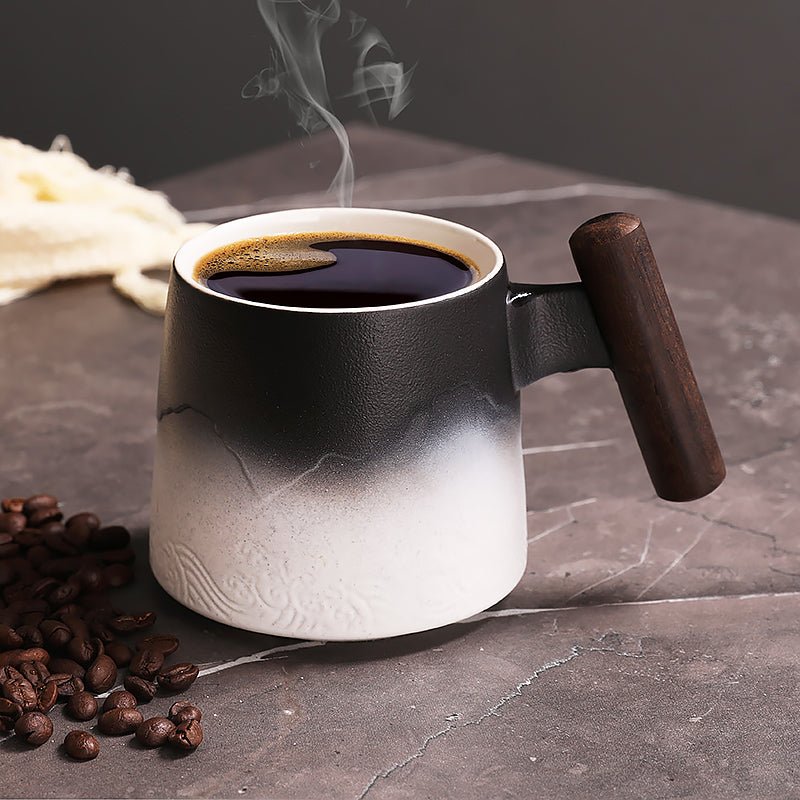
Coffee Mug Ceramic Lid Buying Guide: What to Check Before You Buy
A practical guide to choosing a coffee mug ceramic lid that fits well, holds heat, and works for daily use. We cover material, fit, care, and the trade-offs that matter before you buy.
Per saperne di più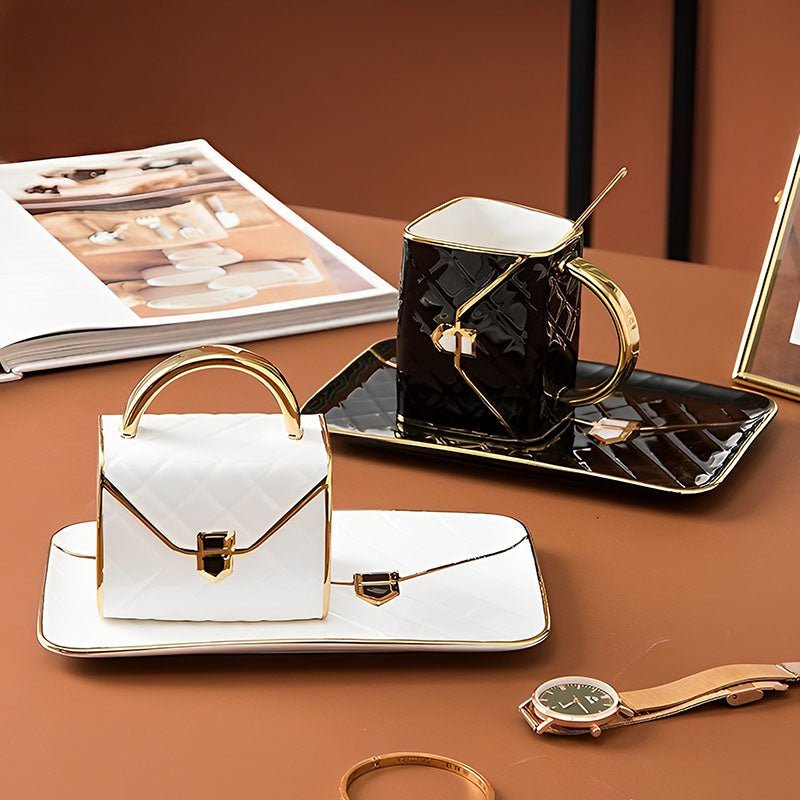
Coffee Mug Guy Guide: What to Buy for Daily Use and Gifting
A practical buyer’s guide for anyone shopping for a coffee mug guy gift or upgrading their own mug. We break down size, material, handle comfort, care, and real trade-offs so you can choose somethi...
Per saperne di più
Commenta
Questo sito è protetto da hCaptcha e applica le Norme sulla privacy e i Termini di servizio di hCaptcha.