
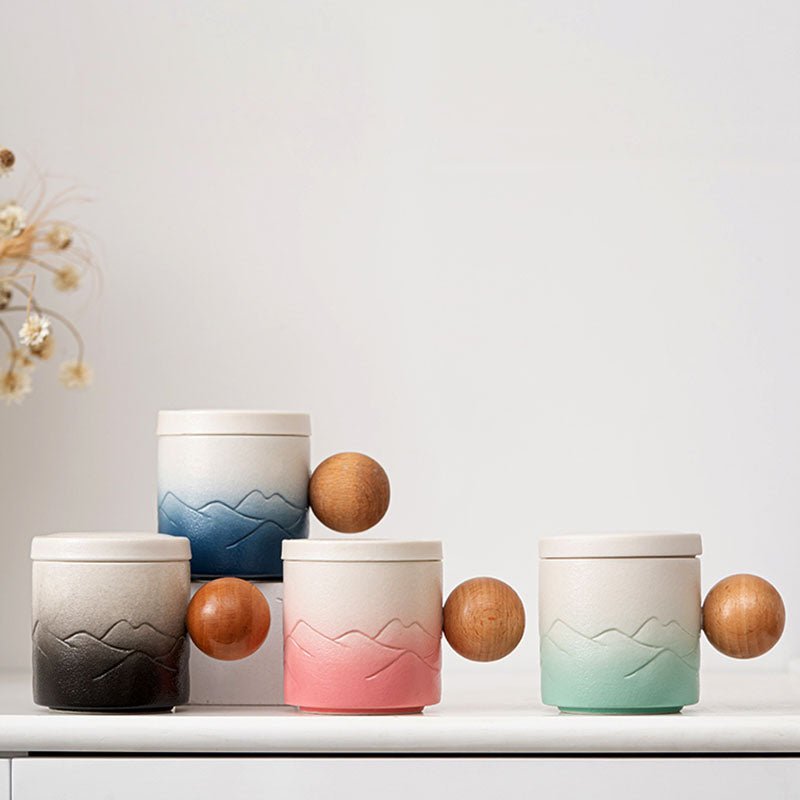
Hot Coffee Mug Buying Guide for Daily Use and Better Heat Retention
Reading time: about 9 minutes
A coffee that starts strong can turn lukewarm before the first half hour of work is over. That usually is not a coffee problem. It is a mug problem, or at least a mug choice problem.
We see this often in our store: buyers want a hot coffee mug that feels good in the hand, fits under a brewer, and does not turn into a constant reheating routine. The right pick depends on how you drink coffee, where you drink it, and how much cleanup you will tolerate.
If you want a broader side-by-side view while you compare options, our article Best mug to keep coffee hot: what to buy and what actually matters covers the bigger buying picture. Here, we are focusing on what a practical hot coffee mug needs to do for daily use.
What should a hot coffee mug actually do?
A good mug should do more than hold liquid. It should slow heat loss, feel stable on a desk or counter, and be easy to live with every day. That sounds basic, but the details matter more than most shoppers expect.
In our experience, buyers usually care about four things once they handle a mug in real life:
- Heat retention: the mug should reduce how quickly coffee cools, especially during a slow morning or a long call.
- Comfort: the handle should be easy to grip without pinching fingers or forcing a cramped hold.
- Stability: a wide enough base helps keep the mug steady on a desk, tray, or crowded kitchen counter.
- Cleanup: the finish, opening, and rim should not make everyday washing annoying.
That last point gets ignored too often. A mug that technically holds heat but is awkward to rinse, prone to staining, or fussy around the lid does not stay in rotation for long.
We also tell shoppers to think about what a mug is not good for. A standard mug is not the same as a travel tumbler. If you need coffee to stay hot through a commute, a closed travel vessel is the better tool. A ceramic hot coffee mug is more about comfort, table use, and short-to-medium drink windows.
Which materials and shapes help coffee stay warmer?
Material and shape are the two biggest practical drivers of heat behavior. You do not need lab language to make a better choice. You just need to understand the trade-offs.
| Factor | What helps | Trade-off |
|---|---|---|
| Material | Thicker ceramic or stoneware tends to hold heat better than very thin cups | Heavier in the hand, slower to warm up |
| Opening size | Smaller openings reduce steam loss | Harder to stir and can feel less open for latte-style drinks |
| Wall thickness | More body around the drink helps moderate temperature drop | Can add weight and make the mug feel bulkier |
| Lid | A fitted lid slows heat escape and helps if you pause between sips | Extra part to clean, and not every lid seals tightly |
For a daily hot coffee mug, ceramic is usually the most practical starting point. It feels familiar, handles hot liquid well, and works for home desks, office breaks, and gift purchases. Clear glass can look sharp, but it usually gives up heat faster and shows every drip. Thin metal is not the right vibe for most coffee drinkers at a desk because it can feel too warm or too industrial.
Shape matters almost as much as material. A mug with a narrower top helps keep coffee warmer a little longer than a wide, open bowl shape. That is why mugs built for coffee and tea tend to be easier to live with than novelty cups that look fun but cool fast.
If you are still sorting through style and function, our guide Coffee Mug That Keeps Coffee Hot: How to Choose the Right One goes deeper on what to prioritize before buying.
Which CoffeifyMug styles fit different daily routines?
Our catalog has a few different directions, and each one fits a different buyer. We prefer matching the mug to the routine rather than pushing one shape on everyone.
- Planet Coffee Tea Mug if you want a more distinctive look for a desk, gift box, or personal kitchen setup.
- Rhombus Coffee Tea Mug if you want a more angular, graphic style that stands out without being loud.
- Handbag Coffee Tea Mug if you want something more playful and giftable that still works as an everyday drinking mug.
These are not travel mugs, and that is fine. Their job is to make home coffee, office coffee, or a giftable coffee setup feel better. If someone wants to sip slowly at a desk while answering email, a ceramic mug with a comfortable handle is often more satisfying than a sealed tumbler.
For shoppers comparing the full range before deciding, the safest next stop is our all products collection. It is easier to compare shapes there than jumping between tabs and guessing from memory.
If you want a focused breakdown of what makes one mug better than another for warmth, our post Hot Coffee Mug: What Actually Keeps Coffee Warm and Fits Daily Use is the most direct companion piece.
What should you check before buying one?
We recommend checking the practical details that affect how a mug behaves on day one and six months later. A mug can look good in a product photo and still feel wrong at home.
- Handle comfort: Make sure the handle gives enough room for your fingers, especially if you tend to drink coffee with one hand while typing or reading.
- Rim feel: A smooth rim matters more than people think. A sharp or uneven lip can make every sip less pleasant.
- Base stability: A mug should sit flat. If it rocks on the counter, it will annoy you and may spill more easily.
- Care instructions: Check whether the mug is meant for dishwasher use or whether hand washing is the better long-term choice. Decorative finishes often last longer with gentler washing.
- Thermal shock risk: Avoid moving a mug from very hot liquid to cold water immediately. That kind of fast temperature swing is where cracks and hairline damage tend to show up.
These are the kinds of defect modes we watch for when products age: chipped rims from sink contact, glaze wear from repeated washing, and stress cracks from rough handling. None of that is unique to our mugs. It is simply how ceramic pieces tend to age when they are used every day.
If a buyer wants something that keeps coffee hot for a long time during a commute or outdoor use, we usually steer them away from a standard mug altogether. A lidded travel vessel is the better choice. A mug is for sitting, sipping, and staying comfortable at the table.
How do you keep a hot coffee mug working well over time?
A mug lasts longer when you treat it like a daily tool instead of a display piece. That sounds obvious, but most wear comes from ordinary habits: stacking too tightly, scrubbing too aggressively, or exposing the mug to repeated thermal shock.
We suggest this simple care routine:
- Rinse soon after use so coffee residue does not dry on the inside.
- Use a soft sponge rather than abrasive pads on printed or decorative surfaces.
- Let the mug cool a bit before washing if it has just held boiling liquid.
- Do not stack mugs in a way that lets the rim knock against another ceramic edge.
- If the mug has a lid or accessory, wash and dry that separately so moisture does not sit in seams.
One more practical note: if you like very hot coffee straight from the pot, pre-warming the mug with a little hot water helps more than people expect. It does not turn a mug into a thermal vessel, but it does reduce the immediate temperature drop when you pour in fresh coffee.
For readers who want a broader buying checklist and more examples of what to skip, Mug That Keeps Coffee Hot: What to Buy and What to Skip is worth reading before checkout.
What type of buyer should pick each style?
Different shoppers are solving different problems. A good gift mug is not always the same as a work-from-home mug.
- For desk use: choose a stable ceramic mug with a comfortable handle and an opening that is not too wide.
- For gifting: pick a design with a strong visual identity so it feels intentional when unboxed.
- For repeat daily use: choose the mug you will not mind washing every night and setting on the counter every morning.
- For style-first buyers: prioritize the shape and finish you actually want to see on your shelf, because the best mug is the one you reach for.
We have found that buyers often overfocus on one feature, like appearance or heat retention, and ignore the rest. That leads to a mug that is technically fine but never becomes the default cup. The practical win is finding the middle ground: enough warmth, enough comfort, and a design you will keep using.
If your priority is choosing a mug that stays in regular rotation rather than sitting in a cabinet, our article Coffee Mug That Keeps Coffee Hot: What Actually Works for Daily Use is a useful follow-up.
Frequently asked questions
What makes a hot coffee mug better than a regular mug?
A better hot coffee mug usually has a shape and build that slow cooling instead of just holding liquid. In practical terms, that means a more stable base, a comfortable handle, and often a narrower opening or a fitted lid. It is less about hype and more about how the mug behaves while you are actually drinking from it.
Is ceramic the best material for a hot coffee mug?
For most home and office use, ceramic is the most balanced choice. It feels comfortable, looks good on a counter, and handles daily coffee use well. It is not the best option if you need maximum insulation for long transport, but it is a strong pick for desk and kitchen use.
Do lids really help keep coffee hot longer?
Yes, a lid can help by slowing steam loss, especially if you sip slowly. It will not perform like a sealed travel mug, but it can make a noticeable difference during short pauses between sips. The trade-off is extra cleanup and the need to check whether the lid fits securely.
How do I know if a mug is too wide for hot coffee?
If the opening feels very broad and shallow, the coffee will usually cool faster and the mug may be less comfortable for slow sipping. Wide mugs are fine for some latte-style drinks, but they are not ideal if warmth is your main goal. A more compact opening is usually the safer bet.
What is the main reason a coffee mug cracks?
Fast temperature change is a common cause. Filling a cold mug with very hot liquid, then running it under cold water right away, can stress the material. Chips on the rim and hard knocks in the sink or dishwasher can also shorten a mug’s life.
If you are ready to compare specific options, start with the styles in our all products collection, then narrow down to the mug shape that fits your routine best. If you want the shortest path, compare the Planet, Rhombus, and Handbag mugs side by side and choose the one you will actually reach for every morning.
Read more
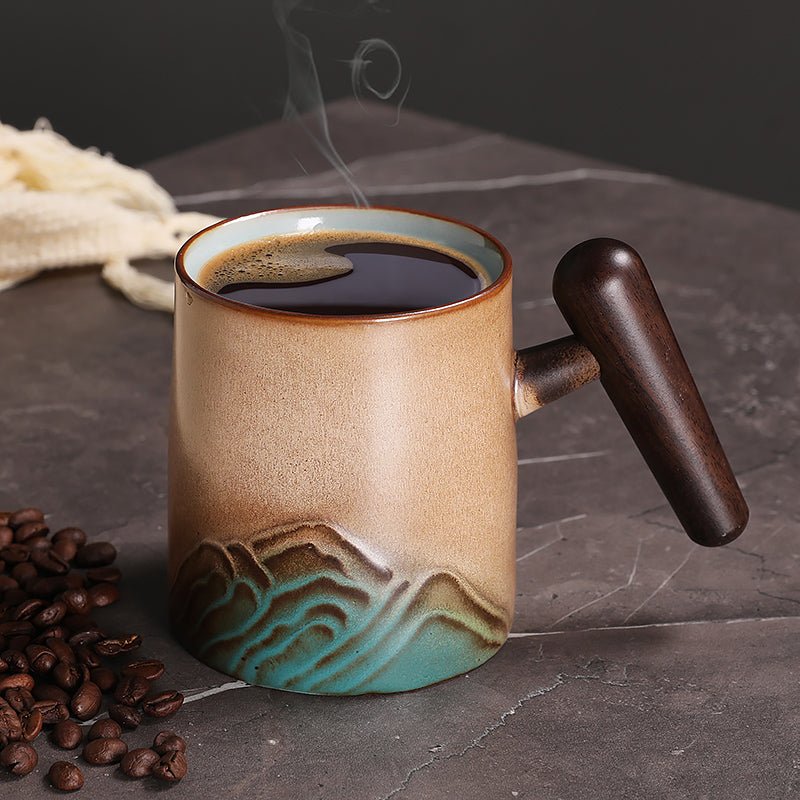
Cracker Barrel Coffee Mugs: What to Check Before You Buy
A Cracker Barrel-style mug can look right on the shelf and still feel wrong at the table. We break down size, handle comfort, care, and the trade-offs that matter before you buy.
Per saperne di più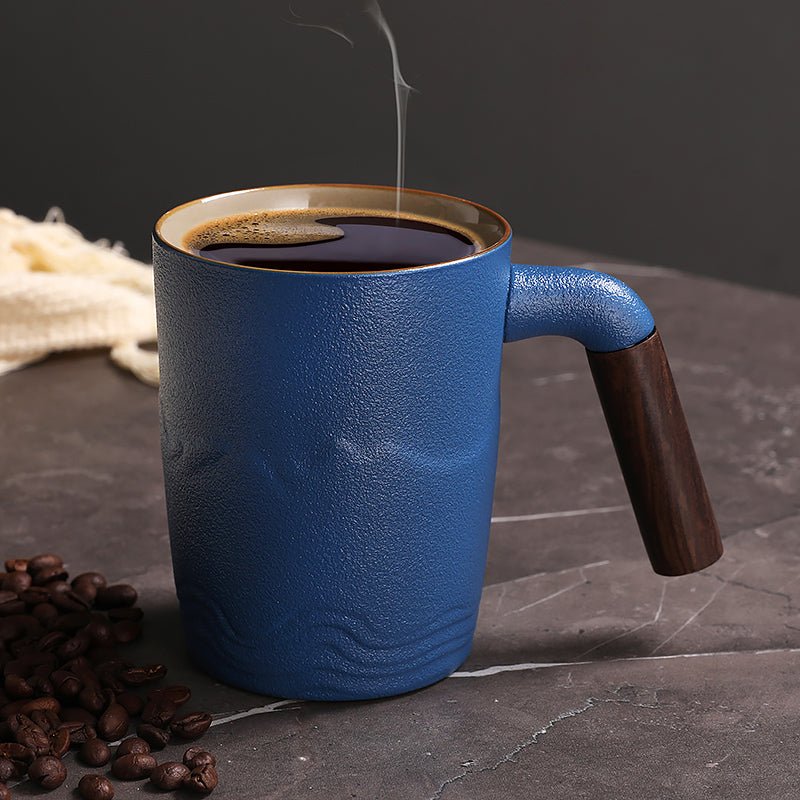
Latte Art Cup Buying Guide for Shape, Size, and Material
A practical latte art cup guide based on what we check in our own store: opening width, wall thickness, material, and the small defects that can make a pour look messy.
Per saperne di più
Commenta
Questo sito è protetto da hCaptcha e applica le Norme sulla privacy e i Termini di servizio di hCaptcha.