
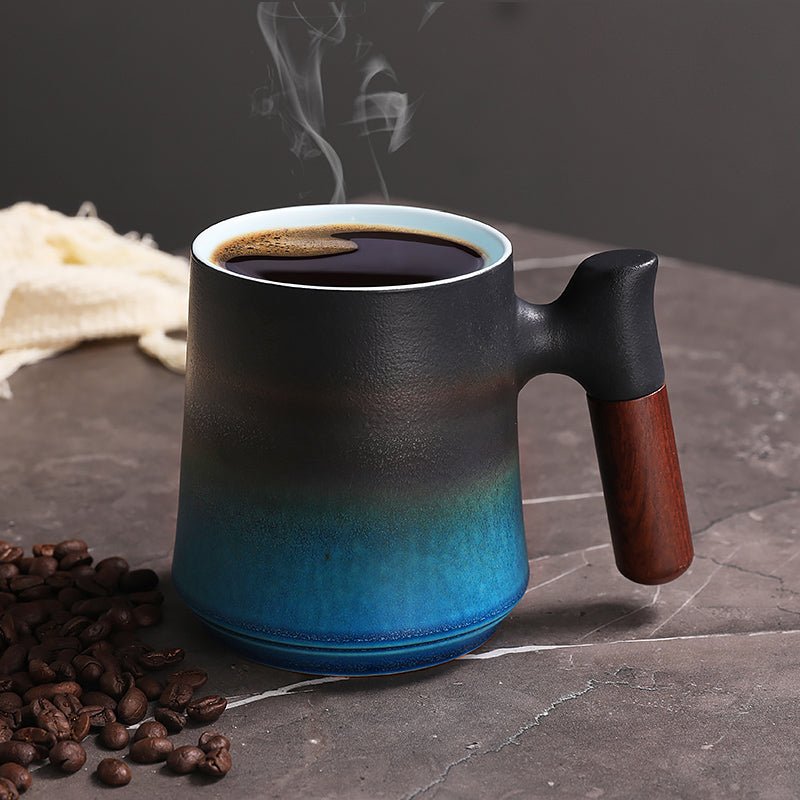
Handmade Coffee Mug Buying Guide: Materials, Fit, and Real-World Use
Reading time: about 9 minutes
A mug that looks beautiful on a product page can still be awkward at the kitchen sink, too small for a real pour, or uncomfortable once it is full. We see that mismatch a lot in our store: shoppers want a handmade coffee mug that feels personal, but they also want a cup they can use every morning without babying it.
That is the balance this guide is about. We sell drinkware for real counters, office desks, and gift boxes, so we pay attention to the parts buyers actually feel: the handle, the lip, the base stability, the glaze, and whether the mug still feels easy to wash after a few dishwasher cycles. If you want to compare shapes first, you can browse our full collection and then come back to the details that matter most.
What makes a handmade coffee mug different from a standard mug?
A handmade coffee mug usually stands out in the small details, not just the look. The rim may feel a little softer, the body may have subtle variation, and the handle shape often gives it more character than a mass-stamped mug. That variation is part of the appeal. It is also the reason buyers should check fit and finish before they buy.
In practical terms, handmade-style mugs are often judged by a few concrete points:
- Rim comfort: A smoother lip tends to feel better with hot coffee and tea, especially if you sip slowly.
- Handle clearance: A handle that leaves enough room for adult fingers is not a small detail. It decides whether the mug feels secure when full.
- Base balance: A flat, stable base matters on a crowded desk or a narrow kitchen shelf.
- Glaze and finish: Glossy glazes usually wipe clean more easily, while textured finishes can show the handmade character more clearly but may need a little more care.
That is why we always tell shoppers to think beyond the photo. A mug that looks sculptural may be better as a display piece. A mug that feels slightly simpler may be the one you actually reach for every day.
Which handmade coffee mug shape fits your routine best?
Shape changes how a mug behaves in real use. Some buyers want a wide cup for lattes or tea. Others want a compact mug that fits under a machine or sits well beside a laptop. We have seen plenty of people choose the most distinctive silhouette first, then later realize they should have checked the handle size or the way the mug sits in the hand.
Here are the main trade-offs we see:
| Shape | Best for | Trade-off |
|---|---|---|
| Rounded everyday mug | Most coffee drinkers, easy gripping, casual gifting | Less visually distinctive |
| Sculpted or geometric mug | Buyers who want a statement piece on a desk or shelf | Can feel less familiar in hand if the sides are more angular |
| Novelty-inspired mug | Gifts and conversation pieces | May be less efficient for stacking and daily cabinet storage |
If you want to see examples of more expressive forms, the Planet Coffee Tea Mug is a good reference point. For a more geometric profile, compare it with the Rhombus Coffee Tea Mug. And if you want a mug that is more likely to stand out as a gift, the Handbag Coffee Tea Mug shows how far a handmade coffee mug can go into statement-piece territory.
The honest trade-off: the more unusual the shape, the more you should think about where it will live. A novelty shape is not the best pick for tight mug trees, crowded dishwasher racks, or people who prefer a simple stackable cup.
What size should you choose for daily coffee or tea?
Size is one of the easiest things to overlook and one of the easiest ways to end up disappointed. A mug that looks generous in the photo might still feel small if you drink a full morning coffee, add milk, or prefer tea with room left at the top. If you want to think through capacity more carefully, our 10 oz coffee mug size guide and 11 oz mug guide are useful comparisons.
Our team usually suggests buyers check these three things before choosing a handmade coffee mug size:
- Your actual pour: Do you drink espresso-based drinks, drip coffee, tea, or a larger milk-heavy drink?
- How full you like a mug: Some people want space at the top to avoid splashing. Others want a fuller cup.
- Where the mug will be used: A desk mug that gets moved around a lot may feel better slightly smaller and lighter.
Here is the practical version we use in our store: if you are buying for a gift and do not know the recipient’s routine, a mid-size mug is usually the safer choice than an oversized statement piece. Oversized mugs can be great for long tea sessions or bigger coffee pours, but they are not ideal for everyone. A smaller mug can be better for quick drinks, but it may frustrate people who refill often.
If you are comparing capacities directly, our 12 ounce coffee mug guide and 12 oz coffee mug guide are helpful if you want a slightly roomier everyday option.
What materials and finishes should you check before buying?
Most handmade coffee mug shoppers are looking at ceramic or stoneware-style pieces, and that is where material details matter. A mug’s material affects weight, heat retention, surface feel, and how it behaves in the dishwasher. We do not recommend buying purely by appearance if you plan to use the mug daily.
Check these details closely:
- Body material: Ceramic and stoneware are common for handmade-style mugs because they feel sturdy and hold heat reasonably well.
- Glaze type: A smooth glaze is usually easier to rinse after coffee or tea stains. Matte or textured finishes can look distinctive but may show marks differently.
- Wall thickness: Thicker walls often feel solid and keep heat in longer, but they can make the mug heavier in the hand.
- Rim and handle finish: Those are the spots people feel first. A sharp rim or rough handle edge is a real comfort issue, not a minor flaw.
We also tell buyers to think about common defect modes they may see in this category: uneven glaze pooling, tiny pinholes, a handle that feels too narrow, or a base that does not sit perfectly flat. Those issues are not always dramatic, but they can affect daily use. A handmade coffee mug should still pour, hold, and rest safely on a table without wobble.
In our experience, the best handmade mug is not the most decorated one. It is the mug you can lift with one hand, rinse without fuss, and trust on a busy morning.
How should you care for a handmade coffee mug so it lasts?
Good care starts with how you use it, not just how you wash it. A handmade coffee mug can last a long time with normal kitchen routines, but rough treatment adds up. Strong thermal shock is one of the biggest risks: do not move a very hot mug straight into cold water. That kind of temperature change can stress ceramic pieces over time.
We also suggest a simple care routine:
- Wash after use so coffee oils and tea stains do not sit overnight.
- If the finish is textured or matte, rinse sooner rather than later to keep residue from settling in.
- Use the dishwasher only if the product care guidance allows it; handwashing is the safer default for decorative handmade-style pieces.
- Avoid metal scouring pads, which can dull the glaze and leave visible marks.
For shoppers comparing size and daily use, a mug that is easy to clean is often the better buy than a more elaborate piece that needs extra attention. That is one reason a straightforward shape can be the more practical choice for office desks, shared kitchens, and gifting.
Which handmade coffee mug is best for gifting, desk use, or everyday coffee?
The right choice depends on where the mug will live. We see three common buying situations, and each one points to a different kind of mug.
If it is a gift
Choose a mug with a distinctive silhouette and an easy-to-understand purpose. A gift should feel memorable without being difficult to use. The Handbag Coffee Tea Mug is a stronger gift pick if the recipient likes playful, conversation-starting pieces.
If it is for an office desk
Choose a mug that is stable, easy to grip, and not too large for a cluttered desk. A geometric mug can look sharp on a work surface, but only if the handle feels secure and the base is steady. In a shared office kitchen, a mug that rinses clean quickly is usually more appreciated than one with a lot of texture.
If it is for daily home use
Choose the mug that disappears into your routine. That means a comfortable handle, a size that matches your actual drink, and a finish you will not mind washing every day. If you need a side-by-side comparison of fit and everyday use, our handmade coffee mug buying guide covers the checks we use before we add a mug to the store.
What should you compare before you click buy?
Before you commit to a handmade coffee mug, compare the practical details, not just the style. We recommend checking these points in order:
- Shape: Does the mug suit your hand and your table space?
- Capacity: Will it fit your real drink, with room for milk or foam if needed?
- Handle: Is it large enough for a comfortable grip?
- Finish: Do you want easy-wipe gloss or a more tactile look?
- Care: Are you fine handwashing if needed?
- Use case: Gift, daily coffee, tea, or display?
This is where our store’s range is helpful. If you want something more classic, more sculptural, or more playful, start with the full collection and compare the product photos against the way you actually drink coffee at home or at work.
Frequently asked questions
Is a handmade coffee mug good for everyday use?
Yes, if the shape is comfortable and the finish is easy to care for. For daily use, we would prioritize a stable base, a comfortable handle, and a glaze that cleans without much effort. If the mug is more decorative than practical, it may be better as a gift or display piece.
Are handmade coffee mugs dishwasher safe?
Some are, but not all. We recommend checking the care guidance for the specific mug before assuming it can handle repeated dishwasher cycles. If you want the safest routine for a decorative mug, handwashing is usually the gentler choice.
What size handmade coffee mug should I buy?
Choose based on what you actually drink. Smaller capacities suit straight coffee or tea, while a roomier mug is better if you add milk or want more volume. If you are unsure, a mid-size mug is usually the least risky choice for gifting.
Do handmade coffee mugs have to be perfect to be worth buying?
No. Small variation is part of what makes handmade-style drinkware appealing. What matters is whether the mug feels balanced, the handle is usable, and the finish is sound enough for real kitchen use. Slight variation is fine; structural problems are not.
Which handmade coffee mug is best if I want something different but still practical?
Look for a mug with a distinctive shape that still has a comfortable grip and a stable base. A sculptural mug can be practical if the handle is sized well and the cup sits flat. If you want something more expressive, compare our Planet, Rhombus, and Handbag mugs side by side before choosing.
If you are ready to compare styles, start with the full collection, then narrow it down by shape, size, and how you actually use your mugs at home or at work. That is the fastest way to find a handmade coffee mug you will keep reaching for.
Read more
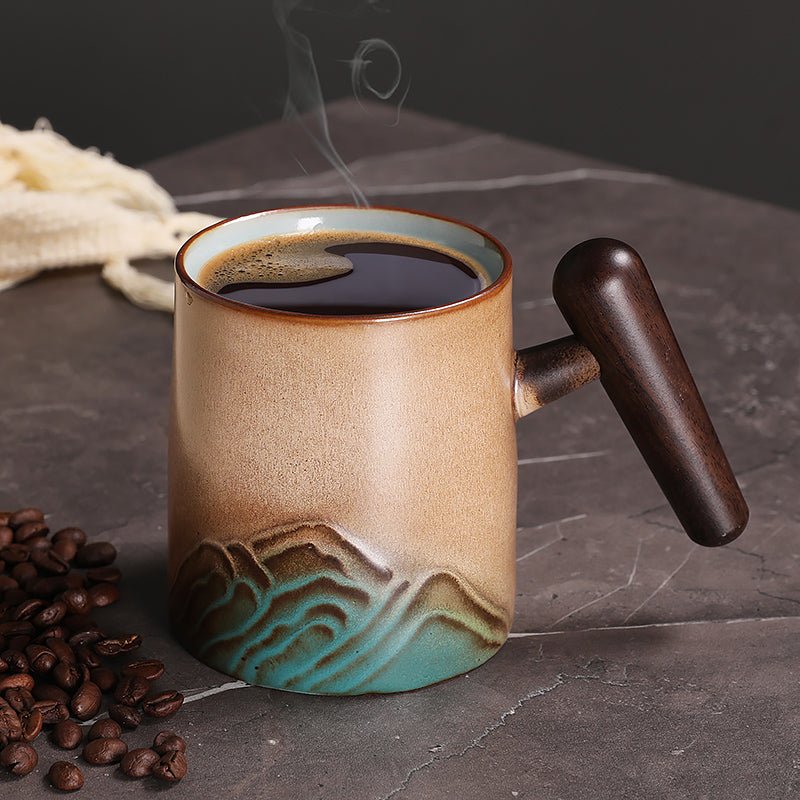
Bones Coffee Mugs: What to Check Before You Buy
Bones coffee mugs need to look good, feel comfortable, and hold up to real use. We break down size, shape, care, and which CoffeifyMug options are worth comparing first.
Per saperne di più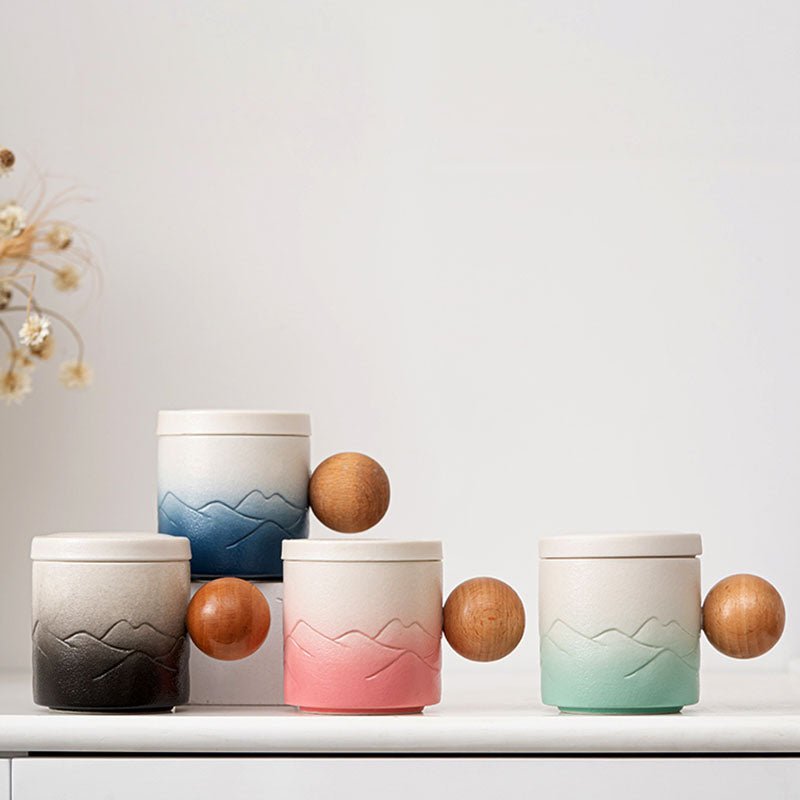
Espresso Coffee Mug Sets for Daily Use, Gifts, and Small Kitchens
Compare espresso coffee mug sets by size, handle comfort, stability, and style so you do not end up with cups that look good but sip poorly. We cover the trade-offs we check in our store and point ...
Per saperne di più
Commenta
Questo sito è protetto da hCaptcha e applica le Norme sulla privacy e i Termini di servizio di hCaptcha.