
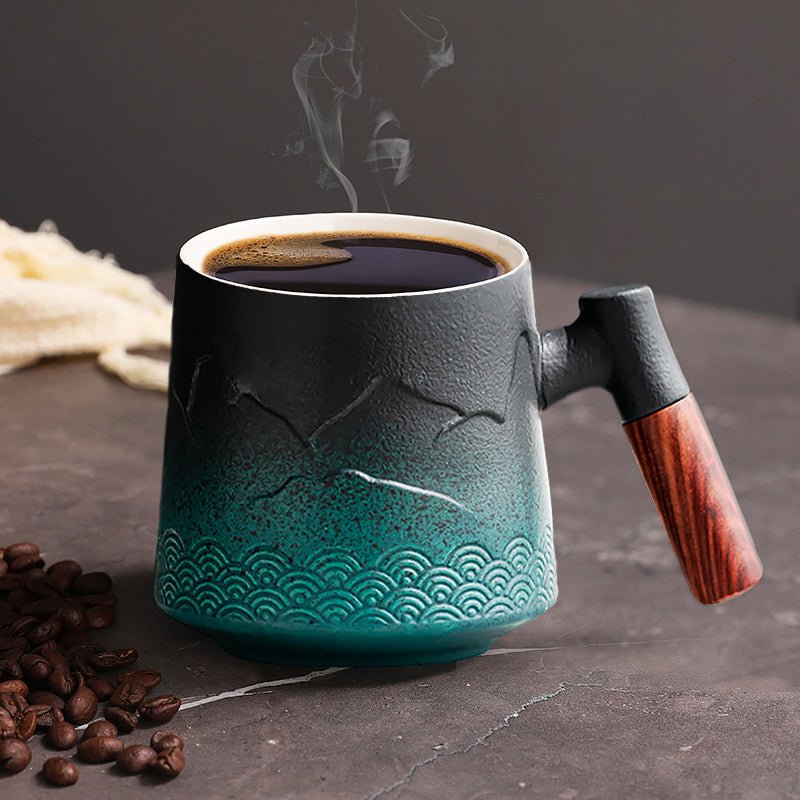
Handle Cup Buying Guide: What Matters Before You Buy
Reading time: about 9 minutes
A handle cup sounds simple until you try to use the wrong one. The handle feels too narrow for your fingers, the cup runs too small for your morning coffee, or the wall gets hot enough that you avoid gripping it entirely.
That is the part shoppers usually only notice after the package arrives. In our store, we see the same buying pattern over and over: people start by picking a style, then realize the real decision is about how the cup feels in the hand, how it fits under a machine, and whether it survives daily washing without losing its finish.
This guide is built around those real checks. We will look at what makes a handle cup comfortable, which materials make sense for coffee or tea, where common flaws show up, and when a different style is the better buy. If you want to browse current options while you compare, start with our product selection or the full collection.
What should a handle cup feel like in your hand?
The first test is not the color or the print. It is the grip. A good handle cup should let two or three fingers pass through without forcing a tight pinch, and the cup should still feel balanced when it is full. If the handle is too thin, it can dig into the fingers. If it is too small, the mug becomes awkward the moment you lift it.
We look at three things when we handle a mug on the shelf or unpack it for photos:
- Knuckle clearance - there should be enough space between the handle and the cup wall for an adult hand to slip in comfortably.
- Balance when full - a larger mug can feel top-heavy if the handle placement is too high or too narrow.
- Edge finish - the inside and outside of the handle should feel smooth, with no sharp seam or rough glaze line.
A handle cup is best for people who drink while working, reading, or sitting at a desk. It is less useful for backpacking, where a compact camping cup usually makes more sense. If you are comparing everyday capacity choices, our 700ml Cup Buying Guide: Size, Materials, and Daily Use is a useful follow-up because it shows how larger cups change comfort and stability.
Which material is best for a handle cup?
Material changes almost everything: heat retention, weight, taste, care, and durability. There is no single best option. A handle cup that works for office coffee may be the wrong choice for camping, gift sets, or tea service.
| Material | What it does well | Trade-offs |
|---|---|---|
| Ceramic | Feels familiar, holds heat reasonably well, and usually has a comfortable weight | Can chip at the rim or at the handle joint if it is knocked into a sink or stacked carelessly |
| Porcelain | Often lighter and more refined in hand, with a clean drinking edge | Can feel more delicate and is not the best choice for rough handling |
| Stainless steel | More durable for travel or outdoor use, and often easier to clean on the go | Can change the drinking feel and may need insulation to stay comfortable in hand |
For most home shoppers, ceramic is the practical starting point. It gives the right balance of comfort, weight, and familiar use. If you prefer a mug with a more polished everyday look, our article on Coffee Cup Mug Ceramic: What Buyers Should Check Before They Buy goes deeper into glaze, finish, and where ceramic mugs fail first.
Stainless steel makes more sense when durability matters more than table-side feel. That said, a metal handle cup is not always the best choice for a quiet kitchen or a gift that should feel cozy. It can be the right tool, but not always the right mood.
What size works for coffee, tea, or desk use?
Size should match the drink, not just the volume printed on the box. Too small, and you refill constantly. Too large, and the cup cools slowly but becomes heavy enough to be annoying by the last few sips.
- For espresso-style drinks or short servings, a smaller handle cup keeps the drink warm and easier to finish before it cools.
- For drip coffee at a desk, a mid-size mug usually feels better because it holds enough for a normal break without becoming bulky.
- For tea or longer sipping sessions, a larger cup can be useful, especially if you do not want to walk back to the kettle often.
The practical question is how the cup behaves on your counter or desk. A wide mug may fit more liquid, but it can also take up more space beside a laptop, notebook, or pour-over setup. A tall mug may save surface area, which is one reason shoppers also read our Coffee Cup Tall: How to Choose the Right Tall Mug for Daily Use before buying.
There is also a tea-specific angle. If you are comparing tea mugs, the handle shape matters because tea is often sipped more slowly than coffee. For that use case, our Big Tea Cup Buying Guide: Size, Material, and Daily Use covers the real trade-off between a generous serving and a cup that stays pleasant to hold.
Which details tell you a handle cup is built well?
We inspect the same failure points customers end up noticing at home. A mug can look fine in product photos and still feel off once it is washed, stacked, or filled with hot liquid.
- Handle-to-body join - on ceramic mugs, this is the weak point. A hairline crack often starts here after repeated knocks or sudden temperature changes.
- Glaze coverage - uneven glaze can leave a rough spot on the drinking edge or inside the handle.
- Base flatness - if the base rocks on the counter, it will feel cheap every time you set it down.
- Rim consistency - a smooth rim is not just cosmetic; it affects how the first sip feels.
Dishwasher compatibility matters too, but we treat it carefully. A mug may survive the dishwasher and still wear faster if the print, decal, or finish is not designed for repeated cycles. If you want a cup for daily use, ask whether the decoration is likely to fade, whether the mug can handle normal detergent, and whether the handle stays comfortable after repeated washing.
Our rule of thumb: a handle cup should feel better after a week of use, not worse. If the handle, rim, or weight already bothers you in the first minute, it usually keeps bothering you.
Is a handle cup the right choice for your routine?
A handle cup is a strong choice for home kitchens, office desks, and gift buying. It is not the best pick for every situation.
Choose a handle cup if you want:
- An easy grip for hot coffee, tea, or cocoa
- A mug that feels stable on a desk or countertop
- A familiar everyday shape that works for most people
- A gift that is simple to understand and easy to use
Skip it if you need:
- A travel cup that fits in a car cupholder
- A lightweight option for hiking or camping
- A very compact cup for espresso shots
- A lidded insulated vessel for long commutes
That is why we do not treat handle cups as a universal answer. For some shoppers, a ceramic mug is the right everyday object. For others, insulated drinkware or a travel cup will solve the actual problem better. If you are buying a seasonal gift, our Autumn Coffee Mugs: How to Choose the Right Cup for Cozy Season is a good companion piece because comfort and presentation matter more in gift purchases than raw capacity.
How do we compare handle cups before we put them in the store?
We compare them the same way a shopper would use them: on a counter, at a desk, and after a normal wash cycle. The point is not to find the most ornate mug. It is to find the one that keeps working without becoming annoying.
- Hold it empty and full - the empty mug should not feel awkward, and the filled mug should still be easy to control.
- Check the handle opening - if the hand barely fits, the mug may look fine but feel cramped in daily use.
- Look for finish consistency - chips, rough edges, and uneven glaze are early warning signs.
- Think about where it will live - a kitchen mug has different needs than an office mug that gets used all day.
- Match the material to the use - ceramic for comfort, stainless steel for toughness, lighter materials when weight matters.
If you are still choosing between similar options, start with the use case instead of the style. A plain, well-built cup often beats a decorative one that is awkward in the hand. That is especially true if the mug will be used every day rather than displayed on a shelf.
What should you check before you buy one online?
Online photos do not always show the details that matter. Before you place an order, read the product page like someone who actually plans to use the cup every morning.
- Capacity - make sure the size matches your usual drink, not just the photo.
- Material - ceramic, porcelain, and steel each behave differently in hand and in the dishwasher.
- Care instructions - hand wash only is fine if you are willing to do it, but it is not the same as a dishwasher-safe mug.
- Handle shape - confirm that the handle looks large enough for your grip style.
- Use case - decide whether this is for home, office, gifting, or occasional travel.
If you want a broader browse across styles, sizes, and finishes, our collection is the cleanest place to compare options side by side. If you already know you want a handle cup for daily coffee, start there and narrow by material and size first.
Frequently asked questions
What size handle cup is best for everyday coffee?
For most people, a mid-size handle cup is the safest choice because it holds enough coffee for a normal break without feeling heavy. If you drink slowly at a desk, choose a size that stays comfortable when full, not just one that looks generous in photos.
Are ceramic handle cups dishwasher safe?
Some are, but not all. The cup, glaze, and decoration all matter, so check the product care notes instead of assuming. If a printed design is involved, repeated dishwasher cycles can wear the finish faster even when the ceramic itself holds up.
What is the main downside of a handle cup?
The biggest downside is bulk. A handle adds comfort, but it also makes the cup wider and less packable than a handleless cup or travel tumbler. If you need something compact for a bag or car, a different style is usually a better fit.
How do I know if the handle will be comfortable?
Look for enough finger clearance and a handle that feels balanced with the cup body. If the handle looks narrow, sharply angled, or too close to the mug wall, it may be uncomfortable once the cup is full and hot.
Is a handle cup a good gift?
Yes, if you want something practical and easy to understand. It is a stronger gift choice when the design is simple, the size is usable, and the mug feels solid in hand. For seasonal gifting ideas, our blog coverage on cozy drinkware and gift sets can help narrow the style.
If you are ready to narrow your choice, compare handle width, capacity, material, and care instructions side by side, then browse the current products or the full collection to pick the mug that fits your daily routine.
More from our blog
Read more
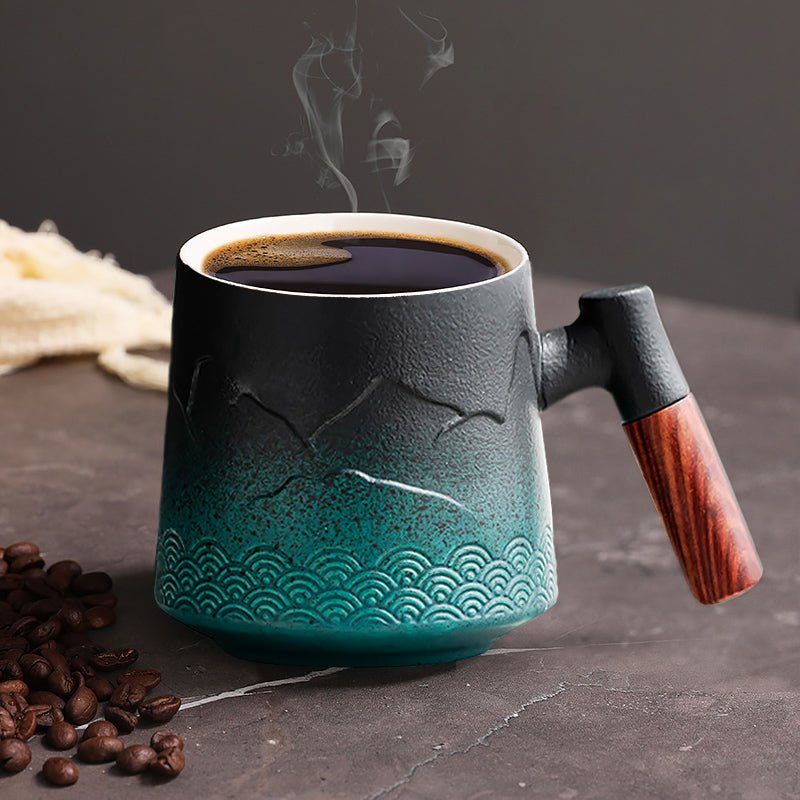
Mug Wood Buying Guide: Materials, Care, and What to Check
A practical guide to mug wood for shoppers comparing real trade-offs: feel, care, durability, and where wood works best. We also cover what to check before buying so you pick the right style for da...
Per saperne di più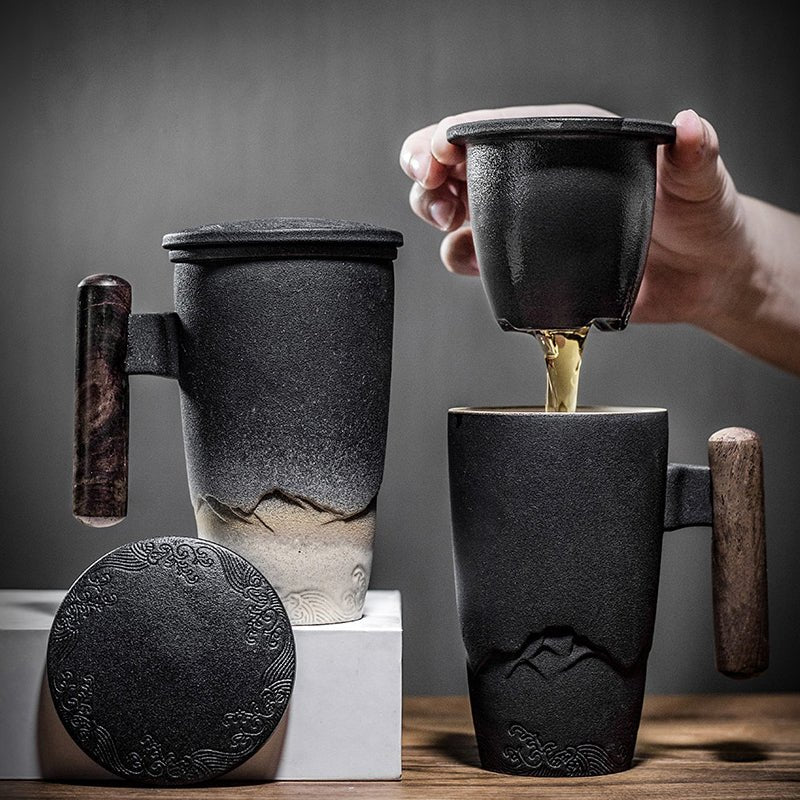
Latte Art Cup: How to Choose the Right Shape, Size, and Material
A latte art cup needs the right balance of shape, heat retention, and pour control, not just a pretty look. Here’s how we evaluate the details that matter in real use.
Per saperne di più
Commenta
Questo sito è protetto da hCaptcha e applica le Norme sulla privacy e i Termini di servizio di hCaptcha.