
Green Tea Mug Comparison: 170 ml, 200 ml, or 270 ml?
Reading time: about 8 minutes
A 170 ml cup and a 270 ml mug create very different tea routines on the same kitchen counter. One encourages a short pour and an intentional refill; the other holds 100 ml more and suits a longer stretch at a desk or table. That practical difference is the starting point for this green tea mug comparison.
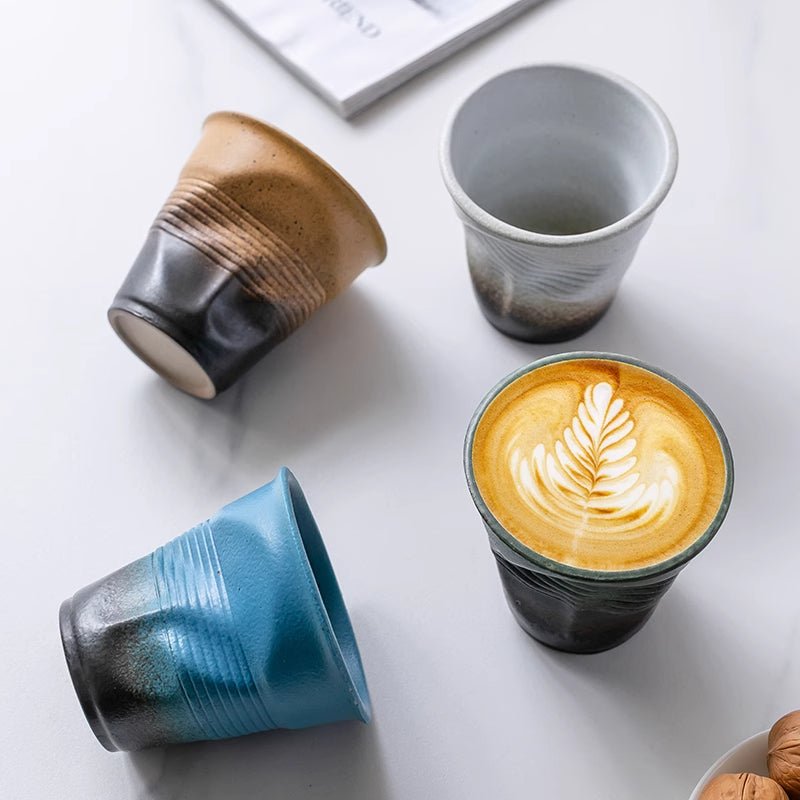
In our store, we see shoppers get more useful answers by matching a mug to how they actually pour and refill, rather than choosing by appearance alone. The current CoffeifyMug options cover three clear positions: the Retro at 170 ml, the Pleated at 200 ml, and the Emerald at 270 ml. We will compare only the listed capacities, visible shapes, and refill preferences supported by the current catalog.
Green tea mug comparison: what changes from 170 ml to 270 ml?
| Current option | Listed capacity | Visible design cue | Best routine match | Main trade-off |
|---|---|---|---|---|
| Retro Coffee Tea Cup | 170 ml | Compact retro-style cup profile | Short, measured servings with planned refills | Least suitable for shoppers who dislike getting up for another pour |
| Pleated Coffee Tea Cup | 200 ml | Visible pleated exterior | A middle-size serving without moving to the largest mug | Only 30 ml above the Retro, so it is still a relatively compact choice |
| Emerald Coffee Tea Mug | 270 ml | Larger mug silhouette with an emerald visual identity | Longer desk, reading, or table sessions with fewer refills | Not the best fit for someone who prefers small pours every time |
The jumps are concrete: the Pleated adds 30 ml over the Retro, while the Emerald adds 70 ml over the Pleated and 100 ml over the Retro. Those differences matter most when repeated across a daily routine. A shopper making several small pours may appreciate the compact options; someone carrying tea from the kitchen to another room may value the larger listed capacity.
You can also browse the broader unique coffee mugs collection if none of these three capacity and shape combinations matches your routine.
Is the 170 ml Retro cup right for short tea pauses?
The Retro is the clearest match for a shopper who already prefers modest servings. At 170 ml, it has the smallest listed capacity in this comparison. We would place it beside a teapot during a focused morning break, an after-lunch pause, or a tasting-style routine where returning for another pour is part of the experience.
Its compact profile also gives it a visibly different role from the 270 ml Emerald. On an open shelf, serving tray, or gift table, the Retro reads as a smaller cup rather than a large all-session mug. That can be the point. Some buyers do not want every tea vessel to look or feel oversized.
The limitation is equally clear: 170 ml is not a good choice for someone who fills a mug once, walks to a home office, and expects that serving to last through a long meeting. The Retro asks for more frequent refilling than the two larger options. Choose it because you like that rhythm, not because you hope the listed capacity will behave like a full-size desk mug.
Does the 200 ml Pleated cup offer the most balanced serving?
The Pleated sits between the other two options at 200 ml. That makes it useful for a buyer who considers 170 ml a little restrictive but does not want to jump to 270 ml. The difference from the Retro is only 30 ml, so shoppers should keep expectations realistic: this is a modest step up, not a dramatic increase.
Its visible pleated exterior is the stronger point of distinction. We often find that shape detail matters when a cup will stay in view on a kitchen shelf, open tea station, or office desk. The Pleated offers more surface pattern than the simpler compact profile of the Retro, while retaining the middle capacity position.
This option fits routines such as:
- A measured morning pour followed by one later refill.
- A tea break that feels too short with 170 ml but does not require 270 ml.
- A gift choice for someone who likes visible texture and medium-size cups.
- A mixed drinkware shelf where a pleated silhouette adds contrast.
The Pleated is not automatically the universal middle-ground winner. If refill frequency is your main concern, the 270 ml Emerald has a meaningful 70 ml advantage. If you deliberately use small servings, the extra 30 ml over the Retro may not justify changing from the more compact option.
When does the 270 ml Emerald mug make more sense?
The Emerald is the largest current option in this set at 270 ml. Its most natural buyer is someone who wants to make one pour and stay seated longer. Think of tea carried from the kitchen to an office desk, a reading chair, or a dining table where the teapot is not within reach.
Compared with the Retro, the additional 100 ml is large enough to influence the routine rather than merely adjust it. The Emerald also presents a larger mug silhouette, so it makes a stronger visual statement than the two compact cups. Buyers who want their drinkware to have noticeable color and presence may prefer that direction.
There is a trade-off. A larger listed capacity does not make the Emerald better for every green tea drinker, and it does not establish any brewing advantage. If you enjoy short pours, frequent resets, or a smaller vessel beside a teapot, 270 ml may be more than you want for each serving.
How should visible shape affect the decision?
Capacity determines how much each option is listed to hold, but shape affects how it fits into the rest of your drinkware. In our experience, shoppers are happier when they consider where the cup will actually appear: beside a kettle, on an office desk, in an open cabinet, or inside a gift box.
- Choose Retro for a compact visual. Its smaller 170 ml format suits a tea setup built around short pours.
- Choose Pleated for surface detail. The pleated body is the most obvious shape feature among these options.
- Choose Emerald for a larger mug presence. Its 270 ml capacity and larger silhouette make it the strongest option for a conventional extended mug session.
For gifting, do not assume that bigger is always more generous. A recipient who deliberately collects small cups may prefer the Retro, while someone who takes tea into another room may get more daily use from the Emerald. Our coffee mug gift idea comparison explores this routine-first approach in more detail.
Which refill pattern matches your actual day?
The most reliable way to choose is to picture the distance between your seat and the next pour. Refill preference is more useful here than broad labels such as casual or serious tea drinker.
- Teapot stays on the table: The 170 ml Retro makes sense if several small pours are easy and expected.
- One main serving plus a possible refill: The 200 ml Pleated occupies the practical middle position.
- Tea travels to another room: The 270 ml Emerald reduces refill pressure with the largest listed capacity of the three.
- You alternate between drinks: Compare these same capacities in our 170 ml, 200 ml, and 270 ml cappuccino mug comparison before choosing a cup expected to serve more than one routine.
Remember that listed capacity is a comparison figure, not a requirement to fill a vessel to its edge. Your normal pour may leave room below the rim. What matters is using the same expectation across all three options so the size comparison remains meaningful.
What does this comparison not claim?
This article does not rank the mugs by tea origin, authenticity, heat retention, extraction, or brewing performance. Capacity and visible shape alone cannot support those claims. It also does not assign unlisted care guarantees or assume that every option follows the same cleaning instructions.
Check the live product page before ordering for the current product description and any available care guidance. If your priority is an integrated loose-leaf setup or a substantially larger vessel, these three options may not address that need. The loose leaf tea mug comparison of 250 ml, 390 ml, and 400 ml options covers a different capacity range that may suit you better.
Frequently asked questions
Which size wins this green tea mug comparison for fewer refills?
The 270 ml Emerald has the largest listed capacity, so it is the clearest choice for a shopper prioritizing fewer refills. That does not make it better for small-pour routines, where the 170 ml Retro may be the more deliberate fit.
Is a 170 ml green tea cup too small for daily use?
Not if you prefer short servings or keep a teapot within reach. It is less suitable for long office sessions, meetings, or reading periods where you do not want to return to the kitchen.
How much larger is the Emerald mug than the Retro cup?
The Emerald is listed at 270 ml and the Retro at 170 ml, a difference of 100 ml. That is the widest capacity gap among the three current options.
Does the 270 ml mug brew green tea better than the smaller cups?
No brewing-performance conclusion can be drawn from capacity alone. Choose the 270 ml option for its larger serving size and refill pattern, not because size proves better brewing.
Can these cups go in a dishwasher?
Do not assume a care method from the mug name or appearance. Review the current care information on the individual product page before using a dishwasher or selecting any cleaning cycle.
Use this three-point check before ordering
Make the decision with three concrete questions: Do you want 170 ml, 200 ml, or 270 ml per listed serving? Do you prefer the compact Retro profile, the Pleated exterior, or the larger Emerald mug silhouette? Finally, is refilling part of your tea ritual or an interruption you want to reduce?
Choose the 170 ml Retro for small pours, the 200 ml Pleated for a modest capacity increase with visible texture, or the 270 ml Emerald for the longest serving in this comparison. If none matches all three answers, return to the current mug collection and compare alternatives against the same capacity, shape, and refill checklist.
Read more
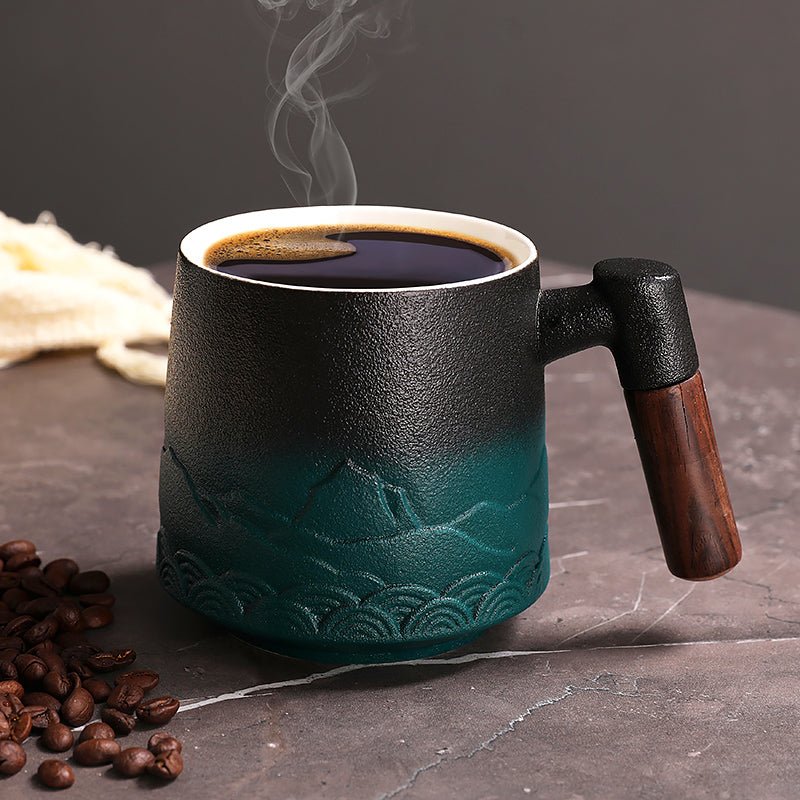
Coffee Mug Gift Ideas for Him Comparison: 3 Current Options
Compare Mountain Sea, The Rock, and Elk and Moon mugs by visual style, daily routine, storage needs, and gifting risk. This practical guide also explains which details to verify before ordering.
Per saperne di più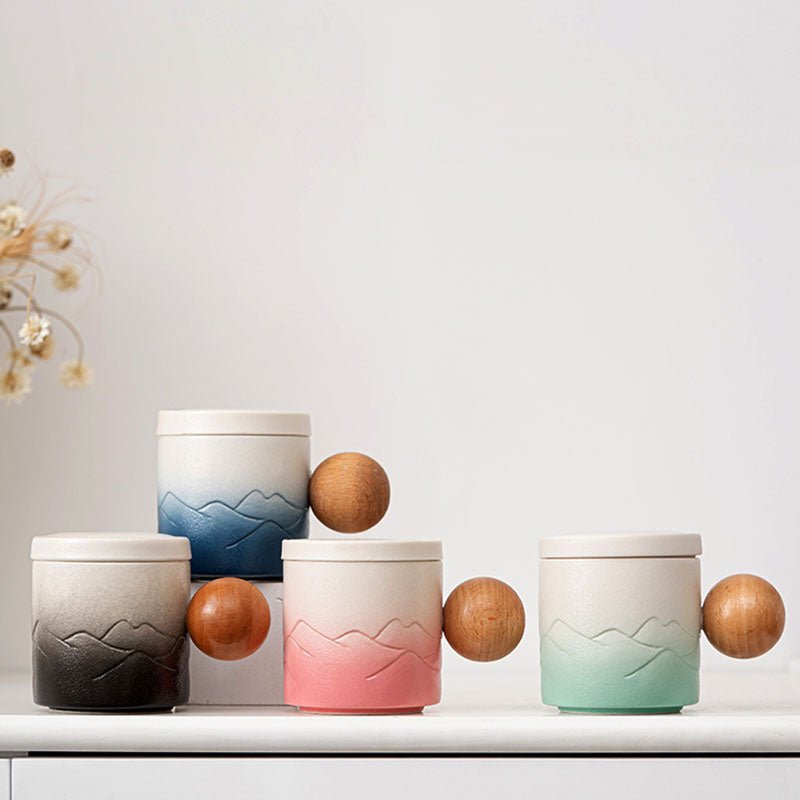
Cacao Cup Comparison: 250 ml, 390 ml, or 400 ml?
Compare CoffeifyMug's current 250 ml, 390 ml, and 400 ml options by serving size, visible opening, desk use, cleanup, and everyday routine.
Per saperne di più
Commenta
Questo sito è protetto da hCaptcha e applica le Norme sulla privacy e i Termini di servizio di hCaptcha.