
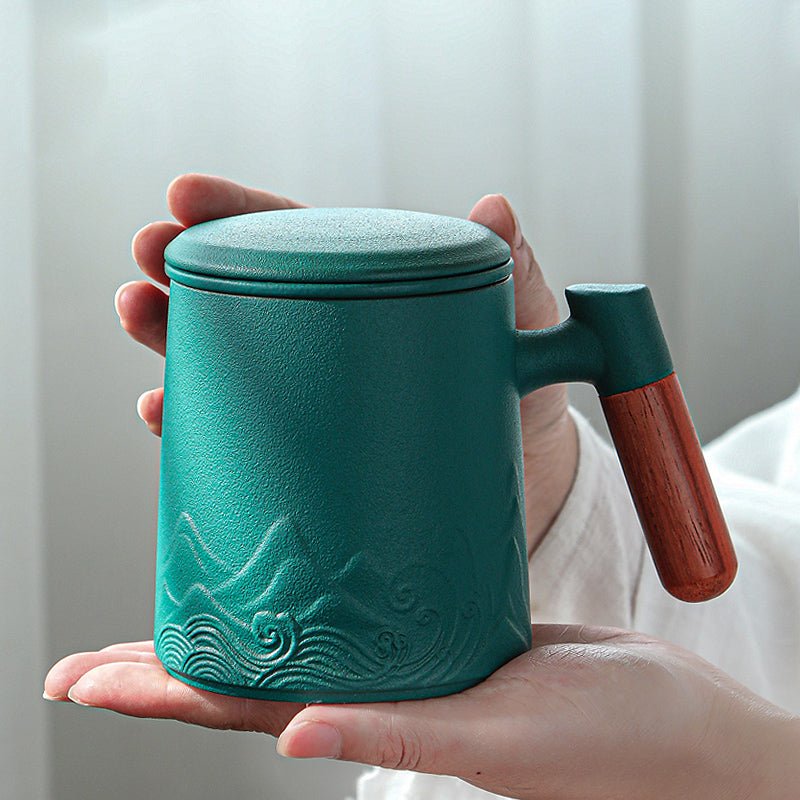
Green Coffee Mugs: How to Choose Shade, Size, and Finish
Reading time: about 8 minutes
A green mug changes the feel of a shelf fast. On a white counter, even a simple cup can look deliberate; on a desk full of cables and papers, it can make the setup feel calmer and more finished. In our store, we see buyers reach for green coffee mugs when they want something that looks better than plain white but still works for everyday use.
If you want a ready-made option, our Green Waves Coffee Tea Mug is a straightforward place to start. If you want to compare more shapes and colors first, the broader all mugs collection is the better browse point. We also break down shade and sizing in our Green Coffee Mugs: How to Choose the Right Size, Finish, and Shade guide.
Why do green coffee mugs stand out on a real kitchen counter?
Green works because it sits between neutral and decorative. Sage reads soft and quiet. Forest green feels richer and more grounded. A speckled glaze can make a mug look handmade without looking messy. That matters if the mug stays out on the counter all day instead of disappearing into a cabinet after breakfast.
We also see green perform well in mixed-use spaces. In an office kitchen, it is easier to identify your mug at a glance. At home, it can tie together wood, brass, black appliances, or even plain white dishware without demanding the whole room match it.
There is a trade-off. A bold green glaze can show fingerprints, dust, or water spots more than a matte white mug would. If you want something truly invisible on the shelf, green is not the best choice. If you want a mug that feels intentional every time you reach for it, it usually does the job better than a basic colorless cup.
Which shade of green should you pick?
Shade matters more than most people expect. The same mug shape can read completely differently in sage, olive, or deep green. We suggest choosing the shade based on where the mug will live, not just what looks good in a product photo.
| Shade | Best for | What to watch for |
|---|---|---|
| Sage | Light, calm kitchens and desks | Can look flat if the glaze has no depth |
| Olive | Warm, earthy setups with wood or stone | May read brownish under warm lighting |
| Forest | More contrast, a richer table setting | Shows dust and fingerprints more easily |
| Speckled green | Gift buying and rustic kitchens | Pattern should look even, not blotchy |
Finish matters as much as color. Glossy glaze tends to wipe clean faster and gives the mug a sharper look. Matte finish feels quieter in the hand, but it can show tea residue or rubbing marks more quickly. If you want a deeper comparison of shade versus finish, our shade and finish guide goes into the practical differences we use when we review mugs for the store.
What size works for your daily brew?
Size is where a lot of buyers overbuy. A huge mug feels nice on day one, then becomes annoying when you want a hot cup that stays hot. A smaller mug can be the opposite problem: you refill it too often.
For most drip coffee drinkers, 12 oz is the cleanest everyday size. It leaves enough room for coffee and a little milk without feeling oversized. If you like larger pours, tea, or a long morning drink, 14 oz or 16 oz is usually the more comfortable range. 20 oz is better for big servings or iced drinks, but it is heavier on the wrist and takes more cabinet space.
- 12 oz: Best for a standard cup of drip coffee and smaller hands.
- 14 oz: A middle ground if you want one mug for coffee and tea.
- 16 oz: Better for larger pours, lattes, or desk use.
- 20 oz: Useful for big drinks, but often too bulky for quick daily use.
If you want a deeper size-only comparison, our 12 oz Coffee Mugs: How to Choose the Right Mug for Daily Use and 16 oz Coffee Mugs: How to Choose the Right Mug for Daily Use articles cover the trade-offs we see most often.
Which material and finish hold up best?
For everyday green coffee mugs, ceramic and stoneware are the most common choices. They hold heat well enough for a normal coffee break, and they usually feel substantial in the hand without being fragile in the way thin glass can be. Stoneware tends to feel heavier and more rustic. Porcelain usually feels lighter and more refined.
What we check in our store is simple: the rim should feel smooth on the lip, the handle should clear your knuckles, and the base should sit flat without rocking. Those details matter more than a pretty photo. A mug can look great online and still feel awkward if the handle is too tight or the foot ring is rough.
Finish changes daily use too:
- Glossy glaze: Easier to wipe, usually better for busy kitchens.
- Matte glaze: Softer look, but it may show rub marks or residue sooner.
- Textured glaze: Interesting by eye, but it should still feel smooth where your lips touch the rim.
For care, we always tell buyers to check the listing instead of assuming. If a mug is marked dishwasher safe, that is convenient for weekday use, but a top-rack cycle is still the gentler habit. If you hand-wash, use a soft sponge and do not scrub the foot ring hard, because that is where glaze wear shows up first.
What should you check before you buy?
We look for a few things every time we inspect a mug for sale. These are small details, but they separate a mug you keep from one you regret after the second wash.
- Handle clearance: Make sure two or three fingers fit comfortably without scraping the mug body.
- Base stability: Set it on a flat counter and check for wobble.
- Glaze consistency: Look for pinholes, pooling, or dull patches that break up the finish.
- Rim smoothness: The lip should not feel sharp or uneven.
- Cabinet fit: If your shelves are tight, a tall 16 oz mug may be more annoying than useful.
- Use case: Decide if this is a desk mug, breakfast mug, or gift mug before you buy.
Common defect modes are usually easy to spot if you slow down. A tiny glaze pinhole may be cosmetic, but a rocking base or rough handle seam is a real usability problem. Crazing, which looks like fine lines in the glaze, is another thing to watch over time, especially if the mug goes through frequent dishwasher cycles. None of this means a mug is bad by default, but it does mean you should inspect it with a practical eye.
Are green coffee mugs a good gift?
Yes, with the right recipient. Green is a safe color when you want something more personal than white but not so loud that it fights the rest of the kitchen. It works well for desk setups, morning coffee routines, and gift boxes where the mug is the main item rather than an add-on.
Green coffee mugs are not the best gift for someone who wants ultra-light drinkware, a travel mug, or a cup that keeps drinks hot for hours on a commute. Those are different products with different priorities. A ceramic mug is a better fit for home or office use, where the person can sit down and actually enjoy the drink.
If you are buying for a gift, we would narrow it down this way:
- Choose a softer green for minimal kitchens.
- Choose a darker green if you want the mug to feel more substantial.
- Choose a glossy finish if the recipient prefers easy cleaning.
- Choose a simple shape if you do not know their style well.
For shoppers who like to compare size and finish before buying, the 14 Ounce Coffee Mugs: Size, Fit, and Buying Guide article is a useful middle-ground reference, especially if you are deciding between a compact mug and a larger desk mug.
Frequently asked questions
Are green coffee mugs good for everyday use?
Yes. Green coffee mugs work well for daily use because they balance style and practicality, especially in ceramic or stoneware. The main thing to check is size: if the mug is too large for your normal pour, it will feel less convenient after the novelty wears off.
What size green coffee mug should I buy for drip coffee?
Most drip coffee drinkers are comfortable with 12 oz or 14 oz. If you add milk or want a mug that handles larger pours, 16 oz is the safer pick. Bigger is not always better if you want the drink to stay hot and the mug to stay easy to hold.
Do matte green mugs stain more than glossy ones?
They can show residue and rubbing marks more easily, even if the mug itself is fully glazed. Glossy finishes usually wipe clean faster. If you want the easiest day-to-day care, glossy is usually the more practical choice.
Are green coffee mugs good gifts?
Yes, especially for someone who uses a desk mug or enjoys a slower coffee routine at home. Green feels more considered than plain white, but it is still neutral enough to fit most kitchens. If the person wants a travel mug instead, choose a different category.
If you want the fastest next step, compare shade, size, and finish against the notes above, then start with our all mugs collection or revisit the Green Waves Coffee Tea Mug if you want a clean one-piece option.
Read more
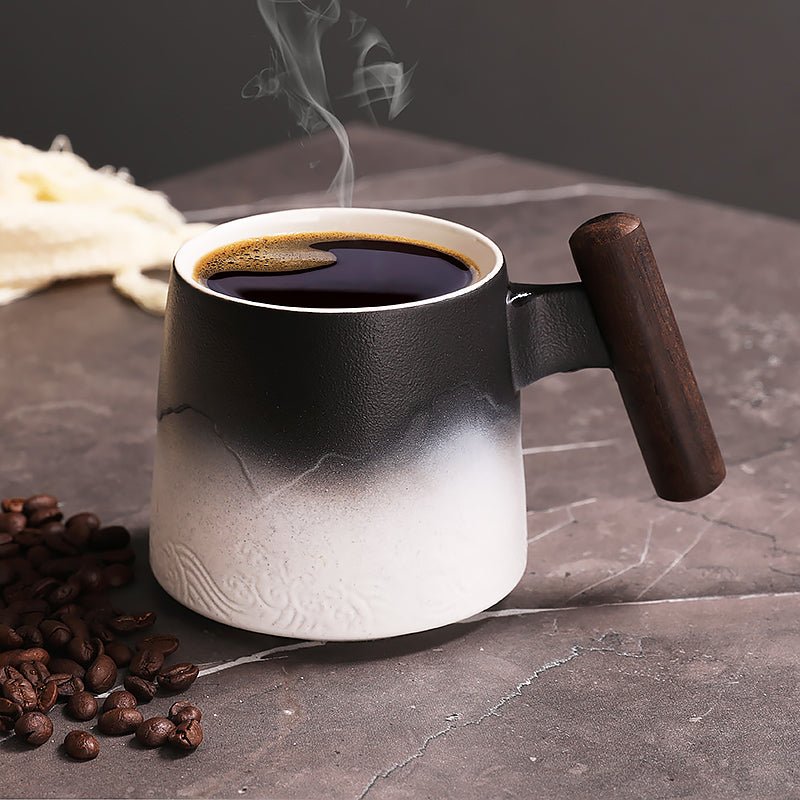
Camping Coffee Mugs: How to Choose Size, Weight, and Durability
Practical guidance for choosing camping coffee mugs that fit real trips, from early-morning camp coffee to quick cleanup at home. Compare size, handle comfort, durability, and our best picks.
Per saperne di più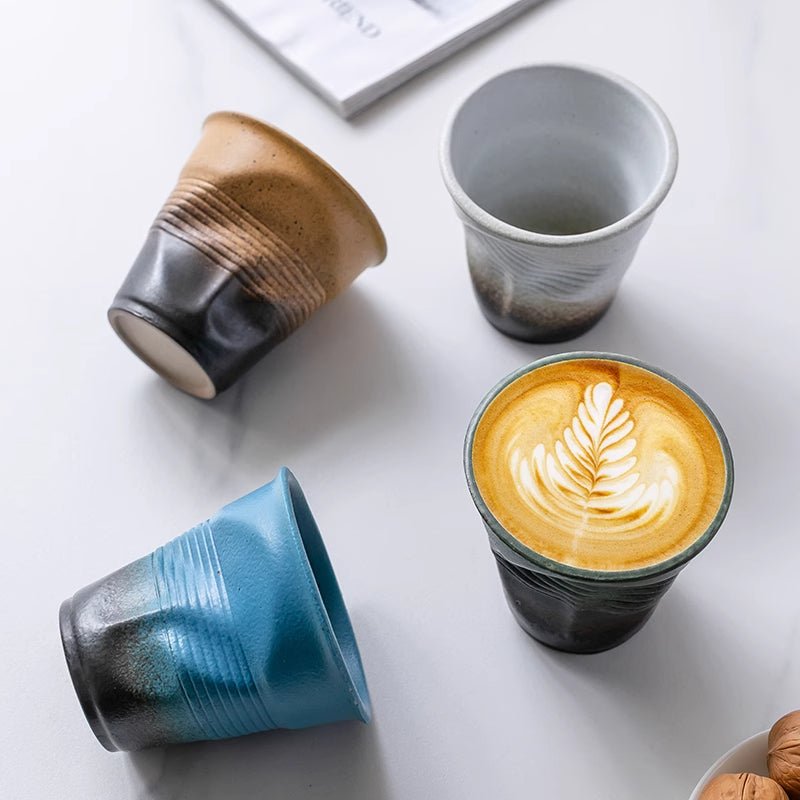
Fancy Tea Cups: How to Choose Style, Comfort, and Care
Fancy tea cups should do more than sit pretty on a shelf. This guide compares style, comfort, care, and real-world use so you can choose a cup that fits daily tea, gifting, or display.
Per saperne di più
Commenta
Questo sito è protetto da hCaptcha e applica le Norme sulla privacy e i Termini di servizio di hCaptcha.