
Great Tea Mugs: What to Look for Before You Buy
Reading time: about 9 minutes
The mug that works for coffee on autopilot is not always the mug that makes tea better. Tea exposes the details: the rim, the handle, the shape of the bowl, and whether the mug stays comfortable after the first few sips.
We see that difference all the time in our store. A buyer picks something because it looks clean on the shelf, then realizes at the kitchen counter that the handle is tight, the lip feels thick, or the mug is too shallow to keep a bigger tea pour warm. If you are comparing great tea mugs, start with how you actually drink tea at home, at work, or during a slow gift opening on the weekend.
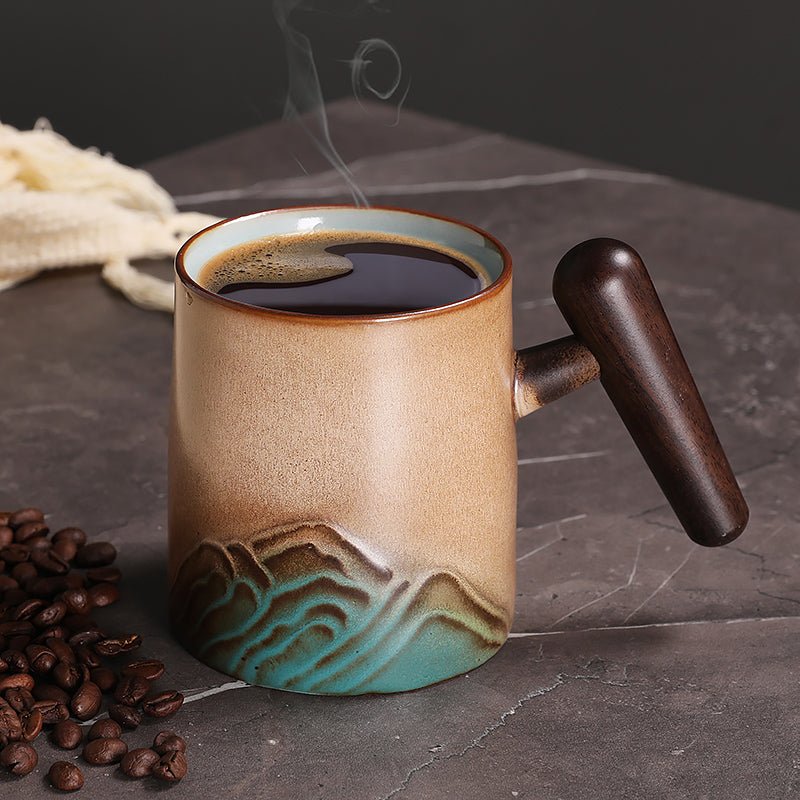
If you already want a direct place to start, our Great Mountain Coffee Tea Mug is a strong fit for shoppers who want one mug that can move between tea and coffee without feeling delicate. For broader browsing, our full collection is the fastest way to compare shapes and styles side by side.
What makes a tea mug feel good after the first five minutes?
The first sip is not the real test. The real test is the tenth minute, when the mug is still in your hand and the tea has started to cool. At that point, the mug should feel balanced, not top-heavy, and the handle should let you hold it without curling your fingers too tightly.
In practice, a good tea mug usually gets four things right:
- A comfortable handle with enough opening for adult fingers, even if you are holding the mug one-handed at a desk.
- A rim that feels clean on the lip, not overly thick or aggressively rolled.
- A stable base that sits flat on a counter, tray, or office desk without wobble.
- A shape that keeps heat where you want it. Taller, narrower mugs hold warmth differently than wide, open ones.
That is why some mugs feel great in the hand and still fail in daily use. A mug can look refined in photos but feel awkward once you add tea, milk, and a spoon. Our team pays attention to that kind of everyday use because it shows up fast in real homes.
Which material should you choose for daily tea?
For most shoppers, the material decision comes down to ceramic, stoneware, or glass. Each one has a different trade-off, and the best choice depends on how you drink tea.
| Material | What it does well | Trade-off |
|---|---|---|
| Ceramic | Balanced heat retention, easy everyday feel, common for giftable mugs | Can chip at the rim or handle if handled roughly |
| Stoneware | Heavier, sturdy feel, good for relaxed home use | Can feel bulky for people who want a lighter mug |
| Glass | Lets you see the color of the tea, useful for herbal blends and clear infusions | Usually less forgiving if you want a mug that feels substantial or hides tea stains |
For daily tea, ceramic is often the safest middle ground. It is practical, familiar, and usually easy to clean after black tea or chai. That said, ceramic is not the answer for everyone. If you want to watch the steep or show off a layered drink, one of the articles we use to help customers compare is Clear Tea Mugs for Daily Brewing: What to Buy and Why.
Stoneware is a better fit for someone who likes a heavier handfeel and does not mind a thicker wall. Glass is better when visual appeal matters more than insulation. If you are shopping for pure practicality, a glazed ceramic mug usually makes the least fuss.
How big should a tea mug be for your routine?
Size matters more than most people expect. A mug that is too small makes you refill too often. A mug that is too large can cool faster than you want, especially if you pour a standard tea bag or a smaller loose-leaf steep.
Here is how we think about size in the store:
- Standard daily tea: choose a medium mug if you want one cup at a time and prefer a quicker finish.
- Desk-side drinking: choose a larger mug if you sip slowly through meetings and want fewer refills.
- Milk tea, chai, or herbal blends: choose a mug with more interior room so additions do not crowd the drink.
If you want a deeper comparison on sizing, our guide to Big Mugs for Tea: How to Choose the Right Large Mug covers the trade-offs between larger capacity and heat retention. For shoppers who know they want a roomy mug, Big Tea Mugs: How to Choose the Right Large Mug for Daily Tea goes further into what works for long, slow pours.
There is a limitation here. Bigger is not always better. Very large mugs are not ideal for people who brew delicate tea in small amounts or want a cup that cools naturally instead of staying hot for a long stretch. If you mostly drink quick single servings, do not buy oversized capacity just because it looks generous.
What details tell you a mug will hold up in real use?
We look for the small things because the small things are what fail first. A mug does not usually become useless all at once. It starts with a chipped rim, a handle that feels sharp after repeated washing, or glaze wear that makes the surface look tired before the body is actually damaged.
Concrete details to check before buying:
- Glaze quality: a smooth, even finish helps reduce tea staining and makes cleaning easier after dark brews.
- Handle attachment: the handle should feel solid where it meets the body, without thin stress points that can become weak over time.
- Rim finish: a clean rim matters because it changes how the tea lands on your lip.
- Base flatness: a flat base matters on kitchen counters, office desks, and glass tabletops.
- Dishwasher wear: repeated dishwasher cycles are where lower-quality decoration, rough glaze patches, or weak edges often show their flaws first.
For tea mugs specifically, a common disappointment is a handle that looks generous in photos but does not leave enough knuckle room in real life. Another is a mug that is technically sturdy but too clumsy to hold comfortably after the tea gets hot. Those are the details buyers rarely notice until the first week of use.
If your priority is a ceramic option with a practical everyday profile, our guide to Ceramic Mugs for Tea: What to Buy for Daily Brewing is worth a read before you narrow down your shortlist.
Which tea mug style works best for home, office, or gifting?
Different settings reward different mug choices. A mug that feels perfect in your kitchen may be a poor fit at a shared office desk or in a gift box.
For home use: we usually recommend a mug with enough weight to feel steady but not so much that it feels bulky in the hand. That balance matters if you keep tea beside a kettle, a spoon rest, or a breakfast tray.
For office use: the better mug is the one you can grab quickly, sip from without fuss, and return to your desk without worrying about spills. A handle that clears your fingers properly matters more here than a decorative silhouette.
For gifting: clean lines, a friendly shape, and a mug that does not look overly fragile help. People remember the unboxing, but they keep the mug only if it feels useful on day one.
That is also where the Great Mountain Coffee Tea Mug fits well. It is the kind of product that reads as straightforward and usable rather than overly styled, which is often what buyers want when they are shopping for themselves or for someone who drinks both tea and coffee. You can view it directly here: Great Mountain Coffee Tea Mug.
Not every mug should try to do everything. A very decorative mug may be better for display than for daily dishwasher use. A very large mug may be great for long herbal blends but awkward for someone who prefers a smaller black tea pour. The right call depends on the drink and the setting, not just the photo.
What should you avoid if you want a mug that lasts?
We see a few avoidable problems over and over again. They are easy to miss during shopping and annoying to live with later.
- Thin handles that look elegant but feel uncomfortable after repeated use.
- Overly wide mouths that make tea lose heat too quickly.
- Interior textures that make staining harder to clean, especially with black tea.
- Decorative finishes that can scuff or fade faster with frequent washing.
- Heavy mugs without balance that feel bottom-heavy in the hand instead of stable on the table.
We also avoid pretending one mug suits every drinker. If you mainly make delicate green tea, a giant mug may be more volume than you want. If you love loose-leaf oolongs and herbal blends, a small cup can feel too cramped. If your priority is seeing the infusion itself, read Clear Tea Mugs for Daily Brewing: What to Buy and Why before deciding on an opaque mug.
Our store perspective is simple: great tea mugs should make daily tea easier, not more precious. If a mug needs special handling every time you use it, it is probably not the right everyday choice.
Frequently asked questions
What size mug is best for tea every day?
A medium-sized mug is the easiest place to start for everyday tea because it balances comfort, refill frequency, and heat retention. If you drink slowly at a desk or like larger pours, move up a size. If you prefer smaller servings or delicate teas, keep the capacity modest.
Are ceramic mugs good for tea?
Yes. Ceramic is one of the most practical choices for tea because it is comfortable to hold, works well for daily use, and is usually easy to clean after black tea or chai. The trade-off is that ceramic can chip if it is knocked against hard surfaces.
What makes a tea mug uncomfortable to use?
A tight handle, a thick lip, or a body shape that feels top-heavy can make a mug frustrating fast. We also see problems with rough glaze spots and awkward balance, especially when the mug is full and hot. The best mugs disappear into the routine instead of drawing attention to themselves.
Should I buy a large mug for tea?
Only if you actually want the extra capacity. Large mugs are useful for long sipping sessions, milk-heavy drinks, or loose-leaf tea with room to steep. They are not the best choice for small servings or teas that you want to finish while they are still warm.
Can one mug work for both tea and coffee?
Yes, and many shoppers prefer that. A well-shaped ceramic mug with a comfortable handle and a practical capacity can move between tea and coffee without feeling like a compromise. That is why a versatile option like our Great Mountain Coffee Tea Mug is a sensible starting point for mixed-use kitchens.
What is the fastest way to compare your options?
If you want the shortest path to a good decision, compare mugs with the same checklist we use when we evaluate new drinkware:
- Hold it: does the handle fit your fingers without pinching?
- Fill it: does the capacity match how much tea you actually drink?
- Check the rim: does the lip feel comfortable and even?
- Look at the base: does it sit flat and steady?
- Think about care: will it survive the dishwasher, sink, and daily counter life you put it through?
If you want to keep comparing after that, start with our collection page and narrow to the shape that fits your routine. If you already know you want a mug that can handle both tea and coffee without being fussy, go straight to the Great Mountain Coffee Tea Mug and check whether its size and feel match the way you drink every day.
Read more
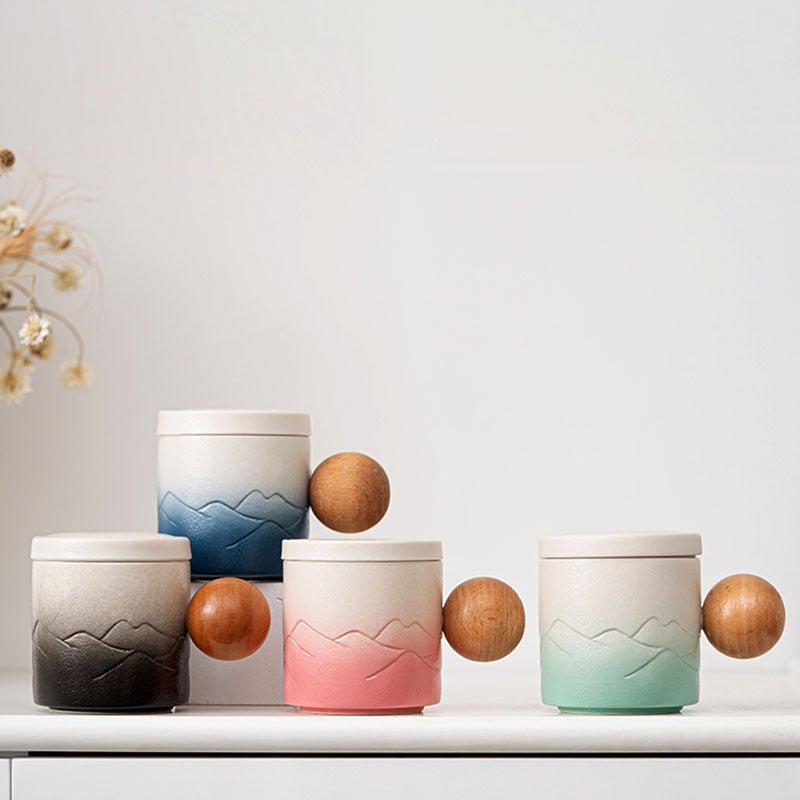
Handled Mug Buying Guide: What to Check Before You Buy
A practical guide to choosing a handled mug that actually feels good in hand, fits your drink size, and holds up to daily use. We cover grip style, material trade-offs, care, and what to avoid.
Per saperne di più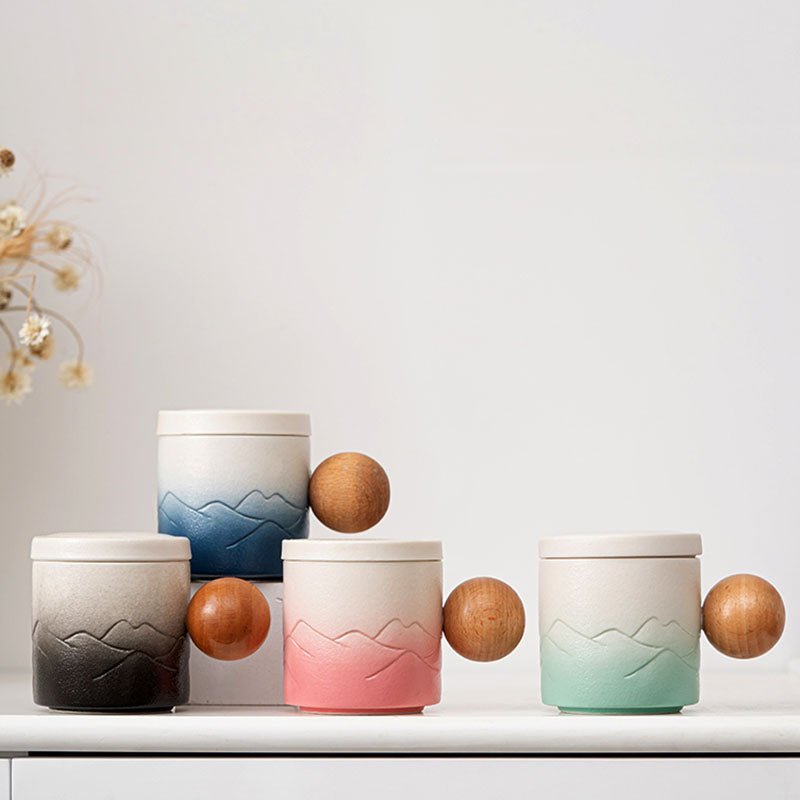
Coffee Large Cup Buying Guide for Daily Drinkers
A practical guide to choosing a coffee large cup that feels stable in the hand, fits your routine, and holds up to daily use. We compare shape, capacity, care, and the trade-offs that matter before...
Per saperne di più
Commenta
Questo sito è protetto da hCaptcha e applica le Norme sulla privacy e i Termini di servizio di hCaptcha.