
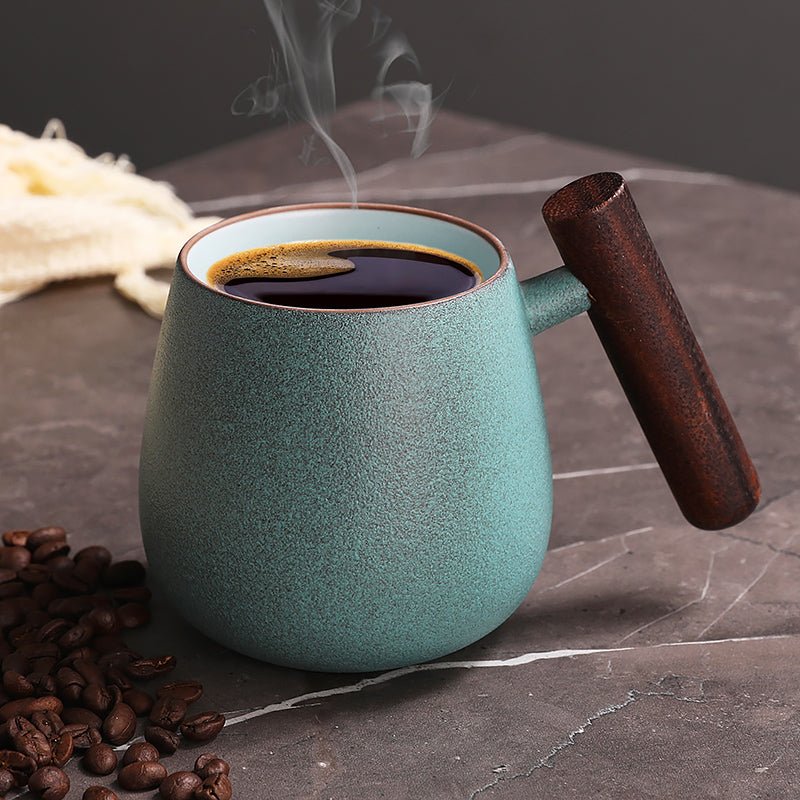
Good Travel Coffee Mugs: What to Buy for Commutes and Trips
Reading time: about 9 minutes
A mug that drips on the first turn out of the parking lot is not a travel mug. It is a cleanup problem, and we see that complaint more often than almost anything else in this category.
The best good travel coffee mugs do a few things well at the same time: they seal properly, fit a cup holder, hold heat long enough for a commute, and clean up without a fight. In our store, we look at those details the way a real buyer does. Morning desk coffee, school drop-off, train rides, and gift unboxings all expose different weak points.
If you are comparing options right now, this guide breaks down what actually matters before you buy. For a broader product browse, start with our product selection and our full collection.
What makes a travel mug actually good for daily use?
A travel mug earns its place by surviving ordinary use. That means one-handed opening, a lid that does not weep around the rim, and a body shape that fits where you plan to use it. A mug can look excellent on a shelf and still be annoying in the car.
We usually judge this category by four practical checks:
- Seal quality: The lid should close cleanly and stay sealed when the mug is tipped or bumped in a bag.
- Heat retention: Double-wall vacuum construction is the standard worth looking for if you want coffee to stay drinkable beyond the first few minutes.
- Grip and size: A mug that is too wide can be hard to hold and may not fit standard cup holders.
- Cleaning access: Wide openings help with washing, especially if the lid has a slider, gasket, or drinking spout that needs regular rinsing.
These sound basic, but they are where most disappointments happen. A tall insulated mug can be great on a desk and terrible in a compact car. A narrow commuter mug can be easy to carry but hard to scrub if coffee oils collect around the lid.
If your main use case is a weekday drive, our breakdown in Good Travel Mugs for Coffee: What to Buy for Daily Commutes covers the details that matter most for that routine.
Which materials should you choose?
The body material changes the feel of the mug, how it ages, and how much maintenance it needs. We handle mugs in a few common builds, and each one has a real trade-off.
| Material | What it does well | Where it falls short |
|---|---|---|
| Stainless steel | Durable, good insulation, common for leak-resistant commuter mugs | Can feel plain, may pick up odors if the lid is neglected |
| Ceramic-lined or ceramic travel mugs | Cleaner coffee taste, better for people who dislike metallic notes | Heavier, more chip-prone, usually less forgiving in a bag |
| Plastic exterior with insulated liner | Lighter weight and easier to carry | Usually less premium-feeling and may not retain heat as long |
For most buyers, 18/8 stainless steel is the safe, practical starting point because it handles daily wear well and usually supports vacuum insulation. If taste is the priority and you do not mind extra care, ceramic can be appealing. We cover that trade-off more deeply in Ceramic Travel Coffee Mugs: What Buyers Should Check Before Ordering.
There is no single best material for everyone. Stainless steel is not ideal if you want a mug that feels like a home cup. Ceramic is not ideal if you drop bags, toss bottles into a tote, or prefer something nearly indestructible.
How important is leak resistance compared with heat retention?
Leak resistance should come first for most shoppers. A mug that keeps coffee hot but leaks in a backpack is not solving the right problem. Heat retention matters most if you drink slowly, work long shifts, or rely on a commute that runs longer than expected.
Here is how we think about the trade-off:
- For driving: Prioritize a secure lid and a shape that drops into the cup holder without wobbling.
- For office use: Prioritize easy opening, stable base design, and a lid that does not require two hands every time.
- For long trips: Prioritize insulation and a lid that closes firmly enough to handle movement in a bag.
- For home-plus-commute use: Look for a balanced mug that is not too tall, not too narrow, and not fussy to clean.
One common failure mode is a lid that feels tight at first but leaks once the gasket wears, gets twisted, or is not seated correctly. Another is a drinking opening that splashes when the mug is filled too high. Those are not rare defects. They are the regular frustration points buyers notice after the first week.
That is why a lot of shoppers compare commuter-focused mugs with broader everyday travel options. If you want a fuller comparison across use cases, see Best Travel Coffee Mugs for Commutes, Office Days, and Trips.
What size and shape work best in real life?
Size sounds simple until you try to fit a mug into a car console or an office bag pocket. The most useful range for many buyers is usually somewhere around 12 to 20 ounces, but the right size depends on how much coffee you actually drink and where you carry it.
We pay attention to three shape details that shoppers often overlook:
- Base diameter: A narrower base is usually better for cup holders.
- Overall height: Tall mugs can fit more liquid but may not clear low cabinet shelves, machine spouts, or car lids.
- Rim width: A wide mouth can improve drinking comfort and cleaning, but it may cool faster than a slimmer opening.
A 16-ounce mug is often a practical middle ground for one strong coffee or a standard refill. A 12-ounce mug is easier to carry and less likely to overfill, while a larger capacity can make sense for long shifts or road trips. The wrong choice is usually not about capacity alone. It is about how that capacity changes the mug’s shape and handling.
At home, a beautiful mug can be part of the ritual. On the road, form has to serve function first. If you also care about appearance, our article on Beautiful Coffee Mugs: How to Choose One That Looks Good Every Day is useful for balancing style with daily use.
How should you clean and care for a travel mug?
Cleaning is where many mugs fail long term. Coffee oils cling to lids, silicone gaskets trap residue, and narrow openings make the inside harder to reach. A mug that is annoying to wash will usually become a mug you stop using.
Our practical care checklist is simple:
- Rinse the lid right after use if you can.
- Remove and wash silicone seals when the lid design allows it.
- Use a bottle brush for narrow bodies and a soft brush for drinking spouts.
- Let the mug dry fully before storing it closed.
Dishwasher-safe parts are convenient, but not every lid design benefits from aggressive heat and repeated cycles. If a manufacturer recommends hand washing for the lid, that guidance usually protects the seal and any moving slider parts. The mug body may tolerate more than the lid does, so check both parts separately.
We also recommend thinking about odor retention. If a mug holds coffee, tea, or even flavored drinks, the lid can keep stale smells if it is not cleaned regularly. That is not a dealbreaker, but it is a real maintenance issue.
Which mug style should you buy for your routine?
There is no single mug that is best for everyone. There are only better matches for specific routines. We see the clearest differences in these buyer profiles:
- Daily commuter: Choose a leak-resistant stainless steel mug with a secure lid and cup-holder-friendly base.
- Office desk user: Choose a mug that opens easily, stays stable, and is comfortable to drink from throughout the morning.
- Gift buyer: Choose a mug with a cleaner finish, a dependable lid, and a shape that feels intentional rather than purely utilitarian.
- Light traveler: Choose something compact that packs well and does not require a lot of fuss to clean.
If you are shopping with gifting in mind, there is a difference between a mug that looks nice in a box and one that someone will actually use every day. That is one reason we keep returning to real use conditions: car holders, office desks, kitchen sinks, dishwasher cycles, and the inside of a tote bag.
Our broader travel-mug guide, Coffee Mugs Travel: What to Buy for Commutes, Office Days, and Trips, is a good companion read if you want to compare use cases side by side.
Frequently asked questions
What size travel coffee mug is best for a commute?
For most commuters, 12 to 16 ounces is the easiest range to live with. It is usually small enough to fit cup holders and large enough for a standard coffee order without feeling bulky. If you drink slowly or want extra volume, 20 ounces can work, but the mug may be taller and less convenient in smaller cars.
Are stainless steel travel mugs better than ceramic ones?
Stainless steel is usually better for durability and insulation, especially for daily commuting. Ceramic can taste cleaner to some people and feels closer to a home mug, but it is heavier and more prone to chips or cracks. If you want low-maintenance travel use, stainless steel is usually the safer choice.
How do I know if a travel mug is really leakproof?
Look for a lid that seals with a gasket and has a closure designed for transport, not just sipping. Even then, we recommend treating “leakproof” as leak-resistant unless the brand clearly states how the lid performs when tipped or shaken. The safest test is still a filled mug held upside down over a sink before you trust it in a bag.
Can I put a travel mug in the dishwasher?
Sometimes, but not always for every part. Many stainless steel bodies can handle more than the lid, while lids with sliders, seals, or locking pieces may need hand washing to stay tight and aligned. Check both components separately, because one dishwasher-safe part does not make the whole mug dishwasher-safe.
What should I avoid in a travel mug?
Avoid oversized mugs that do not fit your car cup holder, lids that require awkward two-handed operation, and narrow interiors that are hard to clean. Also avoid mugs that are too decorative to use comfortably. If a mug looks nice but feels slippery, leaks around the rim, or traps odors, it will not hold up as a daily carry item.
The quickest way to narrow your choice is to compare the mug against your real routine: commute length, cup-holder size, cleaning habits, and whether you care more about taste, insulation, or portability. If you want to browse practical options next, start with our full collection and compare the build, lid style, and size against the checklist above.
More from our blog
Read more
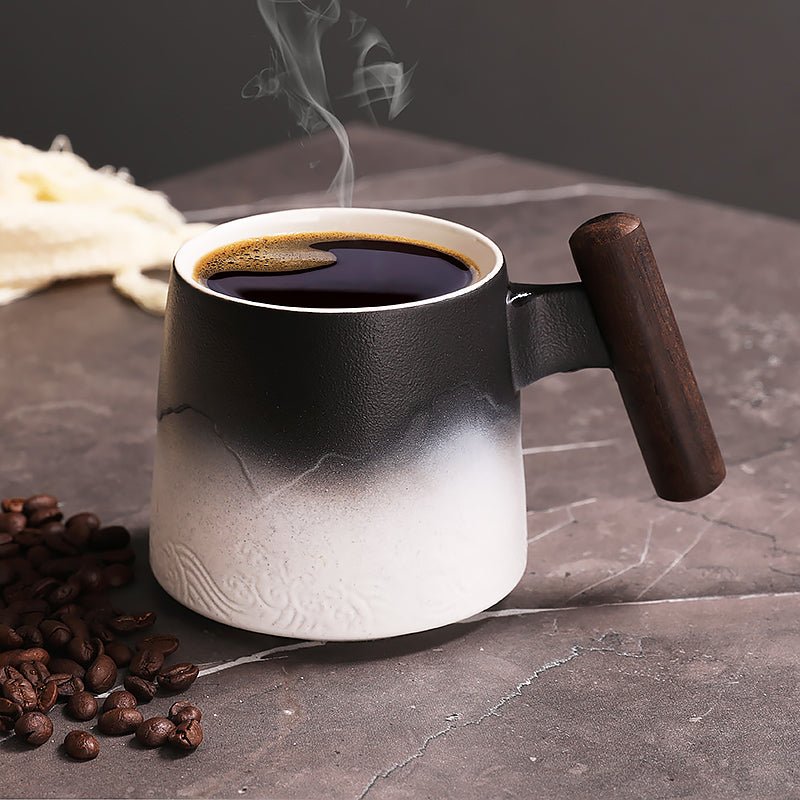
How to Get Rid of Coffee Stains in Mugs Without Damaging the Finish
Coffee stains build up fast on white ceramic, matte glazes, and office mugs. We break down the safest ways to clean them, what to avoid, and when a mug is better replaced than scrubbed.
Per saperne di più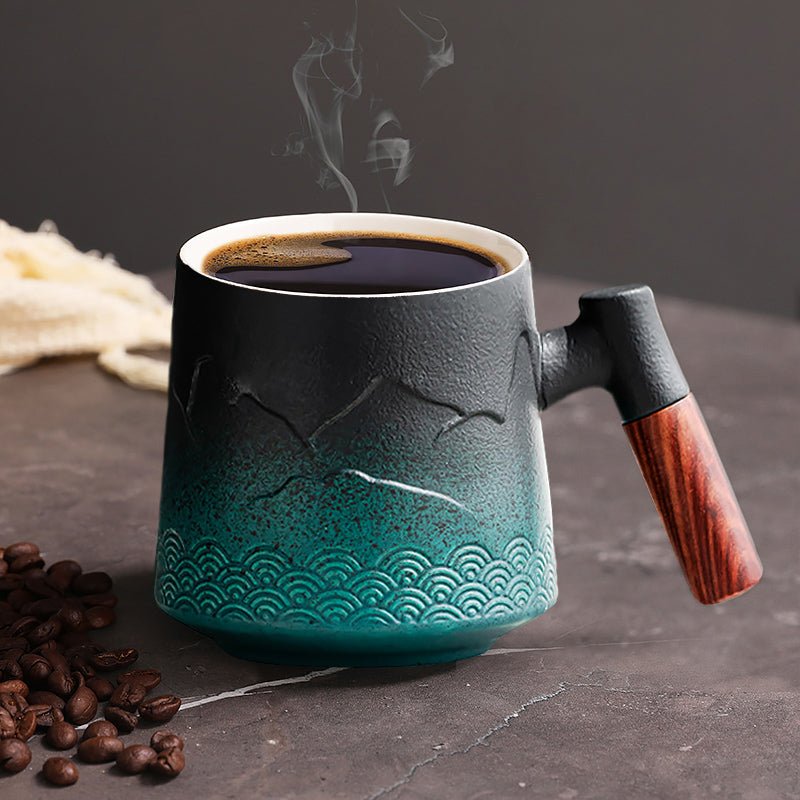
Stainless Steel Coffee Mug with Lid: Practical Buying Guide
A practical guide to choosing a stainless steel coffee mug with lid, including lid fit, insulation, size, cleaning, and real trade-offs for desk, kitchen, commute, and gifting use.
Per saperne di più
Commenta
Questo sito è protetto da hCaptcha e applica le Norme sulla privacy e i Termini di servizio di hCaptcha.