
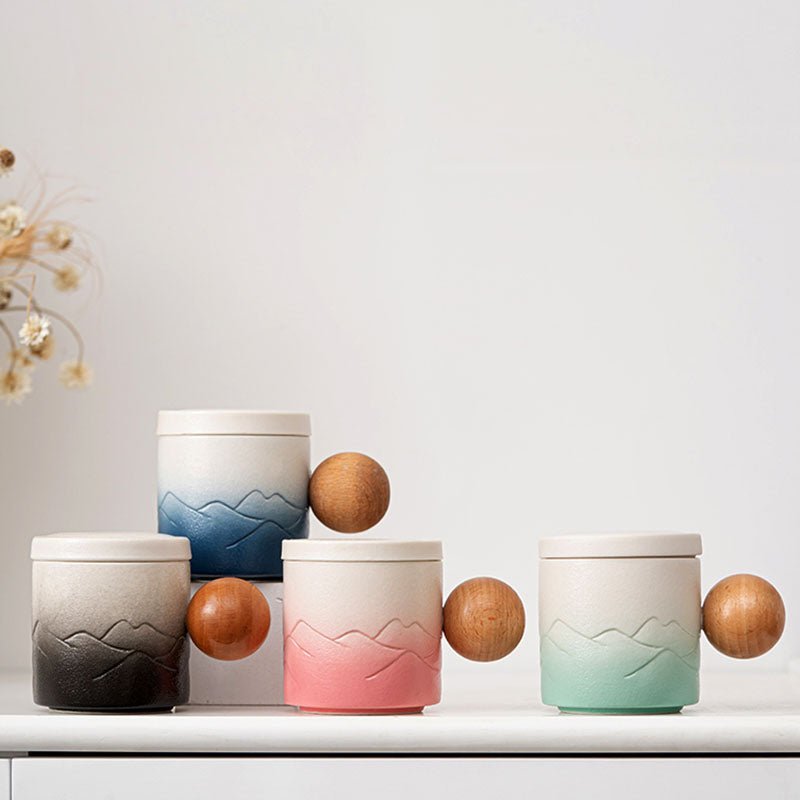
Flat White Cup Daily Use Guide: 200, 250, or 270 ml?
Reading time: about 11 minutes
A flat white can feel right in one cup and slightly awkward in another, even before you think about taste. The issue is usually simple: capacity, headroom, handle comfort, and where the cup will live during the day. This flat white cup daily use guide is written from the kind of questions we hear in our store from shoppers comparing a compact flat white coffee cup for home, office, or gifting.
We are not going to pretend one size is the official answer for every drink. A 200 ml cup, a 250 ml cup, and a 270 ml mug each solve a different daily problem. The better choice depends on how much room you want above the drink, whether you add extra milk, how often you carry it from kitchen to desk, and whether the cup needs to look good enough to leave out on the counter.
For shoppers who want to browse the broader style range first, our unique coffee mugs collection is the best starting point. If you already know you want a compact cup for flat white-style drinks, the three current size anchors are the Pleated Coffee Tea Cup at 200 ml, the Ball Handled Coffee Tea Mug at 250 ml, and the Emerald Coffee Tea Mug at 270 ml.
Flat white cup daily use guide: which size feels least fussy?
The least fussy size is the one that matches your actual routine, not the one that sounds most precise. In our experience, shoppers often start by asking for the smallest cup because they want a concentrated drink feel. Then they remember they add a little extra milk, carry the cup through a hallway, or let the drink sit on a desk while answering messages.
Here is the practical difference:
- 200 ml: Compact and neat. Best if you like a smaller serving and do not need much spare space above the drink.
- 250 ml: More forgiving. Better if you add a little more milk or want a cup that feels easier to move around without filling close to the rim.
- 270 ml: The most flexible of the three. Useful if your flat white sometimes becomes a larger milk coffee, or if the same cup may also be used for tea.
Capacity is not only about how much liquid the cup holds at the absolute top. Daily use depends on usable headroom. A cup filled close to the rim is harder to carry, easier to splash, and less comfortable if you stir sugar, cinnamon, or chocolate powder into the drink. For a kitchen-only drink, that may not matter. For an office desk or bedside table, it matters quickly.
200 ml Pleated cup: best for short, focused coffee moments
The Pleated Coffee Tea Cup is the tightest fit in this group at 200 ml. It suits shoppers who want a compact flat white cup and do not want a mug that makes a smaller coffee look lost. The pleated exterior also gives the cup more visual texture than a plain cylinder, which is useful if you keep your coffee cup visible on an open shelf or counter.
The main advantage is proportion. A smaller drink looks intentional in a 200 ml cup. If you make a modest milk coffee in the morning and drink it near the machine, this size feels tidy. It also takes up less table space next to a small breakfast plate, laptop stand, or pastry board.
The trade-off is headroom. If your usual pour is generous, 200 ml can become too close to the rim for relaxed daily use. It is also not the best fit if you stir vigorously, add a cube of ice, or regularly switch between flat whites and larger tea servings. We would point those shoppers toward 250 ml or 270 ml instead.
250 ml Ball Handle mug: better for carrying from kitchen to desk
The Ball Handled Coffee Tea Mug gives you 250 ml of capacity, which is often the more comfortable middle ground. The buyer situation is specific: you want a compact coffee cup, but you also want less tension around spills, stirring, and moving between rooms.
The ball handle is also part of the daily-use decision. Handle shape is not just decoration. A handle can change how steady the cup feels when you pick it up half-asleep, carry it around a desk, or pass it to someone during a gift unboxing. If you care about handle comfort and visual character, this mug deserves a closer look. For more general handle considerations, our handle cup buying guide covers grip, clearance, and day-to-day comfort in more detail.
This 250 ml option is not the one we would suggest if the buyer wants the smallest possible cup. It will feel roomier than a 200 ml cup. That is the point. It is a better match for someone who wants the flat white look and compact footprint, but still wants enough spare capacity to avoid treating every pour like a careful measuring task.
270 ml Emerald mug: best when your flat white often turns into more
The Emerald Coffee Tea Mug is the roomiest option here at 270 ml. In practical terms, it is the best fit for shoppers whose flat white is not always the same drink. Some mornings it is a smaller milk coffee. Other mornings it becomes a more generous cup, or the same mug gets used for tea later in the day.
We like this size for people who want one attractive daily cup rather than a very narrow-purpose cup. The emerald finish gives it a stronger style presence, so it works well as a gift or as the cup someone keeps at a desk. It has enough capacity to feel flexible without moving into oversized mug territory.
The limitation is that a smaller serving may leave more visible empty space. Some people do not mind that at all. Others specifically want the drink to sit lower and tighter in the cup visually. If that visual proportion matters more than flexibility, the 200 ml Pleated cup is the cleaner match. If the buyer is already considering much larger mugs for long drinks, our big mug buying guide is a better companion read.
Kitchen counter, office desk, or gift box: where will the cup actually go?
Daily fit changes by setting. A flat white cup that is perfect beside an espresso machine may be less practical next to a keyboard, and a cup that looks beautiful in a gift box may not be the easiest option for a commuter-style morning routine.
| Daily scenario | Best fit | Why it makes sense | Where it may fall short |
|---|---|---|---|
| Quick coffee at the kitchen counter | 200 ml Pleated cup | Compact footprint and a smaller serving feel intentional | Less forgiving if you pour generously |
| Walking from kitchen to home office | 250 ml Ball Handle mug | More headroom and a handle-forward design | Not as minimal as the 200 ml option |
| One cup for coffee and tea | 270 ml Emerald mug | Most flexible capacity of the three | Small drinks may look less full |
| Gift for a coffee drinker | 250 ml or 270 ml | Safer capacity choices when you do not know their pour habits | Less precise than choosing based on their exact routine |
For gifting, we usually lean away from the smallest size unless the recipient clearly likes compact coffee cups. A 200 ml cup can be excellent, but it is more specific. A 250 ml or 270 ml cup gives the recipient more ways to use it, which lowers the chance it becomes a display piece only.
Capacity and headroom: what shoppers often miss before buying
The most common mistake is treating stated capacity as the amount you will comfortably drink every day. Capacity is usually a maximum or near-maximum measure. In real use, the comfortable fill level is lower because you need room for movement, foam, stirring, and carrying.
Before choosing, think through these daily details:
- How close do you fill your current cup? If you already leave a wide gap below the rim, a 200 ml cup may feel smaller than expected.
- Do you stir after pouring milk? Stirring needs headroom, especially with sugar or flavored powders.
- Do you walk with the cup? A cup used only at the counter can be smaller than a cup carried to a desk.
- Will guests use it? Guests tend to pour less predictably, so a little extra capacity helps.
- Will it double for tea? If yes, 250 ml or 270 ml is usually more practical than 200 ml.
For a deeper size-only comparison, we have a separate flat white cup capacity guide. This article focuses more on daily use: handling, cleanup, gifting, and the small habits that decide whether a cup gets used often.
Care, inspection, and everyday handling details that matter
After handling cups for product pages and customer questions, we pay attention to details shoppers often miss online. The rim should feel comfortable against the lip. The foot ring should sit flat enough that the cup does not rock on a counter. The handle area should feel secure, and the glaze or finish should be checked around the rim, base, and handle join during unboxing.
For daily care, avoid treating compact cups like storage bins in the sink. Milk residue dries fast and can leave a film, especially around the inner base. A quick rinse before washing helps. If you use a dishwasher, give cups enough space so rims and handles are not knocking against heavier plates or utensils during the cycle. We also avoid stacking damp cups tightly because trapped moisture can make storage smell stale.
None of these habits require special equipment. They are small routine choices that help a cup stay pleasant to use. Compact cups are especially easy to love when they stay clean at the rim, steady on the table, and free from chips caused by crowded dish racks.
Which flat white coffee cup should you buy first?
Use the buyer situation, not the product name, to make the call. Here is the clearest route we would give a customer in our store:
- Choose the 200 ml Pleated Coffee Tea Cup if you want the most compact flat white cup, drink near the kitchen counter, and prefer a smaller serving with a textured exterior.
- Choose the 250 ml Ball Handled Coffee Tea Mug if you want a balanced daily cup with more headroom, a distinctive handle, and better comfort for carrying from room to room.
- Choose the 270 ml Emerald Coffee Tea Mug if you want the most flexible size for milk coffee, tea, desk use, or gifting.
None of these is the best choice for iced coffee with lots of ice, long black coffee topped up heavily, or anyone who wants a large mug to sip for an hour. In those cases, a larger mug category will be more satisfying. But for shoppers comparing compact flat white cup options, these three capacities cover the practical range without pretending every drink needs the same vessel.
Frequently asked questions
What size cup is best for a daily flat white at home?
For many home routines, 250 ml is the most forgiving choice because it leaves more headroom than 200 ml while still feeling compact. A 200 ml cup is better if you like a smaller, tighter serving. A 270 ml mug is better if your drink often becomes larger or doubles as tea.
Does this flat white cup daily use guide mean 200 ml is too small?
No. The flat white cup daily use guide points out that 200 ml is more specific, not wrong. It works well for short coffee moments at the counter, but it may feel tight if you add extra milk, stir after pouring, or carry the cup around.
Is a 270 ml cup too large for a flat white coffee cup?
It depends on how you use it. A 270 ml cup gives more headroom and flexibility, which is useful for desk use, tea, or slightly larger milk coffees. If you care most about a compact visual proportion, 200 ml or 250 ml may suit you better.
Which option is safest as a gift?
If you do not know the recipient's exact coffee habit, 250 ml or 270 ml is usually safer than 200 ml. The Ball Handle mug has a distinctive handle style, while the Emerald mug offers the most flexible capacity. The smallest Pleated cup is a better gift for someone who clearly likes compact cups.
Can I use these cups for tea as well as coffee?
Yes, but capacity matters. The 250 ml Ball Handle mug and 270 ml Emerald mug are more practical for tea because they provide more room. The 200 ml Pleated cup can work for smaller tea servings, but it is less flexible for larger pours.
A practical next step before you add to cart
Before choosing, compare your current cup with the capacities here. If you usually leave little room at the top, move up one size. If you want a compact counter cup, start with the 200 ml Pleated Coffee Tea Cup. If you want the safest daily middle ground, check the 250 ml Ball Handled Coffee Tea Mug. If flexibility matters most, the 270 ml Emerald Coffee Tea Mug is the roomiest option in this compact group.
For shoppers still comparing styles beyond these three, browse the unique coffee mugs collection and filter your own decision by capacity, headroom, handle comfort, and where the cup will sit during an ordinary day.
Read more
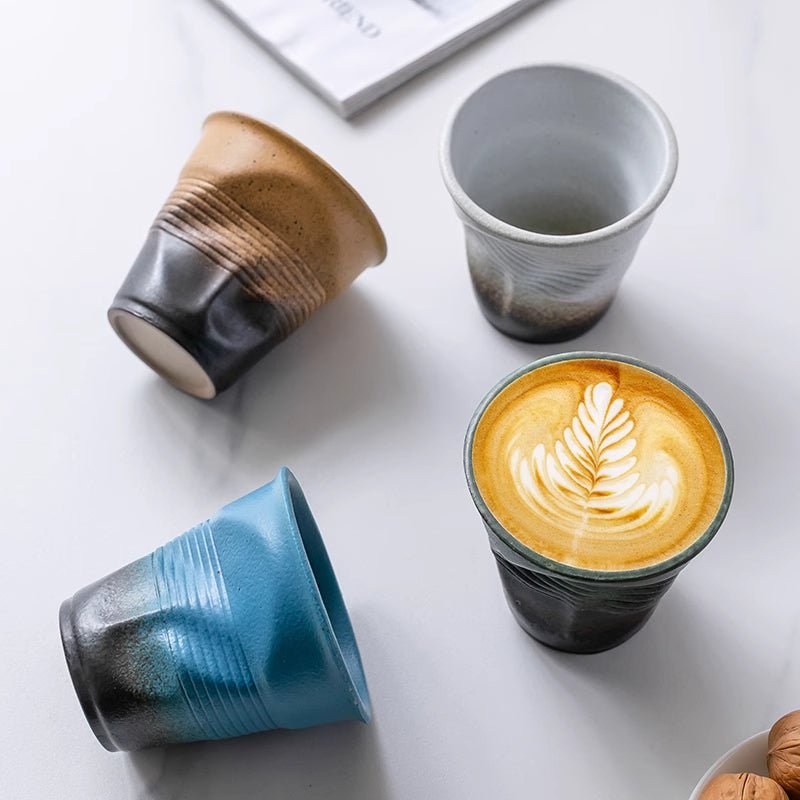
White Pottery Coffee Mugs Comparison for Daily Use
Compare current white pottery-style mugs from CoffeifyMug by routine, shape, finish, and gifting fit so you can choose the option that suits your counter, desk, or tea break.
Per saperne di più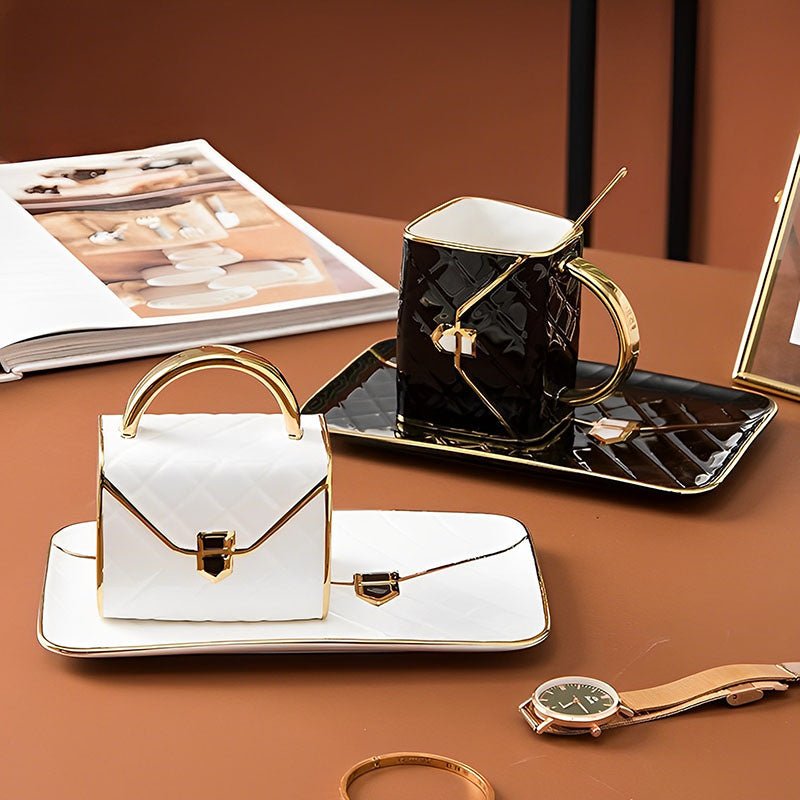
Unique Coffee Mugs for Gifts Comparison: Current Fit Guide
A practical comparison of CoffeifyMug’s current unique mug options for gifting, with clear fit notes for desk drinkers, display-minded recipients, tea routines, and shoppers who need a safer everyd...
Per saperne di più
Commenta
Questo sito è protetto da hCaptcha e applica le Norme sulla privacy e i Termini di servizio di hCaptcha.