
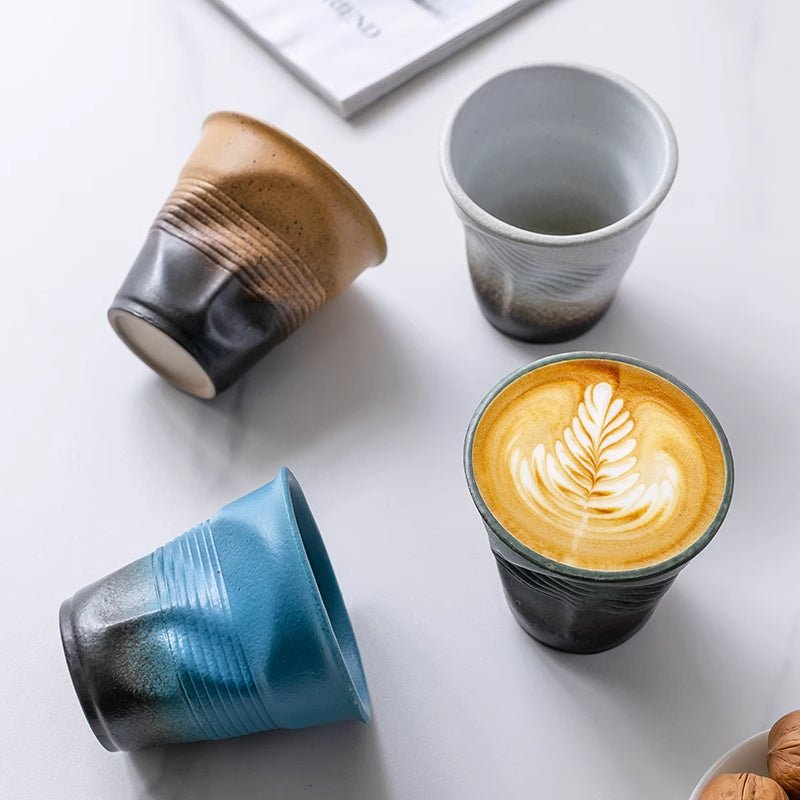
Fancy Tea Cups: What to Check Before You Buy
Reading time: about 9 minutes
A cup can look beautiful on a product page and still feel awkward on a kitchen counter. We see that often with fancy tea cups: the shape looks elegant, but the handle is too small, the rim feels thin in the wrong way, or the cup is better for display than for a second refill.
That is why we treat fancy tea cups as a buying decision, not just a decor choice. In our store, we look at how the cup sits in the hand, how it pours heat, how it cleans up after a real tea session, and whether it still feels special after a week of use. If you want to browse the full range first, start with our collection of cups and mugs, then compare the details that matter.
For shoppers who want something more sculptural, we also recommend looking at the Planet Coffee Tea Mug, the Rhombus Coffee Tea Mug, and the Handbag Coffee Tea Mug. Those designs show the difference between a cup that is merely decorative and one that still works at an office desk, in a morning rush, or during a gift unboxing.
What makes fancy tea cups worth buying?
The best fancy tea cups do more than signal style. They change how the drink feels in use. A cup with a well-balanced handle, a comfortable rim, and enough body to hold heat can make a basic tea break feel more deliberate without getting fussy.
We usually tell shoppers to focus on three practical details first:
- Wall thickness: Too thin can feel delicate and heat up quickly; too thick can make the cup feel heavy and less refined.
- Handle clearance: A handle should fit at least two fingers comfortably if you plan to drink from it daily.
- Base stability: A flat, even base matters on glossy desks, trays, and side tables. Wobbly cups are annoying and easy to knock over.
That is the real trade-off with fancy tea cups. Some designs are built to look dramatic on a shelf or in a gift box. Others are more restrained and practical. If you need something that will be used every day, not just photographed once, choose the cup that feels steady and easy to hold, even if the decoration is simpler.
Which material should you choose for daily use?
Material changes the way a tea cup behaves. Ceramic and porcelain are the two most common choices in this category, and each has a different feel in the hand.
| Material | What it feels like | Best for | Trade-off |
|---|---|---|---|
| Ceramic | Heavier, grounded, often more tactile | Daily tea, casual gifting, kitchen shelves | Can feel bulkier and may retain heat longer |
| Porcelain | Finer, lighter, more formal | Display, polished settings, lighter tea service | Can be more delicate and less forgiving if handled roughly |
In our experience, buyers who want fancy tea cups for everyday use usually prefer a cup that feels sturdy enough for repeated washing and handling. Buyers who want a more formal table setting often lean toward a lighter, more refined profile. Neither is right for everyone.
What fancy tea cups are not ideal for is rough, no-care use. If you want something for commuting, throwing in a tote, or leaving near a sink where it will be knocked around, a delicate decorative cup is the wrong category. For that kind of use, a plain insulated mug will usually make more sense.
How do you judge the right size and shape?
Size matters more than most shoppers expect. A small cup can make tea feel concentrated and ceremonial. A larger cup can be better for relaxed sipping, milky tea, or a desk setup where you do not want constant refills.
As a general buying rule, many tea cups sit somewhere around the 6 to 10 oz range, but the better question is how you drink. If you pour a strong black tea and like to drink it while it is still hot, a smaller cup often works better. If you prefer longer sessions, a wider cup with more room can be easier to live with.
Shape matters too:
- Narrow, taller cups keep heat a little longer and feel more formal.
- Wide, shallow cups cool faster and can be easier to aroma-check on higher-grade teas.
- Angular or sculptural forms make strong visual statements but may be less comfortable for long, repeated use.
For shoppers comparing bolder shapes, the Rhombus Coffee Tea Mug is a good example of a cup that leans into geometry. If you like design-forward drinkware, our article on Fancy Tea Cups: What to Look For Before You Buy goes deeper into shape, balance, and handling.
Which details make a cup feel truly fancy, not just decorated?
Fancy does not have to mean ornate. In practice, the cups that feel most premium usually show restraint in the right places. The glaze is even. The rim is smooth. The handle joins cleanly to the body without lumpy seams. The cup feels intentional rather than busy.
We look for these details when we evaluate a cup for our store:
- Even glaze coverage: Patchy finish or pinholes can make a cup look cheap up close.
- Smooth rim: This affects comfort more than buyers expect, especially on repeated sips.
- Clean handle attachment: Weak or uneven joins are common stress points over time.
- Flat foot ring: Helps the cup sit properly on a saucer, tray, or desk.
If you are buying for display, the visual profile matters more. If you are buying for use, those small structural details matter more than the decoration. A fancy tea cup that chips easily at the rim or feels awkward when empty will stop feeling fancy very quickly.
One useful shortcut: imagine washing it every day in a real sink. If the shape has too many tight corners, it can trap residue and slow down drying. That matters if you drink tea at the office, where cleanup is often rushed between meetings.
What should you check before buying a gift?
Gift buyers need a different lens. The cup has to look good on arrival, but it also has to be easy for the recipient to use without a learning curve. That means presentation, shape, and practicality all need to work together.
We usually recommend these checks for gifts:
- Choose a shape that reads clearly at a glance: A strong silhouette is easier to gift than something subtle.
- Avoid overly fragile-looking forms: Even when a cup is sturdy, it should not look difficult to handle.
- Think about the recipient's routine: Office desk, breakfast table, reading nook, or display shelf all point to different cup styles.
If you are comparing cups for seasonal gifting, our article on Christmas Tea Cups: What to Buy for Gifts, Sets, and Daily Use is useful because it separates keepsake pieces from everyday pieces. That distinction matters. A beautiful cup that feels too precious to use is not always the best gift.
The Handbag Coffee Tea Mug is a strong example of a statement piece. It is memorable, which makes it excellent for gifting. It is not the best choice for someone who wants the least fussy cup in the kitchen cabinet.
How do fancy tea cups hold up in real-life use?
The honest test is not the product photo. It is the first week of real use. Does the cup feel stable on a crowded counter? Does the handle stay comfortable after the tea cools? Does it wash clean without needing a brush in awkward corners?
From a practical standpoint, fancy tea cups usually do best when used for:
- Morning tea on a clean kitchen counter
- Afternoon tea at a desk that doubles as a work surface
- Gift tables, holiday spreads, or styled shelving
They are usually a poor fit for:
- Heavy travel
- Repeated hard use around tools, cookware, or a cluttered sink
- Anyone who prefers one cup that disappears into the routine
That is why we encourage shoppers to think in use cases, not just style labels. A visually striking cup can still be very practical if the base is stable and the handle is usable. A plain cup can still disappoint if the proportions are off.
If you want a broader comparison across styles and materials, our article on Tea Cups for Sale: How to Choose the Right Style, Size, and Material is a good next read before you place an order.
Which fancy tea cups fit which buyer?
Different buyers want different things from the same category. Here is the simple version we use when helping shoppers narrow things down:
- For daily tea drinkers: Choose a cup with a comfortable handle, moderate size, and easy-clean interior.
- For gift buyers: Choose a distinctive shape that photographs well and feels intentional out of the box.
- For display-first buyers: Prioritize silhouette, finish, and visual consistency over capacity.
- For mixed use: Aim for a cup that is decorative but still easy to wash, hold, and stack.
The collection page is the fastest way to compare options side by side, especially if you are not sure whether you want a classic profile or something more sculptural. Start with our full collection, then drill into the shape that fits your table and your routine.
Frequently asked questions
Are fancy tea cups good for everyday use?
Yes, if the cup has a stable base, a comfortable handle, and a finish that cleans easily. The best everyday options are attractive without being too fragile or awkward to hold. If a cup feels precious enough that you would avoid using it, it is probably better as a display piece than a daily cup.
What is the best material for fancy tea cups?
Ceramic is often the most practical choice for daily use because it feels sturdy and familiar. Porcelain tends to look more refined and formal, but it may feel lighter and more delicate. The right material depends on whether you want durability, elegance, or a balance of both.
How do I know if a tea cup is comfortable to hold?
Check the handle size and the cup's balance. A good handle should leave enough room for at least two fingers without pinching, and the cup should not feel top-heavy when full. If the handle is decorative but too small, the cup will be frustrating to use.
Are sculptural tea cups practical or just decorative?
Some are practical, but not all. Sculptural designs can still work well if the base is flat, the rim is smooth, and the handle is usable. If the shape makes pouring, gripping, or cleaning harder, it is better treated as a display-first piece.
Should I buy fancy tea cups as a gift or pick a full set?
A single standout cup works well when you want a personal, design-focused gift. A set makes more sense if the recipient entertains often or wants a matched table. If you are unsure, choose one cup with a strong shape rather than a set that may not fit their style.
If you are ready to compare styles, start with the shapes that fit your routine, then check the finish and handle before you buy. For a quick next step, browse our full collection and compare the Planet, Rhombus, and Handbag designs side by side against the checklist above.
Read more
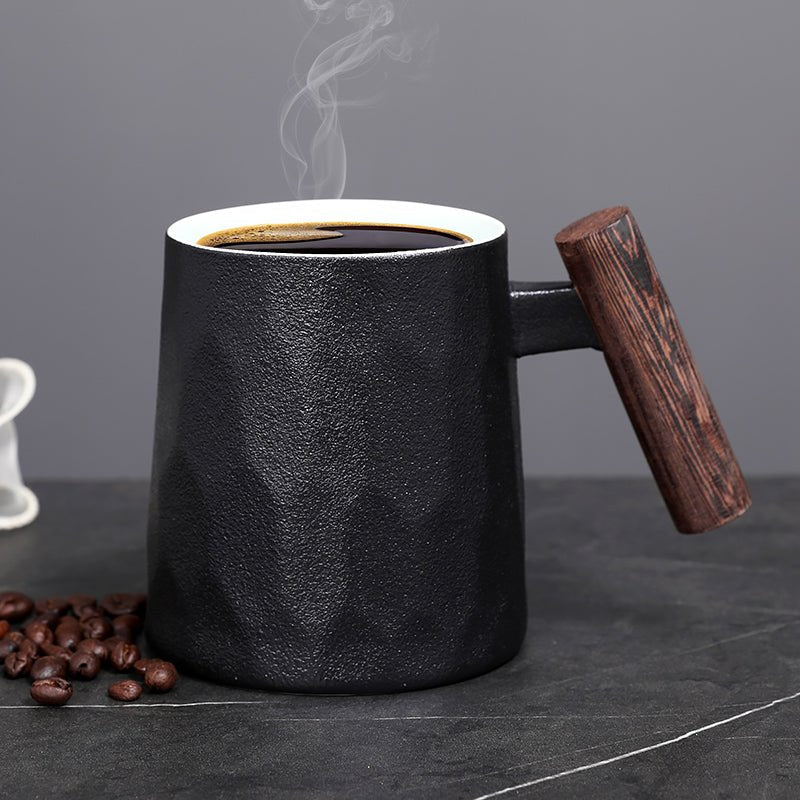
Massive Mugs for Tea: Size, Shape, and Materials That Work
Massive mugs for tea are useful when you want fewer refills, a steadier desk routine, or a gift that feels generous without being flimsy. This guide covers the sizes, materials, and handle details ...
Per saperne di più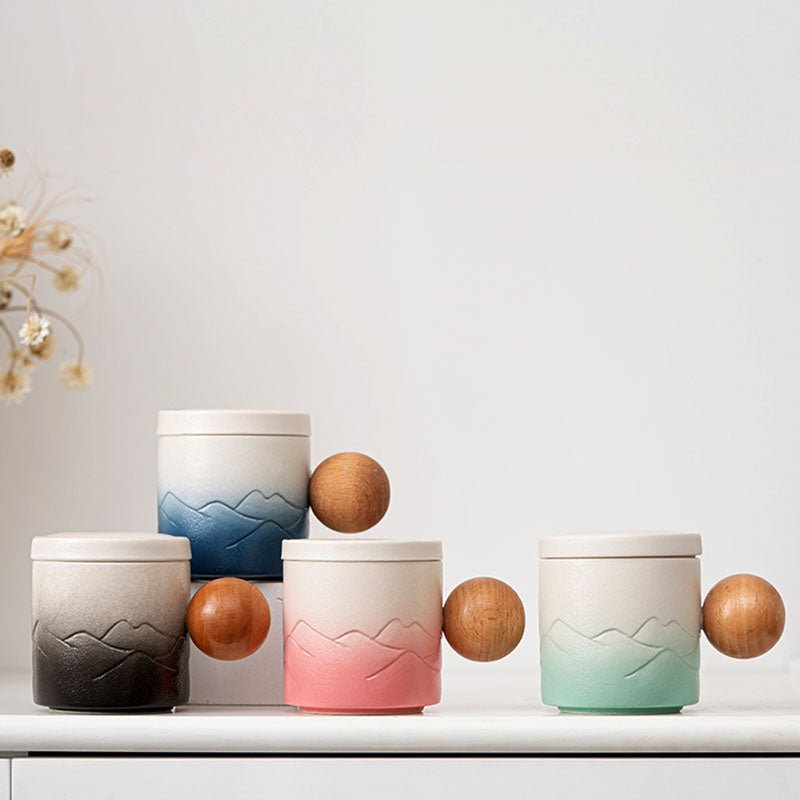
Best Coffee Portable Mug: What to Buy for Commute, Desk, and Gifting
We break down what actually matters in a portable coffee mug: size, lid seal, cleanability, and where each style fits best. If you want a mug that works on a desk, in the car, or as a gift, this gu...
Per saperne di più
Commenta
Questo sito è protetto da hCaptcha e applica le Norme sulla privacy e i Termini di servizio di hCaptcha.