
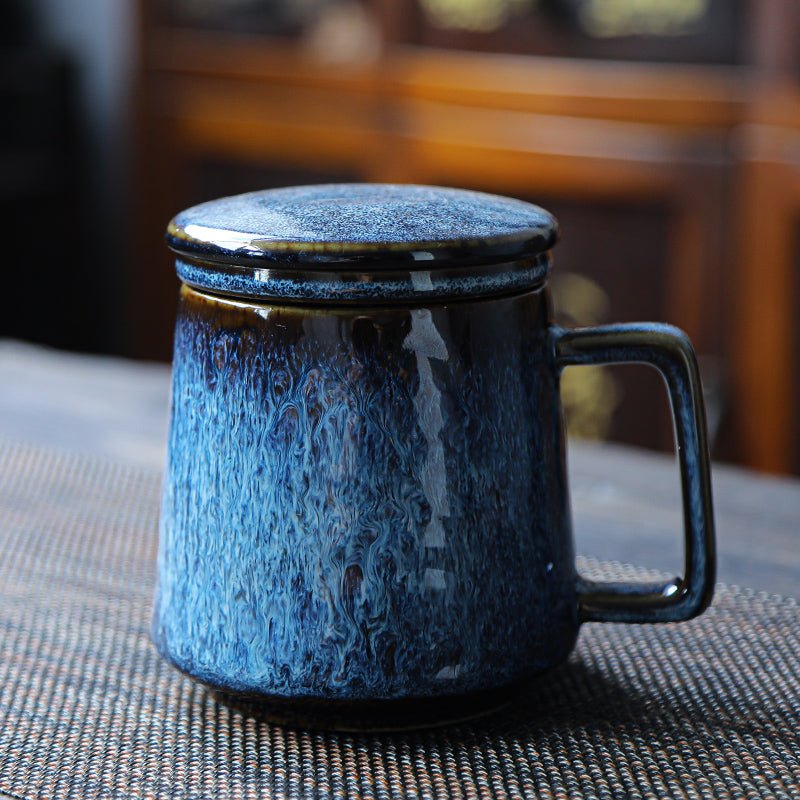
Drawing Coffee Mug Buyer’s Guide: What to Check Before You Buy
Reading time: about 8 minutes
What should you notice first when you are buying a drawing coffee mug?
The mug that looks best in a product photo is not always the one that feels best at 7 a.m. on a kitchen counter. In our store, the mugs people keep using are the ones that sit flat, feel balanced in the hand, and still look clean after repeated coffee and tea refills.
That is why we treat a drawing coffee mug as more than decor. You are buying the handle shape, the rim feel, the artwork placement, and the day-to-day care routine along with the design itself. A strong mug should feel comfortable in a quick office refill, survive a gift unboxing without looking flimsy, and hold up through regular washing without the artwork becoming the weak point.
- Handle comfort: check whether your fingers fit without your knuckles rubbing the mug body.
- Balance: a mug should not feel top-heavy when it is full.
- Print placement: the drawing should still look centered when you hold the mug in your dominant hand.
- Rim and glaze: the sip edge should feel smooth, not sharp or rough.
If you want a broader buying checklist, our guide on Drawing Coffee Mug Buying Guide: What Buyers Should Check covers the same category from a more detailed angle.
Which mug size works best for daily coffee, tea, or a desk setup?
Size sounds simple until you use the mug every day. A smaller mug is easier to finish before the coffee goes cold, while a larger one reduces refills but can feel bulky on a crowded desk. We usually tell buyers to match the mug to the drink they actually make, not the drink they imagine making once in a while.
If you drink straight coffee, black tea, or smaller milk drinks, a compact mug often feels cleaner and easier to hold. If you pour large morning servings, want room for milk, or keep the mug on a work desk for an hour at a time, a slightly larger format usually makes more sense. For buyers comparing common everyday capacities, our size-focused posts on 10 oz Coffee Mug: Size, Fit, and What to Check Before You Buy and 11 oz Coffee Mug: Size, Fit, and What to Check Before You Buy are useful reference points.
| Use case | What to prioritize | What to avoid |
|---|---|---|
| Kitchen counter coffee | Stable base, comfortable handle, easy-to-read artwork | Overly wide mugs that feel awkward to lift one-handed |
| Office desk | Moderate size, smooth rim, design that looks good from across the room | Very tall mugs that crowd a keyboard or notebook |
| Gift purchase | Distinct visual identity, solid packaging, practical everyday size | Mugs that rely only on a joke or trend and not on build quality |
If the mug is going into a shared kitchen, think about storage too. A cup that stacks awkwardly or has an oversized handle can become annoying fast, especially in a cabinet already packed with plates and tumblers.
What makes the drawing style worth paying attention to?
The artwork is not just decoration. On a drawing coffee mug, the line weight, contrast, and placement decide whether the design still looks sharp after months of use. A clean drawing with enough open space usually ages better than a crowded design that depends on tiny details.
We pay attention to three things in the artwork itself:
- Line clarity: thin lines can look elegant, but only if the print process keeps them crisp.
- Wraparound placement: some buyers want a full-wrap design, while others prefer one main panel that faces outward from the table.
- Contrast against the glaze: if the mug body and the drawing are too close in tone, the design can disappear in normal kitchen lighting.
The visual style also affects who will enjoy the mug. A minimal line drawing usually fits a shared office or a clean kitchen shelf. A more scenic illustration can feel better as a gift or display piece. If you are comparing styles with different moods, the product photos on The Flow Coffee Tea Mug, Mountain Sea Coffee Tea Mug, and Spittoon Coffee Tea Mug are the fastest way to see which direction fits your taste.
For buyers who want the deeper comparison story behind artwork choice, Drawing a Coffee Mug: What Buyers Should Check Before Buying is a helpful follow-up.
How do you judge durability and care before buying?
Most drawing mugs live or die on the finish. A ceramic mug can feel solid on day one and still disappoint later if the glaze is thin, the print edges are soft, or the handle join shows stress after regular washing. That is where practical inspection matters.
Here is the short version of what we check in our store and what we recommend buyers check at home:
- Inspect the rim: look for rough spots or tiny glaze gaps where the sip edge meets the cup.
- Check the handle joint: this is where hairline cracks tend to show first if a mug has been knocked around in packing or storage.
- Look at the base: a slightly uneven base can make a mug wobble on a hard counter.
- Review the care guidance: if the product page recommends hand washing for printed artwork, treat that as the safer route for preserving the drawing.
Thermal shock is another real-world issue. A mug that goes from a cold cabinet straight to boiling water, or from a hot drink to a cold sink, can be stressed more than buyers expect. That is not unique to drawing mugs, but decorative finishes can make the damage more noticeable. If you reheat coffee often, check the product page carefully before assuming microwave use is a fit.
We prefer to be direct: a drawing coffee mug is usually a great everyday ceramic mug, but it is not the best choice if you want an insulated travel cup, a camping cup, or a mug that will be tossed into a laptop bag without a lid.
Which CoffeifyMug options make sense for different buyers?
Different buyers want different trade-offs. Some want a calmer visual for the office. Some want a mug that reads as a gift right away. Some want a piece that feels more distinctive on the shelf than the average plain cup. That is why we suggest matching the design to the use case before you buy.
| Product | Best for | What to check before buying |
|---|---|---|
| The Flow Coffee Tea Mug | Buyers who want a calmer, everyday feel | Handle comfort, artwork placement, and whether the design matches a clean desk or kitchen |
| Mountain Sea Coffee Tea Mug | Gift shoppers and buyers who like a more scenic look | How the illustration reads from across the room and whether the mug feels balanced in hand |
| Spittoon Coffee Tea Mug | Shoppers looking for something more conversation-worthy | Base stability, lip feel, and whether the style fits your home or office setting |
If you want to compare the full range instead of picking from a single style, our all mugs collection is the easiest place to start. We like that route for shoppers who are still deciding whether they want a drawing-heavy mug, a calmer everyday mug, or a gift-first design.
One practical note: the right mug for a gift is not always the right mug for daily office use. A more expressive illustration can be perfect for unboxing, but a quieter design often works better if the mug will sit beside a keyboard, notebook, and laptop all day.
What should you skip if you need a mug for work or travel?
Do not buy a drawing coffee mug as if it were an insulated travel mug. If you need spill resistance, a lid, or temperature retention for a commute, a standard ceramic cup is the wrong tool. It can still be excellent for a desk or kitchen routine, but it is not built to replace a lidded tumbler.
It is also not the best pick if you want the largest possible serving size. Some buyers assume bigger is better, then find the mug too heavy, too wide, or too awkward to store. A mug that looks elegant in a photo can still be the wrong match if you usually drink a very large latte or keep coffee warm for hours.
We see fewer returns when buyers ask one simple question before checkout: Will I use this mug in the same place, with the same drink, on most days? If the answer is yes, a drawing mug is usually a strong fit. If not, pick a different format first.
Frequently asked questions
How do I know if a drawing coffee mug will feel comfortable to hold?
Check the handle opening and the mug's overall balance before you buy. A comfortable mug should let you lift it with two fingers in the handle without your knuckles touching the cup body. If the mug looks tall or heavy, compare it against the size notes and product photos before deciding.
Is a drawing coffee mug better for coffee or tea?
Either can work, but the best fit depends on your drink size and how long you sip. Tea drinkers often prefer a slightly lighter mug, while coffee drinkers sometimes want a more substantial feel. The key is choosing a shape that stays comfortable from the first sip to the last.
Should I hand wash a printed drawing coffee mug?
If the product page recommends hand washing, follow that guidance. Even when a mug can handle normal washing, printed artwork usually lasts longer with gentler care. We also suggest avoiding harsh scrubbing on the drawing area so the finish stays cleaner over time.
What defect should I look for first when the mug arrives?
Start with the rim, handle join, and base. Those are the spots where rough finishing, tiny chips, or wobble show up first. Then check whether the drawing is centered and whether the print edges look clean under normal indoor light.
Is a drawing coffee mug a good gift?
Yes, if the design matches the person's daily routine and the mug size is practical. A mug that looks artistic but still works for breakfast coffee or office tea is much more useful than a novelty piece that only looks good on a shelf. If you are unsure, compare a few styles in our collection and choose the most versatile one.
Use the size and care checks above, then compare the product photos in our all mugs collection against the mug you will actually use at your desk, in your kitchen, or as a gift.
Read more
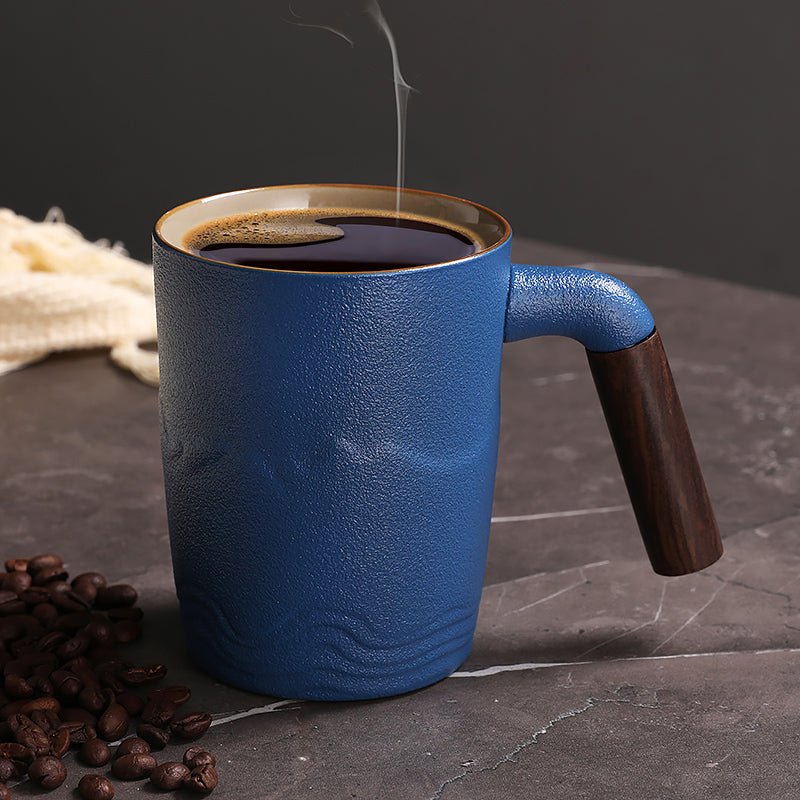
Clipart Coffee Mug Buying Guide: Best Shapes for Clean Art
Shoppers comparing a clipart coffee mug need more than a nice mockup. This guide covers shape, print area, care, and which CoffeifyMug styles fit desks, gifts, and daily use.
Per saperne di più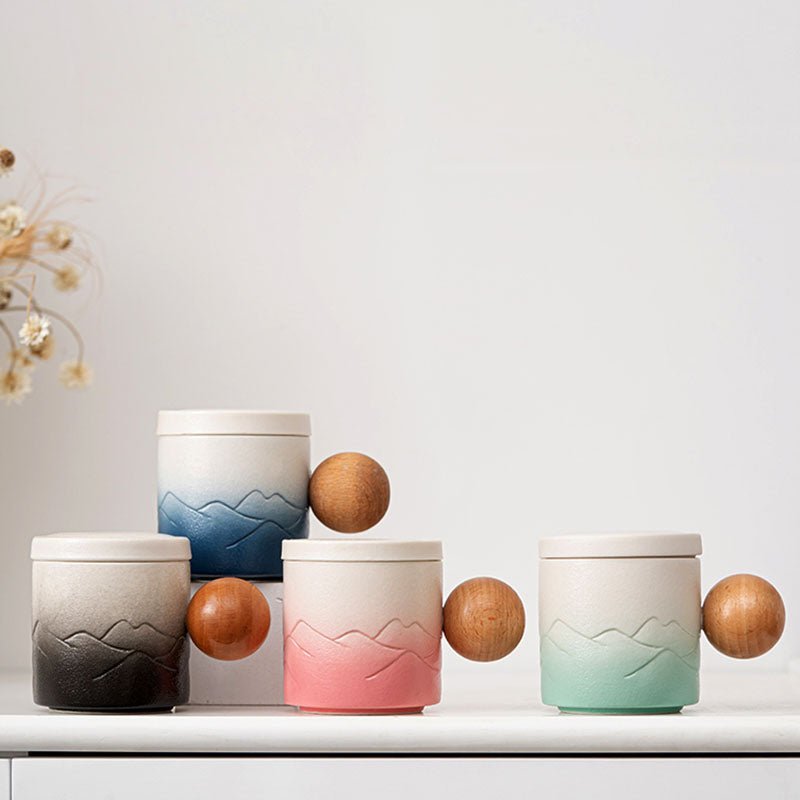
Flower Coffee Mug Buying Guide: Materials, Size, and Gift Fit
A flower coffee mug should feel good in the hand, pour cleanly from the counter to the desk, and hold up after repeated washing. We break down materials, size, care, and what actually makes one wor...
Per saperne di più
Commenta
Questo sito è protetto da hCaptcha e applica le Norme sulla privacy e i Termini di servizio di hCaptcha.