
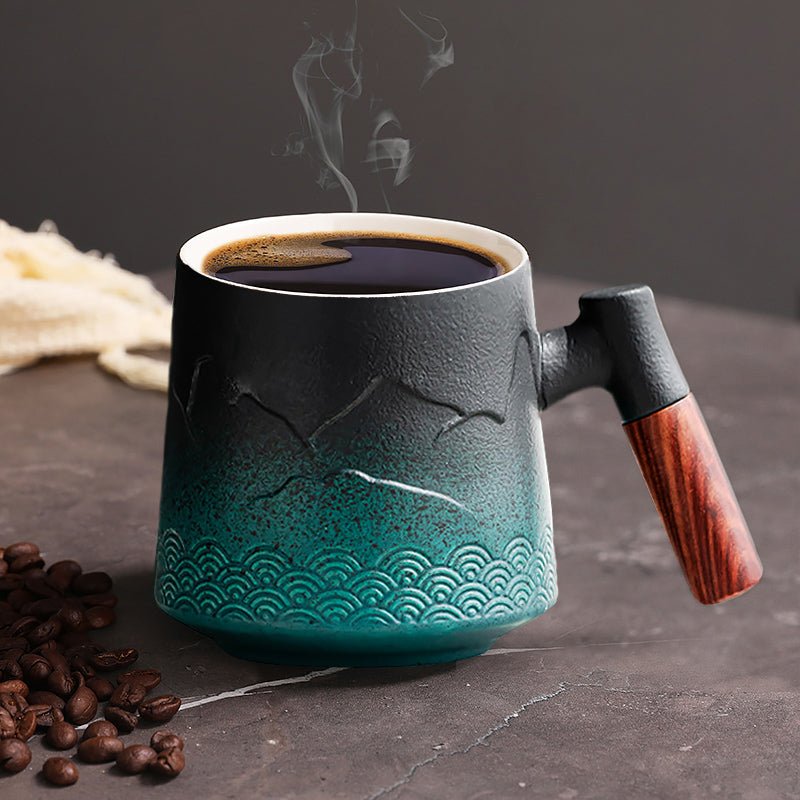
Coffee Mugs with Logo: What Buyers Should Check Before Ordering
Reading time: about 10 minutes
A logo on a mug looks simple until the first sample arrives and you notice the details that matter: the handle feels a little tight, the logo sits too close to the rim, or the finish shows fingerprints faster than you expected. That is usually the moment buyers realize coffee mugs with logo are not just a branding choice. They are an everyday-use item, and the small details show up fast on kitchen counters, breakroom shelves, and office desks.
At CoffeifyMug, we handle this category for real use, not just for photos. Our team looks at how a mug feels in the hand, how the print reads from across a room, and how it holds up after repeated washing. If you are comparing options, the right mug depends on more than the logo itself. It depends on size, material, shape, and what the mug is expected to do once it leaves the box.
If you want to see the full range first, start with our products page or browse the broader collection to compare styles side by side.
What should you check before ordering coffee mugs with logo?
Start with the basics that affect everyday use. A logo can be printed well and still end up on a mug that feels awkward, stains easily, or does not suit the drink size people actually use. We see the best buying decisions happen when shoppers check the practical details first.
- Capacity: 12 oz works well for a standard cup of coffee. 16 oz is better for larger pours, tea drinkers, or people who want room for cream. 20 oz suits bigger drinkers, but it also means a taller, heavier mug on a desk.
- Material: Ceramic is still the most common choice for office and gift use because it feels familiar, holds heat well, and takes decoration cleanly. Stainless steel is different: more durable for travel, but less suited to a classic desk mug look.
- Print area: A wide logo may look sharp on a mockup and feel crowded on the actual mug curve. We always check how the artwork wraps around the surface and how it looks from a seated angle.
- Care: If the mug will be washed daily, ask how the decoration is meant to handle dishwashing. Hand-wash-only items can be fine for gifts, but they are a poor fit for busy breakrooms.
For buyers comparing sizes, our related guides on 12 oz coffee mugs, 16 oz coffee mugs, and 20 ounce coffee mugs break down what each capacity is actually good for.
Which mug size works best for office desks, gifts, or daily use?
Size affects more than volume. It changes the feel in the hand, how stable the mug sits on a desk, and how visible the logo appears. A mug that is too large can feel clumsy. A mug that is too small can look underwhelming as a gift.
| Size | Best for | Trade-off |
|---|---|---|
| 12 oz | Standard coffee, compact desks, cleaner gift presentation | Less room for milk, foam, or larger pours |
| 16 oz | Most office use, longer coffee breaks, everyday home use | Can feel bulky for people who prefer a lighter mug |
| 20 oz | Big drinkers, tea drinkers, large-format drinkware displays | Heavier, taller, and not ideal for all cup holders or compact shelves |
In our experience, 16 oz is the safest middle ground for coffee mugs with logo when you do not know the recipient’s habits. It gives enough room for a real pour, but it still looks balanced on a desk. If you are gifting to a broad group, that balance matters.
For a deeper size comparison, our guide on large capacity coffee mugs is useful if you are torn between a standard office mug and something noticeably bigger.
What materials hold up best after repeated washing?
Most shoppers shopping for logo mugs are choosing between ceramic styles, and that is usually the right place to start. Ceramic gives you a solid feel, good heat retention, and a smooth surface for logo decoration. It is the default for a reason. That said, ceramic is not indestructible. If a mug gets knocked against a sink, chipped rims and hairline cracks are the usual failure points we watch for.
Here is how we think about material trade-offs:
- Ceramic: Best for office kitchens, client gifts, and everyday desk use. It usually offers the cleanest look for printed branding. The downside is breakage if handled roughly.
- Stoneware: Often heavier and more rustic in feel. Good if you want a more substantial gift presentation, but it can be too heavy for some users.
- Stainless steel: Better for travel and outdoor use, but it changes the whole feel of the product. It is not the right choice if you want a classic coffee mug with logo for a workstation or welcome basket.
Another detail buyers sometimes miss is glaze finish. A glossy finish can make colors pop, but it also shows smudges more easily. A matte finish can look modern and calm, but some finishes are more delicate around heavy use. For practical everyday buyers, a simple, easy-to-clean surface usually beats a specialty look.
We also point shoppers to our comparison article on American made coffee mugs if sourcing origin is part of your decision, especially for corporate gifting.
How should the logo be placed so it actually gets seen?
Logo placement matters because mugs are seen from different angles. A design that looks perfect in a flat mockup can disappear when the mug is on a desk, in someone’s right hand, or turned slightly toward the room.
We usually advise buyers to think about three viewing moments:
- Front-facing on a desk: Good for meeting tables, reception areas, and photos.
- Side view in the hand: Important if the mug will be used in daily office traffic.
- Cabinet or shelf display: Matters for gifts, branded sets, and retail display.
If your logo has fine lines or small text, keep in mind that tiny details can blur on a curved surface. Bold marks usually read better at a glance. Thin fonts can still work, but only if the artwork is clean and the mug size gives enough room. That is one reason buyers often choose simpler branding for mugs than they would for a website header or business card.
Our article on logo coffee mugs goes deeper on what to verify before you place an order, especially if you are balancing design visibility against everyday practicality.
What are the common defects buyers should watch for?
Most issues with coffee mugs with logo are not dramatic. They are the small things people notice after the box is opened or after a few dishwasher cycles. We pay close attention to these because they affect whether the mug feels polished or disappointing.
- Off-center print: The logo sits too high, too low, or slightly rotated so it looks crooked when the mug is placed on a table.
- Weak handle spacing: The handle may feel narrow or sit too close to the body, which matters if users have larger hands.
- Glaze inconsistencies: Tiny surface variations can make the finish look uneven under office lighting.
- Rim or base roughness: A mug can look fine but feel unfinished if the rim or foot ring was not cleaned up well.
These are not cosmetic nitpicks. They shape the first impression. A mug used for a client gift, employee welcome kit, or company pantry should feel intentional, not rushed. That is why we recommend checking a physical sample when possible, especially for larger orders or any design that needs exact logo placement.
Our experience has been that buyers who care about the first unboxing usually care even more about how the mug feels after a month of daily use. The second part is what determines whether the purchase feels worth repeating.
Are coffee mugs with logo good for gifts, office use, or retail resale?
Yes, but not all the same way. The right mug for a welcome basket is not always the right mug for a breakroom shelf or a resale display. The use case should shape the choice.
Best for gifts: Clean shapes, balanced weight, and a logo that reads quickly. A 12 oz or 16 oz mug is usually safer than an oversized option. Gifts should feel finished in the hand, not oversized or fragile.
Best for office use: Easy cleaning and sturdy construction matter most. If the mug is going into a shared kitchen, prioritize comfortable handles and surfaces that are not fussy to maintain.
Best for retail or branded merchandise: The design needs to carry visual appeal from a distance. Consistent color, a clear logo placement, and a style that matches the rest of the collection matter more here than in internal office use.
There are also times when coffee mugs with logo are not the best pick. If the recipient travels frequently, a tumbler or insulated travel cup may be more practical. If the mug will be used outdoors or tossed in a bag, ceramic is not the safest choice. That is a good trade-off to acknowledge before buying.
How do you choose between a simple logo mug and a company gift set?
Some buyers only need a clean, no-fuss mug. Others want the mug to feel like part of a larger branded package. Both can work, but the decision changes what you should prioritize.
If you are buying a simple mug, focus on these points:
- Comfortable handle
- Balanced weight
- Readable logo at a glance
- Easy cleaning
If you are building a gift set, the mug should coordinate with the rest of the presentation. That means the finish, size, and logo style should feel deliberate. A large mug can overpower a small gift box. A very glossy mug can look out of place beside matte packaging. Our team sees this often during gift unboxings: the mug should support the experience, not compete with it.
If you are still narrowing your options, our guide for company logo coffee mugs is a strong next read for business buyers comparing internal use versus customer-facing gifts.
Frequently asked questions
What size coffee mug with logo is best for office employees?
For most office settings, 16 oz is the most flexible choice because it handles standard coffee, tea, and room for milk or cream without feeling oversized. If your team prefers smaller, traditional pours, 12 oz is a cleaner fit. For heavy coffee drinkers, 20 oz can work, but it is less compact on a desk.
Can coffee mugs with logo go in the dishwasher?
That depends on the mug and the decoration method. Many ceramic mugs are made for regular washing, but some printed finishes last better with gentler care. If the mugs will be used daily in a shared kitchen, ask for care guidance before ordering instead of assuming all printed mugs are the same.
What is better for giveaways: ceramic mugs or travel mugs?
Ceramic mugs are better if the goal is desk use, home use, or a classic gift presentation. Travel mugs make more sense if the recipient is commuting or carrying drinks in the car. If the item needs to feel like a branded keepsake, ceramic usually wins.
How much logo detail can fit on a coffee mug?
Simple logos with clear shapes usually work best on a curved mug surface. Very small text, thin lines, and busy artwork can become hard to read once wrapped around the mug. If your design is detailed, choose a mug size and placement that gives the artwork room to breathe.
What should I check before placing a bulk order?
Ask for the exact mug size, material, care instructions, and logo placement details. Also confirm whether you are approving a sample or mockup before the full run. Those steps help catch problems like awkward sizing, poor print placement, or a finish that does not match expectations.
What is the smartest next step before you buy?
Before ordering coffee mugs with logo, compare these four items side by side: size, handle comfort, finish, and care requirements. That short checklist catches most buyer regrets before they happen. If you are choosing for an office or gift program, start with a 16 oz ceramic option unless you have a clear reason to go smaller or larger.
Then browse our current range on the all collections page or go straight to the products page to compare what fits your use case. If you want, use the size and care notes above as your shortlist before picking the mug that will actually work on a real desk, in a real kitchen, and after real washing cycles.
More from our blog
Read more
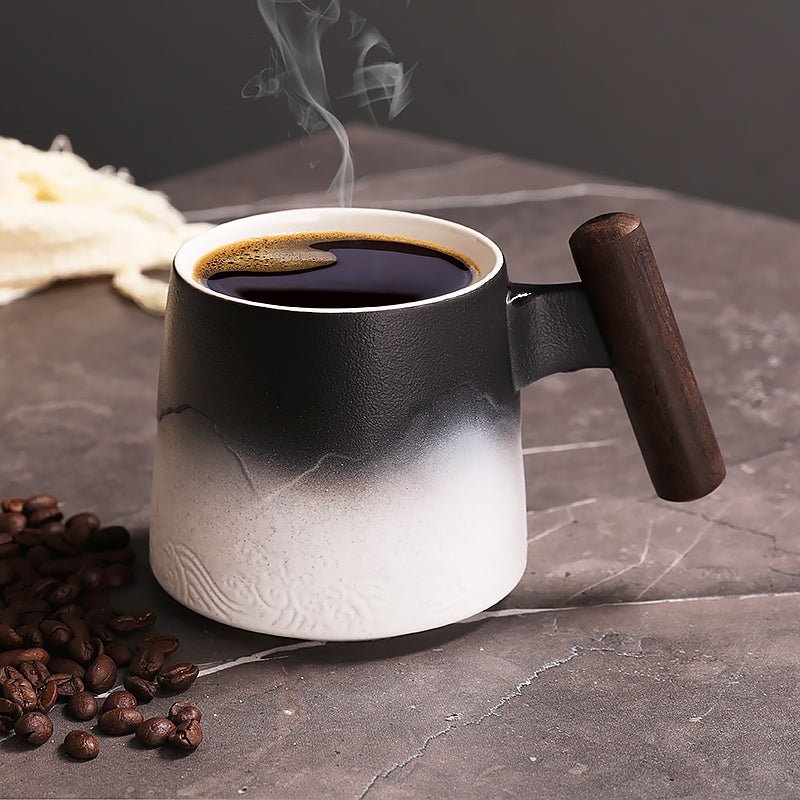
Coffee Mugs and Glasses: How to Choose the Right Everyday Drinkware
A practical buying guide to coffee mugs and glasses, with the size, material, and care details shoppers usually miss. Use it to compare everyday use, gifting, and durability before you choose.
Per saperne di più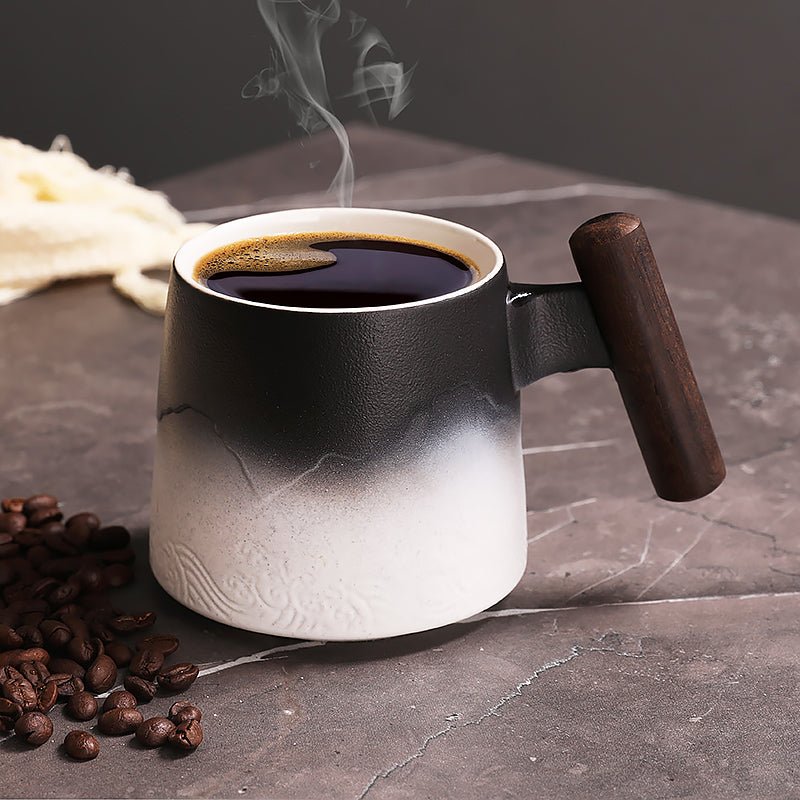
Glassware Coffee Mugs: How to Choose the Right One for Daily Use
Glassware coffee mugs look clean on the counter and feel lighter in hand, but the right one depends on wall thickness, heat retention, and how you actually drink coffee. Here’s what we check for in...
Per saperne di più
Commenta
Questo sito è protetto da hCaptcha e applica le Norme sulla privacy e i Termini di servizio di hCaptcha.