
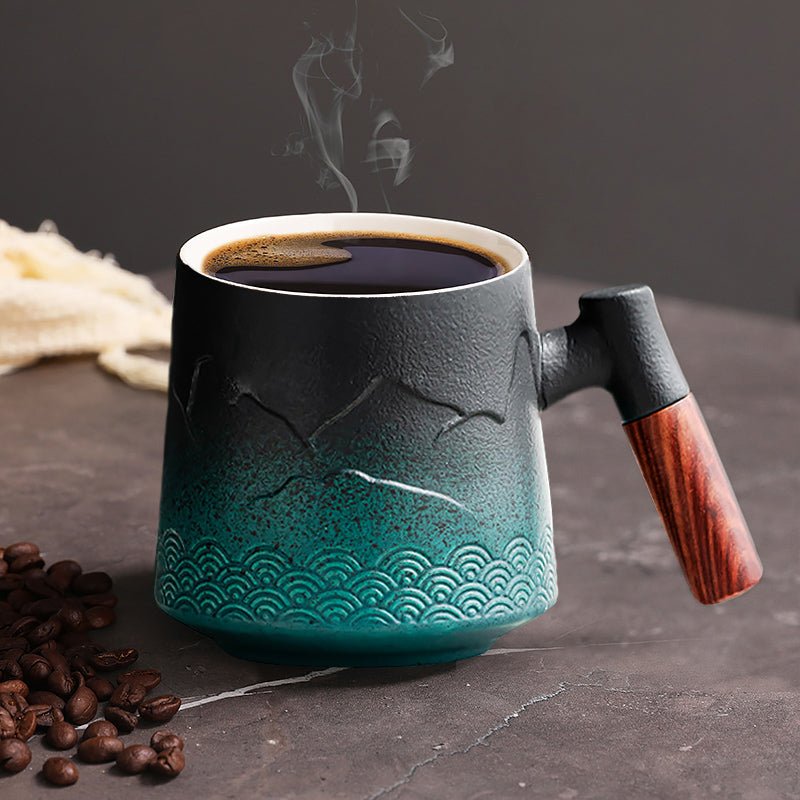
Coffee Mugs with Lids: How to Choose the Right One for Daily Use
Reading time: about 10 minutes
A coffee mug tipped on a desk is one thing. A mug tipped next to a laptop, invoice stack, or car keys is a different story. That is usually the moment people start looking for coffee mugs with lids instead of open-top mugs.
We see the same buying pattern in our store all the time: shoppers want something that still feels like a real mug, but with less splash risk and better heat retention for slow sips. The right lid can make a morning coffee easier to finish. The wrong one can rattle, trap too much steam, or pop off too easily.
Below, we break down what actually matters before you buy. If you are still comparing overall sizes too, our guides on 12 oz Coffee Mugs: What to Check Before You Buy and 16 oz Coffee Mugs: What to Check Before You Buy are useful companions, especially if you are deciding between a standard desk mug and something roomier.
What problem should a lid actually solve?
A lid should do one or more of three things well: reduce splashing, slow heat loss, and keep dust or office debris out of the cup. That sounds simple, but the best choice depends on how you drink.
For a desk setup, a lid mainly prevents accidental spills when you move the mug an inch or two between keyboard and notebook. For a kitchen counter, it keeps coffee warm while you answer the door or feed the cat. For a commute, the lid needs to be much more secure than a casual drink-at-home lid, and that is where some mug-style lids fall short.
Our practical rule: if you want a mug for home or office, choose a lid that fits snugly and opens easily with one hand. If you need something for a bag, car cup holder, or long carry, you may be better off with a true travel tumbler instead of a standard mug with lid.
Which lid types are worth considering?
Lid style changes how the mug behaves. We handle enough of these to know that the lid is not an accessory; it is part of the drinking experience.
| Type | Best for | Main trade-off |
|---|---|---|
| Push-on splash lid | Desk use, home use, short breaks | Usually not leakproof for travel |
| Slide-open sip lid | People who sip often and want less heat loss | Moving parts can collect residue if not cleaned well |
| Lift-off lid | Keeping dust out and slowing cooling at home | Not ideal if you move around while drinking |
| Silicone-seal style lid | More secure fit and quieter use | Can wear faster if handled roughly or washed poorly |
In our experience, the simplest lids are often the easiest to live with. A one-piece lid with a solid fit is less annoying than a fancy mechanism that jams after a few dishwasher cycles. If you want a larger drink and a lid to match, our article on 20 Ounce Coffee Mugs: What Buyers Should Check Before Ordering helps with the size side of the decision.
Which materials hold up best for everyday use?
Material changes weight, heat retention, durability, and how the lid fits. We usually see three common setups for coffee mugs with lids: ceramic mugs with plastic or silicone lids, stainless steel mugs with fitted lids, and double-wall insulated designs.
Ceramic mugs with lids
Ceramic feels familiar. It has that real-mug feel many shoppers want on a kitchen table or office desk. It usually cleans easily and looks good in a gift box. The downside is that ceramic can chip if it gets knocked against a sink or dropped from hand height, and some lids may loosen over time if they are not matched well to the rim.
Stainless steel mugs with lids
These are better if heat retention matters more than table presentation. They are usually tougher for commuting and less likely to break, but they can feel less like a traditional mug. Some people also dislike the metallic drinking feel, especially if the lid opening is small.
Double-wall insulated mugs
These are the ones people buy when they want coffee to stay drinkable longer without needing a microwave refill. They are a smart pick for long work sessions. The trade-off is that they are often bulkier and sometimes less comfortable in smaller hands.
If you are buying for a home office, ceramic with a fitted lid is often the sweet spot. If you are buying for a backpack, car, or job site, stainless steel usually makes more sense. And if style matters as much as function, our broader collection of mugs and drinkware is the easiest place to compare what fits your routine.
What size should you pick if you actually want to use it every day?
Size sounds straightforward until you start using the mug for real. A 12 oz mug feels compact and easy to finish before the coffee goes cold. A 16 oz mug gives more room for milk, cream, or a second pour. A 20 oz mug helps if you take longer to drink or want fewer refills, but it can be heavy when full and awkward for smaller hands.
Here is how we usually frame it for shoppers:
- 12 oz: Best for espresso-based drinks, shorter coffee breaks, and people who want a lighter mug.
- 16 oz: The most flexible size for standard drip coffee and desk use.
- 20 oz: Better for long mornings, larger pours, or anyone who dislikes frequent refills.
We also tell customers to think about lid fit and headspace. A mug filled to the rim is a spill waiting to happen, even with a lid. Leave room under the lid so the drink does not press against the underside when you walk across the room.
What lid details separate a good mug from an annoying one?
This is where shoppers often get frustrated. Two mugs can look nearly identical online, but the lid experience can be completely different in hand.
- Fit at the rim: A good lid sits snugly without wobbling. A loose fit invites splashes.
- Easy opening: If you need both hands or too much force, you will stop using it.
- Steam control: A lid that seals too tightly can build pressure and make sipping awkward. A small vent or sip opening helps.
- Cleaning access: Smooth edges and fewer grooves are easier to wash, especially if you use milk or sweeteners.
- Noise: Cheap lids can click, rattle, or squeak every time you lift the mug. That gets old fast.
We have also seen common defect modes that shoppers should watch for: lids that warp after heat exposure, silicone seals that lift at the edge, and sip covers that become sticky after repeated dishwasher use. None of that means a lid is bad by default. It just means the simplest construction often ages better.
Our store advice: choose the lid for your daily routine, not for the best-looking product photo. A quiet, easy lid you use every morning is better than a complicated one that lives in the cabinet.
Are coffee mugs with lids dishwasher-safe?
Some are, some are not, and the difference matters more than people think. A ceramic mug may be dishwasher-safe, while the lid might need top-rack care or hand washing. A stainless steel mug can sometimes go in the dishwasher, but the lid mechanism or seal may not love repeated heat cycles.
In our experience, the safest habit is to check both the mug body and the lid separately. That is especially true if the lid has a silicone gasket, a sliding sip cover, or printed decoration. These parts tend to wear faster than the mug itself.
If you are buying a mug for a shared office kitchen, hand-wash-friendly pieces can be a better choice because they keep looking cleaner over time. If you want something low-maintenance for home use, make sure the lid design is simple enough that you can rinse it out without a brush fight.
What should you choose for home, office, or travel?
The right mug changes with the setting. A lid that is perfect on a breakfast table may be frustrating in a moving car.
- Home: A ceramic mug with a snug lid is usually the best balance of comfort and mess control.
- Office: Choose a stable base, moderate size, and a lid that opens quietly.
- Travel: Look for a secure seal and a design that is meant to resist leakage. A standard mug lid is often not enough.
- Gifting: Pick a mug that looks good out of the box and has simple care instructions. Nobody wants a gift that needs a long explanation.
For shoppers comparing style-led options, our article on Anthropologie Coffee Mugs: How to Compare Style, Size, and Everyday Use can help you weigh looks against practicality without guessing from photos alone.
What are coffee mugs with lids not good for?
They are not the best choice if you need a fully leakproof container. They are also not ideal if you toss your drink into a bag, backpack, or car cup holder and expect zero movement. Many mug lids reduce mess; they do not replace a true travel seal.
They are also not the best option for people who sip extremely hot coffee immediately after pouring. Some lids hold in heat so well that the first few sips can feel hotter than expected. If you drink right away, a lid with an open sip design or a less insulated mug may suit you better.
And if you like oversized hands-free drinking during long commutes, a classic mug shape may feel clumsy. In that case, a travel tumbler may simply be the more honest purchase.
How we recommend comparing options before you buy
We suggest looking at coffee mugs with lids the same way we would in our own store: by use case first, then by details. A pretty lid is not enough. A practical one is.
- Decide where you will use it most: kitchen, desk, or travel.
- Choose the size based on how much you actually pour, not how much you wish you drank.
- Check the lid type: simple push-on, slide-open, or sealed style.
- Confirm care instructions for both body and lid.
- Look at the rim, handle, and base as a set. A lid cannot fix a mug that feels awkward in the hand.
If you want to start comparing current options, our products page is the fastest way to see what we carry right now. If you prefer to browse the full range first, the all collections page gives you the broader picture before narrowing down.
Frequently asked questions
Are coffee mugs with lids leakproof?
Usually not in the way a travel mug is. Many coffee mugs with lids are designed to reduce splashes and slow cooling, not survive being tipped sideways in a bag. If you need true leak resistance, look for a product specifically built for travel.
Can I put a lidded coffee mug in the microwave?
Sometimes the mug itself can go in the microwave, but the lid often cannot. Plastic lids, metal parts, or sealed silicone pieces may not be microwave-safe. Always check the lid separately before heating.
What size coffee mug with lid is best for daily use?
For most people, 16 oz is the most versatile daily size. It gives enough room for a normal pour plus milk or cream without feeling too bulky. If you prefer shorter drinks, 12 oz is easier to finish while still hot.
Do coffee mugs with lids keep coffee hot longer?
Yes, they usually help retain heat longer than an open mug, but the result depends on material and lid fit. Ceramic with a snug lid slows heat loss for a while, while insulated stainless steel usually holds temperature longer. The trade-off is that better heat retention can make the first sip hotter.
How should I clean a lid with a silicone seal or sliding cover?
Rinse it soon after use, then wash all grooves and edges carefully with warm water and mild soap. Moving parts and seals can trap coffee oils and milk residue, so a quick rinse alone is not enough. If the lid has small channels, a soft brush helps.
If you are ready to compare practical options, start with the size guide that fits your routine and then move to the product listings. For many buyers, that means checking the mug dimensions first, then choosing the lid style second. Our current products are the best place to do that side by side.
More from our blog
Read more
Smart Coffee Mug Buyer’s Guide: What to Check Before You Buy
A practical guide to choosing a smart coffee mug that actually fits your desk, commute, and coffee routine. We cover heating performance, battery trade-offs, materials, and the small details buyers...
Per saperne di più
Starbucks Coffee Mugs Amazon: What Buyers Should Check First
A practical buying guide for shoppers comparing Starbucks coffee mugs Amazon listings, with the real checks that matter: material, size, handle feel, and care. We also point out where a different m...
Per saperne di più
Commenta
Questo sito è protetto da hCaptcha e applica le Norme sulla privacy e i Termini di servizio di hCaptcha.