
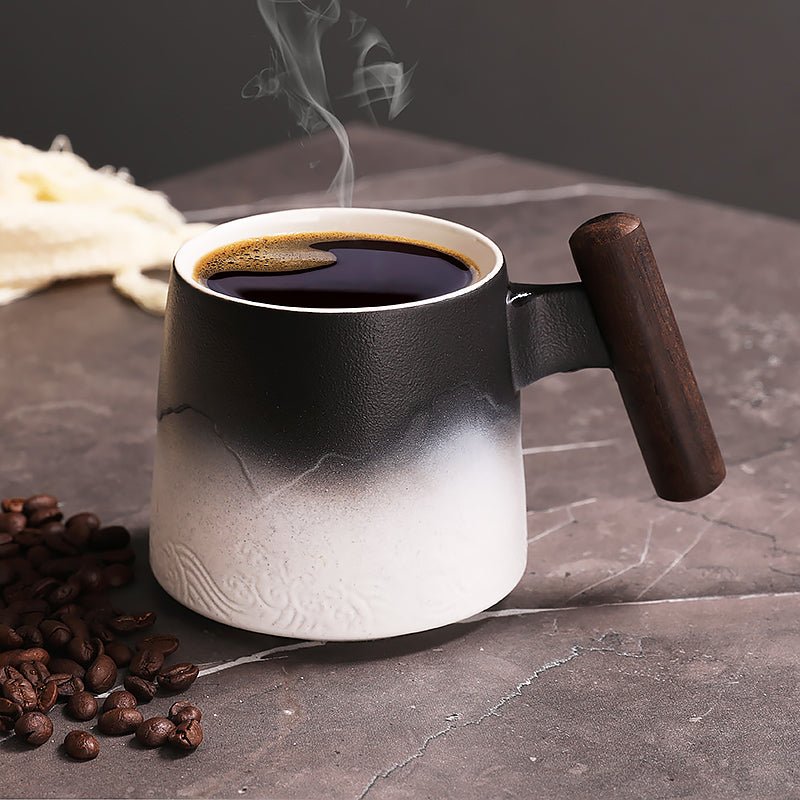
Coffee Mugs Williams Sonoma: What to Compare Before You Buy
Reading time: about 9 minutes
A mug looks simple until it feels awkward in your hand, tips over on a desk, or comes out of the dishwasher with a glaze mark you didn’t expect. We see that all the time in our store conversations: shoppers want coffee mugs williams sonoma style and quality, but they also want to know what actually matters before they buy.
This guide is built for that decision. We’ll compare the practical details that affect everyday use: capacity, material, handle comfort, and care. If you want a broader look at our own assortment while you compare options, start with our full mug collection. And if you’re sizing up specific capacities, our related guides on 12 oz coffee mugs and 16 oz coffee mugs are useful side-by-side reads.
What are shoppers really looking for in coffee mugs Williams Sonoma style?
Most buyers are not just looking for a logo or a store name. They want a mug that works on a real kitchen counter, in a shared office, or as a gift that won’t feel flimsy after one week. In our experience, the “right” mug usually balances three things: it feels sturdy, it fits the amount of coffee someone actually drinks, and it holds up to repeat washing.
That means paying attention to the details people often skip:
- Capacity: a 12 oz mug feels different from a 16 oz or 20 oz mug, especially once you add milk or foam.
- Material: porcelain, stoneware, and ceramic each behave a little differently in hand and in the dishwasher.
- Handle shape: a handle that looks nice in photos can still be tight for larger fingers or uncomfortable when the mug is full.
- Base stability: wider bases are usually better for desks and busy counters.
If you want a deep dive into what buyers should check before ordering that style specifically, we also published Williams Sonoma Coffee Mugs: What Buyers Should Check Before Ordering.
Which mug size fits your routine best?
Size changes how a mug feels more than most shoppers expect. A 12 oz mug is a common all-purpose choice for drip coffee and tea. A 16 oz mug is better for people who want a larger pour, extra milk, or fewer refills. A 20 oz mug is useful for long work sessions, but it can feel oversized if you mostly drink short coffees or espresso-based drinks.
Here’s how we usually explain it to customers at our store:
| Size | Best for | Trade-off |
|---|---|---|
| 8 oz | Small pours, espresso drinks, tea service, compact cabinets | Too small for many standard coffee drinks |
| 12 oz | Everyday drip coffee and balanced hand feel | Not ideal if you add a lot of milk or like oversized servings |
| 16 oz | Large coffee, latte-style drinks, office desks | Heavier when full; can feel bulky for smaller hands |
| 20 oz | Long workdays, big iced or hot pours | Less stable and not as convenient for compact storage |
If you’re torn between two sizes, read our focused articles on 20 ounce coffee mugs and 8 ounce coffee mugs. Those comparisons help when you’re trying to match a mug to a real routine, not just a product photo.
Which material holds up best in daily use?
For most coffee mugs, the conversation comes down to ceramic, stoneware, and porcelain. They all have a place, but they do not feel the same in hand or age the same way over time.
Ceramic
Ceramic mugs are common because they’re versatile and usually comfortable to drink from. They often have a solid, familiar feel. The trade-off is that some ceramic glazes show utensil marks sooner, and a lighter ceramic body can chip if it gets banged around in a crowded sink.
Stoneware
Stoneware is usually thicker and more substantial. Many shoppers like the weight because it feels durable on a breakfast table. The downside is that stoneware mugs can be heavier when full, so they’re not the best choice for someone who wants a very light cup.
Porcelain
Porcelain tends to feel refined and a bit lighter than stoneware. It works well for gift-giving or a cleaner table setting. The limitation is that it may not feel as rugged to someone who wants a rugged everyday mug for a busy office or a family kitchen with a lot of traffic.
We don’t rank one material as universally “best.” We match it to the use case. If the mug will live by a coffee maker and go through frequent dishwasher cycles, durability and glaze quality matter more than a delicate look. If it’s for a gift box, the presentation and finish can matter just as much as the feel.
What should you check about handle comfort and rim shape?
Handle comfort is one of the first things a shopper notices after unboxing, and one of the easiest to overlook online. We pay attention to how two fingers fit, whether the mug feels balanced when lifted, and whether the handle gives enough clearance for larger hands.
A few practical checks help:
- Handle opening: Make sure it looks large enough for the user’s fingers, not just their thumb.
- Wall thickness: Thicker walls can help with heat retention, but they also make the mug heavier.
- Rim finish: A smooth, even rim makes sipping more comfortable and feels better during repeated use.
- Balance point: A mug that feels top-heavy can be annoying on a laptop desk or a crowded breakfast table.
In our experience, people often return to this detail after the first wash and first pour. The mug may look great on the page, but if the handle pinch feels awkward when the cup is full, it will not become a daily favorite.
How should you think about dishwasher and microwave care?
Care instructions are not glamorous, but they decide how long a mug stays part of your routine. Many shoppers want a mug they can use for coffee, heat in the microwave, and place in the dishwasher without a second thought. That is reasonable, but not every mug finish behaves the same way.
Here’s the practical version we use in the store:
- Check the glaze type. Glossy finishes usually wipe clean more easily than textured ones, which can hold onto coffee residue around the surface detail.
- Look at any decorative edge or metallic accent. Those details may change microwave compatibility.
- Watch the base. A rough foot ring can leave marks on some surfaces and can collect residue if not rinsed well.
- Plan for dishwasher wear. Repeated cycles can fade certain prints or make minor glaze crazing more noticeable over time.
That last point matters. A mug can still be usable even if it develops small cosmetic changes, but if you want something that keeps a clean, polished look, choose a simpler finish and a sturdier glaze. For shoppers comparing brands beyond Williams Sonoma, our article on Amazon Coffee Mugs: How to Compare Materials, Sizes, and Everyday Use is a useful contrast point.
What are the common defects or disappointments buyers should watch for?
We handle enough drinkware to know the most common issues show up fast. They are usually not dramatic. They’re small things that become annoying after a week of use.
- Uneven glaze: small shifts in color or texture can happen, but heavy inconsistency is a warning sign for finish quality.
- Thin handle attachment: if the handle looks weak where it meets the mug body, that can be a stress point over time.
- Wobble on the table: a mug should sit flat. A slight rock on a hard surface is frustrating on a desk and can signal poor base finishing.
- Temperature mismatch: a mug that feels too hot to hold after a short pour may not be the best everyday choice.
None of those issues mean a mug is unusable, but they do affect satisfaction. A good mug is not just attractive in a product photo. It feels predictable in the hand, survives a busy sink, and stacks or stores without fuss.
Is a Williams Sonoma-style mug the right choice for gifting?
Often, yes — if the recipient likes classic kitchenware and you choose a size that fits their habits. A clean, simple mug works well for housewarming gifts, teacher gifts, and office exchanges because it does not depend on a specific trend or joke to feel thoughtful.
Still, there are trade-offs. A gift mug is not ideal for someone who prefers ultralight cups, insulated travel drinkware, or a very specific espresso service. It also may not be the best fit if the recipient already has a tightly matched set and only wants one exact replacement piece.
For gifting, we usually recommend:
- Choose 12 oz if you’re unsure.
- Choose 16 oz if they regularly make lattes or large drip coffee.
- Skip oversized mugs if the gift is for someone with limited cabinet space.
- Favor neutral finishes if you want the mug to fit into different kitchens.
If you’re comparing by capacity first, our guide to large capacity coffee mugs can help you decide whether bigger is actually better.
How does our collection fit into this comparison?
We sell mugs for shoppers who want the same practical feel they associate with classic retail kitchenware, but with a tighter focus on everyday use. Our team cares about the things that show up after the first unboxing: the weight in the hand, the ease of washing, the stability on a countertop, and whether the mug still feels good after a month of use.
If you want to compare styles side by side, start with our product page and then narrow by capacity or finish. That is usually the fastest way to decide what belongs in a breakfast cabinet versus what belongs on a desk.
We tell shoppers the same thing we tell friends: buy the mug that matches the way you actually drink coffee, not the mug that only looks good in the cart.
Frequently asked questions
Are coffee mugs Williams Sonoma style usually dishwasher safe?
Many are, but you should always check the specific care instructions for the exact mug. Simple glazed ceramic and stoneware mugs are often dishwasher safe, while decorative finishes, metallic accents, or hand-painted details may need gentler care. Repeated dishwasher cycles can also make cosmetic wear more visible over time.
What size coffee mug should I buy if I drink one cup in the morning?
A 12 oz mug is usually the safest everyday choice for a standard coffee drink. If you add a lot of milk or want a larger pour, 16 oz may fit better. A 20 oz mug is usually more than most one-cup morning routines need.
Is stoneware better than porcelain for coffee mugs?
Stoneware is generally heavier and feels more substantial, while porcelain usually feels a little lighter and more refined. Stoneware can be a better fit for rugged daily use, but porcelain can be nicer for a cleaner table setting or gift. The better choice depends on whether you prefer durability feel or a lighter hand feel.
What should I check before buying a mug online?
Check the size, material, handle opening, and care instructions first. Then look closely at the base and rim details, because those affect stability and comfort more than most product photos show. If possible, compare it with a mug you already like at home.
Do large mugs work well for espresso drinks?
Usually not. Large mugs can make espresso-based drinks feel diluted or underfilled unless you add extra milk or foam. For cappuccinos, cortados, and smaller coffee drinks, an 8 oz or 12 oz mug often feels more proportionate.
If you’re ready to narrow your choice, use a simple checklist: pick the size you actually pour, confirm the material and care instructions, and compare handle comfort against the mugs you already use. Then head to our full collection or review our current product selection to find the right fit.
Read more
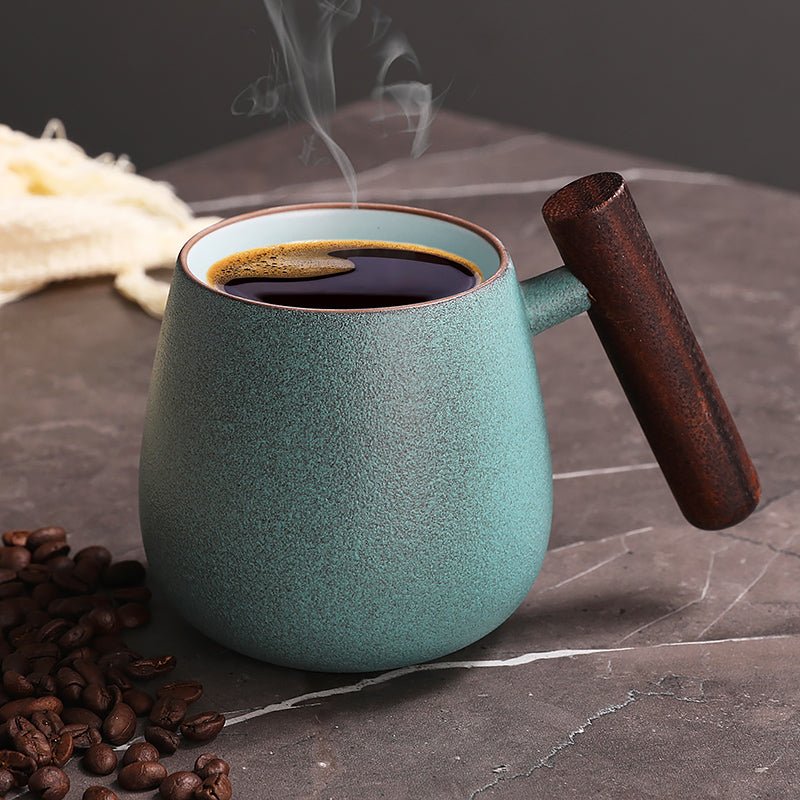
Standard Coffee Mug Size: What Buyers Should Know Before Ordering
A standard coffee mug size is usually around 11 to 15 oz, but the right choice depends on how you drink coffee, how much room your machine leaves, and whether you want a mug for daily use or giftin...
Per saperne di più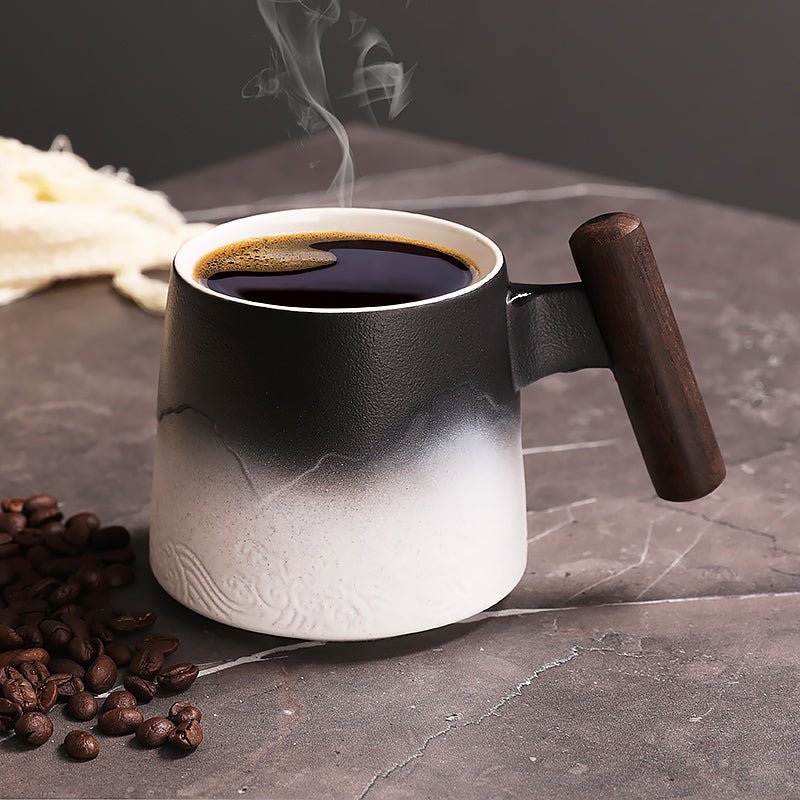
Ello Coffee Mug Buying Guide: What to Check Before You Buy
A practical guide to choosing an ello coffee mug based on size, lid design, heat retention, and daily use. We break down what matters at the desk, in the car, and at home so you can pick the right ...
Per saperne di più
Commenta
Questo sito è protetto da hCaptcha e applica le Norme sulla privacy e i Termini di servizio di hCaptcha.