
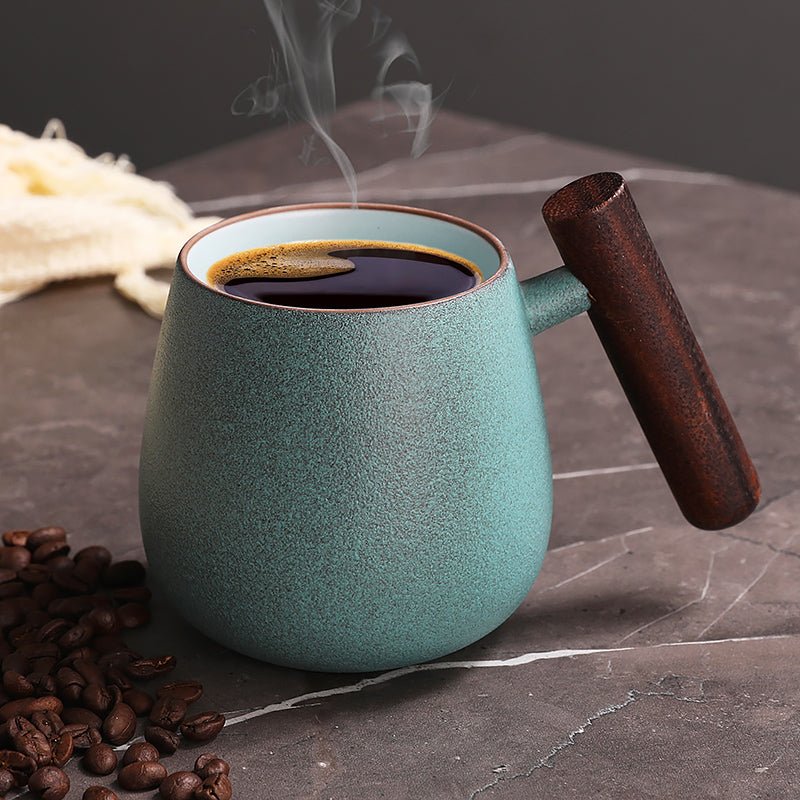
Coffee Mugs Wholesale: How to Pick Styles That Move in Bulk
Reading time: about 9 minutes
A box of mugs can look perfect on the warehouse shelf and still miss the mark once it reaches a kitchen counter, office breakroom, or gift table. Handles feel different in the hand. Glazes read differently under warm light. And a shape that photographs well is not always the shape that sells best in bulk.
That is the real job of coffee mugs wholesale: choosing styles that are easy to stock, easy to explain, and easy for your customer to use every day. In our store, we look at these buys the same way a real buyer does: stackability, comfort, durability, and how the mug presents when it comes out of the box.
If you want a quick starting point, browse our full mug collection and compare the shapes side by side. If you already know you want a more finished, gift-ready look, the Retro Coffee Tea Cup is a strong reference point for a style that feels a little more curated than a plain office mug.
What should wholesale buyers look for first?
The first question is not color. It is how the mug will actually be used.
A café chain, office manager, subscription box team, and retail shop all buy mugs for different reasons. That changes the right shape, weight, and finish. A mug that works well for a desk usually has a stable base and a handle that fits a few different hand sizes. A mug intended for gift orders needs a cleaner silhouette and a finish that holds up when unboxed, photographed, and handled a few times before use.
We usually tell buyers to check these points first:
- Shape: straight-sided, rounded, fluted, or retro-inspired.
- Handle comfort: enough room for a normal grip, especially if the mug will be used daily.
- Stacking and storage: some forms save shelf space better than others.
- Surface finish: glossy glazes show fingerprints and reflections differently than matte or lightly textured surfaces.
- Cleaning: smooth interiors and simple curves are easier to wash and rinse fully.
For a broader buying view, we also recommend our article on wholesale coffee mugs styles, sizes, and bulk options. It is useful if you are still deciding whether your order should lean practical, decorative, or gift-focused.
Which mug styles sell best in bulk orders?
There is no single winner. The right style depends on the buyer’s use case and the shelf next to it.
Three styles come up often in bulk orders because they solve different problems:
| Style | Best for | Trade-off |
|---|---|---|
| Retro cup | Gift shops, styled kitchens, boutique retail | Less utilitarian if you want a plain breakroom mug |
| Ball-handled mug | Daily coffee drinkers, desk use, more distinctive merchandising | Can feel less traditional to buyers who want a classic diner mug |
| Pleated cup | Display-led assortments, home decor buyers, tea and coffee sets | More visual detail means it is not the easiest match for minimal product lines |
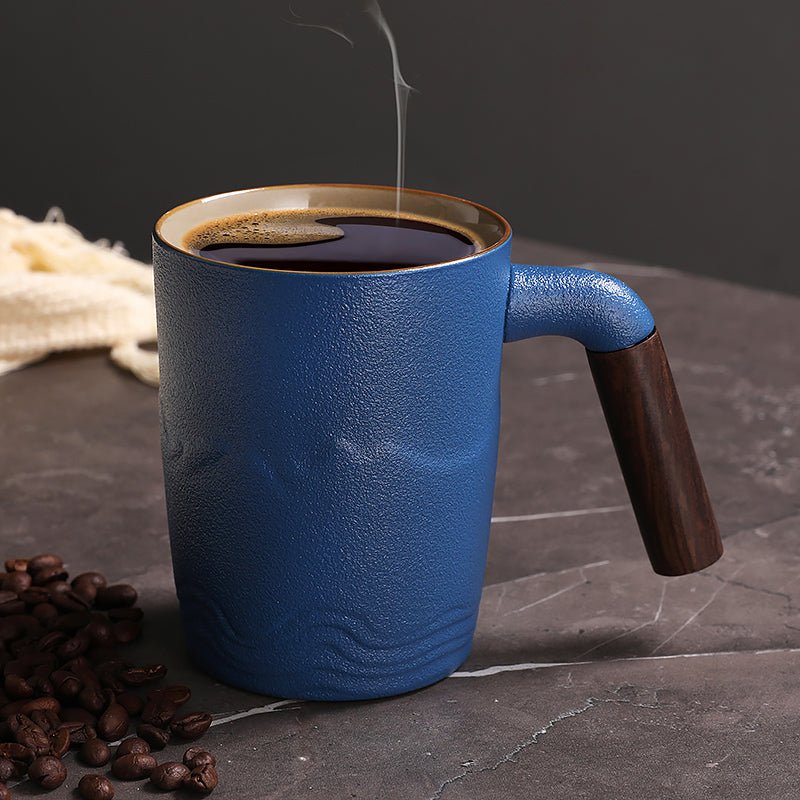
The Ball Handled Coffee Tea Mug is a good example of a mug that stands out without needing a loud colorway. The handle shape alone gives it a different shelf presence, which matters when your customer is comparing ten similar listings online. The Pleated Coffee Tea Cup is stronger for buyers who want texture and a more decorative profile.
If you are building a broader assortment, a mix of one clean classic and one more distinctive shape often performs better than buying five similar mugs that all compete for the same customer.
What materials and finishes hold up best in daily use?
For most coffee mugs wholesale orders, the practical baseline is ceramic. It handles heat well, feels substantial in the hand, and gives buyers a familiar drinking experience. The main variable is not just the material. It is the wall thickness, glaze quality, and rim finish.
Here is what we pay attention to when we inspect mugs in our store:
- Rim smoothness: a clean rim feels better on first sip and usually signals better finishing overall.
- Glaze consistency: uneven glaze can create visual banding, pinholes, or dull patches that stand out under retail lighting.
- Base stability: a mug that rocks slightly on a flat counter becomes a return risk fast.
- Handle attachment: the join should feel solid, with no obvious seam weakness or thin spots.
One common defect mode in lower-quality bulk mugs is a handle that looks fine but feels awkward once filled. Another is a glossy surface that shows minor scratches more clearly than expected after packaging, stacking, and repeated handling. Those issues do not always show up in a product photo. They show up at the packing table.
That is why we prefer to evaluate style and finish together, not separately. A beautiful mug that chips easily at the rim or stains quickly around the base is a poor wholesale buy, even if the first photo looks strong.
How do you choose the right mug size for your customer?
Size should match use, not just preference. A mug that feels generous in a showroom may be too bulky for a small kitchen cabinet or crowded office shelf.
For buyers comparing options, our size-focused posts can help narrow the field. See 10 oz coffee mugs if your customers want a compact daily cup, and review 12 ounce coffee mugs if you need the most common middle-ground option for coffee and tea.
Here is the practical breakdown we use:
- Smaller mug: better for buyers who drink smaller pours, want less cabinet footprint, or prefer a lighter feel.
- Mid-size mug: the safest all-around choice for offices, gifting, and general retail.
- Larger mug: useful for people who want more room for milk, tea, or longer desk sessions, but not ideal if storage is tight.
Do not assume bigger is better. Larger mugs can feel clumsy in hand, cool at a different rate, and take up more shelf space. If your customer is shopping for a clean everyday mug, a medium profile usually creates fewer returns.
What should you expect from wholesale mug quality control?
Wholesale buyers do not need perfection. They do need consistency. That means the mugs in a carton should look like they belong together, not like they were pulled from three different production runs.
Before ordering, we look for a few things that reduce avoidable problems:
- Color consistency: especially important for white, cream, and earth-tone glazes.
- Even handles: one slightly tilted handle can stand out in a stack or on a shelf.
- Clean foot rings: rough or unfinished bottoms can scratch counters and make the mug feel less refined.
- Chip resistance at the rim: the rim and handle join are the most handled areas in daily use.
A wholesale mug is not the right fit if your customer needs a fragile, ultra-thin porcelain feel for formal service. It is also not the best choice if they want a travel mug replacement or something that needs insulation. For that use case, a different product category is the better fit.
For buyers who want a more style-forward assortment without overcomplicating inventory, the right move is usually a simple core mug plus one or two accent pieces. The goal is to avoid stacking too many similar shapes that do the same job.
Which products are easiest to merchandise together?
We have found that buyers do better when they group mugs by visual story rather than by random shape alone. A coordinated set looks cleaner in product photos and helps shoppers decide faster.
For example, you can build a small assortment around three distinct looks:
- Retro Coffee Tea Cup for a warm, classic feel.
- Ball Handled Coffee Tea Mug for a more recognizable daily-use silhouette with a little character.
- Pleated Coffee Tea Cup for a more decorative, textured presentation.
That approach works well for gift bundles, countertop displays, and online collections where shoppers compare style first and price second. It is less effective if your buyer wants identical replacement mugs for a pantry or office kitchen. In that case, consistency matters more than visual variety.
If you are still deciding between style families, our internal guide how to choose the right style for bulk orders is the most direct next read.
How should you evaluate mugs before you place a bulk order?
We suggest a simple review process. It keeps you from overbuying a shape that looks good in photos but underperforms in real use.
- Check the mug in hand for handle comfort and balance.
- Look at the rim and base for clean finishing.
- Decide whether the style belongs in a kitchen, office, or gift presentation.
- Match the size to the drink habits of your customer base.
- Confirm that the style fits your storage and shipping plan.
If you are placing a wholesale order for retail, also think about the unboxing moment. A mug with a pleasing silhouette and a stable base feels more premium when it comes out of the box. That matters even for buyers who never read product copy.
Our team usually treats mug buying as a blend of function and presentation. If either one is weak, the order is harder to sell through.
Frequently asked questions
What is the best style for coffee mugs wholesale orders?
The best style depends on the customer you are serving. A classic shape works well for offices and general retail, while a more decorative style is better for gift buyers and home decor shoppers. If you are unsure, start with one neutral mug and one accent style so you can compare sell-through in real use.
Are ceramic mugs a good choice for bulk buying?
Yes, ceramic is the most practical starting point for many bulk orders because it feels familiar, holds heat well, and presents well on shelves. The trade-off is that ceramic is not ideal for drop-heavy environments or travel use. If you need insulation or very light weight, a different category may fit better.
How do I know if a mug will feel comfortable in the hand?
Check the handle opening, the balance of the cup, and how the rim feels when you lift it. A good mug should not feel top-heavy once filled, and the handle should allow a natural grip without forcing the fingers into a tight pinch. If possible, compare two shapes side by side rather than judging from photos alone.
What problems should I watch for in wholesale mug quality?
Look for chipped rims, uneven handles, unstable bases, and glaze issues such as pinholes or patchy coverage. These are the common problems that show up after unpacking or after a few uses. They are also the kinds of flaws that can create avoidable returns if you miss them during ordering.
Which mug size is safest for general resale?
A mid-size mug is usually the safest all-around option because it works for coffee, tea, and desk use without feeling too small or too bulky. Larger mugs can be attractive, but they take more space and are not always the best fit for every buyer. If your customers are broad and mixed, mid-size tends to be the easiest sell.
If you want to compare styles quickly, start with our collection page and shortlist the mugs that fit your customer’s use case, not just the look of the product photo. Then choose the shape that will still make sense after the box is opened, washed, and put on a real counter.
Read more
Anime Coffee Mug Buying Guide: What to Check Before You Buy
A practical guide to choosing an anime coffee mug that looks good on a desk, holds up in daily use, and fits the way you actually drink coffee or tea. We cover size, materials, care, and where our ...
Per saperne di più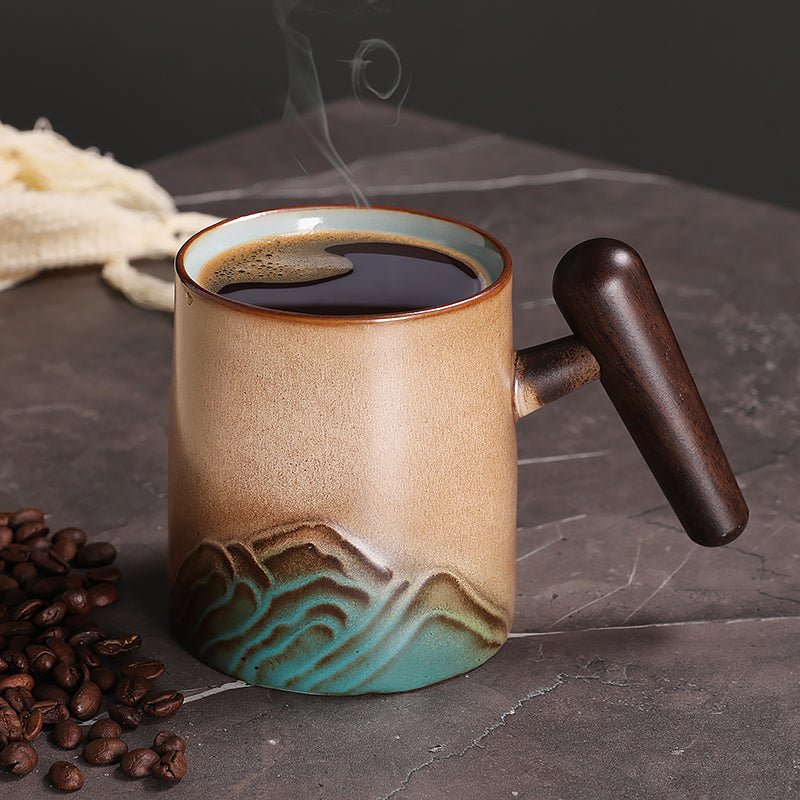
Barbie Coffee Mug Buying Guide: Style, Fit, and Best Picks
A practical guide to choosing a barbie coffee mug that looks playful on the shelf and still works for daily use. We cover size, shape, care, and the trade-offs to watch before you buy.
Per saperne di più
Commenta
Questo sito è protetto da hCaptcha e applica le Norme sulla privacy e i Termini di servizio di hCaptcha.