
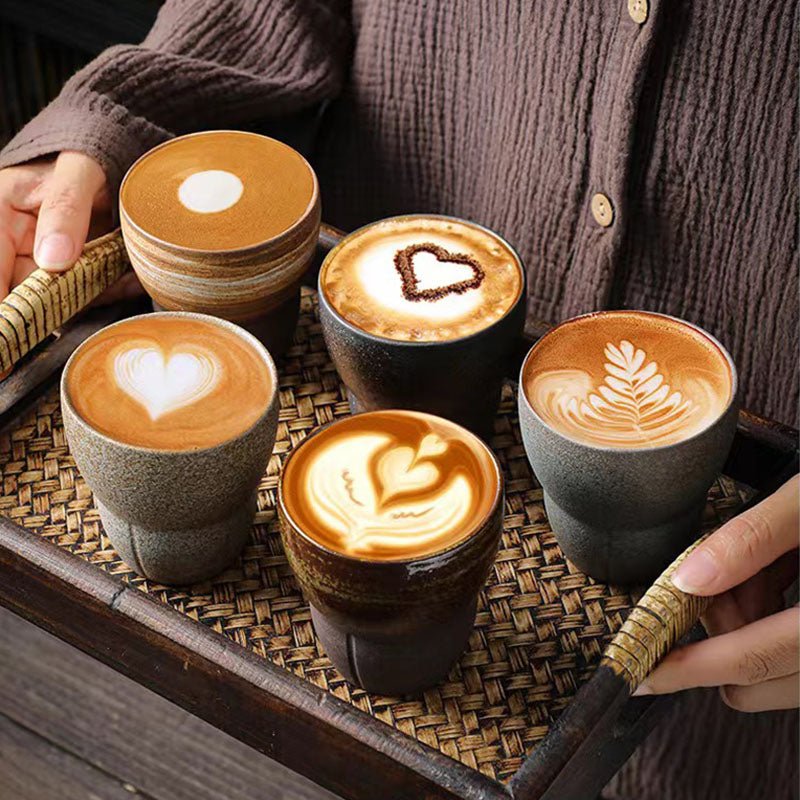
Coffee Mugs Vintage: How to Choose the Right Style for Daily Use
Reading time: about 9 minutes
A mug can look perfect in a product photo and still feel wrong the first time you wrap your hand around it. The handle sits too close to the body, the rim feels sharp, or the shape looks vintage but holds less coffee than you expected. That is usually where buying coffee mugs vintage gets tricky.
At our store, we look at these mugs the way shoppers actually use them: on a kitchen counter before work, at an office desk between meetings, or pulled from a cabinet for a gift unboxing. The best vintage-style mug is not just about the look. It needs to fit the drink you make, the way you hold it, and the care routine you are willing to keep.
If you want a broader style comparison first, our guide Vintage Coffee Mugs: How to Choose the Right Style, Size, and Finish is a useful place to start. For shoppers focused on a narrower shape, we also break down 12 oz Coffee Mugs: What to Check Before You Buy and 16 oz Coffee Mugs: What to Check Before You Buy.
What makes coffee mugs vintage feel authentic instead of themed?
Authentic vintage style usually comes from proportion, glaze, and hardware details rather than from decorative graphics alone. A mug with a slightly rounded belly, a thicker rim, and a muted glaze will read more convincingly than a glossy cup covered in distressed print.
In our experience, the small things matter most:
- Handle shape: A curved handle with enough finger clearance feels more like a real daily mug and less like decor.
- Rim thickness: A medium-thick rim is often more comfortable and less fragile than an ultra-thin lip.
- Finish: Speckled glaze, satin glaze, or a matte exterior can suggest age without looking fake.
- Body weight: Heavier stoneware often feels more substantial, while lighter ceramic can be easier for long sipping sessions.
Not every vintage-style mug is meant to look antique. Some are deliberately clean and minimal, with only the shape doing the work. That is a better fit if you want the look to blend into a modern kitchen rather than dominate it.
Which material should you choose for everyday use?
Most shoppers compare ceramic and stoneware first, and that is usually the right place to start. Both can work well for coffee mugs vintage, but they feel different in the hand and wear differently over time.
| Material | What it feels like | Best for | Trade-off |
|---|---|---|---|
| Ceramic | Smoother, often slightly lighter | Daily coffee, office desks, easier cabinet storage | Can feel less substantial and may chip if handled roughly |
| Stoneware | Heavier, denser, more earthy | Cozy kitchen setups, gift sets, vintage-inspired tables | Can feel bulky for small hands or long commutes |
| Enamel-coated styles | Hard, nostalgic look | Retro styling and casual use | Not the best choice if you want a quiet, refined sip or a chip-resistant finish on every edge |
We usually recommend stoneware to shoppers who want the mug to feel grounded and old-school. We lean toward ceramic for buyers who care more about balance and everyday ease. Neither is automatically better. A heavier mug is not ideal for someone who drinks while standing at a busy kitchen island or carrying a mug between rooms.
If your goal is a more specific serving size, it helps to compare shapes against the drink you actually make. Our guides on 8 oz Coffee Mugs: Size, Material, and Fit Guide and 20 oz Coffee Mugs: What Buyers Should Check Before Ordering show how size changes the feel fast.
How do size and shape affect how the mug feels in your hand?
A vintage-style mug can look charming and still be awkward if the proportions are off. The most common mismatch we see is a mug that looks compact in photos but feels too small for a standard pour once it reaches your counter.
Here is the practical way we compare size and shape in our store:
- Check the drinking habit first. Espresso drinkers, small drip pours, and tea drinkers often prefer a different cup than someone who fills to the brim with drip coffee.
- Look at the handle opening. If the opening feels too tight for two fingers, the mug can become annoying fast, especially when hot.
- Study the base. A stable foot ring matters on slick counters and office desks. A mug that wobbles slightly is more irritating than it sounds.
- Match the brim to the drink. A wider mouth cools faster and feels more open; a narrower mouth helps some mugs feel cozy and concentrated.
Size also changes the visual balance. A 12 oz vintage mug often looks more classic and versatile. A 16 oz version can feel more modern and casual, even if the surface treatment is retro. That is why we suggest reading the size-focused guides before buying, especially if the mug is meant for everyday use rather than display.
What finish details should you inspect before ordering?
Finish is where a lot of buyers get surprised. A mug can have a beautiful vintage look online and still disappoint if the glaze pools unevenly, the print is off-center, or the rim finish feels rough.
We inspect these details closely because they affect both appearance and use:
- Glaze consistency: Uneven pooling can be part of the charm, but it should not create sharp edges or awkward texture where your lip meets the rim.
- Interior coating: A smoother interior is easier to rinse and less likely to hold coffee residue around the bottom curve.
- Handle seam: On molded mugs, the join between handle and body should feel solid and visually clean.
- Print placement: Vintage artwork should look intentional, not slightly tilted or crowded near the handle.
- Color shift: Real vintage-inspired finishes often use muted cream, brown, olive, rust, or blue tones rather than bright, glossy colors.
That last point matters. If you want a mug to feel genuinely vintage, avoid finishes that are too perfect or too shiny. But if you need something that disappears into a modern kitchen, a cleaner satin glaze may be the better long-term choice.
We tell customers the same thing in the store and at the packing table: a mug should feel good before it looks good. If the handle is awkward, the style will not save it.
How should you care for vintage-style mugs so they last?
Care depends on the material and finish, but a cautious routine is usually worth it. Many vintage-style mugs are fine for regular washing, though hand washing is often the safer route if the mug has printed artwork, metallic detailing, or a delicate glaze.
For daily upkeep, we suggest this practical routine:
- Rinse the mug soon after use so coffee does not dry into the interior curve.
- Use a soft sponge around printed or textured areas to avoid dulling the finish.
- Dry the base fully before stacking so moisture does not sit in the cabinet.
- Avoid sudden temperature changes if the mug feels especially thick or handmade.
Vintage-style mugs are not the best choice for someone who wants the rough-and-ready treatment of a worksite tumbler. They are also not ideal if you need a cup that can be tossed into a bag. They are meant for a slower, more deliberate use case: home kitchen, desk, or gift shelf.
If you want to browse our current range directly, start with our full collection or check the product listings on our products page. That is usually the fastest way to compare shape, size, and finish side by side.
Which coffee mugs vintage work best for gifts, desks, and daily coffee?
The right choice depends on where the mug will live. A mug that looks excellent in a gift box may not be the same mug that works best for an office shelf or a daily breakfast table.
Use this quick fit guide:
- Gift: Choose a balanced shape, a clean interior, and a finish that reads clearly in person.
- Desk: Pick a mug with a stable base and a handle that stays comfortable during longer sipping sessions.
- Daily kitchen use: Favor easy-rinse interiors, a comfortable rim, and a size that matches your usual brew.
- Display piece: Prioritize glaze character, color, and silhouette over maximum volume.
One practical trade-off: the more decorative the mug, the more likely it is to have a finish that requires gentler care. That is fine if the mug will mostly sit on a shelf. It is less ideal if you want a hard-working everyday cup that disappears into a dishwasher routine without any thought.
If you are deciding between styles, size is often the final tie-breaker. A 12 oz mug usually feels more restrained and classic. A 16 oz mug gives you more room, but it can also crowd a smaller hand or a compact cup cabinet. That is why we recommend reading size guidance before you buy rather than choosing by appearance alone.
Frequently asked questions
Are coffee mugs vintage good for everyday use?
Yes, if the mug has a comfortable handle, a smooth rim, and a finish that suits regular washing. The best everyday vintage-style mug balances looks with weight and grip. If you want something purely decorative, choose a style with more surface character and less concern for maximum durability.
What size is best for coffee mugs vintage?
For most buyers, 12 oz is the most flexible starting point because it handles a standard coffee pour without feeling oversized. If you drink larger servings or add milk, 16 oz can be a better fit. Smaller 8 oz mugs work well for strong coffee, espresso-based drinks, or a more compact shelf presence.
Do vintage-style coffee mugs chip easily?
They can chip if the glaze is thin, the rim is delicate, or the mug gets knocked against sinks and counters. Stoneware tends to feel sturdy, but no ceramic mug is immune to edge chips. Careful stacking and gentle washing help more than most shoppers expect.
Should I choose ceramic or stoneware for a vintage look?
Choose ceramic if you want a slightly lighter mug that is easier to handle daily. Choose stoneware if you want more weight, a grounded feel, and a classic old-kitchen look. Both can work; the better pick depends on how you drink coffee and how much heft you want in your hand.
Can I mix vintage mugs with modern kitchenware?
Yes, and that mix often looks better than a fully themed setup. The trick is to repeat one detail, such as cream glaze, muted color, or rounded silhouette, so the mugs feel intentional. If your kitchen is very minimal, a cleaner vintage-inspired finish usually blends more easily than a highly distressed one.
If you want the fastest next step, compare your must-haves against the mug itself: size, handle clearance, glaze finish, and care routine. Then check our full collection for the current vintage-style options that match how you actually drink coffee.
More from our blog
Read more
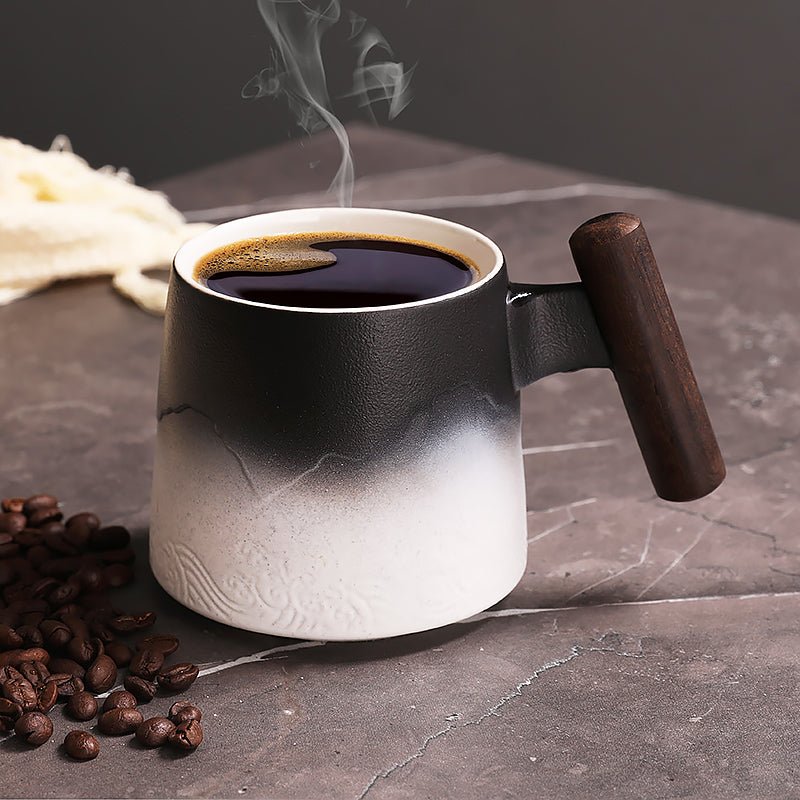
Blue Willow Coffee Mugs: What Buyers Should Check Before Ordering
Blue willow coffee mugs stand out because the pattern does the talking, but the real buying decision is usually about size, glaze, handle comfort, and care. Here is what we check in our store befor...
Per saperne di più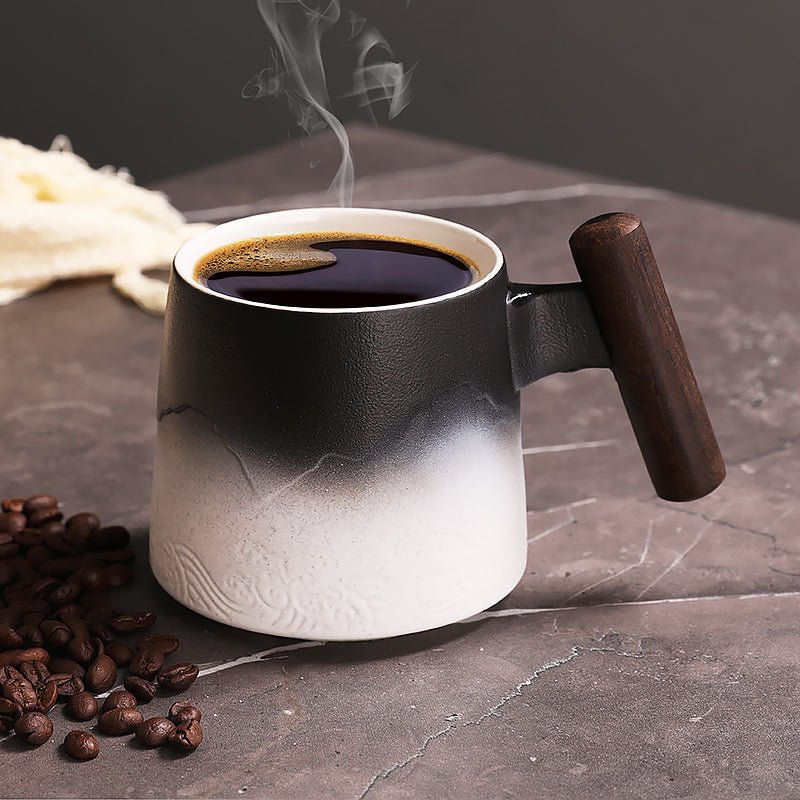
LA Dodgers Coffee Mug: Size, Material, and Care Guide
A LA Dodgers coffee mug seems simple until size, handle comfort, and print durability affect daily use. We break down what to check before you buy so you can choose a mug that works at home, at the...
Per saperne di più
Commenta
Questo sito è protetto da hCaptcha e applica le Norme sulla privacy e i Termini di servizio di hCaptcha.