
Coffee Mugs and Stand: How to Choose a Daily-Use Set
Reading time: about 9 minutes
A mug stack on a crowded counter looks tidy until the top cup wobbles, a rim chips, or the handle feels awkward after the second refill. That is usually where coffee mugs and stand sets prove their value or get pushed to the back of the cabinet.
In our store, we look at this category the same way a customer does at the sink or the office desk: will it sit flat, will it feel comfortable in the hand, and will it still look clean after regular use? If you want to compare shapes and finishes first, start with our full collection, then narrow down to a style that fits how you actually drink coffee and tea.
What does a coffee mugs and stand setup actually solve?
A good stand does more than save space. It keeps mugs visible, reduces the odds of stacking chips on the rim, and makes it easier to grab the mug you want without moving half the cabinet. On a small kitchen counter, that matters. On a desk or breakfast bar, it matters even more because clutter shows up fast.
We see three buying reasons over and over:
- Counter organization: a stand gives each mug a fixed home instead of a loose cabinet stack.
- Lower handling wear: less nesting and un-nesting means fewer chances to knock the rim or scrape the glaze.
- Faster daily use: a mug that is already out tends to get used, which is the whole point of buying one for everyday coffee or tea.
The trade-off is equally real. A stand is not the best choice if you want every cup hidden away, if your counter space is already tight, or if you prefer a fully closed cabinet routine. A stand is a display and access solution, not a storage fix for a cluttered kitchen.
If you want a clean, low-fuss look, the Green Waves Coffee Tea Mug is a simple place to start. It reads well on a counter and pairs naturally with a minimalist rack or mug tree. For shoppers who want a wider view of what else is available, the same logic applies across our coffee mug collection.
Which mug style fits your counter, desk, or gift box?
The best mug is the one that matches the room it lives in. A mug that feels perfect in a photo can still be wrong for a small office desk, a shared kitchen, or a gift for someone who hates bulky handles. We sort this category by use case first and style second.
| Use case | What works best | What to watch |
|---|---|---|
| Small kitchen counter | Stackable mugs with a stable stand footprint | Make sure the stack does not lean or rub on the rim |
| Office desk | A mug with a comfortable grip and a shape that fits beside a laptop | A wide base can crowd your workspace |
| Gift buying | A visually distinct mug that feels special at unboxing | Some novelty shapes look good but are less practical for daily refills |
| Tea and coffee rotation | A balanced mug that works for both hot coffee and slower tea drinking | Very large mugs can cool too slowly for some tea drinkers |
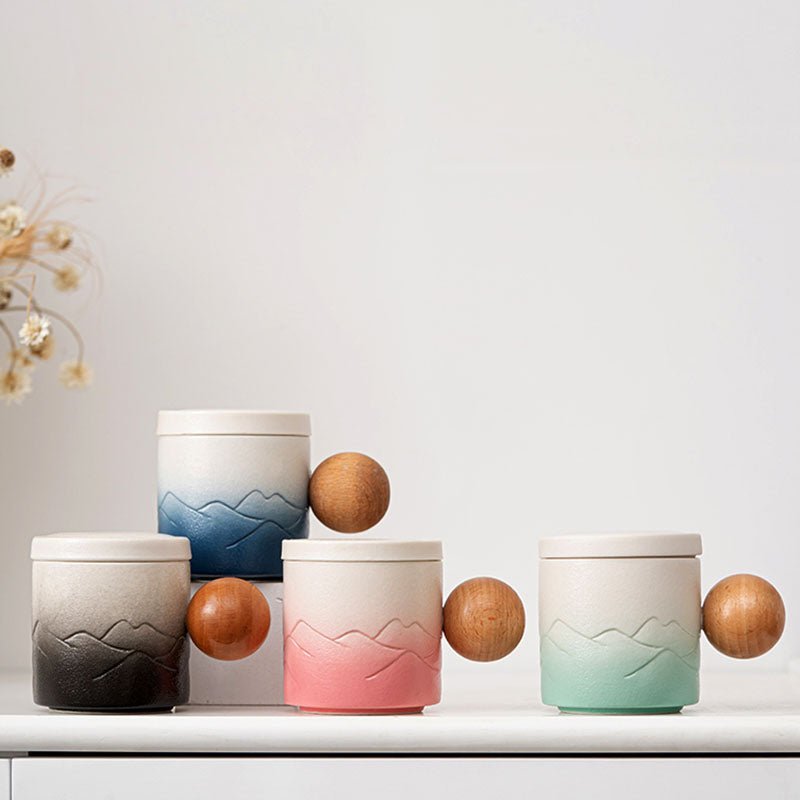
For shoppers who want a warmer, more tactile look, the Mountain Sea II Coffee Tea Mug with Wooden Handle is the kind of piece that feels intentional on a shelf or a tray. If you prefer a softer profile, The Cloud Coffee Tea Mug Wooden Handle gives you that same natural touch in a lighter visual style.
For shoppers comparing stand-friendly mug shapes, our related guide Stackable Coffee Mugs with Stand: How to Choose a Daily-Use Set is useful because it focuses on the buying decision, not just the look of the set.
What should you check before you buy?
In our experience, the sets that stay on the counter are the ones that pass a few simple checks before anyone clicks buy. These are not flashy details, but they are the details that decide whether a mug becomes a daily favorite or a cabinet back-up.
- Rim feel: the lip should feel smooth, not sharp, because that is what you notice every morning.
- Base stability: if the bottom is not flat, a stand can feel shaky and the mug can rock when you set it down.
- Handle comfort: your fingers should fit without squeezing the knuckles against the mug body.
- Glaze consistency: look for an even finish without rough spots where residue can collect.
- Storage fit: if the mug is meant for a stand, the handle and body should nest cleanly without bumping the next cup.
We also pay attention to common defect modes in this category: tiny rim chips, hairline cracks in the glaze, wobble on a stand, and handles that feel slightly misaligned when you lift the mug with one hand. None of those issues make a mug unusable on day one, but they do affect how long it feels worth keeping out on the counter.
If you want a more detailed pre-purchase checklist, our article Stackable Coffee Mugs with Stand: What to Check Before Buying breaks down the same points from a shopper's point of view.
We treat a mug as a daily tool first and a display piece second. If it looks good but slides around, traps water, or feels awkward at the lip, it will not earn counter space for long.
How do wooden handles change comfort and care?
Wooden handles change the experience in a good way if you like a warmer grip and a more natural look. They also add a real care trade-off. A wooden handle is not the same as an all-glaze mug body, and it should be treated that way.
That difference matters most in three situations: after a dishwasher cycle, after a long soak in the sink, and after repeated heat-and-cool swings near the kettle. If a mug with a wooden handle is left wet for too long, the handle finish can age faster than the rest of the mug. We do not recommend that style for someone who wants a leave-it-in-the-sink, forget-it-later routine.
For daily use, the safer routine is simple:
- Rinse the mug soon after use so coffee or tea does not sit in the cup.
- Wash the handle gently instead of soaking it for long periods.
- Dry the handle completely before putting the mug back on a stand or in a cabinet.
- Avoid abrasive scrubbers that can dull the finish or rough up the wood grain.
This is where design preference and habit need to match. If you want the easiest care routine possible, a plain handled mug may suit you better. If you want something that feels more tactile in the hand and looks a little more considered on a shelf, a wooden-handle piece is worth the extra care.
Which size is right for coffee, tea, and desk use?
Size changes the whole experience. A mug that is perfect for a quick espresso-based drink can feel too small for a long meeting, and a large mug can be great for tea but awkward on a cluttered desk. If you are comparing capacities, our size guides on 10 oz coffee mugs, 12 ounce coffee mugs, and 14 ounce coffee mugs are the quickest way to narrow the choice.
Here is the practical way we think about it:
- 10 oz: better for smaller servings, short coffee breaks, and shoppers who do not want a heavy mug in hand.
- 12 oz: the most flexible middle ground for daily coffee, tea, and desk use.
- 14 oz: better for long sipping sessions, larger pours, or people who do not want to refill often.
The key trade-off is balance. Bigger mugs hold more, but they also take more counter space and can feel bulky in a stand. Smaller mugs are easier to stack and store, but they may not fit a long work session. If you are buying for a shared kitchen, we usually suggest the middle ground first unless you already know the drinker prefers a larger pour.
That is also why our own shoppers often pair a size guide with a visual browse. A look at the mug shape tells you whether the cup is built for a quick desk refill or for a slower weekend routine.
What is the safest way to choose a set that will last?
The safest choice is the one that matches your use pattern, not the one that looks most dramatic in a product photo. We would rather see a buyer choose a restrained mug with a flat base and a comfortable handle than a sculptural piece that only works on special occasions.
- If the mugs will live on a stand, make stability the first filter.
- If they will be washed often, prioritize easy rinsing and a finish that does not trap residue.
- If they are a gift, choose a look that feels personal without being hard to care for.
- If they will move between coffee, tea, and desk use, keep the shape balanced and the capacity moderate.
That is also why our team recommends comparing style, use, and care side by side instead of buying on appearance alone. A mug that works in a gift box but feels clumsy on a work desk is not a good daily-use purchase.
Frequently asked questions
Are coffee mugs and stand sets good for small kitchens?
Yes, if the stand has a small footprint and the mugs stack cleanly without leaning. They are a better fit for counters than oversized cabinet systems because they keep the cups visible and easy to grab. If your counter is already crowded with a kettle, grinder, or toaster, measure the base area first.
Do wooden-handle coffee mugs need special care?
They do. We recommend gentle washing, no long soaking, and full drying before storage. The wooden handle is the part most likely to age faster than the mug body, so it needs a lighter routine than a plain glazed mug.
What size mug is best for daily desk use?
For most people, 12 oz is the safest starting point because it balances capacity and desk space. If you refill often, 10 oz can feel lighter and easier to manage. If you drink slowly and do not want to walk back to the kitchen often, 14 oz may fit better.
Should I buy a stackable set or separate mugs?
Buy a stackable set if counter space matters and you want a cleaner routine. Buy separate mugs if you prefer different sizes for different drinks or if you are picky about handle shape. Stackable sets win on organization; separate mugs win on flexibility.
What should I inspect first when buying a mug with a stand?
Check the base, the rim, and the balance point. The mug should sit flat, the lip should feel smooth, and the stand should hold the stack without side-to-side wobble. Those three checks catch most of the problems that turn an attractive set into a frustrating one.
If you want to browse styles that fit a counter, a desk, or a gift box, start with our full collection and then compare the mug shapes against the care routine you actually want to keep.
Read more
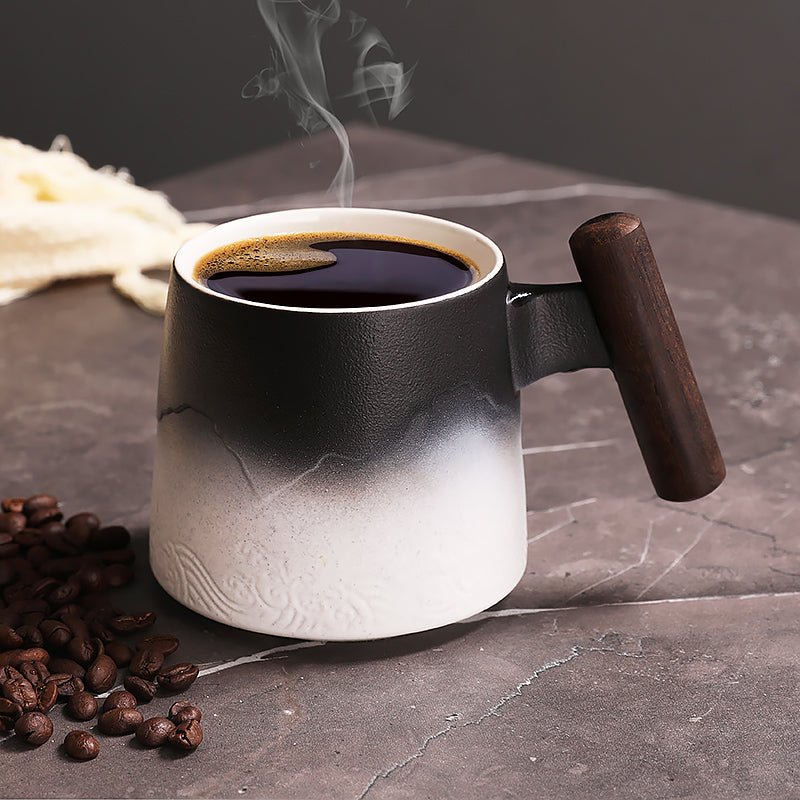
Motivational Coffee Mugs: How to Choose Ones That Actually Get Used
A practical guide to motivational coffee mugs that people keep on the desk, use every morning, and actually gift well. Compare styles, sizes, care needs, and the trade-offs before you buy.
Per saperne di più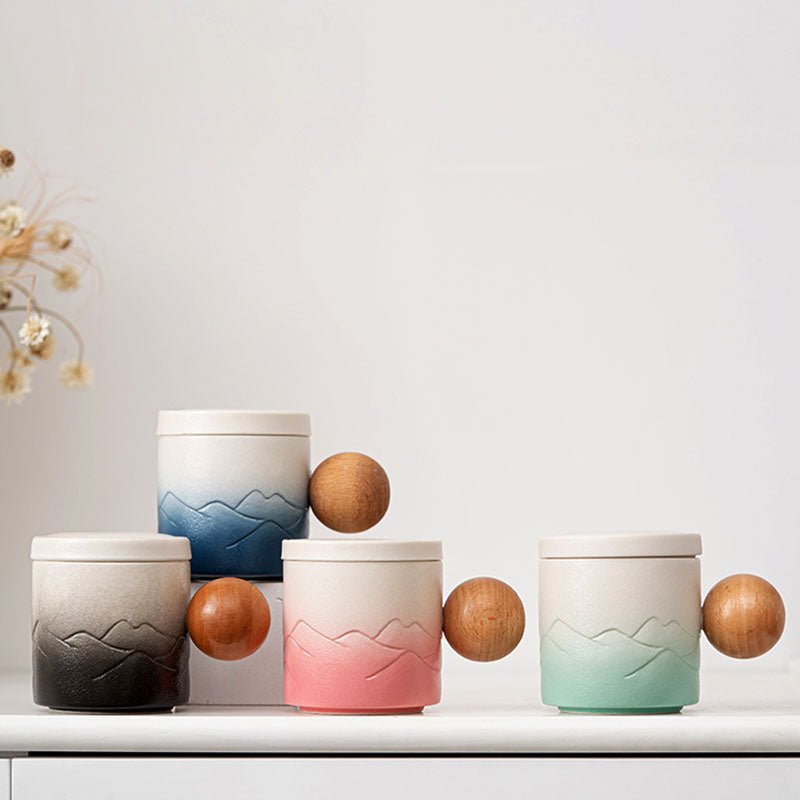
Mr Coffee Mugs: How to Choose the Right Mug for Daily Use
A practical guide to mr coffee mugs with fit, comfort, material, and care details that matter on real kitchen counters and office desks. Compare styles, avoid common buying mistakes, and find a mug...
Per saperne di più
Commenta
Questo sito è protetto da hCaptcha e applica le Norme sulla privacy e i Termini di servizio di hCaptcha.